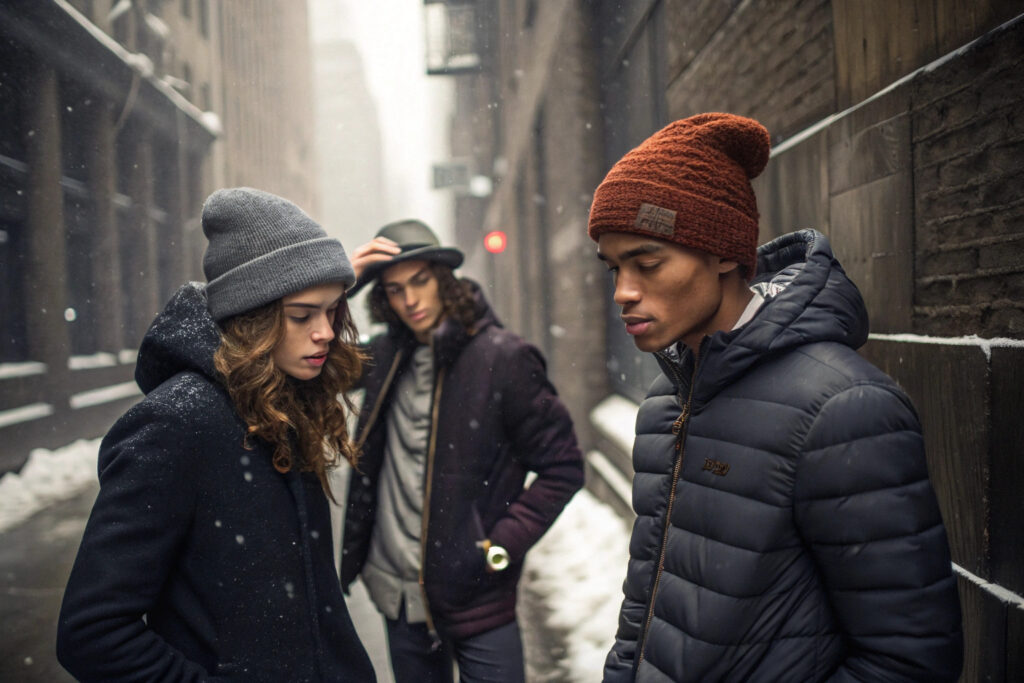
I sat in on a product development meeting with a Berlin-based streetwear label last September. Their creative director threw a black felt bucket hat onto the table. "This," she said, "is made from shredded plastic bottles rescued from the ocean. It feels like wool, performs like wool, but consumes zero new resources. Tell me you can make me 3,000 of these with our logo and a hangtag that tells that story." I picked up the hat. It had a soft, brushed hand feel, a deep charcoal heathered texture, and a structured drape. It looked premium. The story behind it was even better. I told her we could absolutely make it, and I told her she was part of a wave that is reshaping the winter headwear market.
Streetwear brands are switching to recycled felt for their winter hat collections because it delivers a rare triple win: a premium, textured aesthetic that aligns perfectly with the heathered, workwear-inspired streetwear look, an undeniable sustainability narrative that resonates deeply with a generation of consumers who demand environmental accountability, and a performance profile that is warm, breathable, and moisture-wicking, matching or exceeding virgin synthetic felt. Recycled felt, typically made from post-consumer PET bottles, provides a guilt-free material story without compromising the structured, fashion-forward silhouettes that define the streetwear category. The material is not just an eco-alternative. It is a creative tool that designers are actively choosing for its unique visual texture and its powerful marketing narrative.
I have seen our recycled felt order volume increase significantly over the past three winter seasons. I want to share the specific properties of this material, the aesthetic reasons it fits the streetwear look, the sustainability certifications that validate the story, and the manufacturing considerations that ensure your recycled felt collection is produced to the highest quality. This is the material science and the marketing logic behind the shift.
What Exactly Is Recycled Felt and How Is It Made for Headwear?
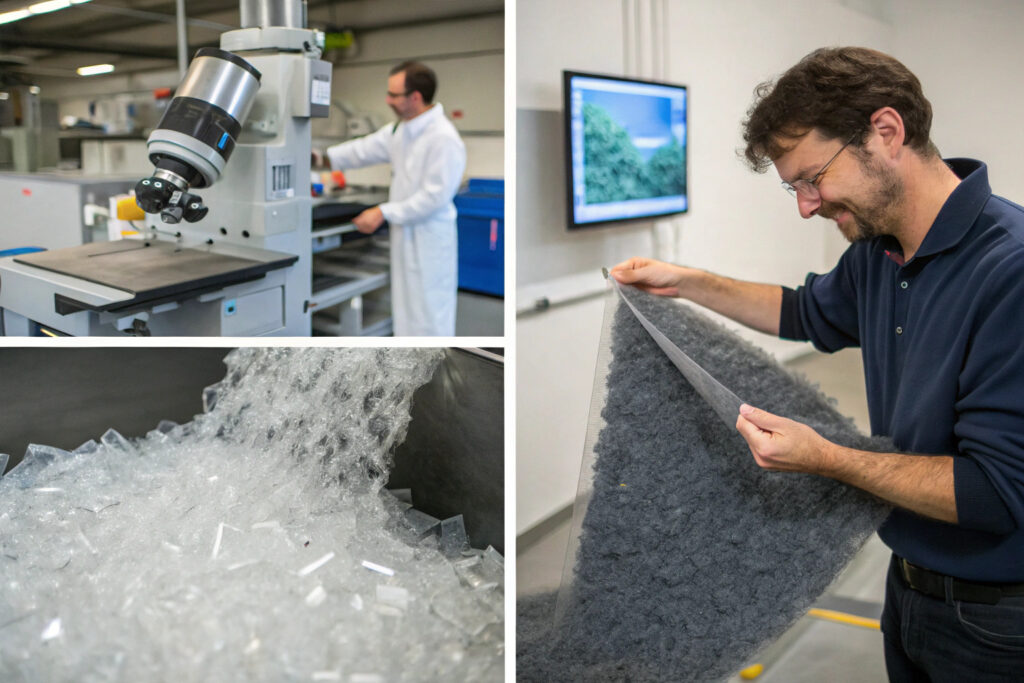
Recycled felt for headwear is a non-woven textile made from post-consumer recycled polyester, primarily sourced from discarded plastic bottles. The bottles are collected, cleaned, and shredded into small flakes. These flakes are melted and extruded into fine polyester fibers. The fibers are then carded, layered, and mechanically entangled through a needle-punching process. Needle-punching uses thousands of barbed needles to physically interlock the fibers into a dense, cohesive sheet of fabric. This is a mechanical process, not a chemical one. No water is used. No chemical binders are required. The result is a fabric that is durable, breathable, and has a soft, wool-like hand feel. The surface can be brushed or sheared to create a smooth, felted texture. The fabric can be dyed, but the natural tone of the recycled feedstock often yields a beautiful, heathered mélange that is highly desirable in streetwear aesthetics.
I source our recycled felt from a certified mill that uses 100% post-consumer PET. The mill provides a Global Recycled Standard transaction certificate with every batch, tracing the material from the bottle collection through to the finished fabric. The felt is available in a range of weights suitable for different hat styles. A lighter 200 to 250 GSM felt is used for beanies, bucket hats, and unstructured caps. A heavier 300 to 400 GSM felt is used for structured fedoras, wide-brim hats, and winter snapbacks. The felt can be cut, sewn, and embroidered using the same machinery as traditional woven fabrics, with some adjustments for the non-woven structure. The recycled PET textile production process is a well-established circular economy technology.
The manufacturing process is mechanical and clean. The resulting material has specific physical properties that make it ideal for winter headwear. The non-woven, needle-punched structure creates millions of tiny air pockets that trap body heat. It is warm but breathable.
Why Is Needle-Punched Recycled Felt More Eco-Friendly Than Traditional Woven Wool Felt?
Traditional wool felt requires sheep farming, which consumes land, water, and feed, and produces methane emissions. The wool is scoured, carded, and felted using water, heat, and sometimes chemical agents. Recycled PET felt uses existing waste material that would otherwise enter a landfill or the ocean. The production process consumes significantly less water and energy than wool processing. It generates no agricultural runoff and involves no animal husbandry. The carbon footprint of recycled PET felt is approximately 50% to 70% lower than virgin wool felt, according to life cycle assessment data. This environmental benefit is a measurable, certifiable claim that streetwear brands can communicate to their customers. The textile sustainability life cycle assessment data provides the scientific basis for these environmental claims.
How Does the Weight and Density of Recycled Felt Affect Hat Silhouettes?
The weight and density of the felt determine the drape and the structure of the finished hat. A heavier, denser felt, 350 to 400 GSM, has a stiff, structured hand. It holds a shaped crown, a wide brim, or a structured front panel without the need for additional internal buckram. This makes it ideal for fedora-style hats, cowboy-inspired silhouettes, and structured snapbacks. A lighter felt, 200 to 250 GSM, has a soft, fluid drape. It conforms to the head and is ideal for slouchy beanies, relaxed bucket hats, and dad caps. The non-woven structure means the felt does not fray when cut, allowing for clean, raw edges and laser-cut detailing that are difficult to achieve with woven fabrics. This structural versatility allows streetwear designers to explore silhouettes that range from sharp and tailored to soft and deconstructed. The fabric weight and drape relationship is a core concept in fashion design.
Why Does the Aesthetic of Recycled Felt Align With Current Streetwear Trends?
Streetwear aesthetics have shifted away from shiny, branded, performance-driven looks toward textured, muted, workwear-inspired authenticity. The dominant color palettes are earth tones, faded blacks, dusty olives, and heathered greys. The preferred textures are matte, brushed, and tactile. Recycled felt fits this aesthetic perfectly. Its natural, slightly irregular heathered surface provides the visual depth and the "lived-in" authenticity that streetwear consumers seek. It looks like a heritage material, even though it is made from high-tech recycled feedstock. This juxtaposition of old-world texture and new-world sustainability is a powerful creative tension.
The non-woven surface of the felt also provides an excellent substrate for streetwear's favorite decoration techniques. Embroidery sits beautifully on the dense, flat surface without puckering. Chenille patches, a major streetwear trend, adhere perfectly and create a rich, tonal-on-tonal texture play. Laser engraving burns the surface of the felt to create precise, dark-edged logos and graphics. The felt does not melt into a hard edge like some synthetics. It chars into a soft, tactile mark. The material itself inspires design creativity. It looks premium and feels substantial, which allows a streetwear brand to command a higher retail price point. A recycled felt hat can retail for $45 to $65, compared to $25 to $35 for a standard acrylic beanie. The material tells a quality story that justifies the premium. The streetwear trend analysis reports document the shift toward textured, sustainable materials in the category.
The visual texture is the immediate aesthetic appeal. The sustainability story behind that texture is the intellectual and emotional appeal. The streetwear consumer is not just buying a hat. They are buying a narrative. The recycled felt hat comes with a compelling narrative attached.

How Does the Heathered Effect of Recycled Felt Create a Unique Visual Texture?
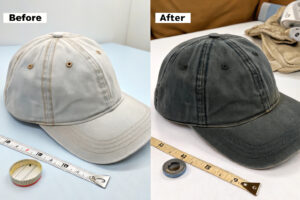
The heathered effect is a natural characteristic of recycled PET fibers. The feedstock bottles are a mix of clear, light blue, and light green plastics. When these are processed together, the resulting fibers are a blend of slightly different off-white and pale tones. When dyed, these fibers take the dye differently, creating a rich, dimensional mélange color. A black recycled felt is not a flat, solid black. It is a deep charcoal with microscopic variations in shade that give it visual depth. This heathered look is highly desirable in streetwear because it mimics the look of expensive, heathered wool melton fabrics used in heritage workwear. It looks premium and authentic. The color and texture in sustainable textiles is a growing area of design innovation.
What Decoration Techniques Work Best on Recycled Felt Hats?
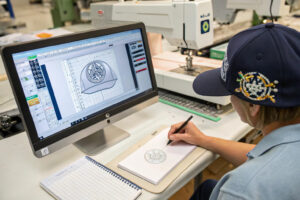
Embroidery is the most popular and successful decoration technique on recycled felt. The dense, stable surface holds stitches exceptionally well. Fine detail and small text render cleanly. 3D puff embroidery creates a bold, high-contrast look. Chenille patches, sewn onto the front panel, create a varsity-inspired, textural look that is highly on-trend. Woven label patches with a merrow border add a craft, artisanal feel. Screen printing is possible but requires a high-opacity ink to sit on the textured surface. Direct-to-garment printing is less effective because the ink can be absorbed into the fibrous surface and lose sharpness. Laser engraving is a premium technique that works beautifully on felt, creating a tonal, burned-in logo that is permanent and tactile. I work with clients to select the decoration technique that best complements the felt texture and the brand's aesthetic. The embroidery on non-woven fabrics requires specific digitizing adjustments for stitch density and underlay.
What Sustainability Certifications Should You Demand for Recycled Felt?
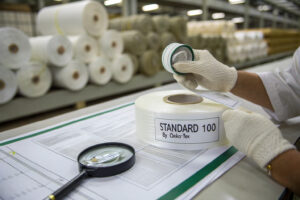
The "recycled" claim is a marketing statement. The certification is the proof. Without a third-party certification, the claim is unverifiable and potentially subject to greenwashing accusations. Streetwear brands, which are heavily scrutinized by a socially conscious consumer base, must be able to substantiate their sustainability claims with recognized certifications. The two essential certifications for recycled felt are the Global Recycled Standard and OEKO-TEX Standard 100. A third, more advanced certification is a life cycle assessment that quantifies the environmental impact savings.
The Global Recycled Standard certifies the recycled content of the material and tracks it through the entire supply chain, from the recycling facility to the finished product. It also includes social and environmental processing requirements for the manufacturing facilities. A GRS transaction certificate accompanies each batch of felt, verifying that the specific lot of fabric contains the claimed percentage of recycled content. The OEKO-TEX Standard 100 certifies that the finished felt is chemically safe and free from harmful levels of restricted substances. This is critical because recycled feedstock can potentially contain contaminants from the original plastic waste stream. The OEKO-TEX certification ensures that the recycling and fiber production process has eliminated any harmful residues. A life cycle assessment provides the quantitative environmental impact data, such as the reduced water consumption, the reduced carbon emissions, and the diverted plastic waste, compared to virgin polyester or wool. This LCA data is the raw material for the brand's sustainability marketing story. The GRS certification requirements and the OEKO-TEX certification are the industry standard benchmarks for recycled textile claims.
The GRS and OEKO-TEX certifications validate the environmental and chemical safety claims. The material's physical performance is the final piece of the puzzle. A sustainable hat must also be a functional hat. Recycled felt holds its own against traditional winter hat materials.
Why Is a GRS Transaction Certificate Important for Your Batch of Felt?
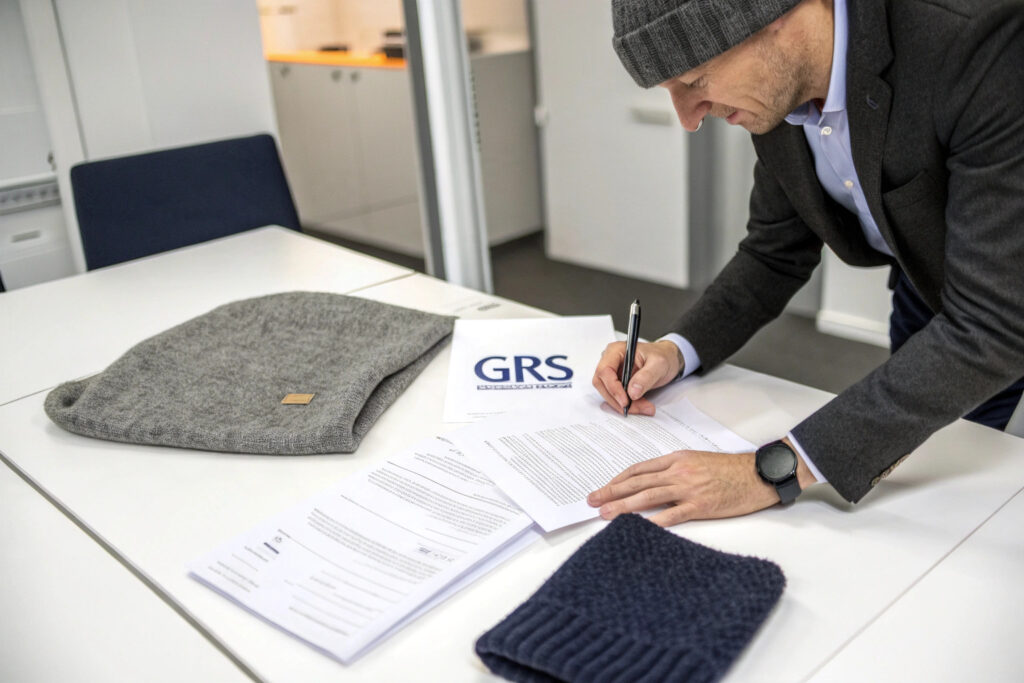
A GRS certificate comes in two forms. A scope certificate is issued to a facility, certifying that it is capable of processing GRS-certified materials. A transaction certificate is issued for a specific batch of material, certifying that this specific lot meets the GRS requirements. When I purchase recycled felt, I receive a transaction certificate from the mill. This certificate lists the seller, the buyer, the product description, the batch number, the quantity, and the certified recycled content percentage. I provide a copy of this transaction certificate to my clients. This gives them a traceable, verifiable document that proves the recycled content of the felt used in their hats. Without a transaction certificate, the recycled claim is an unverified statement. The GRS transaction certificate is the currency of trust in the recycled textile supply chain.
How Can a Life Cycle Assessment Data Sheet Support Your Brand's Marketing?
A life cycle assessment quantifies the environmental impact of a product across its entire life, from raw material extraction to end-of-life disposal. For recycled felt, the LCA typically compares the impact to virgin polyester or virgin wool. It measures metrics such as global warming potential in kilograms of CO2 equivalent, water consumption in liters, and abiotic resource depletion. The LCA data can be summarized on a hangtag or a web page, with claims such as "This hat saved 8 plastic bottles from landfill" or "Produced with 60% less water than conventional wool felt." These specific, quantified claims are far more powerful than a generic "eco-friendly" statement. They are defensible with the LCA data. I work with my clients to provide the LCA data from the felt mill and to help them translate it into consumer-friendly marketing claims. The life cycle assessment for textiles is the scientific foundation for credible sustainability marketing.
How Does the Performance of Recycled Felt Compare to Wool and Acrylic for Winter Hats?
A winter hat must be warm. It must also breathe so the wearer's head does not become clammy. It must wick moisture from sweat and light precipitation. It should be lightweight and comfortable for extended wear. It must be durable and resist pilling, shrinking, and losing its shape. Recycled felt performs well across all these criteria and offers a unique balance that neither wool nor acrylic alone can provide.
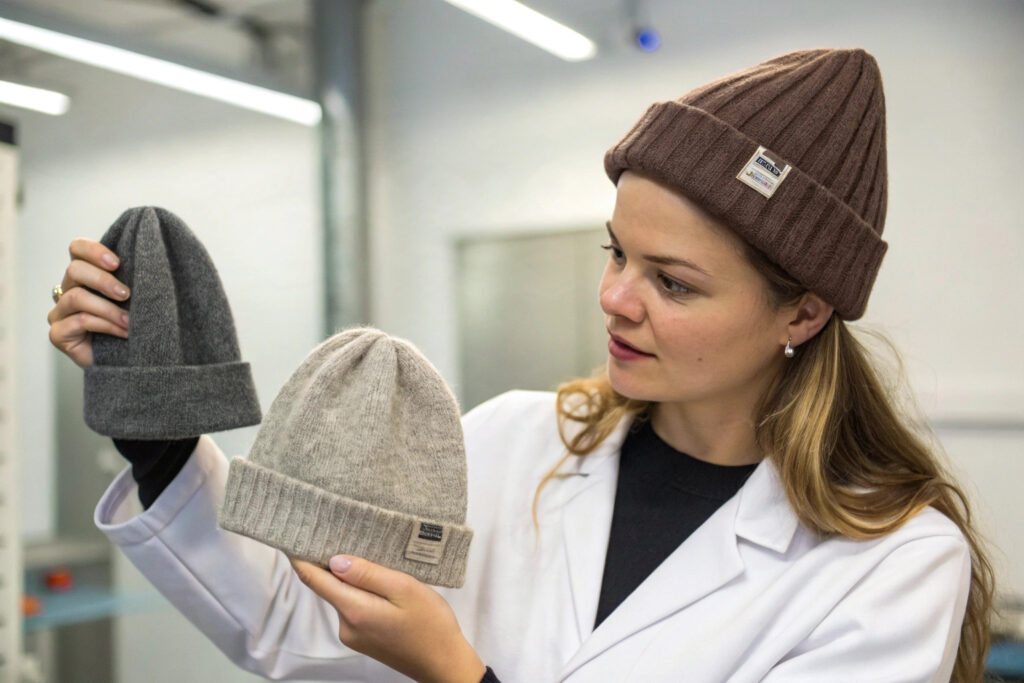
Compared to wool, recycled felt is lighter in weight for an equivalent warmth level. It dries faster. It is machine washable without the risk of felting shrinkage that wool is prone to. It is hypoallergenic and non-itchy, making it comfortable for wearers with sensitive skin or wool allergies. It is less expensive than premium merino wool. Compared to acrylic, recycled felt is more breathable. It has a more premium, less synthetic hand feel. It does not develop the shiny, matted appearance that acrylic beanies often develop after a few wears and washes. It is far more sustainable. Acrylic is a virgin petrochemical-based fiber with a significant environmental footprint. The main advantage of wool is its natural, renewable origin and its exceptional warmth-to-weight ratio in its finest grades. The main advantage of acrylic is its very low cost. Recycled felt occupies a compelling middle ground. It offers a premium, wool-like aesthetic and hand feel, with a sustainability story and a mid-range cost. For streetwear brands, this is the sweet spot. The textile performance comparison for winter headwear materials is a standard product development exercise.
The lab data provides the objective performance numbers. The manufacturing process confirms how the material behaves on the production line. Recycled felt has specific processing requirements that a factory must understand to produce high-quality hats.
Is Recycled Felt Machine Washable and Does It Pill Over Time?
Recycled polyester felt is generally machine washable in cold water on a gentle cycle. It should be air-dried or tumble-dried on a low heat setting. High heat can cause the fibers to relax and the fabric to lose its structure or shrink slightly. Because the fibers are mechanically interlocked, not chemically bonded, aggressive washing and high heat can cause some fiber migration and surface pilling over time. However, the pilling is generally less than with acrylic and the fabric does not felt or shrink like wool. A light brushing with a fabric shaver can restore a smooth surface if pilling occurs. I provide care label instructions with every recycled felt hat. The textile care and durability testing provides standardized methods for evaluating washability and pilling resistance.
How Does the Breathability of Recycled Felt Affect Comfort During Active Wear?
The needle-punched structure of recycled felt is inherently breathable. The millions of needle holes and the spaces between the interlocked fibers allow air and moisture vapor to pass through. This breathability prevents the clammy, overheated feeling that can occur with non-breathable synthetic winter hats. A wearer can wear a recycled felt beanie during an active commute, a brisk walk, or a casual outdoor gathering without overheating. The felt insulates without suffocating. This breathability is a key performance advantage over solid, coated synthetic fabrics and dense, non-porous acrylic knits. The fabric breathability testing measures the air permeability and moisture vapor transmission rate of textile materials.
Conclusion
The shift to recycled felt in streetwear winter collections is a convergence of aesthetics, sustainability, and performance. The material offers a heathered, textured look that aligns with the muted, workwear-inspired streetwear aesthetic. It carries a powerful, certifiable sustainability narrative that meets the environmental expectations of the streetwear consumer. It performs with the warmth, breathability, and lightweight comfort required of a premium winter hat. It is a material that allows a brand to charge a higher retail price while delivering a genuine sustainability story. For the streetwear creative director, it is a creative tool. For the streetwear brand manager, it is a marketing asset. For the streetwear consumer, it is a hat that looks good, feels good, and does good.
I am excited to work with recycled felt. It is a material that makes our production processes better and our clients' brands stronger. I can send you a sample of our heathered recycled felt in a range of weights and colors, and I can provide the GRS and OEKO-TEX certifications that substantiate the recycled and safety claims. Our Business Director, Elaine, can prepare a Recycled Felt Material Kit tailored to your winter collection needs. Email her at elaine@fumaoclothing.com and ask for the Recycled Felt Sample Book. We will help you build a winter hat collection that your customers will wear with warmth and with pride.