You launch a bamboo fiber cap line. You label it "Eco-Friendly." You expect Gen Z to buy it. They don't. They leave comments. "Where is the bamboo from? Is it FSC certified? Show me the factory. Show me the workers' wages." You have no answers. You thought the word "bamboo" was enough. For a Millennial buyer in 2015, it was. For a Gen Z buyer in 2026, it is not enough. It is a red flag. Vague sustainability claims are treated as greenwashing until proven otherwise.
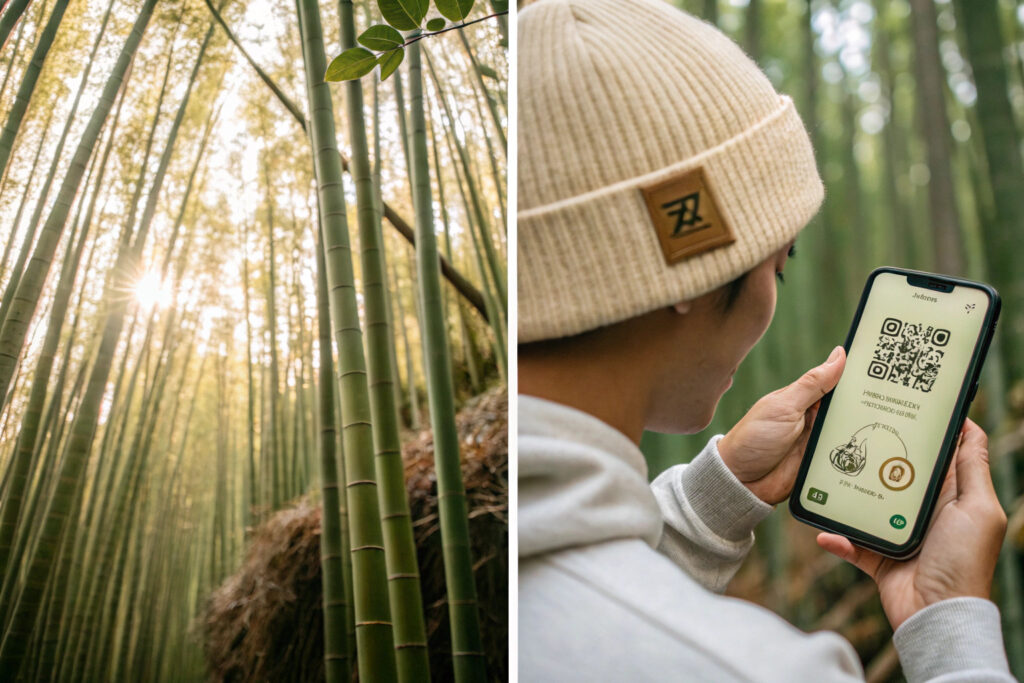
Gen Z buyers demand fully traceable bamboo fiber headwear because they have grown up in an era of corporate greenwashing scandals, climate anxiety, and digital radical transparency. They do not trust a hangtag that says "eco-friendly." They trust a QR code that links to a blockchain record showing the bamboo farm's GPS coordinates, the FSC certification number, the closed-loop chemical recovery rate at the viscose plant, and the sewing factory's social audit score. They want to verify the story, not just hear it. Traceability is not a feature for them. It is the minimum requirement for a purchase decision.
At Global-Caps, I started receiving traceability requests from young brand founders three years ago. Today, it is the first question in every introductory email. "Do you have traceable bamboo?" Not "Do you have bamboo?" The adjective is now mandatory.
What Is Bamboo Fiber and How Is It Processed Into Headwear Fabric?
You think bamboo fabric is natural like cotton. The bamboo is cut, crushed, and woven, right? Wrong. Most bamboo fabric on the market is bamboo viscose, also called bamboo rayon. It is a regenerated cellulose fiber. The bamboo is chemically dissolved and then reconstituted into fiber. The process is more like making paper pulp than spinning cotton. If your supplier calls it "bamboo fiber" without specifying "bamboo viscose" or "bamboo lyocell," they are hiding something.
Bamboo fiber for headwear is processed in two main ways. The mechanical method crushes the bamboo stalks and uses natural enzymes to break down the woody lignin, then combs out the fibers. This produces "bamboo linen," which is rare and expensive. The chemical method dissolves the bamboo cellulose in a solvent, extrudes it through spinnerets, and solidifies it into filaments. This produces bamboo viscose or bamboo lyocell. The lyocell process uses a closed-loop solvent system where 99.5% of the solvent is recovered and reused. The viscose process has historically been more polluting unless the factory uses modern effluent treatment.
I only source bamboo lyocell from a supplier with a closed-loop production certificate. I reject bamboo viscose from unregulated mills. The fabric feels the same. The environmental impact is completely different.
The distinction between mechanical bamboo and chemical bamboo is the first question a Gen Z buyer asks. The answer determines whether they trust you.

What Is the Difference Between Mechanical Bamboo Linen and Chemical Bamboo Viscose?
Mechanical bamboo linen is produced by crushing the bamboo stalks and retting them with enzymes to separate the fibers. The process is mechanical and biological. No harsh chemicals are used. The resulting fiber is coarse, similar to linen or hemp. It has a rustic texture. It is breathable, durable, and fully biodegradable without chemical residue. It is also expensive and limited in supply. It represents less than 1% of the bamboo fabric market.
Chemical bamboo viscose is produced by dissolving bamboo cellulose in carbon disulfide and sodium hydroxide, then extruding the solution through spinnerets into a sulfuric acid bath. The process is chemically intensive. The carbon disulfide is toxic. The effluent can pollute waterways if not properly treated. The resulting fiber is soft, silky, and uniform. It is cheap and widely available. It represents 99% of the bamboo fabric market.
Chemical bamboo lyocell is a newer process. It uses N-methylmorpholine N-oxide (NMMO) as the solvent. The NMMO is non-toxic and 99.5% recoverable in a closed-loop system. The fiber is soft like viscose but produced with near-zero chemical waste. I specify bamboo lyocell for all my bamboo headwear. The mechanical bamboo linen is reserved for premium capsule collections where the rustic texture is a design feature.
Why Is the Closed-Loop Lyocell Process Preferred for Eco-Claims?
The closed-loop lyocell process recovers and reuses the solvent. The solvent enters the process, dissolves the cellulose, and is then captured, purified, and fed back into the system. The solvent loss is less than 0.5%. The water consumption is 90% lower than conventional viscose. The effluent discharge is near zero.
Gen Z buyers know this distinction. They Google "bamboo viscose vs lyocell" before buying. They read the sustainability pages of brands. They ask about the solvent recovery rate. A brand that cannot answer loses the sale.
I provide the closed-loop certificate from my fabric supplier. The certificate states the solvent recovery rate and the water treatment standard. I link this certificate to the QR code on the hangtag. The Gen Z buyer scans it. They see the data. They buy.
Why Does Gen Z Distrust Generic "Eco-Friendly" Hat Labels?
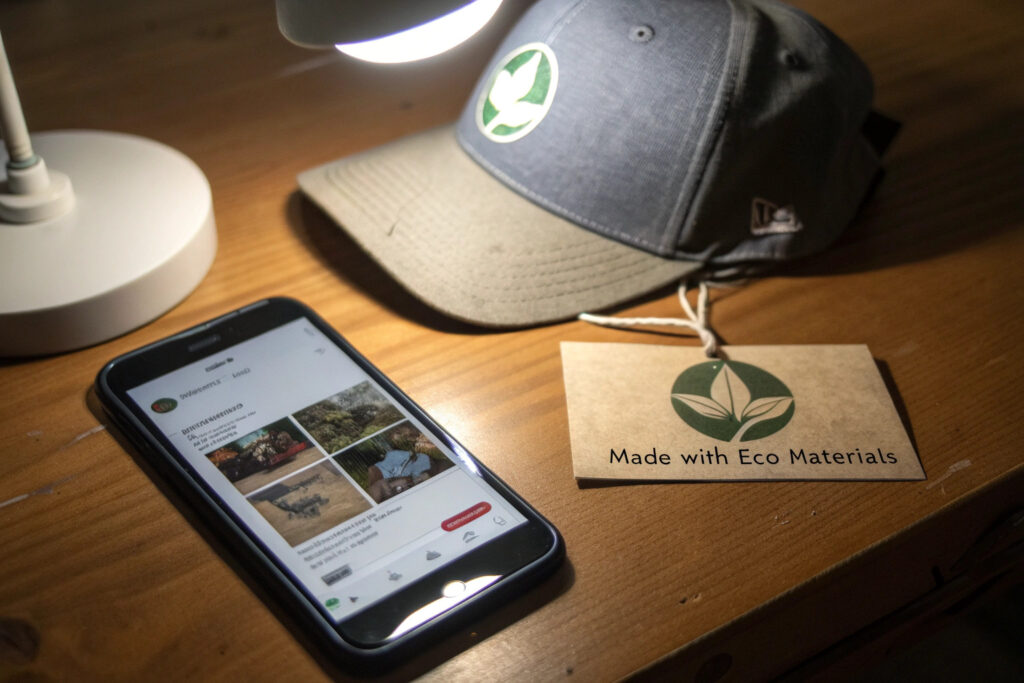
You print a green leaf on your hangtag. You write "Sustainable Choice." You think you are done. You are not done. You are a target. Gen Z consumers screenshot your label and post it on social media with the caption "Greenwashing or legit? Let's audit them." Your brand is judged in the court of TikTok. The verdict is crowdsourced. A vague claim is a guilty verdict.
Gen Z distrusts generic eco-friendly labels because they have witnessed a decade of corporate greenwashing. They have seen fast fashion brands launch "conscious collections" made of 5% recycled fiber while continuing to dump toxic waste. They have learned that words without data are marketing, not truth. They demand specificity. The hangtag must state the exact material composition, the certification body, and the traceability method.
I advise my brand clients to remove the word "eco-friendly" from their vocabulary. Replace it with specific, verifiable claims. "This beanie is made of 100% FSC-certified bamboo lyocell, traceable to Anji County, Zhejiang. Scan the QR code for the supply chain record."
The greenwashed past has created a default suspicion. Brands must overcome this suspicion with evidence, not adjectives.
How Does the "Greenwashing Backlash" Shape Buying Behavior in 2026?
The greenwashing backlash has created a "guilty until proven innocent" dynamic. A brand making a sustainability claim without third-party verification is assumed to be lying. The burden of proof has shifted from the consumer to the brand. The consumer does not need to prove the claim is false. The brand must prove the claim is true.
This shapes buying behavior by making certification logos and QR codes the primary decision drivers. A hat with an FSC logo and a traceable QR code sells. An identical hat with a generic "green" hangtag sits on the shelf. The FTC Green Guides in the US and the EU Green Claims Directive have tightened the legal requirements. A vague claim is now a legal liability as well as a marketing failure.
I have seen my brand clients add QR codes to their bamboo beanie hangtags and see a measurable increase in conversion rate. The traceability is not a cost center. It is a sales tool.
What Specific Certifications Do Gen Z Buyers Look for on Bamboo Products?
Gen Z buyers recognize specific certification logos. They look for FSC (Forest Stewardship Council) for the bamboo forest management. They look for OEKO-TEX Standard 100 for chemical safety of the final fabric. They look for GOTS if the product is marketed as organic, though GOTS certification for bamboo is rare and complex. They look for the USDA Certified Biobased label in the US market.
The most trusted certification for bamboo fiber processing is the EU Ecolabel for textile products and the Cradle to Cradle Certified certification at the Gold or Platinum level. These certifications audit the full production cycle.
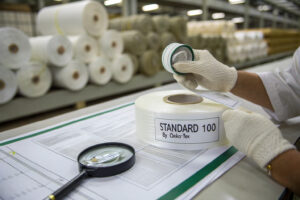
I ensure my bamboo lyocell fabric carries at least OEKO-TEX Standard 100 Class I certification. This is the strictest level, safe for baby products. I also request the FSC chain of custody certificate from the bamboo pulp supplier.
How Does Bamboo Fiber Traceability Work From Forest to Finished Hat?
You say your bamboo is traceable. The buyer asks, "Traceable to where?" You say the fabric mill. The buyer says, "Not enough. Traceable to the forest or it doesn't count." Fabric mill traceability is one link. Forest-to-hat traceability is the full chain. Gen Z wants the full chain.
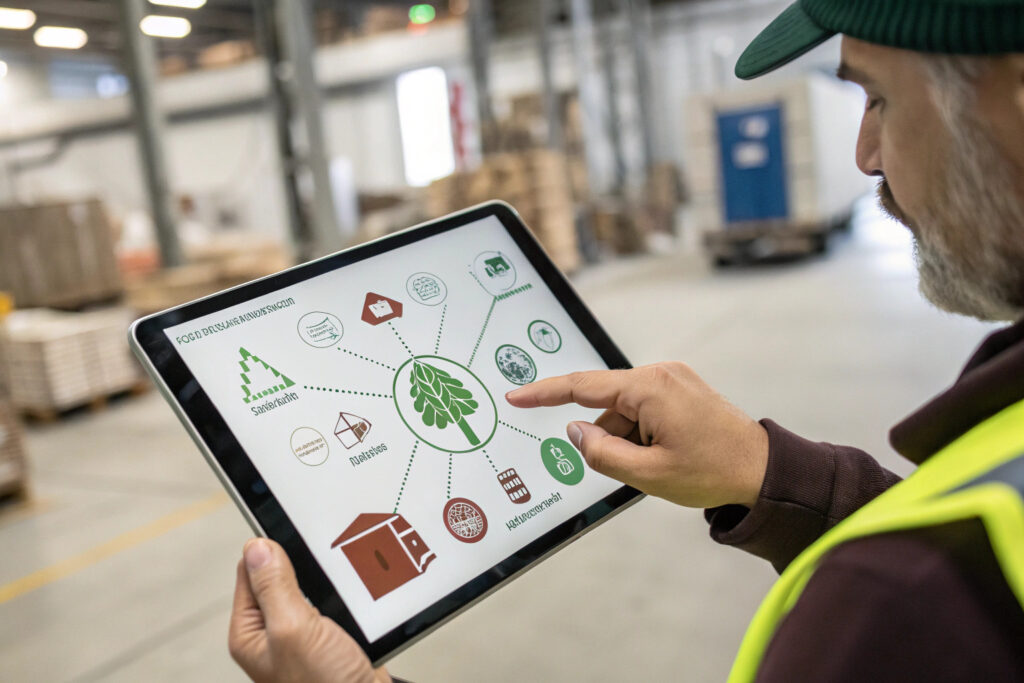
Bamboo fiber traceability works by assigning a unique digital batch identity at the bamboo forest and carrying that identity through every processing stage. The forest batch is logged with GPS coordinates and the FSC certificate number. The pulp mill links its production batch to the forest batch. The fiber spinning plant links its spinneret line output to the pulp batch. The knitting mill links its fabric roll numbers to the fiber batch. The hat factory links its cutting batch and sewing line to the fabric rolls. The QR code on the final hat aggregates all these data points.
I use a blockchain traceability platform to manage this data. My bamboo supplier, my yarn spinner, and my knitting mill all have accounts on the platform. They upload their batch data. The platform generates a digital passport for each hat.
The chain has weak links. The most common break is between the forest and the pulp mill. Bamboo from different forests gets mixed at the mill.
What Is a Fiber Forward Traceability Certificate and Why Does It Matter?
A Fiber Forward Traceability Certificate tracks the material from the raw material source forward to the finished product. It is the opposite of a recycled content certificate, which tracks backward from the finished product to the waste source. For bamboo, a forward traceability certificate starts at the bamboo forest and moves forward through each processing step.
The certificate is issued by an independent certification body. It lists the input forest batch, the output pulp batch, the input pulp batch, and the output fiber batch, and so on. The mass balance is verified at each step. The certificate proves that the bamboo in the hat came from a specific certified forest.
I require a Transaction Certificate from each link in my bamboo supply chain. The TC follows the FSC chain of custody standard. The Gen Z buyer scans the QR code and sees the TC numbers.
Can Satellite Imagery Verify Bamboo Forest Harvesting Claims?
Yes. This is the cutting edge of traceability. Some traceability platforms now integrate satellite imagery to monitor the bamboo forest in near real-time. The satellite detects changes in forest cover. If a supplier claims bamboo was harvested sustainably, the satellite imagery confirms that the forest canopy was not clear-cut.
This technology is not yet standard for bamboo headwear, but it is being piloted by major fiber producers. The Global Forest Watch platform provides public satellite data. A brand can cross-reference the supplier's claimed harvest coordinates with the satellite imagery.
I am in discussions with a satellite monitoring partner to add this layer to my traceability platform. It will provide an additional level of independent verification beyond the paper certificates.
What Role Does Social Media Play in Amplifying Traceable Headwear Trends?
A Gen Z influencer buys your bamboo beanie. They scan the QR code. The traceability page loads. It shows the bamboo forest, the processing plant, and the sewing factory. They are impressed. They film the scan. They post it. The video gets 500,000 views. Your sales spike 300% in a week. The traceability feature did the marketing for you.
Social media amplifies traceable headwear trends because traceability is a content-rich feature that performs well in short-form video formats. The act of scanning a QR code and exploring the supply chain is visually engaging. It creates a "reveal" moment that is perfect for TikTok, Instagram Reels, and YouTube Shorts. The consumer becomes the brand's unpaid auditor and promoter simultaneously.
I have a brand client who built their entire social media strategy around the QR code scan. Every video is an "unboxing and verify" format. Their engagement rate is five times the industry average.
The unboxing format has evolved. It is no longer just about the product. It is about the product's story.
How Does the "Unboxing and Verify" Trend Turn Traceability Into Viral Content?
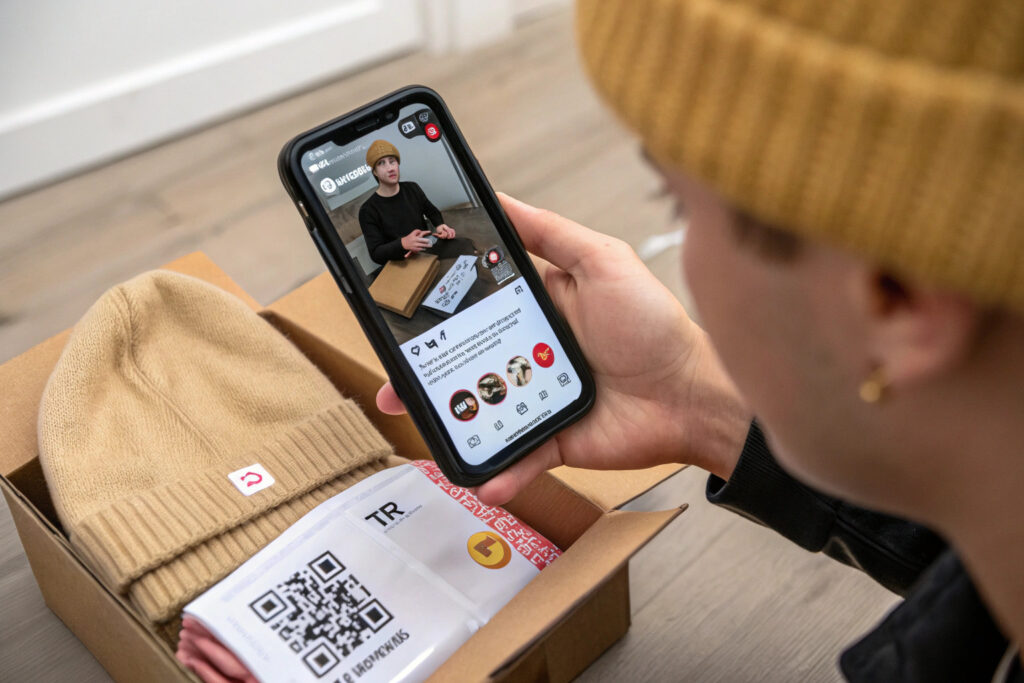
The "unboxing and verify" trend is a social media format where the creator opens a product and immediately verifies its claims using the provided traceability tools. For a bamboo beanie, the creator scans the QR code and shows the audience the supply chain data in real time.
The tension is built. "This brand claims their bamboo is from a sustainable forest. Let's see if they are lying." The QR code loads. The data appears. The creator reacts. The audience reacts in the comments. The brand is either vindicated or exposed. The format is inherently dramatic.
This trend has shifted influencer marketing from aesthetic product placement to forensic product verification. Brands that provide robust traceability are rewarded with viral positive content.
Why Do Gen Z Consumers Act as Unpaid Brand Auditors on TikTok?
Gen Z consumers audit brands because they have grown up with the tools to do so. A smartphone is a fact-checking machine. A QR code is a portal. A social media account is a broadcasting platform. The barrier to performing a brand audit is near zero.
They audit because they care. Climate anxiety and social justice values are core to this generation's identity. They audit because it generates social currency. Exposing a greenwashing brand is a status-building activity in their online community.
A Gen Z consumer who verifies your bamboo traceability and posts a positive video is more credible than your brand's own advertising. They are a trusted peer. The brand's job is to provide the verification tools and let the auditors do their work.
Conclusion
Gen Z buyers demand fully traceable bamboo fiber headwear because they have been burned by greenwashing and armed with smartphones. They do not accept vague eco-labels. They demand specific certifications: FSC for the forest, OEKO-TEX for chemical safety, and a closed-loop certificate for the fiber processing. They want a QR code that links to a blockchain record showing the bamboo's journey from forest to finished hat.
The traceability system works through a chain of digital identities and transaction certificates, from the bamboo forest GPS coordinates to the sewing line batch number. The technology is available. The cost is marginal. The marketing benefit is massive. Social media amplifies traceable products because the QR scan creates viral "unboxing and verify" content. Gen Z consumers become unpaid brand auditors and promoters.
At Global-Caps, I have invested in the traceability infrastructure for my bamboo lyocell headwear line. My bamboo is FSC-certified. My fiber is processed in a closed-loop lyocell plant. My factory is BSCI audited. The QR code on the sweatband links to the full digital passport. I provide the proof. The Gen Z buyer provides the audience.
If you want to launch a bamboo fiber headwear collection that passes the Gen Z trust test, contact my Business Director Elaine. She can send you a sample beanie with the traceability QR code and the full digital passport so you can scan it yourself. Email Elaine at elaine@fumaoclothing.com. Let's build a hat that tells the truth, verifiably.