I was sitting in a coffee shop near our factory with a buyer from a high-end cycling brand when he pulled out his phone and showed me a one-star review. The review had photos of a red, inflamed forehead with a caption that read "Loved the cap, but the sweatband gave me a chemical burn after one sweaty ride." The buyer looked at me and said, "This is my brand. One review like this undoes a thousand dollars of Facebook ads. What test do I need to make sure this never happens again?" That conversation led me to completely overhaul how we validate sweatband materials for our performance cap clients. The answer to his question is not one single test. It is a sequence of three tests that together prove a sweatband is dermatologically safe for prolonged, sweaty contact with human skin.
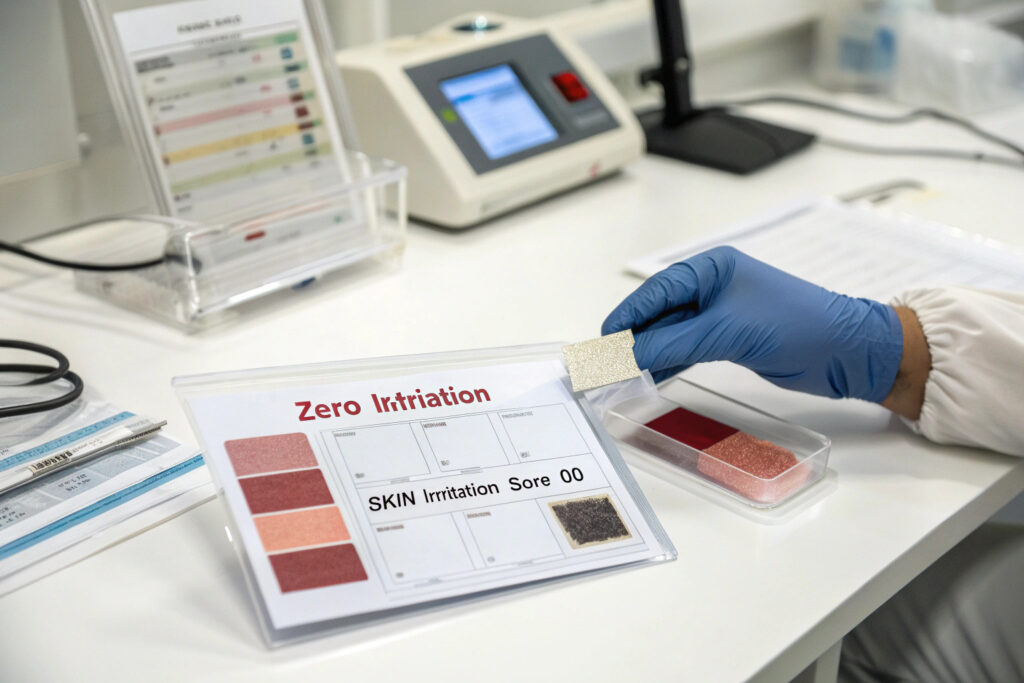
The test that definitively proves a performance cap sweatband will not cause skin irritation is the ISO 10993-10 skin irritation and skin sensitization test, conducted by an accredited medical device or cosmetic testing laboratory. This is the same biological safety test used for medical devices that contact skin for extended periods. It involves applying an extract of the sweatband material to a three-dimensional reconstructed human epidermis model or to the skin of human volunteers under controlled patch test conditions. The test measures inflammatory markers and visually scores any skin reaction over a defined period. A score of zero on the Primary Irritation Index, with no delayed sensitization reactions, is the gold standard proof that a sweatband material is non-irritating and non-sensitizing for its intended use.
But ISO 10993 is the final answer, not the whole story. Before a sweatband ever reaches that level of testing, a responsible factory runs a series of upstream tests on the raw material. Chemical screening for formaldehyde, pH testing for skin compatibility, and extractable heavy metal analysis. A performance cap worn during intense exercise creates a unique chemical exposure scenario. Heat, sweat, friction, and prolonged contact time all accelerate the migration of chemicals from the fabric into the skin. The testing must account for this high-sweat, high-friction use case, not just the standard conditions used for casual apparel.
How Does the ISO 10993-10 Skin Irritation Test Validate Sweatband Safety?
ISO 10993 is the international standard for the biological evaluation of medical devices. Part 10 of this standard covers tests for skin irritation and skin sensitization. The relevance of a medical device standard to a hat sweatband may not be immediately obvious. But the logic is direct. A performance cap sweatband is a material intended for prolonged, direct contact with human skin under conditions of heat and moisture. This is functionally similar to a wearable medical device patch or a sports brace. The skin does not distinguish between a medical product and a clothing product. It reacts to chemical irritants the same way regardless of the product category.
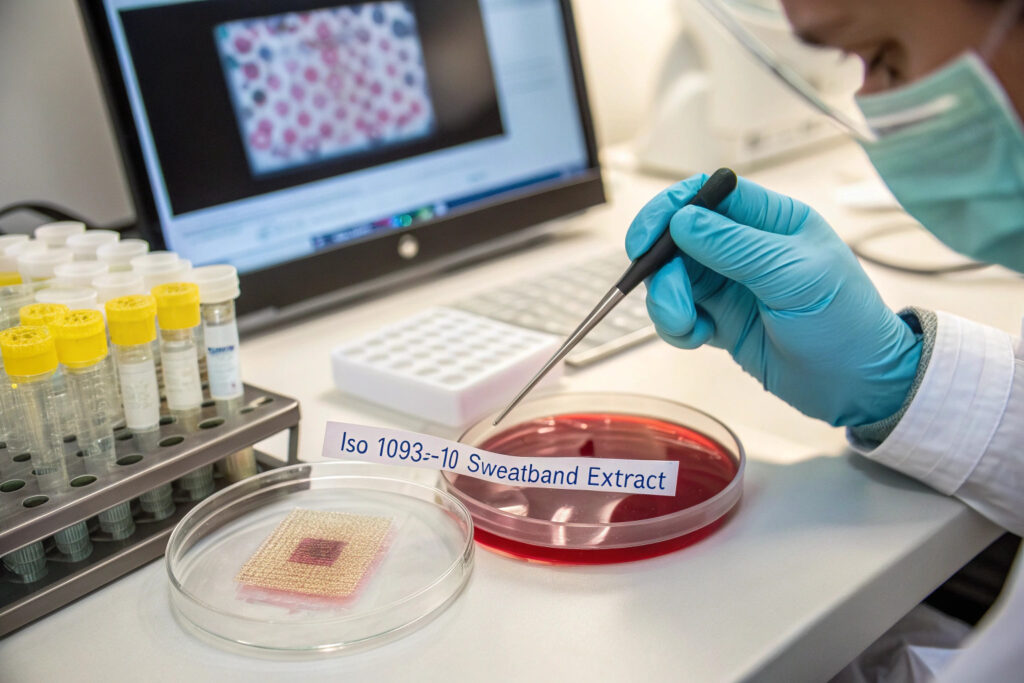
The in vitro irritation test uses reconstructed human epidermis, or RhE, models. These are living, three-dimensional tissue constructs grown from human skin cells. They mimic the structure and function of the outermost layer of human skin. A sample of the sweatband material is extracted in a saline or vegetable oil solvent to pull out any leachable chemicals. The extract is then applied to the RhE tissue and incubated for a specified period, typically 15 minutes to 24 hours depending on the protocol. After exposure, the tissue viability is measured using an MTT assay, which quantifies metabolic activity in the living cells. A viability reduction below 50 percent indicates an irritant. A viability above 50 percent, and ideally above 70 percent, classifies the material as non-irritating.
This test is predictive of real human skin response. It catches chemical irritants that a basic chemical screen might miss because it evaluates the biological effect of the complete chemical mixture leaching from the material, not just individual substances on a list. A sweatband might pass a formaldehyde test but still cause irritation from a combination of residual dye auxiliaries, spinning lubricants, and finishing softeners. The RhE model responds to the total chemical cocktail as human skin would. A ISO 10993-10 non-irritant classification is the strongest available evidence that a sweatband material is skin-compatible.
What Is a Closed Patch Test and Why Does It Matter for Performance Headwear?
The closed patch test is the in vivo, or human volunteer, version of the skin irritation test. It is often used to confirm in vitro results or to satisfy specific regulatory requirements. In a closed patch test, a small sample of the sweatband material is placed on the skin of human volunteers, usually on the upper back or inner forearm. The sample is covered with an occlusive patch that traps heat and moisture, simulating the conditions inside a performance cap during heavy exercise. The patch is left in place for 24 to 48 hours. After removal, a dermatologist evaluates the skin for redness, swelling, blistering, or other signs of irritation using a standardized scoring scale.
The closed patch test matters for performance headwear because the occlusive conditions replicate the exact scenario of a cyclist on a century ride or a tennis player in a three-set match. The sweatband is pressed tightly against the forehead skin, soaked in sweat, and held at elevated body temperature for hours. These conditions accelerate chemical leaching and skin penetration. A material that is non-irritating in a dry, brief contact scenario might cause irritation under these prolonged, occlusive, sweaty conditions. The closed patch test catches this distinction.
A key parameter in the closed patch test is the number of subjects. A test with 50 or more subjects provides statistical confidence that rare sensitization reactions will be detected. A test with 10 subjects is better than nothing but may miss low-incidence allergens. For a brand launching a high-end performance cap line, requesting a test with a robust subject pool is a worthwhile investment in liability protection.
How Does the Skin Sensitization Component Differ from the Irritation Test?
Irritation and sensitization are fundamentally different biological processes, and a single test does not cover both. Irritation is a direct, non-immunological reaction. A chemical irritant damages skin cells on contact, causing immediate inflammation. The reaction occurs on first exposure and is dose-dependent. The RhE irritation test or the 48-hour closed patch test detects irritants.
Sensitization is an allergic reaction. It involves the immune system. On first exposure to a sensitizing chemical, there may be no visible reaction. But the immune system registers the chemical as a threat and primes specialized memory cells. On subsequent exposures, even to very low concentrations, the immune system launches an aggressive inflammatory response. This is allergic contact dermatitis. It is delayed, appearing 24 to 72 hours after exposure, and it can be triggered by trace amounts of the allergen.
The sensitization test uses a repeated insult patch test method. The sweatband extract is applied to the same skin site on volunteers repeatedly over three weeks. After a rest period, a challenge patch is applied to a fresh site. A reaction at the challenge site but not at the control site indicates sensitization. A performance cap sweatband that passes both the irritation and the sensitization tests is demonstrably safe for the vast majority of users. The brand can legitimately claim "dermatologist-tested, non-irritating, and hypoallergenic" based on these results.
Why Should You Request a Formaldehyde Content Test for a Sport Cap's Sweatband?
Formaldehyde is the single most common chemical irritant in textile sweatbands. It is used in textile manufacturing as a finishing agent to create wrinkle resistance, shrink resistance, and color fastness. It is also released from certain adhesive resins used to bond multi-layer sweatband composites. When a performance cap is worn during exercise, body heat and sweat can release formaldehyde from the resin and deposit it directly onto the forehead skin. Formaldehyde is both a primary irritant and a potent sensitizer. It is one of the most frequently reported contact allergens in dermatology clinics.
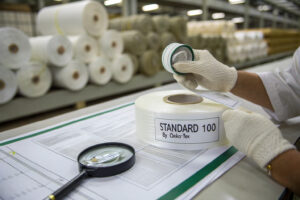
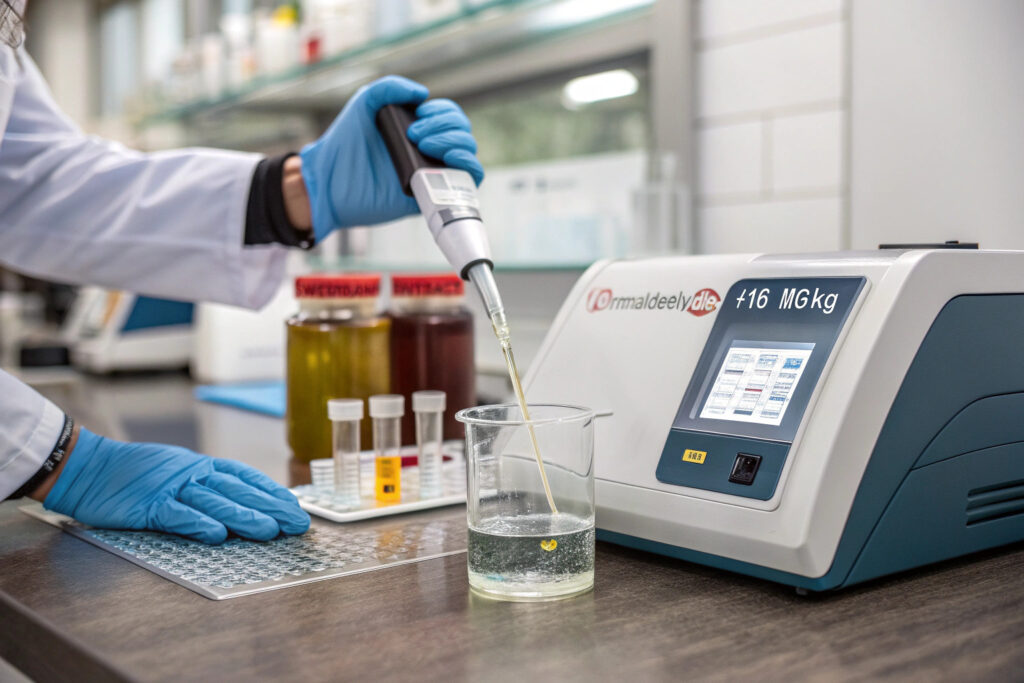
The formaldehyde content test quantifies the amount of free and releasable formaldehyde in the sweatband material. The standard test method is ISO 14184-1, which uses a water extraction followed by spectrophotometric measurement. The test result is expressed in milligrams of formaldehyde per kilogram of textile material, equivalent to parts per million. For products intended for prolonged skin contact, the OEKO-TEX Standard 100 limit for formaldehyde is 75 mg/kg for adult products and 16 mg/kg for baby products. A performance cap sweatband should ideally meet the baby product limit of less than 16 mg/kg because the sweaty, prolonged contact conditions justify the stricter threshold.
A formaldehyde test costs a modest amount, typically under a hundred dollars at an accredited textile lab. It takes a few days. The result provides a specific, quantifiable answer to the question: "Is there a known skin irritant in this sweatband at a level that could cause a reaction?" A result below 16 mg/kg is strong evidence that formaldehyde-related skin irritation is extremely unlikely. This test alone does not prove the sweatband is completely non-irritating because other chemicals could be present. But it eliminates the most likely suspect and provides a concrete data point for the brand's due diligence file.
What Is the Difference Between Free Formaldehyde and Released Formaldehyde in Textiles?
This distinction is critical for understanding test results. Free formaldehyde is the formaldehyde that is already present in the textile in its free, unbound molecular form. It is immediately available to dissolve in sweat and contact the skin. The test for free formaldehyde uses a cold water extraction that pulls out only the unbound molecules.
Released formaldehyde, also called hydrolyzable or releasable formaldehyde, is formaldehyde that is chemically bound within a resin or a finish. Under conditions of heat, moisture, and acidity, conditions present on a sweaty forehead, these chemical bonds break down and release free formaldehyde. The test for released formaldehyde uses a heated water extraction or a simulated perspiration solution that mimics the conditions of wear. The total formaldehyde content is the sum of free and released.
A sweatband might show a very low free formaldehyde result and a high released formaldehyde result. This means the material appears safe when tested under cold, dry conditions, but will release significant formaldehyde when worn by a sweating athlete. A responsible factory requests both free and released formaldehyde testing, or a total formaldehyde test using a method designed to capture both fractions. Specifying only free formaldehyde on a test request form leaves a dangerous gap in the safety assessment.
How Can a pH Test Complement the Formaldehyde Analysis for Skin Compatibility?
Human skin has a natural pH of approximately 4.7 to 5.75, slightly acidic. This acidic mantle is part of the skin's defense barrier against bacteria and fungi. A textile with a highly alkaline pH, above 8 or 9, can disrupt this acid mantle, causing dryness, irritation, and increased susceptibility to infection. Alkaline residues in textiles often come from the scouring and bleaching processes used to prepare cotton and other natural fibers for dyeing.
The pH test for textiles, specified in ISO 3071, measures the pH of an aqueous extract of the fabric. The test is simple, fast, and inexpensive. A result between 4.0 and 7.5 is considered skin-compatible, with the ideal range being close to the skin's natural pH of around 5.5. OEKO-TEX Standard 100 requires a pH between 4.0 and 7.5 for most product classes, with a tighter range of 4.0 to 6.0 for baby products.
A sweatband that passes the formaldehyde test but fails the pH test can still cause skin irritation. The alkaline residue chemically burns the skin over prolonged contact. Combining the formaldehyde test and the pH test provides a basic chemical safety screen that catches the two most common textile-related causes of contact dermatitis. For a performance cap, I recommend adding a perspiration pH test that uses an acidic sweat simulant instead of plain water. This tests how the sweatband's pH interacts with actual sweat chemistry, which can be different from its behavior in plain water.
What Role Does an Extractable Heavy Metals Analysis Play in Sweatband Testing?
Heavy metals are a less obvious but equally serious source of skin irritation and systemic toxicity in textile sweatbands. Metals like chromium, nickel, cobalt, and mercury can be present in dyes, pigment prints, metal complex dye fixatives, and contaminated water used in textile processing. Nickel is one of the most common contact allergens worldwide. A performance cap sweatband containing even trace amounts of leachable nickel can cause an allergic contact dermatitis reaction in sensitized individuals.
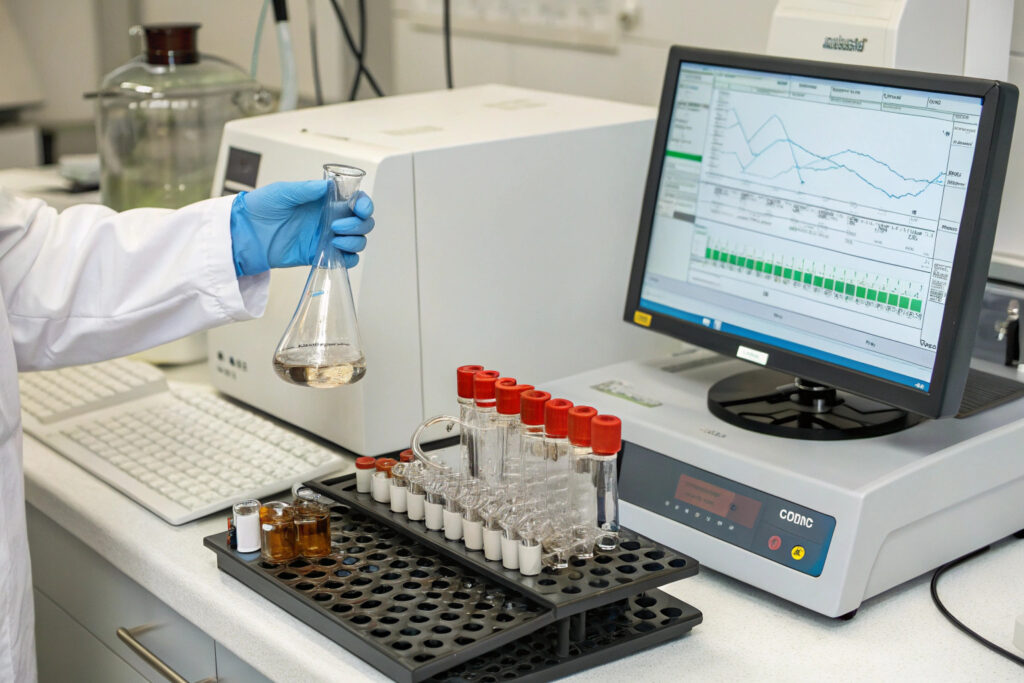
The extractable heavy metals analysis uses an acidified perspiration simulant to extract metals from the sweatband material. The simulant mimics the chemical conditions of human sweat, including its acidity and salt composition. The extraction is conducted at body temperature for a specified period. The resulting solution is analyzed using Inductively Coupled Plasma Optical Emission Spectrometry, or ICP-OES, or a similar technique that can detect multiple metals simultaneously at very low concentrations, typically parts per million or parts per billion.
The test report lists the concentration of each regulated metal in the extract. These concentrations are compared against the limits set by OEKO-TEX Standard 100 or the relevant regulatory standard. For antimony, arsenic, lead, cadmium, chromium, cobalt, copper, nickel, and mercury, specific migration limits are defined. A sweatband that reports "not detected" or results below the limit for all regulated metals provides strong evidence that metal-related skin reactions are unlikely.
This analysis is particularly important for sweatbands with metallic elements, such as those with silver ion antimicrobial treatments. Silver is an effective odor-control agent, but if the silver is not properly bound to the fiber matrix, it can leach onto the skin and cause argyria, a permanent blue-grey skin discoloration, or act as a sensitizer. The extractable analysis verifies that the antimicrobial treatment is stable and will not migrate onto the wearer's skin.
Why Is a Perspiration Simulant Extraction More Relevant Than a Water Extraction?
Water extraction tests what dissolves in plain water. This is useful for products that will be washed or that encounter rain. Performance headwear encounters sweat, not water. Sweat is chemically more aggressive than water. It contains sodium chloride, lactic acid, urea, and other compounds. Its pH is slightly acidic, typically between 4.5 and 6.5. This acidity can dissolve metals and other chemicals that plain water cannot.
A perspiration simulant extraction uses a standardized solution that replicates the chemical composition and pH of human sweat. The ISO 105-E04 standard defines an acidic simulant and an alkaline simulant. For heavy metals testing of performance headwear, the acidic simulant is the most relevant because it replicates the conditions of an exercising wearer. A sweatband that shows low metal extraction in water but high extraction in acidic perspiration simulant is a hidden skin irritation risk. The real-world exposure is the perspiration extraction, not the water extraction.
Requesting the perspiration simulant method on the test specification sheet is a detail that separates a thorough due diligence process from a superficial one. The test costs a similar amount. The information it provides is significantly more relevant to the actual use case of a performance cap.
How Do I Interpret an ICP-OES Test Report for a Fabric Sweatband Sample?
The ICP-OES test report will list elements in the left column and numerical results in the right columns, typically with units of milligrams per kilogram, equivalent to parts per million. For each element, the report will show the detected concentration and the method detection limit. A result reported as "< MDL" or "not detected" means the element was not present at a concentration above the instrument's detection capability. This is a clean result.
A result with a numerical value must be compared against a regulatory limit. OEKO-TEX Standard 100 Annex 4 provides the most commonly referenced limits for extractable heavy metals in textiles. For an adult performance cap, the applicable limits include antimony at 30.0 mg/kg, arsenic at 1.0 mg/kg, lead at 1.0 mg/kg, cadmium at 0.1 mg/kg, chromium at 2.0 mg/kg, cobalt at 4.0 mg/kg, copper at 50.0 mg/kg, nickel at 4.0 mg/kg, and mercury at 0.02 mg/kg. If all results are well below these limits, the sweatband passes the heavy metals screen.
A finding of elevated nickel, above 1.0 mg/kg, should trigger a deeper investigation. Nickel is a potent allergen, and sensitized individuals can react to extremely low concentrations. If the sweatband material or any of its component dyes were processed with nickel-containing equipment or catalysts, cross-contamination is possible. A nickel allergy is a common and persistent condition. A performance cap brand that can demonstrate a "nickel-free" or "nickel below detection limit" test result has a strong marketing claim for the allergic consumer segment.
How Can a Brand Use a Skin Irritation Test Pass as a Marketing Asset?
A passed skin irritation test is not just a compliance document to file away. It is a powerful marketing asset that directly addresses a consumer pain point. Many people, particularly those with sensitive skin, eczema, or contact allergies, struggle to find headwear they can wear comfortably during exercise. They have experienced the red, itchy forehead rash. They are actively searching for products that will not cause this reaction. A brand that clearly communicates dermatological testing captures this underserved market segment.
The marketing claim must be specific and substantiated. A vague claim like "skin-friendly" is meaningless and does not differentiate the product. A specific claim like "Dermatologically tested, ISO 10993-10 certified non-irritating" or "Clinically proven non-irritating in a 48-hour closed patch test on 50 volunteers" is powerful because it cites a specific test, a specific standard, and in the latter case, a specific number of subjects. The specificity creates credibility. Competitors making vague claims appear less trustworthy by comparison.
The test results can be integrated into the product page, the hangtag, the social media content, and the wholesale sales materials. A dedicated "Our Testing Standards" page on the brand's website provides a home for the test report summaries and a plain-language explanation of what the tests mean. This page serves as a resource for consumers who research products carefully and for wholesale buyers who need to present due diligence to their own customers.
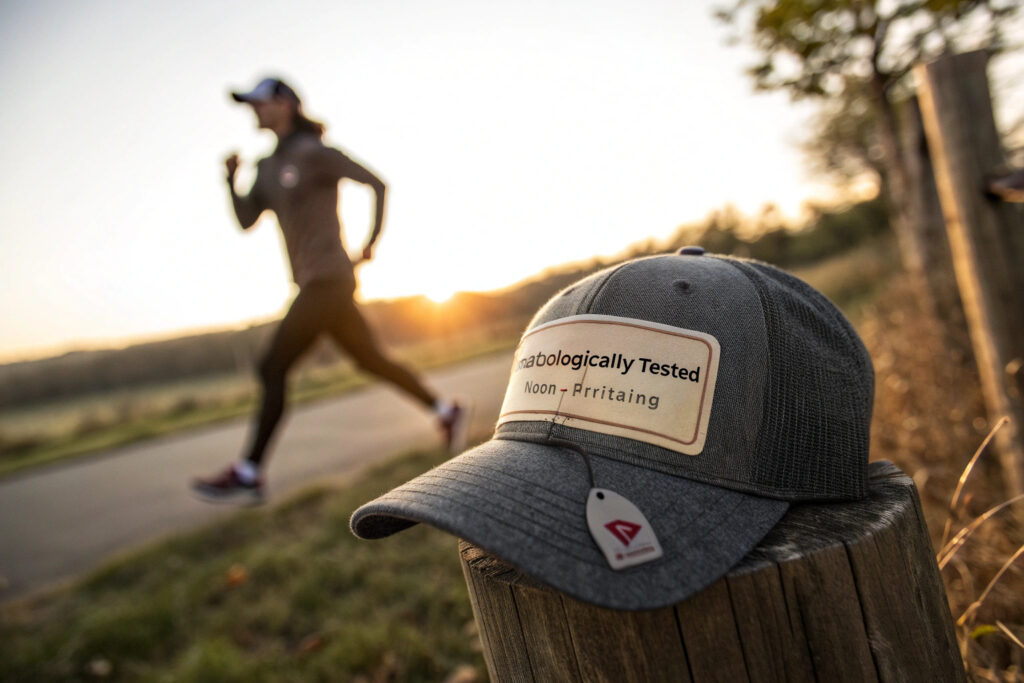
The visual representation of testing is also valuable. A photo of the sweatband material mounted in a laboratory apparatus, a microscope image of the fabric structure, or a short video of a lab technician performing the test creates engaging content that communicates rigor and transparency. This type of content performs well on platforms where educated, health-conscious consumers gather.
What Specific Claims Can I Legally Make After Passing ISO 10993-10?
The legal claims available depend on the jurisdiction and the specific test results. In general, passing ISO 10993-10 skin irritation and skin sensitization tests supports the following types of claims.
"Dermatologically tested" is a widely used and accepted claim that indicates the product has undergone skin compatibility testing. It should be accompanied by a qualifier such as "non-irritating" or "safe for sensitive skin" if the test results support those qualifiers.
"Clinically proven non-irritating" is a stronger claim that requires the test to have been conducted on human volunteers under controlled clinical conditions, not just on in vitro tissue models. The claim should specify the test method and the number of subjects if space allows.
"Hypoallergenic" is a term with no legal definition in the United States for cosmetics and textiles, but it is generally understood to mean that the product is less likely to cause allergic reactions. Passing the sensitization test provides a scientific basis for this claim. However, the brand should add a disclaimer that no product can guarantee zero allergic reactions in all individuals.
"Suitable for sensitive skin" is a consumer-friendly claim supported by a non-irritant test result. It addresses the search intent of consumers who filter products by "for sensitive skin."
"Free from formaldehyde, heavy metals, and known skin irritants" is a factual claim that can be made if the corresponding chemical tests have been passed. The claim must be true and substantiated by the test reports. All claims should be reviewed by legal counsel familiar with textile labeling regulations in the brand's target markets. The FTC Green Guides and similar advertising standards provide guidance on substantiating product claims.
How Can I Create a "Skin Safe Certified" Badge for My Brand's Hat Collection?
Creating a proprietary badge is a way to standardize the safety message across products and build brand equity. The badge should be visually simple, memorable, and connected to the underlying testing standard. A shield or checkmark icon paired with a short phrase like "Skin Safe Tested" or "DermTest Certified" can work.
The badge design must not infringe on existing certification marks. Do not copy the OEKO-TEX logo or the ISO logo. Create an original design. The badge should appear consistently on product pages, hangtags, and marketing materials. A small text disclosure near the badge, such as "Sweatband material tested to ISO 10993-10. See our Testing Standards page for details," provides transparency and protects against claims of misleading advertising.
The badge creates a visual shorthand. A consumer who buys one hat in the collection and has a positive, irritation-free experience will look for the badge when purchasing the next hat. The badge becomes a trust signal that reduces purchase anxiety. Over time, it can become a recognized quality mark within the brand's niche.
Conclusion
Proving that a performance cap sweatband will not cause skin irritation requires a layered testing approach. No single test answers the question completely. Chemical screening for formaldehyde and pH establishes that the most common irritants are absent. Extractable heavy metals analysis verifies that the dyes and finishing agents are clean. And the ISO 10993-10 biological evaluation provides the definitive proof that the complete sweatband material, with all its component chemicals interacting together, does not irritate or sensitize living human skin tissue.
This testing sequence moves from the specific to the systemic, from the chemical to the biological. A formaldehyde test might clear one suspect chemical. A heavy metals panel might clear another. But the RhE tissue model or the human patch test catches the unknown interactions between residual auxiliaries, the combined effect of multiple low-level chemicals, and the physical irritation potential of the fabric structure itself. This is the test that answers the cyclist's inflamed forehead with a data-backed "this will not happen with our cap."
At Global-Caps, we have integrated this testing cascade into our development process for performance headwear. We do not wait for a buyer to request skin irritation testing. We conduct it proactively on our core sweatband materials and maintain current test reports from accredited ISO 17025 laboratories. Our material library includes pre-tested, skin-safe sweatband options that brands can select with confidence.
If your brand is developing a performance cap line and needs documented proof of skin compatibility for your sweatband materials, our team can support you. We can provide existing test reports for our standard skin-safe materials or coordinate new testing for custom sweatband developments. Contact our Business Director Elaine. She can walk you through our testing documentation, explain which tests are most relevant to your target market's regulatory environment, and help you build a product that performs on the trail and protects the skin beneath it. Reach her at elaine@fumaoclothing.com.