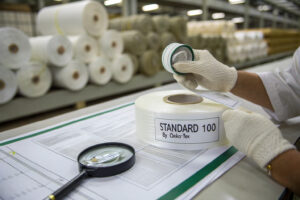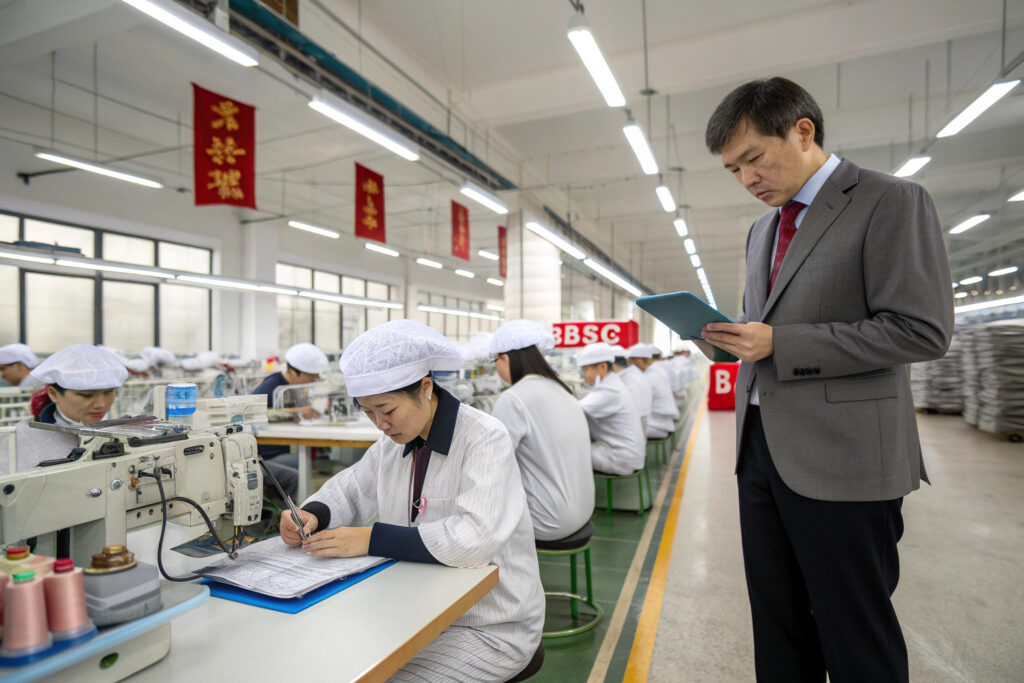
You place a first order with a new factory. The caps arrive on time. The quality is good. You place a second order, larger this time. The factory delays. The quality is inconsistent. The project manager who handled your first order has left the company. The factory owner is negotiating a separate deal and has deprioritized your order. You realize the first order's success was dependent on a single person and a favorable moment. The factory has no system to guarantee repeat performance. The first order was a date. The repeat order is a marriage. The factory is not built for marriage.
A BSCI audited hat factory is more reliable for repeat bulk orders because the BSCI audit imposes a structured management system that reduces dependency on individual employees, enforces stable labor practices that minimize worker turnover, and requires documented processes that ensure consistent output across multiple production cycles. The BSCI standard audits 13 performance areas including social management, workers' involvement, fair remuneration, decent working hours, occupational health and safety, and no child labor. A factory that passes a BSCI audit has demonstrated that it operates on systems, not on personalities. The project manager who handled your first order is supported by a documented process. If they leave, the process remains. The factory owner cannot arbitrarily deprioritize your order because the production planning system is audited.
At Global-Caps, my BSCI audit is current. My audit grade is B. The audit report is available to every client. The systems that the audit verified—production planning, worker training, quality management—are the same systems that make my repeat orders consistent. The BSCI certificate is not a wall decoration. It is a reliability guarantee.
What Is a BSCI Audit and What Does It Verify in a Hat Factory?
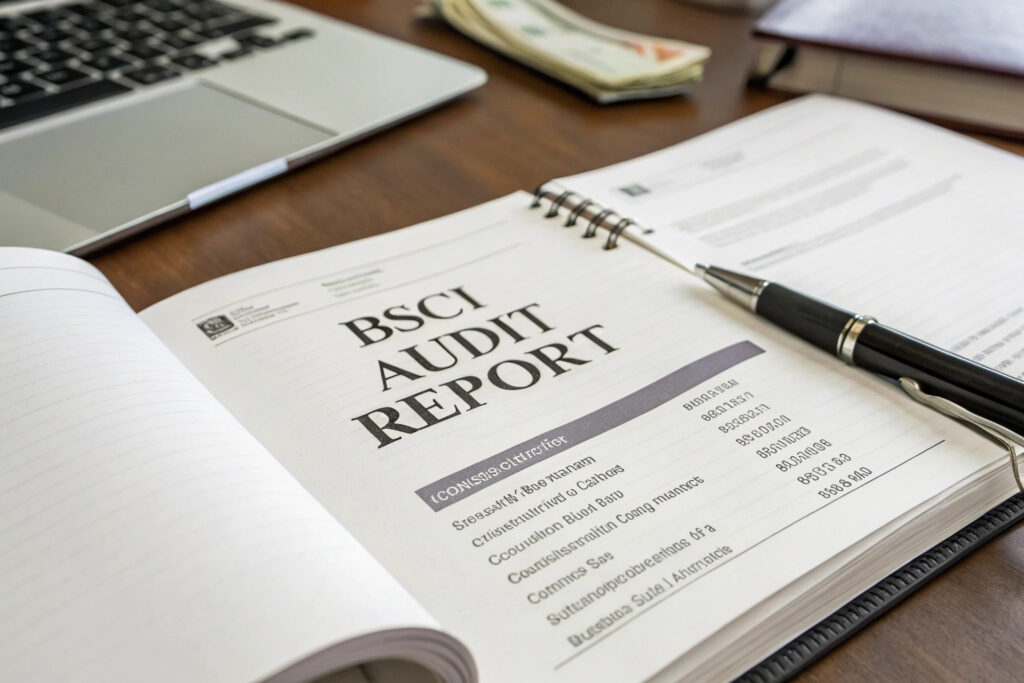
You hear "BSCI" and think it is another certificate on the wall. You assume the auditor walked through the factory, checked some boxes, and issued a paper. You are wrong. A BSCI audit is a two-day, deep-dive examination of the factory's management systems, employment practices, and working conditions. The auditor reviews payroll records, interviews workers privately, inspects the dormitory if provided, checks the fire safety equipment, verifies the chemical storage, and traces the production planning system. The audit is not a walkthrough. It is an interrogation of the factory's social performance.
A BSCI audit verifies 13 performance areas in a hat factory. The audit checks that the factory has a social management system with documented policies and a responsible manager. It verifies that workers are involved in decisions affecting their working conditions. It checks that freedom of association and collective bargaining are respected. It verifies no discrimination in hiring, promotion, or compensation. It checks that wages meet the legal minimum and are paid on time. It verifies that working hours do not exceed 60 per week and that overtime is voluntary and compensated. It inspects occupational health and safety conditions. It verifies no child labor, no forced labor, and ethical business behavior.
My BSCI audit report is shared with every client. The report shows the audit date, the grade, and the corrective action plan for any non-conformities.
The worker interview is the most powerful verification tool in the BSCI audit. It bypasses management's prepared presentation.
How Does the BSCI Worker Interview Verify Employment Conditions?
The BSCI auditor conducts private, confidential interviews with a randomly selected group of workers. The interviews take place in a private room without management present. The auditor asks about working hours, wages, overtime payment, breaks, treatment by supervisors, freedom to leave the factory, and whether the worker has experienced discrimination or harassment.
The auditor cross-references the interview responses with the payroll records and the time attendance data. If the payroll shows 40 hours but the worker reports 60 hours, the auditor investigates the discrepancy. The worker interviews are the reality check against the paper documentation.
My worker interview protocol is supported by a factory culture where workers feel safe speaking to auditors. I have nothing to hide.
Why Are Payroll and Attendance Records Cross-Checked in a BSCI Audit?
Payroll and attendance records are the documentary evidence of fair remuneration and decent working hours. The auditor checks that the wages paid match the attendance records, that overtime is paid at the legally required premium rate, that deductions are lawful, and that the worker receives a payslip.
A factory can present a clean payroll and a separate, hidden attendance record. The auditor checks for consistency between the electronic punch-in data, the handwritten production logs, and the payroll. Inconsistency indicates a double-book system and is a major non-conformity.
My payroll and attendance system is a single, integrated digital system. The auditor accesses the raw data directly. There is no second set of books.
How Does BSCI Certification Reduce Worker Turnover in Hat Factories?
You place a repeat order. The factory assigns a new sewing team. The quality is different from the first order. The stitching is inconsistent. The embroidery placement drifts. You ask why. The factory's skilled operators left. They were replaced by new hires with less experience. The factory's worker turnover is 50 percent per year. Every six months, half the workforce is new. Your repeat order was sewn by a different set of hands than your first order. The hands change. The quality changes with them.
BSCI certification reduces worker turnover in hat factories by mandating fair wages, decent working hours, safe working conditions, and respectful treatment—the factors that determine whether a skilled sewing operator stays or leaves. A factory that pays minimum wage, demands excessive overtime, and provides an unsafe, disrespectful environment will lose its best workers to factories that offer better conditions. A BSCI audited factory has been verified to meet acceptable standards on all these dimensions. Workers stay. Skilled operators accumulate years of experience. The hands that sew your first order sew your repeat order.
My worker retention rate is over 85 percent annually. The average tenure of my sewing line operators is six years. The quality consistency comes from the stability of the workforce.
Skilled sewing operators are the most valuable asset in a hat factory. Their experience cannot be replaced by a machine.
Why Does Operator Experience Level Directly Impact Repeat Order Quality?
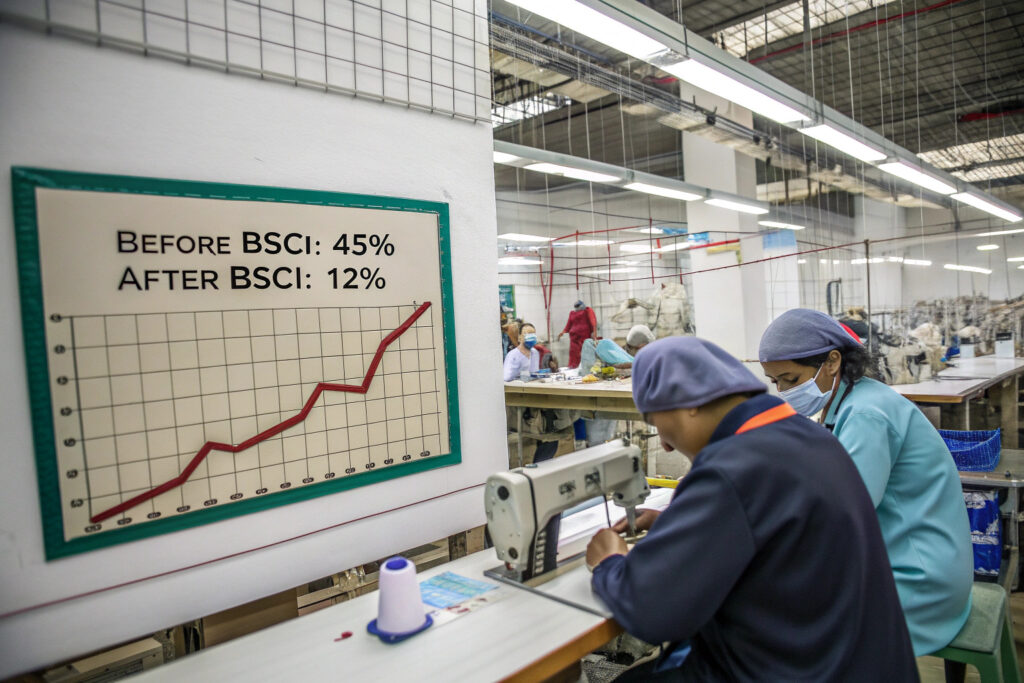
A skilled sewing operator with five years of experience sews a cap crown with consistent seam allowances, even stitch tension, and correct visor attachment. The operator's hands have sewn thousands of caps. The muscle memory is developed. The quality is automatic.
A new operator with three months of experience is still learning. The seam allowance varies. The stitch tension drifts. The visor attachment angle is slightly off. The quality is inconsistent. The new operator's caps require more QC inspection and more rework.
My operator training program certifies operators at three skill levels. Repeat orders are assigned to operators with the appropriate certification for the product complexity.
How Do Excessive Overtime and Poor Conditions Lead to Production Errors?
Excessive overtime causes physical and mental fatigue. A sewing operator working a 70-hour week loses concentration. The stitch quality degrades. The error rate increases. A fatigued operator makes mistakes that a rested operator does not. The mistakes result in rework, waste, and delayed shipments.
Poor working conditions—inadequate lighting, poor ventilation, uncomfortable seating—compound the fatigue. The operator is fighting the environment and the clock. The product suffers.
My working hours policy caps overtime at the BSCI limit of 60 total hours per week. The production schedule is planned to meet deadlines without excessive overtime.
What Role Does Production Planning Play in BSCI Compliance?
You place a repeat order. The factory confirms a delivery date. The date passes. The caps are not ready. You ask why. The factory accepted too many orders. The production schedule is overloaded. Your order is delayed because the factory cannot say no to new business. The production planning system is a whiteboard with names scribbled in marker. There is no capacity management. There is no priority system. The delivery date you were given was hope, not a plan.
BSCI compliance requires a factory to have a documented production planning system that manages order capacity, allocates machine and labor resources, and ensures that delivery commitments are met without exceeding the legal working hour limits. A factory that routinely exceeds the 60-hour weekly limit to meet deadlines will fail a BSCI audit. The production planning system must balance the order book against the available capacity. A factory with a BSCI-verified production planning system cannot overbook and then force overtime to catch up. The system enforces realistic delivery commitments.
My production planning system is a digital ERP platform. The capacity is calculated based on machine hours and labor hours. An order is only confirmed when the capacity is allocated.
The order book transparency is a direct benefit of a BSCI-compliant production planning system.

How Does a BSCI-Compliant Factory Manage Order Backlogs Without Overworking Staff?
A BSCI-compliant factory manages order backlogs by limiting order intake to the available production capacity. When the capacity is full, the factory communicates realistic lead times to new orders or declines the order. The factory does not accept an order and then force overtime to meet an unrealistic deadline.
If an unexpected delay occurs—a material shortage, a machine breakdown—the factory communicates the revised delivery date to the client and adjusts the production schedule within the working hour limits. The factory does not silently absorb the delay and then demand weekend work to catch up.
My order intake policy caps the monthly order volume at 80 percent of theoretical capacity in peak season. The 20 percent buffer absorbs delays.
Why Is a Documented Production Schedule a Sign of a Reliable Supplier?
A documented production schedule shows the client exactly when their order will be cut, sewn, finished, inspected, and shipped. The schedule is a commitment, not an estimate. The factory that provides a documented schedule is confident in its planning system. The factory that refuses to provide a schedule is managing production reactively. The reactive factory will deliver when it delivers. The planned factory will deliver when it promised.
My client production schedule is shared at the order confirmation stage. The schedule is updated weekly. The client knows the status of every milestone.
How Does a BSCI Audit Grade Predict Performance on Repeat Orders?
You receive a BSCI audit report. The grade is "C." You are not sure if this is good or bad. You accept it. You place a repeat order. The factory's C grade was driven by non-conformities in working hours and occupational safety. The working hours violation means the factory overbooks and forces overtime. Your repeat order arrives late. The C grade predicted the delay. The audit grade is a performance forecast.
A BSCI audit grade predicts performance on repeat orders. An "A" or "B" grade indicates a factory with a mature social management system, stable workforce, and reliable production planning. A "C" grade indicates a factory with gaps that may affect delivery reliability and quality consistency. A "D" or "E" grade indicates systemic failures that make the factory a high risk for repeat orders. The grade is a summary of the factory's operational maturity.
My BSCI grade is B. The audit found minor non-conformities that were corrected within 90 days. The corrective action plan is documented and verified.
A "B" grade is the most common grade for a well-managed factory. An "A" grade is rare due to the stringent living wage requirement.

What Do the BSCI Grades A, B, C, D, and E Mean for a Buyer?
Grade A means the factory meets all BSCI requirements at a very good level. The living wage requirement is met. This is rare. Grade B means the factory is mostly compliant with minor non-conformities that are being addressed. The factory is reliable. Grade C means the factory has significant non-conformities in areas such as working hours, wages, or safety. The corrective action plan is substantial. The factory may struggle with delivery reliability. Grade D means the factory has major non-conformities. The factory is a high risk. Grade E means the factory is non-compliant. The buyer should not place orders.
A buyer should require a minimum of a C grade, with a preference for a B grade or higher for repeat bulk orders.
My audit grade is reviewed annually. The grade is available on the Amfori platform for verified buyers.
How Does the Corrective Action Plan Process Improve the Factory for Future Orders?
The corrective action plan is a documented list of the non-conformities found during the audit and the specific actions the factory will take to correct them. Each action has a responsible person and a deadline. The certification body verifies the completion of the corrective actions.
A factory that completes its corrective action plan has improved its management systems, its working conditions, and its production reliability. The next audit will reflect the improvements. The factory that treats the CAP as a compliance exercise improves minimally. The factory that treats the CAP as a management improvement tool becomes more reliable.
My corrective action plan from the last audit had three minor non-conformities. All were corrected within 60 days. The improvements were verified.
Conclusion
A BSCI audited hat factory is more reliable for repeat bulk orders because the audit verifies that the factory operates on systems, not personalities. The social management system, the production planning process, the worker training program, and the quality management procedures are documented, audited, and continuously improved. The project manager who handled the first order is supported by a system. If they leave, the system remains.
BSCI certification reduces worker turnover by mandating fair wages, decent hours, and safe conditions. A stable, experienced workforce produces consistent quality across multiple production cycles. The hands that sew the first order sew the repeat order. The production planning system balances capacity against orders to ensure delivery commitments are met without excessive overtime.
The BSCI audit grade—A, B, C, D, or E—is a predictive indicator of reliability. A B grade or higher indicates a mature, well-managed factory. The corrective action plan drives continuous improvement. The factory becomes more reliable with each audit cycle.
At Global-Caps, my BSCI audit is a reflection of my operational philosophy. I invest in my workers. I plan my production. I document my processes. I meet my commitments. The audit report is the evidence. The repeat order consistency is the result.
If you need a BSCI audited hat factory that delivers consistent quality and on-time delivery for your repeat bulk orders, contact my Business Director Elaine. She can provide our current BSCI audit report, our audit grade, and a reference list of clients who have scaled their orders with us. Email Elaine at elaine@fumaoclothing.com. Let's build a reliable, long-term supply partnership.