You have been sourcing accessories for years. You find a supplier who shows you a catalog packed with t-shirts, hoodies, tote bags, and a few caps in the back. The price looks okay. You order samples of a 6-panel structured dad cap. It comes back with a crooked brim, a lumpy seam, and an embroidery logo that puckers the front panel. The factory is apologetic. They promise to fix it. The second sample is better, but still not right. You have now burned three weeks on a product that is clearly not their priority. The problem is not the factory's effort. The problem is their attention is split across ten different product categories, and caps are just a small sideshow for them.
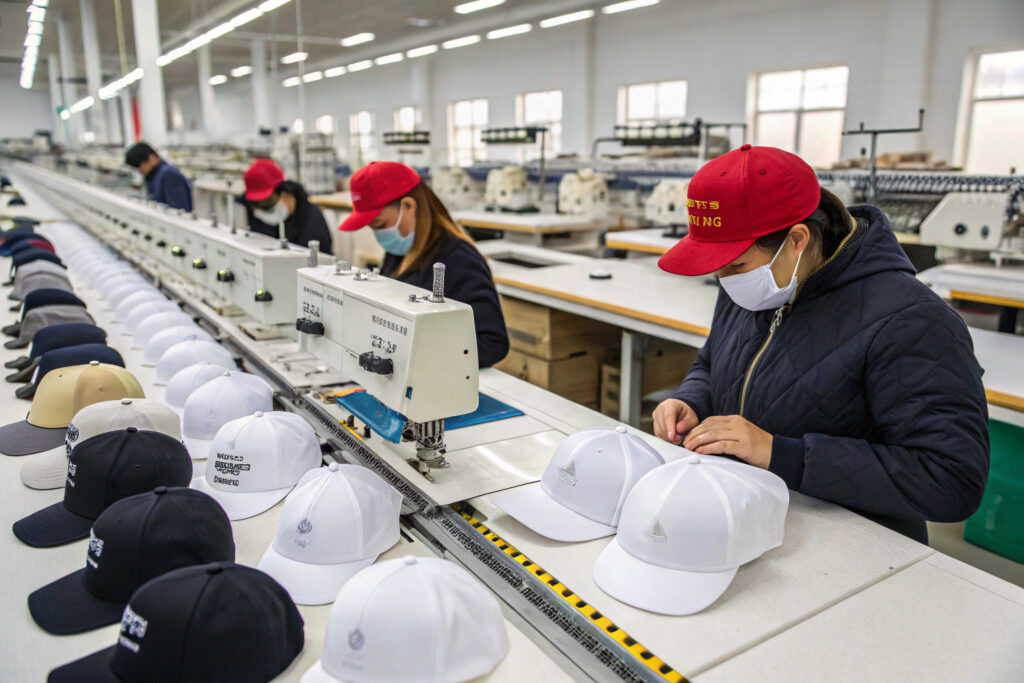
When you choose a factory that makes only headwear, you are not just buying hats. You are buying a closed-loop ecosystem where every single process, every machine, every supply chain relationship, and every technician's career has been focused on solving the unique challenges of covering a human head. I run Global-Caps, and we have never sewn a t-shirt. We have never printed a tote bag. We wake up thinking about brim curves, sweatband moisture-wicking performance, and the exact angle a needle should pierce a five-panel cap seam. In this article, I will explain why specialization matters more than the price per unit when you look at the true cost of quality, development speed, and supply chain risk.
Why Is Specialized Headwear Manufacturing More Cost-Effective Than General Factories?
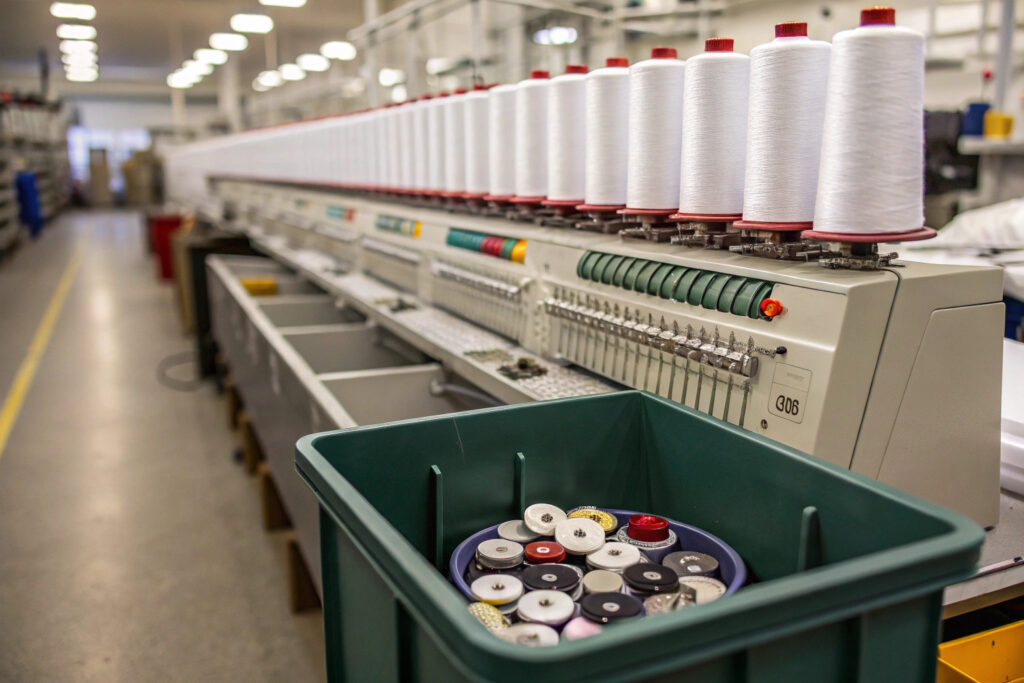
A common mistake buyers make is equating a low unit price with cost-effectiveness. A general garment factory might offer a baseball cap at $0.50 less per piece. But specialized headwear factories are often more cost-effective in the long run, even with a slightly higher ex-works price. This is because specialization drives down hidden costs. A specialized factory buys raw materials in massive bulk. We purchase sweatbands by the kilometer, brim inserts by the container load, and specific embroidery backing by the ton. A general factory buys these trims in small lots for a single order, paying a premium to their local market. That premium either eats into their margin or forces them to use a cheaper, thinner sweatband that curls after three washes.
The real savings of specialization appear in the production line efficiency. Our sewing lines are set up with dedicated jigs and folder attachments that are bolted to the machines for specific headwear operations. A general factory changes the setup of their machines between t-shirt runs and cap runs. This changeover time is wasted money. Because we never change over, our operators develop muscle memory for cap operations. They can attach a sweatband to a cap crown in seconds, blindfolded. This speed translates into more consistent quality and fewer rejects. A general factory operator who sewed a sleeve yesterday and a cap brim today will never achieve that rhythm. Fewer rejects mean fewer remakes, which means your order is more likely to ship complete and on time. Late shipments and short-shipped cartons are massive hidden costs that a cheap unit price can never compensate for.
How Does Material Bulk Purchasing Reduce Your Final Cost?
Think about the metal buckle on the back of a snapback cap. A specialized headwear factory consumes millions of these buckles a year. We do not buy them from a middleman. We work directly with the metal foundry, and we order in batches of 500,000 units or more. This gives us a raw component cost that a general garment factory cannot touch. They have to buy 5,000 buckles from a distributor, which costs significantly more per piece. This cost difference either gets passed on to you or, worse, the factory substitutes a cheaper buckle that has rough edges, inconsistent snap tension, or a finish that flakes off.
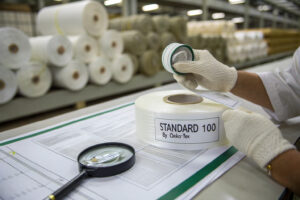
The same principle applies to the interfacing inside the front panels of a structured cap. We use a specific weight of buckram that we import in full container loads. It is consistent from batch to batch. A general factory might run out of the good buckram halfway through your order and buy a substitute locally. The substitute might be slightly thicker, causing the embroidery needle to deflect. It might be slightly thinner, causing the crown to collapse during shipping. These invisible material switches happen all the time in non-specialized factories because they do not have the storage space or the cash flow to stockpile headwear-specific trims. They buy hand-to-mouth, and your order is at the mercy of that week's local trim market.
How Do Dedicated Machinery and Jigs Lower Labor Costs?
Labor is the biggest variable in apparel costing. Specialized factories reduce the skill level required for complex operations by using purpose-built jigs. For instance, the operation of joining the crown panels of a 6-panel cap with a perfectly centered seam is tricky freehand. In our factory, we use a pre-folded seam guide and a needle positioning system that automatically back-tacks and trims the thread. The operator simply aligns the notches and presses a pedal. The machine does the precision work.
This means we can train a new operator to a high standard in two weeks instead of two months. It also means the output per operator per hour is far higher. The labor cost per unit goes down, not because we pay our workers less, but because they produce more good units in the same amount of time. When you visit a general factory and watch them make caps, you will see operators using a lot of manual handling, folding with their fingers, and moving the material around. When you see a specialized cap factory, the operation looks deceptively simple. The operator is almost just feeding material, and the machine guides and folds everything. That simplicity is expensive to engineer but cheap to run. It directly protects your order's consistency and your landed cost.
How Does Headwear Specialization Accelerate New Product Development?
Speed to market is the single most powerful weapon a brand has against trends. You spot a new bucket hat silhouette on a runway or on social media. You need a sample in your hand in five days, not three weeks. A general factory that also makes jackets and bags treats a hat sample as a distraction. They have one pattern maker who does everything. That person might be working on a complex puffer jacket pattern when your urgent hat request comes in. Your project goes into a queue, and you wait. A specialized headwear factory has a dedicated sample room that runs like an emergency room. We triage new development requests and can turn a concept sketch into a physical, wearable sample in 48 to 72 hours because that is all we do.
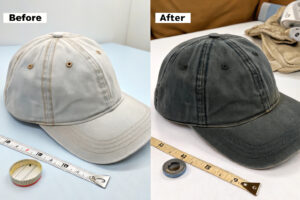
At Global-Caps, our in-house design and pattern team only thinks about headwear construction. They have a physical library of thousands of past hat patterns, graded for different sizes and fabrics. If you ask for a "fisherman bucket with a shorter brim in washed canvas," our pattern maker doesn't start from zero. They pull a base block from the archive, modify the brim width in the CAD software, and plot the new pattern in minutes. They know that a washed canvas will shrink by 3% after washing, so they automatically scale the pattern up by that factor. A general factory pattern maker might not know that, and your sample will come back too small after the wash. This deep, narrow knowledge base is a development superpower that gives our clients a significant lead time advantage over their competitors.
What Is the Value of a Dedicated Headwear Materials Library?
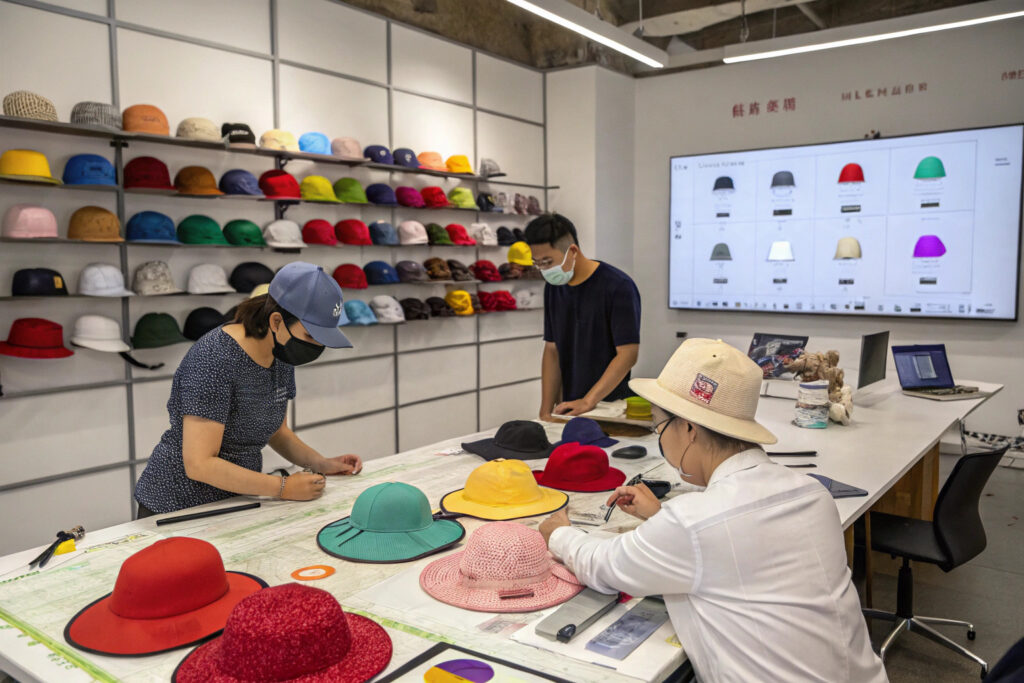
A specialized factory invests in a materials library that a general factory would consider excessive. We have hundreds of active fabric qualities in our library, from performance moisture-wicking polyester mesh to organic brushed cotton twill, from paper straw braids to recycled PET felt. Each swatch is cataloged with its stretch factor, shrinkage rate, and suitability for different construction methods. When you send a new inquiry, our development team can immediately suggest three or four materials that will drape correctly for your specific hat style.
A general factory will often steer you toward whatever fabric they have excess stock of, or whatever their local fabric market has available that week. They are not curating a headwear-specific palette. This means you might end up making a bucket hat out of a shirting poplin that is too crisp and won't hold the brim curve. Or you might make a dad cap out of a fleece that is too thick for the crown seam, creating a bulky, unflattering ridge. The materials library in a headwear specialist acts as a pre-filter. It prevents material-driven design failures before they happen, saving weeks of back-and-forth sampling iterations.
How Does Rapid Prototyping With In-House Embroidery Change Timelines?
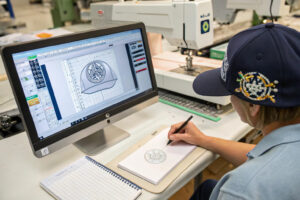
Embroidery is often the bottleneck in hat sampling. An outsourced digitizing and embroidery process can take a week or more. In a specialized headwear factory, the embroidery machines are in the same building as the sample sewing line. Our digitizer can program a logo file in the morning, run a sew-out on a piece of the exact cap fabric by lunchtime, and have it ready for attachment to the sample crown by the afternoon. This tight integration means we can present a complete, fully embellished sample in the time it takes a non-specialized factory to just get the digitizing file back from an external service.
This speed compounds when you are developing a range. If you are launching a six-style collection, each with its own embroidery, the timeline advantage of in-house, dedicated resources becomes enormous. You might save two to three weeks on the entire sampling phase. In the fashion business, getting your samples to your sales team or your buyers two weeks earlier can mean the difference between a sold-out order book and a season of missed opportunities. That time value far outweighs any marginal savings on a sample development fee.
Why Does a Specialist Supplier Offer Lower Supply Chain Risk?
Supply chain risk in manufacturing is like an iceberg. The visible part is the final shipment. The massive hidden part is the fragmented network of sub-suppliers for trims, fabrics, and packaging. A general factory that makes caps as a side business has a shallow, reactive supply chain for headwear components. They might use three different sweatband vendors in a year, whoever is cheapest. When one of those small vendors has a quality failure or a delivery delay, your cap order sits half-finished on the sewing floor. A specialist headwear factory has a deep, strategic supply chain that has been stress-tested over years of high-volume orders.
Our supply chain at Global-Caps is not a collection of random vendors. It is a managed ecosystem. We have audited backup suppliers for every critical component. If our primary brim insert factory has a fire or a machinery breakdown, we have a pre-qualified secondary supplier who already has our mold, our spec sheet, and our quality agreement on file. We can switch within 48 hours. This redundancy is expensive to maintain. We pay for it by consolidating our purchasing volume and building long-term contracts. A general factory simply cannot offer this level of backup because they do not give their headwear trim vendors enough business to earn that loyalty. When something goes wrong, and in manufacturing something always goes wrong eventually, the specialist factory absorbs the shock without the client even feeling it. The general factory comes to the client with an apologetic email and a two-week delay.
How Does Raw Material Inventory Buffering Protect Your Order?
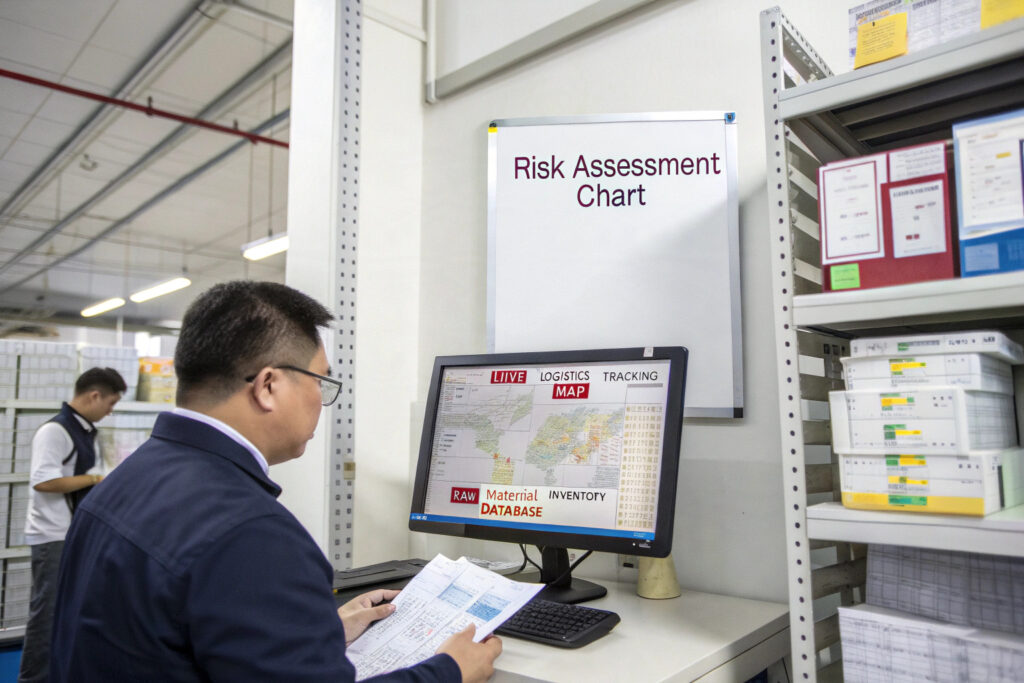
The global supply chain for textiles is still unpredictable. Shipping delays, port congestion, and raw cotton price fluctuations are real. A specialized headwear factory carries a strategic inventory of core raw materials. We hold stock of our top-selling greige fabrics and the most common thread colors in bonded, UV-stable polyester. If a customer places a reorder for a classic black brushed cotton cap, we often have the fabric already sitting in our warehouse, inspected and relaxed. We can cut it immediately.
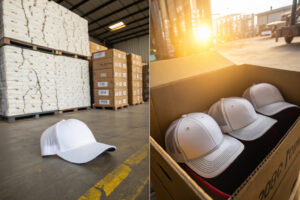
A general factory typically buys materials order-by-order. If the black cotton twill is out of stock at their local market, your order is on hold until the fabric mill weaves a new batch and ships it. That can take 30 to 45 days. The specialist's ability to buffer inventory is a function of confidence. We know that black, navy, and khaki caps will sell year-round, so we stock the fabrics. A generalist cannot afford to tie up cash in headwear-only fabrics because headwear is only a fraction of their revenue. This inventory buffering turns urgent reorders into simple, fast-moving transactions. For a brand, this means you can run leaner on your own inventory and reorder more frequently, reducing your own warehousing costs and markdown risk.
How Does Audit and Compliance Specialization Reduce Your Liability?
Headwear has specific compliance risks that general garment factories may overlook. Children's hats have stringent drawstring and small parts regulations under CPSIA in the US. Many caps use metal snaps, rivets, and eyelets that must be tested for lead content and phthalates. A specialized headwear factory has a dedicated compliance officer who tracks these regulations across different markets. Our trims are pre-tested. We maintain a library of test reports for our standard components, so you don't have to pay for new lead tests on a buckle that we have been using safely for three years.
A general factory might not even be aware of the specific EN 71 requirements for children's sun hats in Europe, such as the flammability testing for the brim binding. They might ship a compliant garment but a non-compliant hat. If that product gets flagged at customs or, worse, causes a safety incident with a child, your brand is liable. The deep, narrow focus of a specialist means we do not just know the regulations; we design our products to inherently meet them. That reduces your testing costs, your customs risk, and your potential liability exposure. It is a layer of protection that comes baked into the supplier relationship, not as an optional extra.
How Do You Verify That a Headwear Factory Is a True Specialist?
Many factories claim to be headwear experts in their marketing materials. Their Alibaba page might show caps, but their real factory floor might be a maze of mixed production with jacket lines taking up 80% of the space. You need a straightforward verification process to confirm that headwear is their true core business, not just a product line they dabble in. This verification protects you from misrepresentation and ensures you actually receive the benefits of specialization that you are paying for.
I recommend a two-part verification. First, conduct a live video walk-through of their production floor. Ask to see the cutting, sewing, and finishing areas without any prior notice during the call. A true specialist will have a factory layout that is visibly optimized for headwear. You will see specific machines like automatic brim curving presses, multi-head embroidery machines dedicated to caps, and sweatband folding attachments that have no other use in garment making. A general factory will have generic lockstitch and overlock machines that they shuffle around. Second, ask for a list of their top ten customers from the past year. A specialist will list brands, importers, and retailers that are known specifically for headwear. You can often cross-reference these names online. If their client list is dominated by t-shirt brands and they made "some hats" for them as a promotional item, they are not a specialist. You are talking to a generalist with a good marketing team.
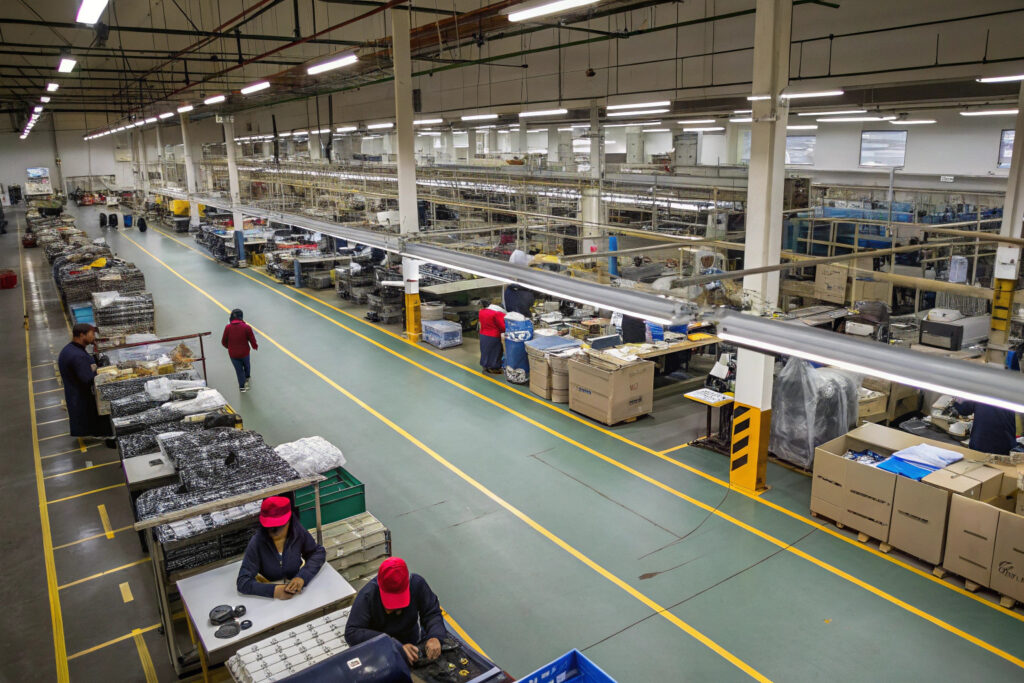
What Should You Look for During a Live Video Tour?
Start the tour request by saying, "Please show me your brim pressing area first." A specialist will walk immediately to a dedicated station with heated hydraulic presses and metal brim molds for different cap styles. You will see racks of molds for flat brims, pre-curved brims, and bucket hat brims. This equipment is specific and expensive. A general factory will not have it. They will try to show you a hand ironing station or a generic heat transfer press used for t-shirt logos, claiming it also works for brims. It does not.
Next, ask to see their embroidery floor. Ask the person giving the tour to walk up to a running machine and zoom in on the control screen. The screen should show a cap frame setting and a file name that includes a hat style code. Ask how many heads are currently running caps. A specialist will say "all of them" without hesitation because their embroidery floor is a cap embroidery floor. A generalist might pause and say "about half," because the other machines are running chest logos on polo shirts. The density of cap-specific infrastructure is visually unmistakable. Do not be shy about directing the camera. You are not being rude; you are verifying a business claim that impacts your money and your brand.
How to Validate Their Headwear-Specific Quality Control Systems?
A true headwear specialist has QC checkpoints that a generalist would never think to implement. During the tour, ask to see a size check in progress. A specialist will have a dedicated measuring station with a GO/NO-GO head form fixture. This is a solid plastic head mold that the inspector places the cap on. If the cap fits the mold within the tolerance band, it passes. If it is too tight or too loose, it fails. This fixture costs money and makes no sense for any other product. A generalist will show you a tape measure and an inspector measuring a shirt.
Also, ask to see their brim curve angle gauge. For pre-curved visors on baseball caps, the radius of the curve is a critical quality parameter. A specialist uses a calibrated metal radius gauge. The inspector places it against the brim to check if the curve is consistent. A general factory simply eyeballs it. These tools are physical proof that the factory has invested money into controlling the specific geometry of a hat. You can also ask to see their on-site thread tensile strength tester or their snap-button pull-force tester. A specialist in headwear has these instruments on their QC bench, not just in a third-party lab report that was done once three years ago. The presence of these hat-specific inspection tools is a powerful, unfakeable signal of genuine specialization.
Conclusion
The sourcing advantages of a headwear-only supplier are not abstract marketing points. They are concrete, measurable factors that directly affect your product's quality, your speed to market, and the resilience of your supply chain. A specialist buys materials in the massive volumes that drive down hidden costs. They own the machines and jigs that turn skilled handcraft into repeatable, efficient production. They accelerate your new product development with a dedicated design team and a curated materials library, turning weeks of sampling into days. Most critically, they buffer your business against supply chain shocks with strategic inventory and audited backup vendors, all while maintaining the compliance depth that protects your brand's legal liability.
Choosing a generalist factory might feel safer because they seem bigger and more diversified. But in reality, you are hiring a part-time hat maker. Your order will always compete for attention with higher-volume t-shirt and jacket runs. Your quality will depend on an operator who is not specifically trained in cap construction. Your development timeline will stretch because the one pattern maker is overloaded. When you do the math, the true cost of a cheap cap from a generalist often exceeds the cost of a well-made cap from a specialist once you factor in remakes, delays, and the opportunity cost of a late market launch.
If you are ready to experience the difference that true headwear specialization makes, I invite you to start a conversation with us at Global-Caps. Our entire factory, our entire team, and our entire supply chain exist for one purpose: to make your hats better. Let's discuss your next collection. Reach out to our Business Director, Elaine, directly at elaine@fumaoclothing.com. We will give you that live video tour, show you our brim molds, and prove to you that specialization is not just a word we put on our website—it is the only way we work.