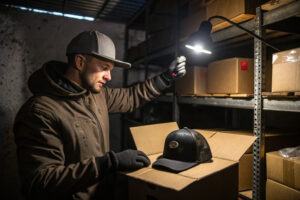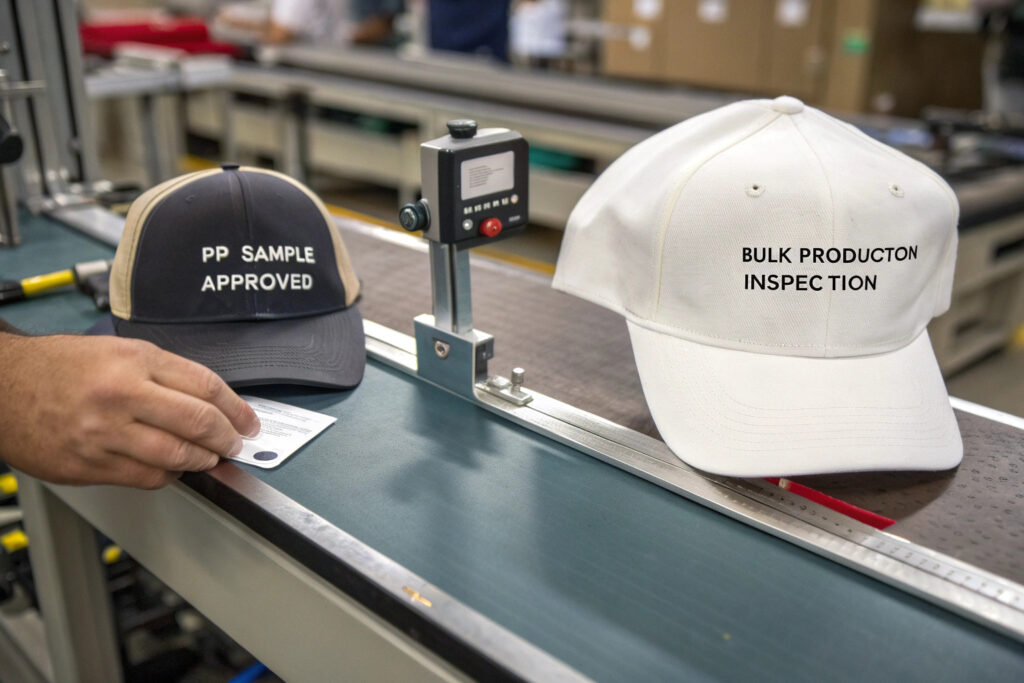
You approve the pre-production sample. It is perfect. The fabric is smooth. The stitching is flawless. The embroidery is sharp. The visor curve is exactly what you wanted. You sign the approval form. You place the bulk order. Eight weeks later, the shipment arrives. The caps look similar to the sample. But not the same. The fabric feels slightly thinner. The embroidery is a touch less dense. The visor curve varies from cap to cap. You compare the bulk cap to the sample. The sample was a handcrafted promise. The bulk caps are factory-produced reality. The sample was made by the factory's best sewer, working slowly, using the best materials on the shelf. The bulk caps were made by a production line of thirty operators, working at speed, using materials from a bulk dye lot. The sample told you what the factory can do. It did not tell you what the factory will do 5,000 times.
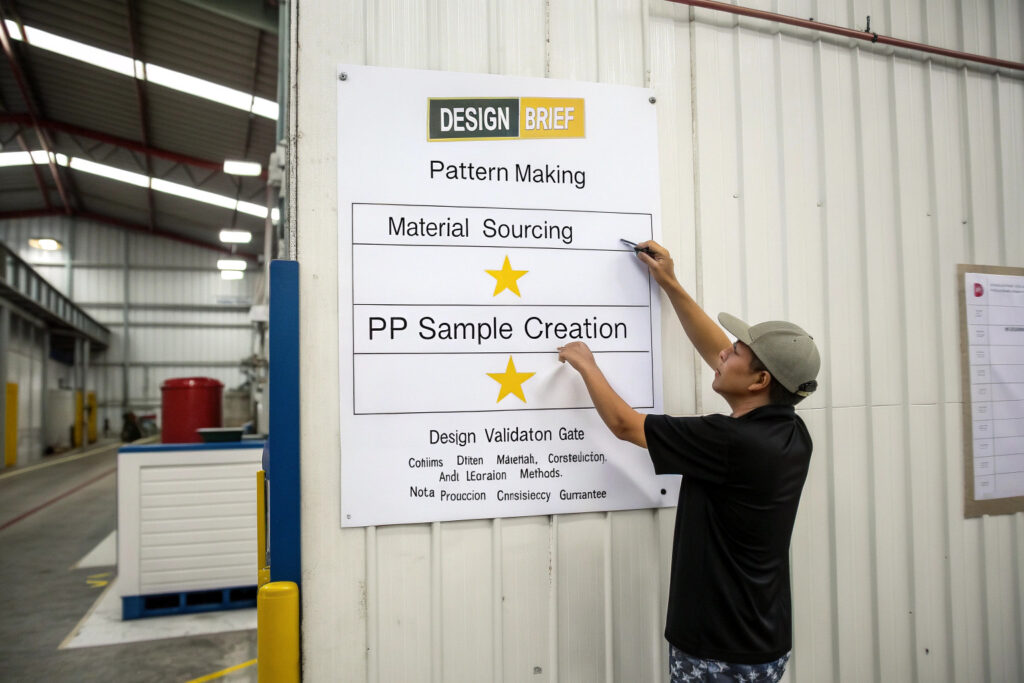
A pre-production sample is necessary but not sufficient to judge the final quality of your snapbacks. The PP sample is a single cap made under optimal conditions. It proves the factory can execute your design correctly once. It does not prove the factory can execute your design consistently across a bulk production run of thousands of units. The PP sample validates the pattern, the materials, the embroidery digitizing, and the construction method. It is the design validation gate. It is not the production consistency gate. To judge final quality, you need three additional verification points: a production header sample or a during-production inspection that checks the first bulk units off the line, an inline QC report that monitors consistency throughout the run, and a pre-shipment inspection that statistically samples the finished goods against the approved PP sample.
At Global-Caps, the PP sample is step one. It is signed by the client and becomes the master reference standard. But the quality assurance does not stop there. The bulk run is monitored against the PP sample at multiple points. The PP sample is the target. The QC process ensures the bulk production hits the target consistently.
What Is the Purpose of a Pre-Production Sample in the Manufacturing Workflow?
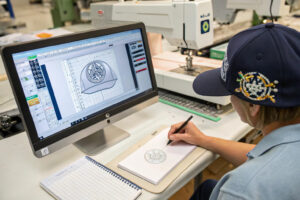
You think the PP sample is a mini version of the bulk order. It is not. It is a prototype. A prototype is built to validate the design. It is not built to validate the production system. The PP sample is sewn by the sample room, not the production line. The sample room has the most skilled sewers in the factory. They work on single pieces, not bundles. They have time to perfect every seam. The production line works on bundles of 50 pieces, moving at a rate of hundreds per hour. The hands that sew the sample are not the hands that sew the bulk.
The purpose of a pre-production sample is to validate the design, confirm the pattern accuracy, verify the material compatibility, test the embroidery digitizing file, and establish the construction method before bulk materials are cut. The PP sample is the physical representation of the design specification. It is the reference standard for appearance, dimensions, and construction. It answers the question: "Can this factory make this cap according to my design?" It does not answer the question: "Can this factory make 5,000 caps identical to this sample?"
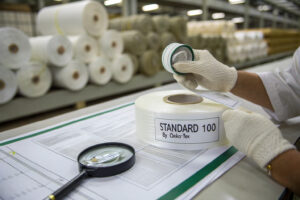
My PP sample protocol includes a detailed spec sheet with measurements, a material swatch card, and a signed approval form. The approved sample is sealed and stored as the master reference.
The sample room and the production line are two separate environments with different capabilities and constraints.
Why Is the PP Sample Sewn by a Sample Maker, Not the Production Line?
A sample maker is a specialized sewer with advanced skills in multiple operations. In a production line, each operator performs one or two repetitive operations—attaching the visor, sewing the crown seam, closing the sweatband. The sample maker performs all operations on a single cap. The sample maker's skill level is higher than the average production line operator. The sample maker works at a slower pace with no production quota. The sample maker has the time to adjust tension, re-sew imperfect seams, and ensure every detail matches the specification.
The production line operator works at speed against a daily target. The operator performs one task and passes the cap to the next operator. The production cap is the product of a system, not an individual artisan. The system introduces variation. The sample maker minimizes variation.
My sample room is separate from my production floor. I do not claim the sample represents bulk production. I claim the sample represents the design standard.
How Does a "Gold Seal" Sample Differ From a Standard PP Sample?
A standard PP sample is made from whatever materials are available in the sample room—stock fabrics, stock thread, stock buckram. It validates the design, but not the exact bulk materials. A "Gold Seal" sample, also called a production header sample, is made from the actual bulk materials that will be used for the order. It is sewn on the production line, not in the sample room. It is the first piece off the bulk production run.
The Gold Seal sample validates the bulk materials and the production process. It is the definitive reference standard for the order. A Gold Seal sample that matches the approved PP sample confirms the bulk materials and production methods are correct. A Gold Seal sample that deviates from the PP sample indicates a material or process issue that must be resolved before bulk cutting.
My Gold Seal protocol requires the first piece off the production line to be compared against the approved PP sample and approved by the client before bulk production continues.
What Quality Variations Occur When Scaling From One Sample to 5,000 Units?
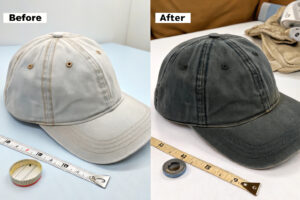
You compare the bulk cap to the PP sample. The color is slightly different. The crown feels slightly softer. The embroidery outline is a hair thinner. You accuse the factory of cutting corners. The factory denies it. The color difference is a dye lot variation. The fabric from the sample room was from an old roll. The bulk fabric is from a new dye lot. The crown feels softer because the buckram supplier changed their resin formula. The embroidery is thinner because the digitizing file was adjusted for the bulk machine speed. None of these changes were communicated to you. The factory considers them within tolerance. You consider them a quality failure.
Scaling from one sample to 5,000 units introduces quality variations driven by dye lot differences between the sample material and the bulk material, machine parameter drift during long production runs, operator-to-operator variability in sewing tension and placement, potential material supplier substitutions that are not communicated, and the inherent statistical variation in any mass production process. The PP sample is one data point. The bulk order is 5,000 data points distributed around that target. The distribution has a spread. The spread is the production variation. The QC system's job is to keep the spread within the agreed tolerances.
My bulk production QC monitors the variation against the PP sample using statistical sampling. The variation is measured. The tolerances are defined. The client approves the tolerance range before production.
The dye lot variation is the most common and most noticeable quality shift between sample and bulk.
How Do Dye Lot Variations Affect Fabric Color Between Sample and Bulk?
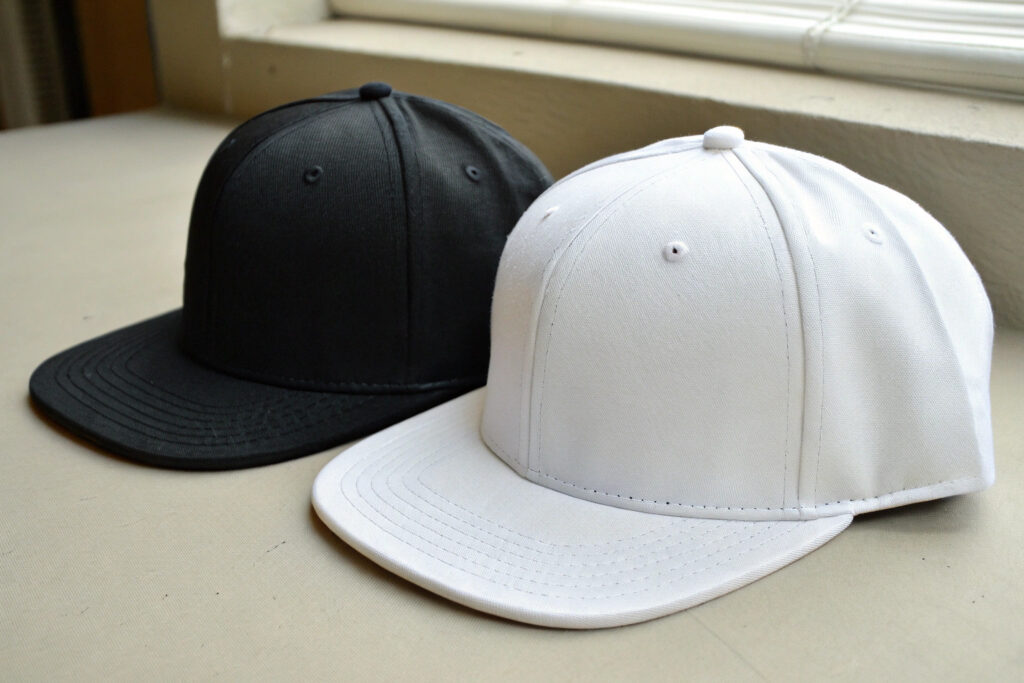
The PP sample is often made from a small quantity of fabric from a previous dye lot or a stock roll. The bulk order uses fabric from a new dye lot, dyed specifically for the order. Even if the same dye formula is used, variations in dye bath temperature, water quality, and fabric substrate can cause a color shift between the two lots.
The shift may be within the commercial tolerance of Delta E 1.5, but it is visible when the bulk cap is placed next to the PP sample. The client sees a difference. The factory sees acceptable variation. The gap is the absence of an agreed tolerance and a side-by-side comparison before bulk cutting.
My dye lot protocol requires a bulk fabric lab dip to be compared against the PP sample fabric before bulk cutting. The comparison is measured with a spectrophotometer and reported to the client.
Why Does Embroidery Stitch Density Sometimes Drift on Long Production Runs?
Embroidery stitch density is set in the digitizing file. The machine follows the file. However, on long production runs, several factors can cause the effective density to drift. The needle wears and slightly deflects, changing the stitch placement. The thread tension adjustments made by different operators during re-threading create small variations. The bobbin tension changes as the bobbin thread runs low.
The first 100 caps off the machine may have perfect density. Caps 4,900 to 5,000 may have slightly looser or tighter stitching. The drift is gradual and may not be noticed unless the QC inspector compares a cap from the end of the run against a cap from the beginning.
My inline QC protocol pulls a sample every 200 caps and compares the stitch density against the approved PP sample. Drift is caught and corrected during the run.
How Does a During-Production Inspection Catch Defects a PP Sample Cannot Predict?
You approved the PP sample. You skipped the during-production inspection. The bulk caps arrive. 15 percent have a visor that is visibly flatter than the sample. The factory's QC checked the first 50 caps. Those were fine. The visor press mold temperature drifted during the run. Caps 2,000 through 5,000 have the flatter visor. The defect was not caught because nobody checked the caps from the middle and end of the run. The PP sample predicted a perfect visor. It did not predict the mold temperature drift.
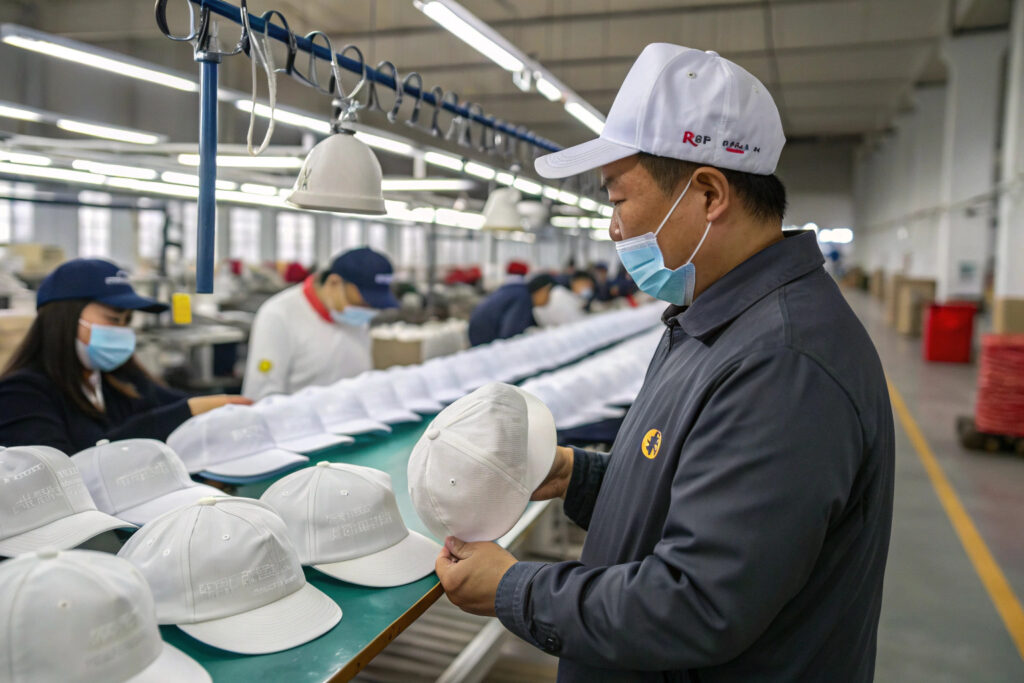
A during-production inspection catches defects that a PP sample cannot predict by monitoring the production process in real time as the bulk order is being manufactured. The DPI inspector checks the first pieces off the line, then pulls samples at defined intervals throughout the run. The inspector measures key dimensions, checks the embroidery quality, verifies the visor curvature against a checking fixture, and compares every sample against the approved PP sample. A defect that develops during the run—a drifting machine setting, a dulling cutting blade, a new operator making errors—is caught at the interval inspection and corrected before it affects thousands of caps.
My DPI protocol is recommended for all first-time orders and for any order over 2,000 units. The DPI catches the variation that the PP sample cannot predict.
The comparison against the approved PP sample at every interval check is the core of the DPI.
What Specific Defects Emerge Mid-Production That a PP Sample Won't Show?
Machine parameter drift is the most common mid-production defect. The visor press mold temperature gradually decreases, producing flatter visors. The embroidery machine tension knob vibrates loose, producing looser stitching. The cutting blade dulls, producing frayed fabric edges. The sewing machine presser foot pressure shifts, producing puckered seams.
Operator fatigue is the second most common. As the shift progresses, operator concentration declines. Seam allowances wander. Embroidery hoop placement becomes less precise. The QC interval check catches the fatigue drift and triggers a break or a rotation.
My mid-production defect log tracks the frequency of each defect type. The data drives preventive maintenance schedules and operator rotation plans.
How Often Should Inline QC Checks Occur During a 5,000-Unit Snapback Run?
For a 5,000-unit snapback run, inline QC checks should occur at a frequency of every 100 to 200 units, with a mandatory check at the start of each shift and after any machine adjustment or thread change. The first 10 pieces off the line at the start of the run and after each break are checked 100 percent. Then a sample of 5 to 10 pieces is pulled every 200 units.
The inline inspector measures the critical dimensions—crown height, visor curvature, embroidery placement—and compares the sample to the approved PP sample. Any deviation outside the agreed tolerance triggers an immediate line stop and corrective action.
My inline QC schedule is documented in the production control plan. The inspection results are logged and available to the client.
What Role Does the Pre-Shipment Inspection Play in Final Quality Verification?
You skip the pre-shipment inspection. The factory says the caps are ready. You wire the balance payment. The container arrives. You open the first carton. The caps inside are not the caps you approved. The logo placement is lower. The visor is a different curve. The sweatband seam is twisted on some caps. You contact the factory. The factory says the caps passed their internal QC. The internal QC was inadequate. The pre-shipment inspection by an independent party would have caught the issues before you paid the balance.
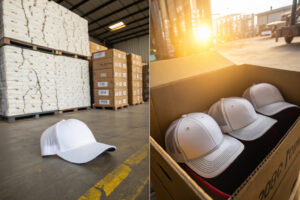
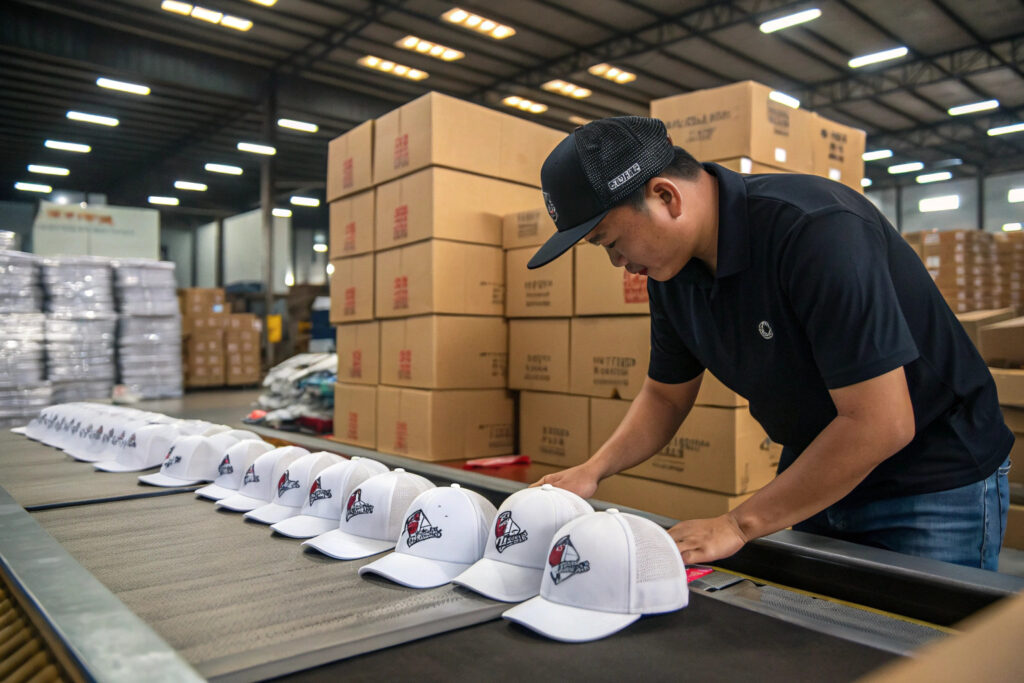
The pre-shipment inspection is the final quality verification gate. It is conducted when 80 to 100 percent of the order is produced and packed. The inspector—ideally from a third-party inspection company or a qualified member of your team—pulls a random statistical sample from the finished cartons and inspects each cap against the approved PP sample and the quality specification. The inspection follows the AQL sampling standard. The inspector measures the critical dimensions, checks the visual appearance, tests the functional components, and verifies the packaging. The PSI answers the question: "Does this shipment match the approved sample?"
I recommend a third-party PSI for every order. The PSI report is the objective evidence that the bulk production meets the standard set by the PP sample.
The side-by-side comparison with the PP sample during the PSI is the single most powerful quality verification step.
How Does the AQL Sampling Standard Apply to a Bulk Snapback Inspection?
The AQL standard defines the sample size and the accept/reject thresholds based on the total order quantity. For a 5,000-unit snapback order, the AQL 2.5 Level II sample size is 200 caps. The inspector randomly selects 200 caps from 200 different cartons.
The inspector classifies defects as Critical, Major, or Minor. A Critical defect makes the cap unsafe. A Major defect makes the cap unsellable or likely to cause a return. A Minor defect is a cosmetic imperfection. For AQL 2.5, the batch passes if 10 or fewer Major defects are found in the 200-cap sample. The batch fails if 11 or more Major defects are found.
My AQL inspection protocol uses the same standard for internal QC and third-party PSI. The criteria are consistent.
Should the PSI Inspector Compare the Bulk Caps Side-by-Side With the PP Sample?
Yes. The side-by-side comparison is the most important step in the PSI. The inspector places the approved PP sample on the inspection table. Every bulk cap pulled for inspection is placed next to the PP sample. The inspector compares the fabric color, the embroidery placement, the embroidery quality, the crown height, the visor curvature, the sweatband construction, and the closure finish.
A difference that is invisible when looking at the bulk cap in isolation becomes obvious in a side-by-side comparison. The PP sample is the visual standard. The bulk cap must match it within the defined tolerances.
My PSI checklist includes a mandatory side-by-side comparison with the PP sample for every inspected cap.
Conclusion
A pre-production sample is a necessary design validation tool. It proves the factory can make your snapback correctly once. It is not sufficient to judge the final quality of a 5,000-unit bulk order. The PP sample is a handcrafted prototype made by the best sewer in the sample room. The bulk caps are produced by a production line with inherent variation in materials, machine settings, and operator performance.
To judge final quality, you need a layered quality assurance process. The PP sample sets the standard. A Gold Seal sample or production header sample validates the bulk materials and production line setup. A during-production inspection monitors quality throughout the run, catching drift before it affects thousands of caps. A pre-shipment inspection statistically samples the finished goods against the PP sample, providing an objective pass/fail decision based on the AQL standard.
The PP sample is the starting point, not the endpoint. The factory that provides a beautiful PP sample and no further QC is a factory that sells samples, not bulk production. The factory that provides a PP sample plus inline QC and a PSI is a factory that sells consistency.
At Global-Caps, my PP sample is the master reference. My Gold Seal sample validates the bulk setup. My inline QC monitors every 200 caps. My PSI provides the statistical proof. The client does not judge quality from a single handcrafted sample. The client judges quality from a documented, multi-gate quality assurance system.
If you need snapbacks with quality that is verified at every production stage, not just promised in a sample, contact my Business Director Elaine. She can provide our quality assurance process document, a sample QC inspection report, and a PP sample for your next design. Email Elaine at elaine@fumaoclothing.com. Let's move beyond the sample and into consistent bulk quality.