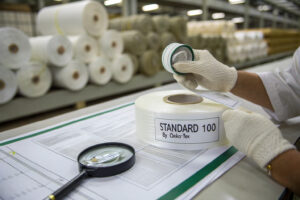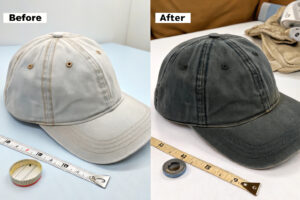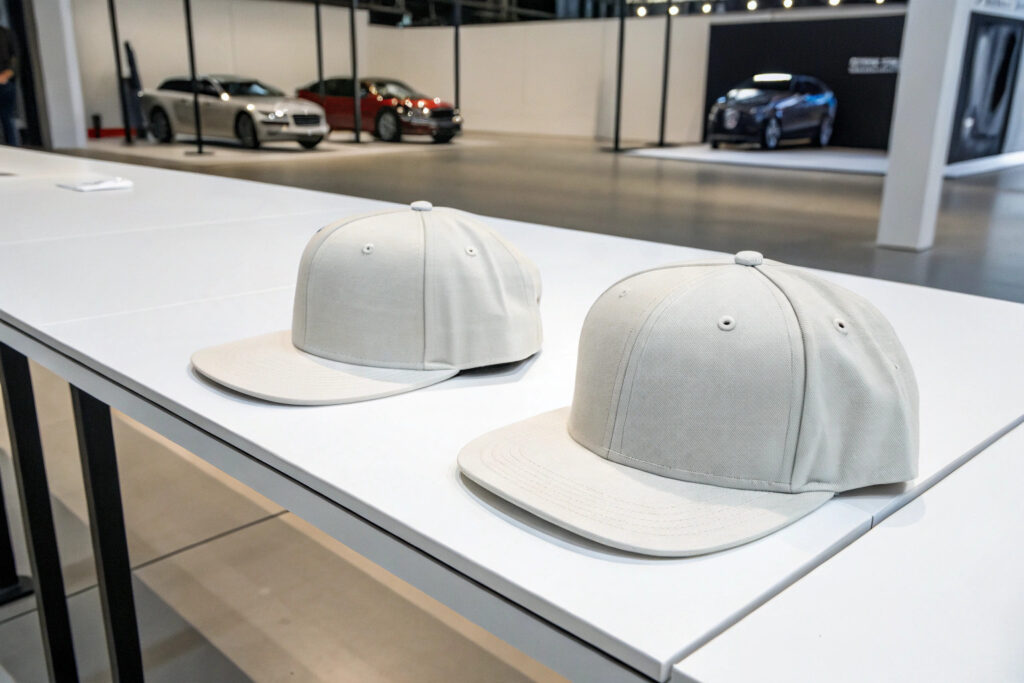
I received a frustrated call from a streetwear brand owner in Manchester last autumn. He had built his entire line around the classic Yupoong 6006 snapback silhouette. He loved the high crown, the wide flat brim, and the sturdy plastic closure. But his customers were asking for sustainable, skin-safe certifications, and his supplier couldn't provide them. He tried switching to a generic snapback, but the fit was slightly off, and his loyal customers noticed immediately. He felt trapped between the iconic silhouette and the modern demand for certified safety. I sent him a sample of our OEKO-100 certified classic snapback. He called me back two days later, visibly relieved. "The fit is the same. The crown is the same. The brim is the same. And it has the certificate."
You source Yupoong-style caps directly from a factory with an OEKO-100 certificate by searching for manufacturers that specifically use "Yupoong-style" or "6006-style" in their product descriptions, requesting a pre-production sample to verify the exact crown height, brim curve, and closure spec, and demanding the OEKO-100 certificate that explicitly lists "headwear" in the product scope. Do not search for "Yupoong" alone, as trademark restrictions prevent legitimate factories from selling counterfeit branded caps. Instead, search for "classic high-crown snapback," "6006 silhouette," or "flat-brim trucker cap." The factory you want is one that has reverse-engineered the classic silhouette, uses the same 8-ounce cotton twill or a certified equivalent, and holds a valid OEKO-100 certificate for the finished cap. This factory produces an unbranded, legally distinct, dimensionally identical cap that you can brand with your own label.
I have developed our classic snapback program specifically to meet this market demand. I know the exact specifications that define the Yupoong-style silhouette. I want to share the technical specifications that matter, the material equivalents, the sourcing search terms that bypass trademark issues, and the verification steps that ensure you receive a cap that fits like the original and carries the certification your customers require. This is how you get the cap you want without the legal or certification limitations.
What Exactly Defines the Yupoong 6006-Style Silhouette and Fit?
The Yupoong 6006 is not defined by the brand name. It is defined by a specific set of dimensional and material specifications that create a recognizable silhouette and fit. Any factory can legally produce a cap with these same specifications, provided they do not use the Yupoong trademark, logo, or branding. The silhouette is in the public domain. The name is not. The factory that understands the specifications can produce a dimensionally identical cap. The factory that does not understand the specifications produces a cap that looks similar but fits differently.
The critical specifications of the classic 6006-style snapback are as follows. The crown is a high-profile, structured six-panel design. The front two panels are reinforced with a fused buckram stiffener that creates a tall, vertical front profile. The crown height at the center front seam, measured from the brim attachment to the top button, is approximately 115 to 118 millimeters. This is taller than a standard mid-profile cap, which is typically 100 to 105 millimeters. The visor is a wide, flat brim with a pronounced curvature. The brim width at the widest point is approximately 180 to 185 millimeters. The brim is pressed with a firm, pre-curved shape that can be further flattened or curved by the consumer. The closure is a seven-hole plastic snap with a matte finish. The snap is sewn into the back two panels. The fabric is a heavyweight cotton twill, typically 8 to 8.5 ounces per square yard, approximately 270 to 290 GSM. The sweatband is a standard cotton twill sweatband. The cap has a fused buckram laminated to the front two panels. The top button is a standard 20-ligne button covered in the shell fabric. These specifications collectively define the silhouette. A factory that produces a cap to these specifications produces a Yupoong-style cap, regardless of the brand label inside.
The dimensional specifications define the fit. The material specifications define the feel and the durability. The fabric weight, the buckram type, and the visor board construction are just as critical as the measurements.
What Is the Exact Crown Height and Brim Width Specification?
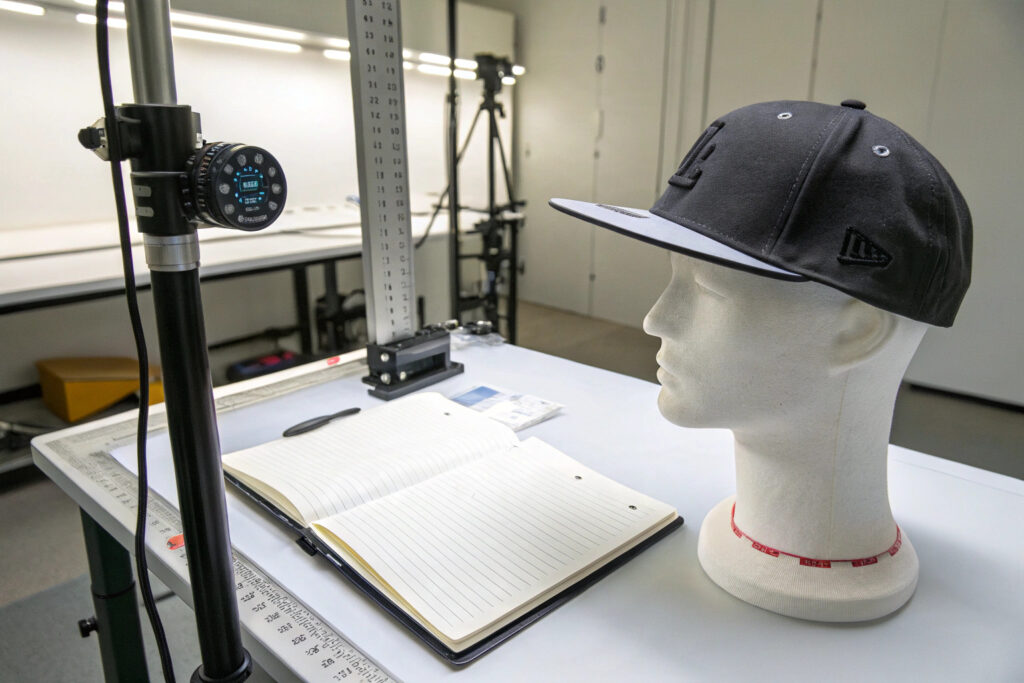
The crown height is the single most recognizable dimension. The classic 6006-style crown is approximately 115 millimeters from the brim attachment to the top button at the center front seam. This is a high crown. A mid-profile cap is 100 to 105 millimeters. A low-profile cap is 90 to 95 millimeters. The 115-millimeter crown stands tall and vertical on the head. The brim width is approximately 180 millimeters across the widest span. This is a wide brim that provides substantial sun protection and a strong visual presence. The combination of a high crown and a wide brim creates the classic snapback silhouette. A cap with a 105-millimeter crown and a 170-millimeter brim is a different silhouette, closer to a dad cap or a mid-profile snapback. The cap dimensional specifications are the technical reference for comparing different cap styles.
Why Is the Fused Buckram Front Panel Critical to the Structure?
The fused buckram is the internal stiffener that gives the front panels their vertical, structured shape. The buckram is a woven cotton or polyester fabric impregnated with a resin. It is heat-fused to the back of the shell fabric, creating a permanent bond. The classic 6006-style uses a firm, heavyweight buckram that creates a rigid, unbending front panel. This is different from a soft buckram or a removable buckram used in some other cap styles. The firm buckram maintains the tall, flat front profile even after repeated wear and washing. A cap that uses a lighter buckram or no buckram will collapse and lose the classic silhouette. The buckram specification is a key material choice that distinguishes the classic snapback from softer, unstructured cap styles.
How Can You Find a Factory That Specializes in Unbranded Classic Snapbacks?
The search for a Yupoong-style cap factory requires specific search terminology that bypasses trademark restrictions while signaling the desired product. Searching for "Yupoong manufacturer" will yield counterfeit products, trademark violations, or simply no results, because Yupoong does not license its manufacturing to unbranded factories. The correct search targets the silhouette and the certification, not the brand name. The factory you want is not hiding. It is openly advertising its capability using the technical language of the industry.
I recommend using the following search terms on B2B platforms like Alibaba and Made-in-China, on Google, and in industry trade show directories: "high crown snapback factory OEKO-TEX," "6006 style cap manufacturer certified," "classic flat brim snapback wholesale," "heavyweight cotton twill snapback OEM," and "8 oz cotton cap with OEKO-100 certificate." These terms use the technical specifications to identify the product. A factory that uses these terms in its product listings understands the product category and the certification requirements. When contacting the factory, ask for their product catalog of classic snapback styles. A factory that specializes in this silhouette will have multiple colorways, multiple closure options, and detailed dimensional specifications on their product sheets. A factory that does not specialize will have one or two generic snapback photos and vague descriptions. The B2B supplier search strategies for specific product categories require precision in search terms to filter out irrelevant or low-quality suppliers.
The search terms find the factory. The pre-production sample verifies that the factory's product matches the classic silhouette. A sample is the physical proof. The dimensional measurements of the sample against the classic specifications are the objective verification.

What Search Terms Avoid Trademark Issues While Finding the Right Product?
The safe and effective search terms focus on the product attributes, not the brand name. Use "classic snapback," "high crown cap," "flat brim trucker," "6006 silhouette," "8 ounce cotton twill cap," and "heavyweight structured cap." Combine these with "OEKO-TEX certified," "OEKO-100," "blank cap wholesale," and "custom logo snapback." Avoid "Yupoong," "YP Classics," or any other brand name in your search. These brand names will either return counterfeit products, which you do not want, or trigger trademark enforcement filters on the platform. The trademark-safe product sourcing practice is to describe the product by its physical characteristics, not by the brand it resembles.
How Can You Verify the Factory's Claim of a "6006-Style" Silhouette?
Request a pre-production sample of the factory's classic snapback in a standard color, such as black or navy. When the sample arrives, measure the critical dimensions with a ruler or a digital caliper. Measure the crown height from the brim attachment at the center front seam to the top button. It should be 115 to 118 millimeters. Measure the brim width at the widest point. It should be 180 to 185 millimeters. Check the front panel rigidity. Press on the front panel. It should be firm and structured, not soft or collapsible. Check the sweatband. It should be a standard cotton twill sweatband. Check the closure. It should be a matte-finish plastic snap with seven holes. Wear the cap. Feel the fit. The crown should stand tall on your head. The brim should shade your eyes. If the sample matches these specifications, the factory produces a genuine classic snapback silhouette. If the sample is smaller, softer, or differently proportioned, the factory's claim is inaccurate. The sample verification process is the definitive method for confirming a supplier's product claims.
What Material Specifications Ensure Your Cap Matches the Classic Feel and Durability?
The silhouette dimensions give the cap its shape. The materials give the cap its feel, its weight, and its longevity. A cap that looks like the classic snapback but is made from lighter, cheaper materials will disappoint the consumer. It will feel flimsy. It will lose its shape. It will not drape correctly. The material specifications are the quality foundation. A factory that offers a Yupoong-style cap should be able to provide the exact material specifications and, ideally, the material certifications.
The shell fabric should be an 8 to 8.5 ounce per square yard cotton twill, which is 270 to 290 GSM. This is a heavyweight twill with a dense weave and a substantial hand feel. The fabric should be 100% cotton or a cotton-rich blend with a small percentage of elastane or polyester for added durability or stretch. The buckram should be a firm, heat-fused woven buckram. It should be laminated to the back of the front two panels using a heat press. The bond should be permanent and not delaminate after washing. The visor board should be a firm, pre-curved polyethylene or a similar plastic board. It should be sewn or heat-bonded into the brim. The closure should be a seven-hole matte-finish plastic snap, made from a durable, non-brittle polymer. The snap should close with a firm click and hold securely. The sweatband should be a cotton twill sweatband, approximately 2.5 to 3 centimeters wide, with a comfortable, non-abrasive surface. The thread should be a high-tenacity polyester core-spun thread for the main seams, providing strength and durability. These material specifications produce a cap that feels substantial, holds its shape, and lasts through repeated wear and washing. The material specification for headwear is a critical part of the product development process.
The material specifications define the quality. The OEKO-100 certification ensures that these materials are chemically safe. The certification is not a separate, optional extra. It is a property of the materials and the production process.

What Type of Buckram and Visor Board Is Used in a Premium Snapback?
The premium classic snapback uses a woven cotton buckram with a high resin content. This buckram is stiff, durable, and heat-fusible. It is cut to the exact shape of the front two panels and fused to the fabric under heat and pressure. The bond is a lamination, not a stitch. This creates a smooth, clean front panel with no visible stitching or puckering. The visor board is a pre-curved polyethylene board, typically 1.5 to 2 millimeters thick. It is inserted into the brim between the shell fabric and the lining fabric. The pre-curved shape gives the brim its distinctive, wear-ready curve. A premium cap uses a high-quality board that resists cracking and maintains its curve after repeated bending. The buckram and visor board specifications are the internal components that are invisible but essential to the cap's structure.
How Can You Confirm the Fabric Weight Is a True 8-Ounce Cotton Twill?
The fabric weight verification is described in detail in a previous answer. The method is a cut-and-weigh test. Cut a precise 10-centimeter by 10-centimeter square from an inside seam allowance of the cap. Weigh it on a precision scale. Multiply the weight in grams by 100 to get the GSM. Divide the GSM by 33.9 to get the ounces per square yard. A true 8-ounce fabric will test at approximately 270 to 290 GSM. Requesting a third-party fabric weight test report from an ISO 17025 accredited lab is the definitive verification. The fabric weight testing method is a standard textile quality control procedure.
How Do You Verify the OEKO-100 Certificate Covers the Finished Snapback?
A factory's OEKO-100 certificate is only valid for your snapback if the certificate's product scope explicitly includes headwear, specifically "baseball caps," "snapbacks," or "sports caps." A certificate that covers "woven fabrics" or "piece goods" does not cover the finished cap. The finished cap includes components that are not fabric, such as the buckram, the visor board, the sweatband, the closure, the thread, and the labels. These components must also be certified, or they must be within the allowable exceptions defined by the standard. The product scope on the certificate tells you whether the entire cap has been tested and certified, or only the shell fabric.
I provide my clients with an OEKO-100 certificate where the product scope explicitly states "Headwear" and lists the specific product categories. The annex to the certificate details the certified product types. I also provide a list of the certified components, including the shell fabric, the sweatband, the thread, and the closure material. The client can verify the certificate number on the OEKO-TEX Label Check website. They enter the number, and the database shows the certificate holder, the product scope, the product class, and the valid dates. This public verification is the ultimate proof. A factory that hesitates to provide the certificate number or that provides a certificate with a vague product scope is not a genuine certified manufacturer. The OEKO-TEX label check tool is the independent verification that the certificate is real and covers the product you are buying.
The product scope on the certificate is the critical field. But the product class is also important. A snapback for adults should be certified to Product Class II. A snapback for children or babies requires Product Class I. The class determines the strictness of the chemical limits applied during testing.

What Should the Product Scope Field on the Certificate Specifically State?
For a finished snapback cap, the product scope field should state "Headwear" and specifically list "Baseball Caps," "Snapbacks," "Sports Caps," or similar terms. A scope that states only "Woven Fabrics" or "Textile Piece Goods" means the certification only applies to the fabric roll before it was cut and sewn into a cap. The finished cap assembly process may introduce non-certified components, such as a non-certified sweatband or a non-certified plastic closure. A certificate that lists "Headwear" means the entire finished product, including all its components, has been tested and certified. Read the annex carefully. The OEKO-TEX product scope definitions are published on the OEKO-TEX website.
How Can You Spot a Fake or Misleading OEKO-100 Certificate?
A fake certificate may have a certificate number that does not verify on the OEKO-TEX Label Check website. A misleading certificate may be genuine but have a product scope that does not cover headwear. A factory may present a certificate for their fabric supplier and imply it covers their finished caps. It does not. Check the certificate holder name. It should be the factory's legal name, not a different company. Check the valid dates. The certificate should be current. Check the product scope. It should include headwear. Check the product class. It should be appropriate for your product. If any of these checks fail, the certificate is not valid for your order. The OEKO-TEX certificate verification guide provides detailed instructions for spotting invalid certificates.
Conclusion
Sourcing a Yupoong-style snapback with an OEKO-100 certificate is a process of technical specification, not brand identification. You search for the silhouette using terms like "high-crown snapback" and "8-ounce cotton twill cap." You verify the dimensions with a pre-production sample, measuring the 115-millimeter crown height and the 180-millimeter brim width. You confirm the materials, including the fused buckram, the pre-curved visor board, and the heavyweight fabric. You verify the OEKO-100 certificate on the public database, checking that the product scope explicitly includes headwear. The result is an unbranded, legally distinct, dimensionally accurate, and certified snapback that you brand with your own label and sell with confidence.
I built our classic snapback program to these exact specifications. I know the crown height, the buckram weight, the visor curve, and the closure spec by heart because I measure them on every production batch. I hold an OEKO-100 certificate that lists "Headwear" in the product scope because I want my clients to pass their own compliance checks without a moment of doubt. The classic snapback is a proven, iconic product. The certified classic snapback is the upgraded version that today's market demands.
If you want to source a classic, high-crown, OEKO-100 certified snapback that fits and feels exactly the way your customers expect, let us send you a sample. Our Business Director, Elaine, can prepare a Classic Snapback Sample Kit with our standard color options, a dimensional specification sheet, and a copy of our valid OEKO-100 certificate. Email her at elaine@fumaoclothing.com and request the Certified Classic Snapback Package. We will help you put your brand on a cap that is built to the right specifications and certified for the right market.