I was on a video call with a new boutique brand owner from Austin last Tuesday. She had a tight budget and a launch deadline. She wanted 300 retro trucker hats for the guys' line and 200 washed cotton bucket hats for the girls' line. She paused, almost apologetic, and asked if she had to order 500 of each. She had heard the industry rule: one style per production run, no exceptions. She was ready to cut one design from her launch.
Yes, you can absolutely split a 500-piece low MOQ production run across two different hat styles. You do not need to order 500 units of a single silhouette. We configure our production lines to handle mixed-style batches. The key is to keep the base materials, closure types, and decoration methods shared between the two styles. When you standardize the fabric, the sweatband, and the embroidery thread across a trucker hat and a bucket hat, for example, the cutting and sewing teams can move between the two patterns without stopping the line for a full changeover. The MOQ applies to the total order volume, not to each individual style.
This flexibility is what separates a modern, service-oriented factory like ours from a rigid, bulk-commodity mill. I built our sampling and production workflow specifically to help emerging brands test multiple silhouettes in one go. I want to show you exactly how this mixed-style production works, what constraints you need to respect, and how to structure your order so both hat styles come out looking like they belong in the same premium collection.
What Are the Factory Constraints for Mixing Hat Styles in One Order?
A factory that says "no mixing" is usually a factory optimized for giant, single-style runs of 10,000 units. They make money on speed, not flexibility. A mixed-style order breaks their rhythm. The cutting table must switch pattern templates. The sewing line must adjust machine settings. The packing station must handle two different polybag sizes. These changeovers cost time. A factory that understands small-batch business builds these changeover costs into their pricing model transparently.
The honest constraints are real but manageable. First, the shell fabric must be the same or very similar. If one hat uses a structured 260 GSM cotton twill and the other uses a flimsy 120 GSM nylon, the machines need different needle sizes, thread tensions, and presser foot pressures. That is not a small style swap. That is a separate production run masquerading as one. Second, the decoration method must be unified. If both styles use a standard flat embroidery logo on the front panel, the embroidery machine operator loads one digitized file after another with a simple computer click. If one style needs a 3D puff embroidery and the other needs a screen print, the workflow splits into two distinct paths. The 500-piece total MOQ works best when the two styles are siblings from the same material and trim family.
The constraints are not there to block your creativity. They exist to keep your per-unit cost from creeping up and to maintain consistent quality across both silhouettes. Understanding the logic of shared components turns you into a smarter buyer.
Why Does Sharing Sweatbands and Closures Reduce Setup Costs?
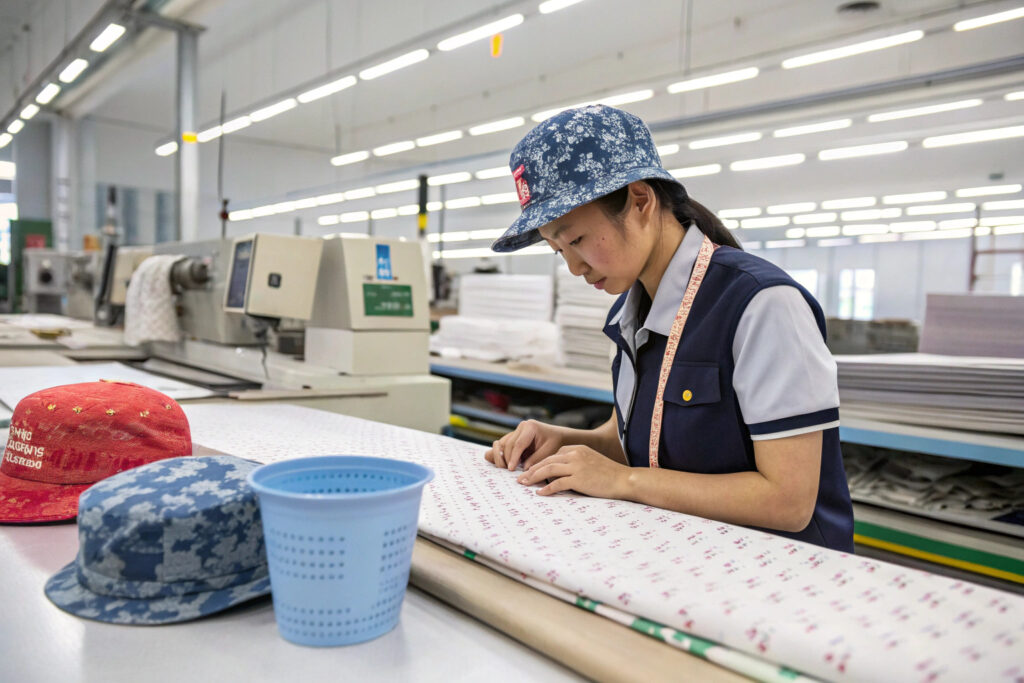
Every time a sewing machine operator changes thread color or bobbin type, the line stops for three to five minutes. Multiply that by 20 workstations, and a changeover can cost the factory $150 in lost labor efficiency. If your two hat styles share the same sweatband material, the same plastic snap closure, and the same top button, the sewing line never needs to change consumables.
I always advise clients to lock in a "component kit" for a mixed order. Pick one sweatband, one closure, and one visor board type across both styles. The silhouette changes, but the internal hardware stays constant. This approach also lowers your per-unit cost because the factory buys 500 units of the same sweatband instead of 300 of one and 200 of another. Bulk purchasing power remains intact. The cost savings from component standardization can often offset the small upcharge for the pattern changeover.
How Does Embroidery Digitizing Change for Mixed Styles?
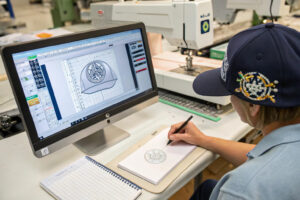
You pay a one-time digitizing fee for each logo design, not for each hat style. If your logo is the same on the trucker hat and the bucket hat, you pay once. The embroidery machine can stitch that file onto a curved trucker front panel and then, with a simple hoop change, stitch the same file onto the flat brim of a bucket hat.
The only time you pay twice is if the logo placement or size is fundamentally different. A wide, rectangular chest-style logo on a bucket hat may need a different digitized file than a centered, compact crest on a baseball cap. I recommend keeping the logo dimensions identical across the two styles. This single embroidery digitizing file reduces setup cost and ensures the branding looks visually coherent when both hats hang next to each other on a retail rack.
How Should I Structure a Split-Style PO for Maximum Efficiency?
A messy purchase order for a split-style run is a factory's nightmare. If you send two separate POs for a single 500-piece production, the logistics team may sequence them incorrectly and ship one style weeks before the other. If you bury the split in the email body without a clear table, the cutting room may cut 500 of one style and zero of the other. The PO document must visually enforce the split.
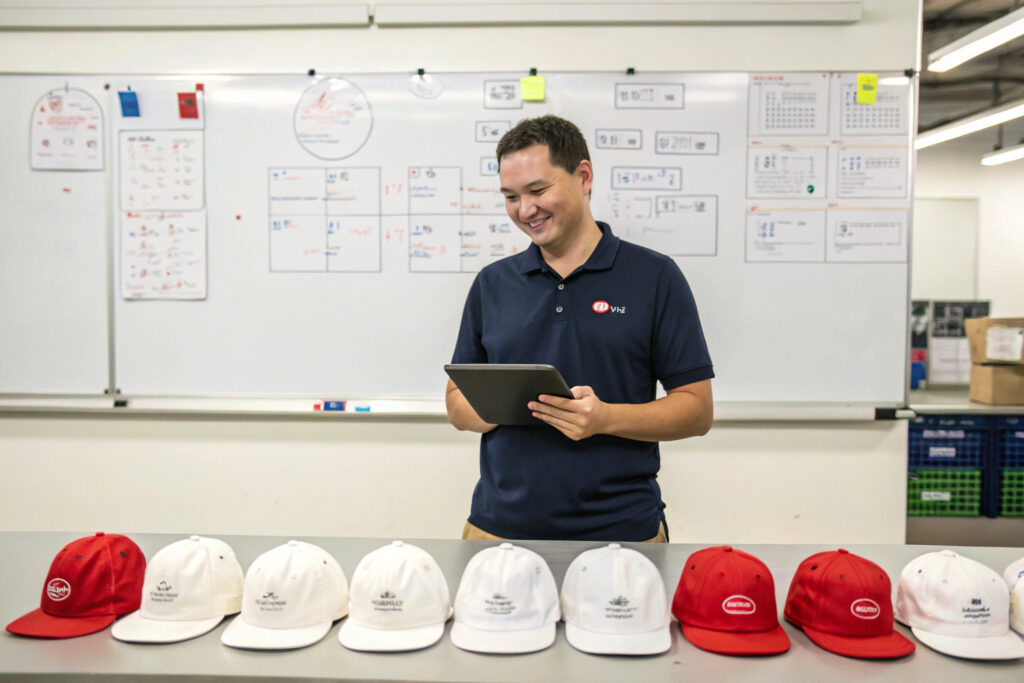
I tell my project managers to use a single PO with a dual-line item structure. The header states the total quantity, 500 units. Line item one: Style A, 300 units, with a full spec reference to the approved sample number and the tech pack appendix. Line item two: Style B, 200 units, with its own spec reference. The PO then has a shared section for "Common Components." This lists the shell fabric code, the sweatband spec, the closure type, and the embroidery thread color. Below the common components, a "Style-Specific Details" table breaks out the unique pattern number, the cut panel count, and the special packaging insert, if any. This structure forces the factory to see the order as a single procurement of raw materials with two sewing line endpoints. It prevents the materials warehouse from ordering 300 sweatbands instead of 500.
The written PO structure is your contract. But the visual sample approval is what the sewing line supervisor actually looks at. You need a parallel approval system that connects the digital PO to the physical Golden Samples for both styles.
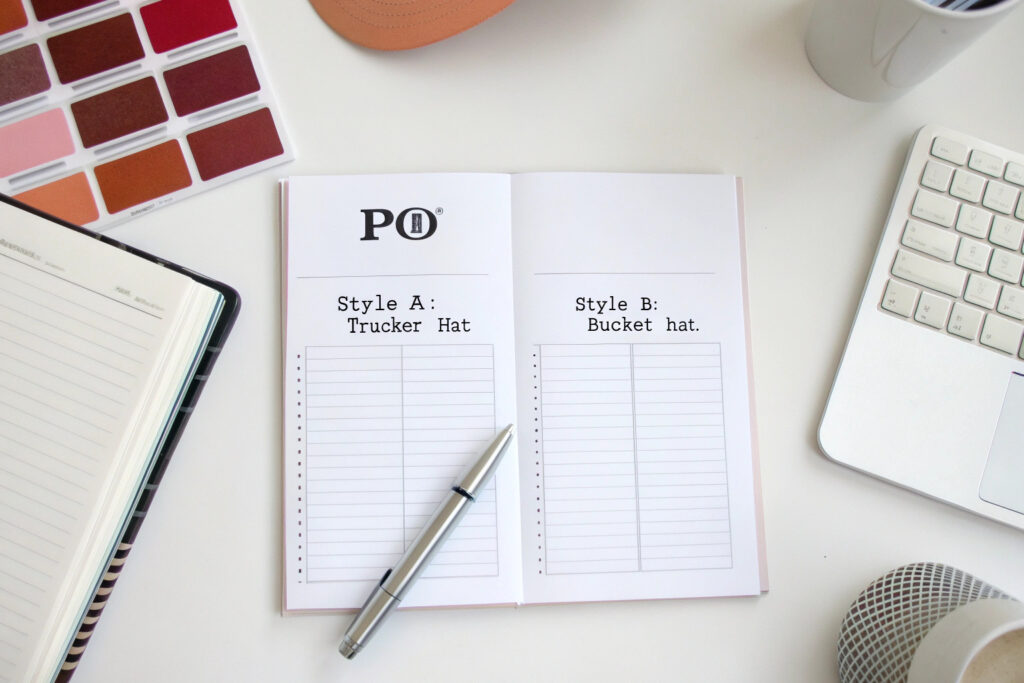
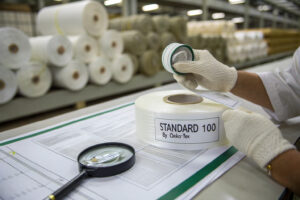
Create a simple table in the PO that lists the component, the spec code, and the shared quantity of 500. The sweatband row reads: "Cotton Terry Sweatband, Black, 400 GSM, OEKO-100 certified, Qty 500." The closure row reads: "Plastic Snap Closure, Matte Black, 7-hole adjustable, Qty 500." The visor board row reads: "Polypropylene Brim Insert, 2.5mm thickness, Qty 500."
This table achieves two things. It gives the factory purchasing manager a single bulk-buy list. It also gives you a checklist to audit during a video call. You can hold up a sweatband sample and ask the factory to confirm all 500 units are cut from this single roll. This prevents the dreaded "good sweatband in the sample, cheap sweatband in the bulk" substitution. A bill of materials approach to your PO saves weeks of back-and-forth clarification emails.
How Do You Approve Two Pre-Production Samples Simultaneously?
You cannot approve the trucker hat sample on Monday and wait two weeks for the bucket hat sample. The production run cannot start until both samples are physically signed off. I ask my sampling room to ship both pre-production samples in a single box with a single courier tracking number. Both samples arrive at the client's door on the same morning.
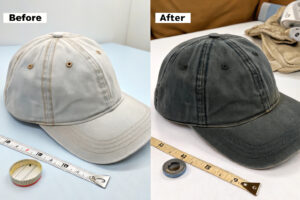
The client then conducts a paired review. They place the two hats side by side on a table. They check that the fabric color is a perfect match between the two. They check that the embroidery thread sheen is identical. They check that the sweatband feels the same when they put both hats on. This paired review catches mismatches that a sequential review would miss. Once approved, the client signs both sweatbands, takes a photo of the two hats together with the signed areas visible, and emails it as a single pre-production sample approval. The factory files this image in the job jacket for the cutting room supervisor.
What Are the Hidden Cost Savings of Mixed-Style Orders?
The obvious cost saving is on shipping. A single 500-piece shipment costs less to freight than two separate 250-piece shipments. The ocean freight minimum chargeable weight, the customs clearance fee, and the last-mile delivery fee are all paid once, not twice. But the hidden savings go deeper than the freight invoice.
A mixed-style order allows you to test the market with a complete collection, not a single lonely silhouette. You launch your brand with a trucker hat and a bucket hat. Retail buyers perceive you as a serious headwear brand, not a one-product experiment. This perception unlocks wholesale accounts that would ignore a single-style catalog. You also save on sample development costs. The factory digitizes your logo once. The materials team sources the fabric and sweatband once. The compliance team tests the chemical safety of the sweatband once. If you split the order into two separate production runs with different suppliers, you pay these development and testing costs twice. At Global-Caps, we roll these one-time costs into the total PO, so the per-unit development cost on a 500-piece mixed order is the same as a 500-piece single-style order.
Beyond the development and shipping line items, there is a psychological pricing advantage that directly impacts your sell-through rate. A well-constructed mixed order gives you two price points to play with in your marketing funnel.
Can I Bundle Two Styles Into the Same Shipping Carton for Retail?
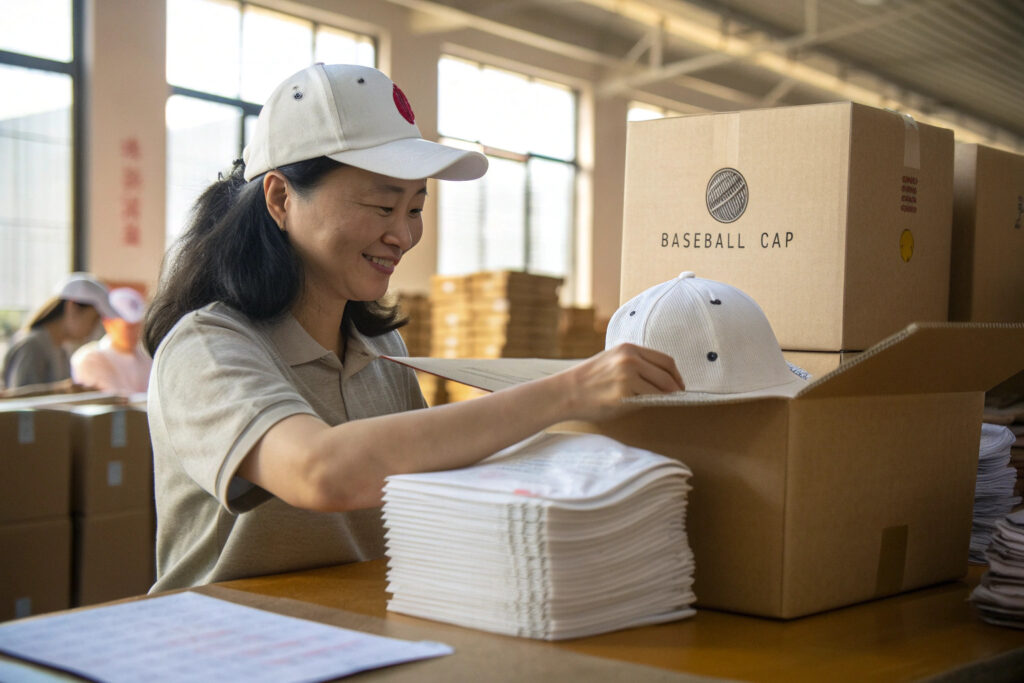
Yes, and this is a powerful retail strategy. If you are selling to a boutique that orders both styles, you can request that we pack a pre-configured assortment. For example, each carton contains 15 trucker hats and 10 bucket hats, pre-ticketed with retail price tags. The boutique owner opens one carton and immediately has a filled display rack.
This pre-pack assembly adds a small packing charge of about $0.10 per carton. But it eliminates the boutique's need to sort and count individual styles. It increases your brand's perceived value as a "plug-and-play" vendor. We apply a retail-ready packaging label to the outer carton that scans both item SKUs. The boutique's inventory system ingests the shipment in one scan.
How Does a Single QC Inspection Work for Two Styles?
You do not need to pay for two separate third-party inspections. You book one pre-shipment inspection for a 500-unit order. The inspector applies the AQL 2.5 standard to the total lot. They pull random samples from the pallet. The sample will naturally include both hat styles in proportion to their order quantity.
The inspector checks both styles against their respective sealed Golden Samples. They write one report with two product sections. The cost of this single inspection is roughly $300 to $350. Booking two separate inspections for two 250-unit orders would cost you $600 to $700. The savings from a combined quality inspection alone can offset the small mixed-style production surcharge.
What Are the Best Style Pairings for a 500-Piece MOQ?
Some style combinations are operationally elegant. Others are a production headache disguised as creativity. I have guided hundreds of small brands through their first mixed-style order. I have learned which pairings flow smoothly through the cutting and sewing floor and which ones create bottlenecks that delay the entire shipment. The best pairings share a fabric weight, a closure philosophy, and a decoration method.
The number one best-selling combination is the structured dad cap paired with the matching bucket hat. Both use the same washed cotton twill fabric. Both use the same unstructured or lightly structured front panel. Both take a simple flat embroidery logo on the center front. The dad cap uses a metal buckle closure. The bucket hat uses a drawcord or elastic. The sewing line for the dad cap and the sewing line for the bucket hat share the same fabric bins and the same embroidery station. The second highly efficient pairing is the retro trucker hat with the classic snapback. Both use a polyester mesh back. Both use a plastic snap closure. Both use a foam-structured front panel. The snapback has a flat brim. The trucker hat has a curved brim. The brin difference is a single pressing operation that happens at the very end of the line. These two pairings cover the vast majority of streetwear, outdoor, and lifestyle brand launches.
The pairing logic is rooted in the physical flow of materials. When you understand which components require a machine change and which do not, you can predict whether a pairing will be smooth or costly. The closure system is the single biggest lever you can pull.
Which Closures Allow Easy Style Switching?
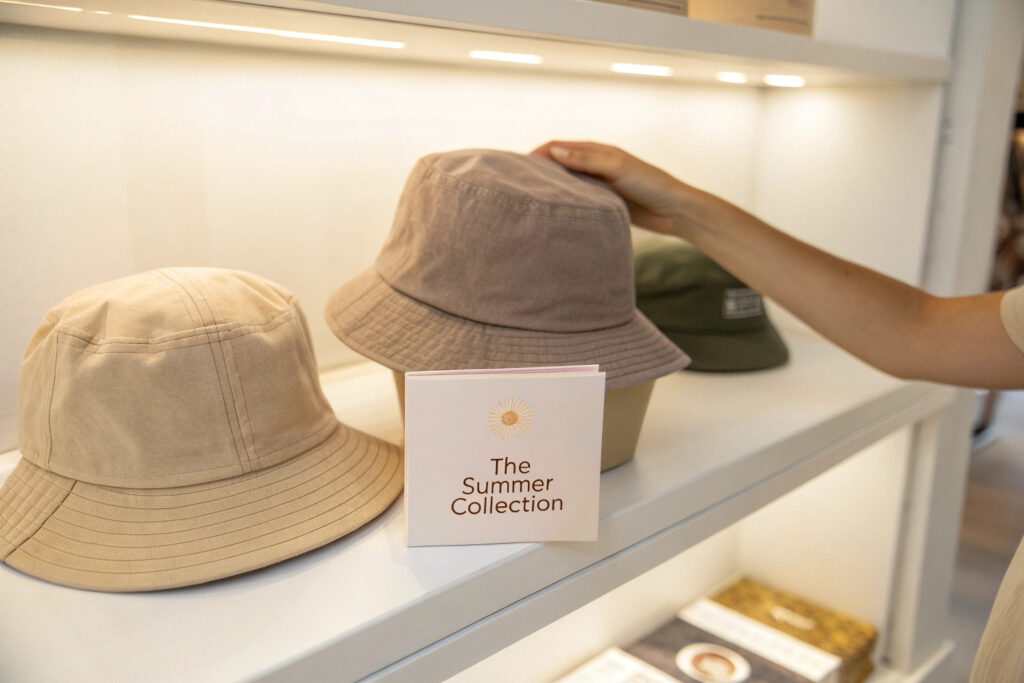
A plastic snap closure is the most interchangeable. It sews onto a trucker hat, a snapback, a five-panel camp cap, and even some high-crown dad caps with zero machine adjustment. If both your styles use a seven-hole plastic snap in matte black, the closure workstation runs uninterrupted all day. The operator simply picks up a different crown panel assembly and sews on the same snap.
A Velcro closure is also highly flexible but requires a different presser foot. A metal buckle requires a different needle and thread tension because the cotton strap is thicker. A leather strap with a brass slider is beautiful but absolutely non-fungible. It ties the style to a specific, slower workstation. For a smooth mixed-style run, I strongly recommend unifying both styles under the same snapback closure system. The closure is not the hero design feature. The fabric and the logo are. Do not let a beautiful brass buckle complicate a smooth production flow.
How Do I Match Fabrics Across Two Different Hat Silhouettes?
Start with a single fabric code and build both hats outward from that code. If you choose a 260 GSM garment-washed cotton twill, use it for the crown of the dad cap and for the entire bucket hat. The fabric arrives on one roll. The cutting table spreads the roll once and cuts the pattern pieces for both styles in a single lay plan. This is called a "combined cut." It maximizes fabric yield. Less waste means lower cost.
Avoid pairing a heavy wool baseball cap with a lightweight linen bucket hat. The temperature settings on the pressing machines are different. The shrinkage rates are different. The dye lots are different. The two styles will look like they came from two different factories. They will also ship at different times if one fabric requires a special finishing treatment. A unified fabric choice creates a unified brand aesthetic. Your customers will feel the coherence. An apparel fabric guide can help you understand weight and drape, but your factory's material library is the most practical decision tool.
Conclusion
A 500-piece minimum order quantity is not a creative limitation. It is a sandbox for a well-planned capsule collection. You can absolutely split the order between a baseball cap and a bucket hat, a trucker hat and a snapback, or any other pairing that shares a fabric, a sweatband, and a closure system. The factories that say no are not wrong. They are simply optimized for a different business model. The right factory, the one that values emerging brands and flexible service, will see your mixed-style order as a normal Tuesday.
I have spent years training our project managers to treat a split-style purchase order as a single integrated production plan. The shared component table, the paired pre-production sample approval, and the combined quality inspection are all standard operating procedures at Global-Caps. We want you to launch your brand with a full hand, not a single card.
If you have a two-style hat collection sketched out and need a factory that can execute it within a single 500-piece production run, let us show you how we do it. Our Business Director, Elaine, can build you a sample cost breakdown that shows the shared component savings and the exact production timeline. Email her at elaine@fumaoclothing.com with your two styles and quantities. We will turn your split order into a seamless, single-shipment delivery.