You negotiate a cap order at $3.25 per unit FOB. You budget $2,800 for a 20-foot container to Los Angeles. The factory ships. While the container crosses the Pacific, a freight spike hits. The spot rate jumps to $5,500. Your freight forwarder sends a revised invoice. You owe an additional $2,700. Your margin on the entire order was $3,000. The freight spike ate 90 percent of your profit. The FOB contract gave you a fixed unit price on the caps. It gave you a variable, unpredictable cost on the freight. The freight volatility was the wolf at the door. The FOB contract left the door open.
DDP shipping protects your hat import margins against 2026 freight spikes by transferring the freight cost risk from the buyer to the seller. Under DDP Incoterms 2020, the seller quotes a single, fixed, all-inclusive price that covers the goods, the export clearance, the ocean or air freight, the import customs clearance, the duties and taxes, and the final delivery to your door. If the spot freight rate doubles between the order date and the ship date, the seller absorbs the increase. Your landed cost is locked at the purchase order stage. The freight market can spike. Your margin stays flat.
At Global-Caps, I offer DDP pricing to my long-term brand clients. I build a freight risk buffer into the DDP quote based on the forward freight futures curve. I carry the volatility. The client carries the caps. The margin is protected.
What Is DDP Shipping and How Does It Differ From FOB for Hat Importers?
You have always imported FOB. You think it gives you control. You negotiate freight rates. You manage customs brokers. You pay duties directly. You believe you are saving money by cutting out the factory's freight margin. When the freight market is stable, you are right. When the freight market spikes, you are exposed. The FOB contract gave you control of the freight procurement. It also gave you 100 percent of the freight risk. The DDP contract transfers the risk to the party best positioned to manage it—the seller who ships containers every week.
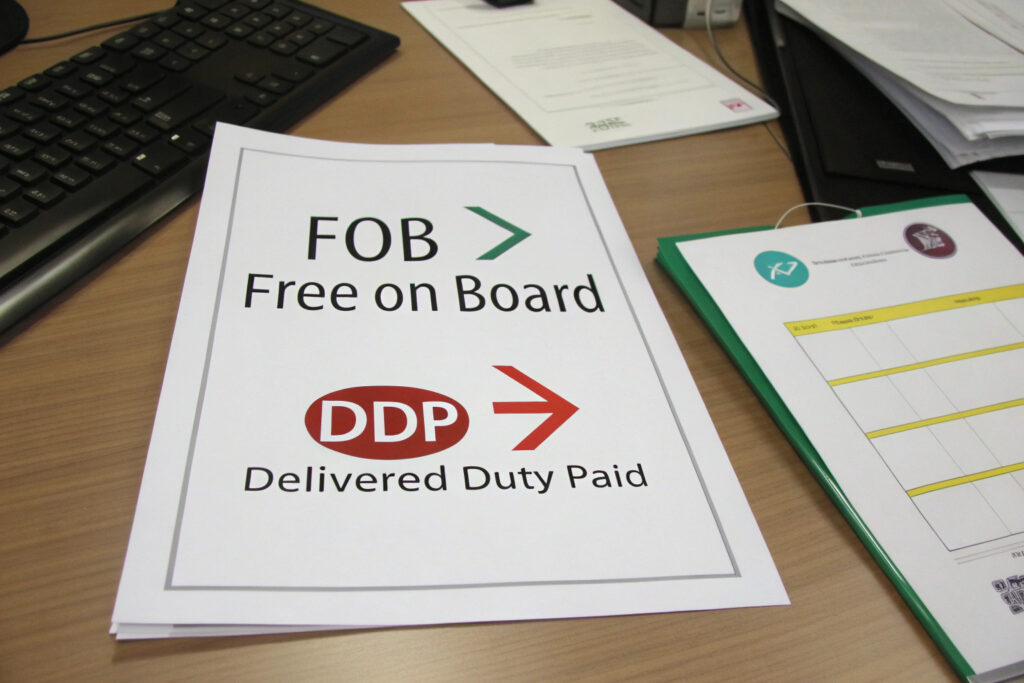
DDP shipping differs from FOB by transferring the freight cost, the freight risk, and the customs clearance responsibility from the buyer to the seller. Under FOB, the buyer selects and pays the freight forwarder, bears the risk of freight rate increases, handles the import customs clearance, and pays the duties directly. Under DDP, the seller selects and pays the freight forwarder, bears the risk of freight rate increases, handles the import customs clearance as the Importer of Record, pays the duties and taxes, and delivers the goods to the buyer's door. The buyer pays one fixed price. The buyer manages one transaction. The freight volatility is the seller's problem.
My DDP contract specifies the exact delivery address, the delivery date, and the all-inclusive price. The price is fixed at the purchase order stage.
The risk transfer point under FOB is the ship's rail at the port of origin. The buyer owns the risk for the longest part of the journey.
Who Pays the Freight Forwarder, Customs Broker, and Duties Under DDP?
Under DDP, the seller pays the freight forwarder, the customs broker, and the duties. The seller selects the freight forwarder and the customs broker. The seller's contract is with these service providers. The seller pays their invoices directly.
The buyer does not receive a separate freight invoice. The buyer does not receive a separate customs duty bill. The buyer does not interact with the freight forwarder or the customs broker. The buyer pays the seller one all-inclusive price. The seller settles all the logistics costs from that payment.
My DDP logistics team manages the freight forwarder relationship, the customs brokerage, and the duty payments. The client sees one invoice. The invoice is the final landed cost.
What Is the Legal Definition of "Delivered Duty Paid" Under Incoterms 2020?
Under Incoterms 2020, DDP means the seller delivers the goods to the buyer when the goods are placed at the disposal of the buyer, cleared for import, on the arriving means of transport, and ready for unloading at the named place of destination. The seller bears all costs and risks involved in bringing the goods to the place of destination, including import customs clearance and the payment of all duties and taxes.
The buyer's only obligation is to unload the goods from the arriving vehicle. The buyer does not handle customs. The buyer does not pay duties. The buyer does not arrange freight. The seller does everything.
My DDP Incoterms clause in the purchase order references Incoterms 2020 explicitly. The legal obligations are clear.
What Caused the 2024-2025 Freight Spikes and Will 2026 See Similar Volatility?
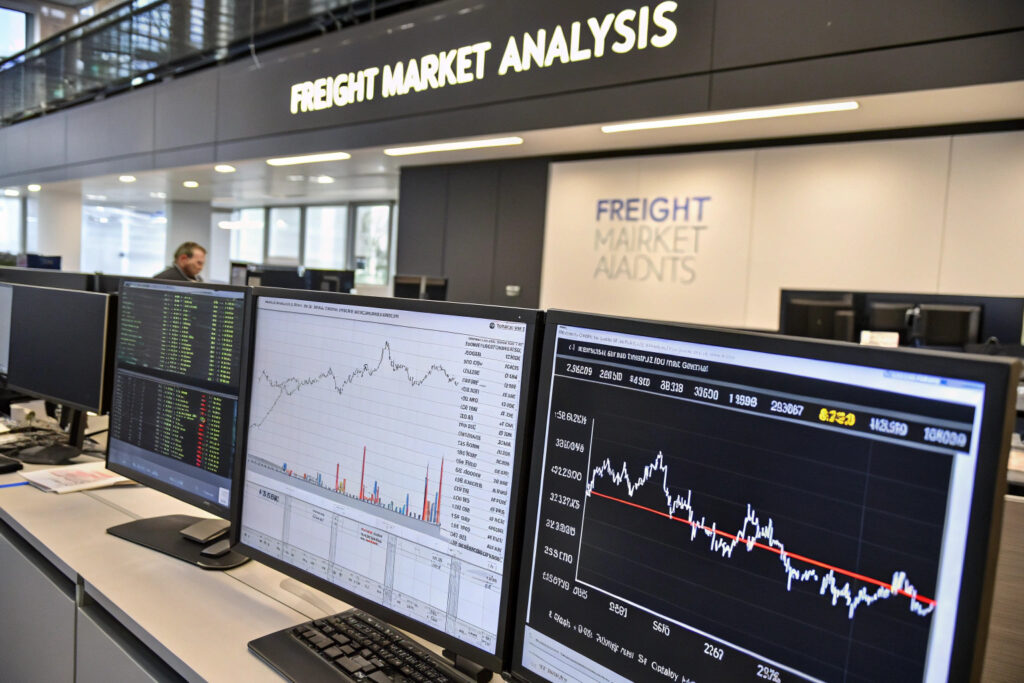
You budget freight at 2025 rates. You assume 2026 will be similar. The assumption is dangerous. The freight market has been structurally volatile since 2020. The Red Sea crisis, port labor disputes, carrier blank sailings, and peak season demand surges have created a market where a container rate can double in a month. The freight rate is not a stable input cost. It is a commodity subject to geopolitical shocks, capacity manipulation, and seasonal demand spikes. Budgeting based on the rate on the day you sign the FOB contract is gambling.
The freight spikes of 2024 and 2025 were caused by a combination of geopolitical disruptions—particularly the Red Sea crisis forcing vessels around the Cape of Good Hope—carrier capacity management through blank sailings, port congestion at major hubs, and peak season demand surges. These structural factors remain in place for 2026. The freight market is expected to remain volatile. The spot rate on the day of shipment can be significantly higher than the rate on the day of order. A DDP contract insulates the buyer from this volatility.
My freight market intelligence is updated weekly. I adjust my DDP risk buffer based on the forward freight futures curve.
The spot rate versus contract rate gap is the killer of importer margins.
How Do Peak Season Surcharges and Blank Sailings Affect Hat Importers?
A Peak Season Surcharge is an additional fee imposed by the shipping line on top of the base freight rate during periods of high demand, typically July through October. The surcharge can add $500 to $2,000 per container. The surcharge is announced with short notice, sometimes after the container is already booked. The importer under FOB terms pays the surcharge as a variable cost on top of the agreed freight rate.
A blank sailing is when a shipping line cancels a scheduled vessel departure to reduce capacity and maintain high freight rates. The importer's container is rolled to the next vessel, delaying the shipment by one to two weeks. The delay can cause the cap shipment to miss the seasonal retail window.
My DDP logistics planning books container slots on contract rates, not spot rates. The contract rate includes peak season surcharge protections.
Why Is the Freight Rate on the Day of Shipment Different From the Day of Order?
The freight rate is a spot commodity price. It fluctuates daily based on supply and demand for container capacity. The rate on the day the purchase order is signed may be $2,800 per container. The rate on the day the goods are ready to ship, six to eight weeks later, may be $4,500 per container. The difference is driven by capacity changes, demand surges, and geopolitical events that occurred during the production period.
Under FOB, the importer pays the rate on the day of shipment. The importer bears the entire increase. Under DDP, the seller pays the rate on the day of shipment. The seller's DDP quote included a buffer for this volatility. The importer's price is unchanged.
My freight rate monitoring tracks the spot market daily. I lock in DDP quotes with a freight risk buffer based on the volatility index.
How Does a DDP Supplier Calculate and Absorb the Freight Risk Buffer?
You receive a DDP quote. The per-unit price is higher than the FOB price plus the current freight rate. You think the supplier is inflating the freight cost. The supplier is not inflating. The supplier is insuring. The DDP price includes a freight risk buffer—a premium over the current spot rate that covers the seller's exposure to a rate increase between the quote date and the shipment date. The buffer is not profit. It is a risk management cost. If the freight rate does not spike, the seller retains the buffer. If the freight rate spikes beyond the buffer, the seller loses money on the freight.
A DDP supplier calculates the freight risk buffer by analyzing the forward freight futures curve, the historical volatility of the specific trade lane, the time horizon between order and shipment, and the seasonal peak surcharge probability. The buffer is typically 5 to 15 percent of the freight cost, depending on the risk profile. The buffer is absorbed into the all-inclusive DDP price. The buyer pays a small premium for freight certainty.
My DDP risk model is updated monthly. The buffer is transparent to the client in the cost breakdown.
The contract rate versus spot rate strategy is how I manage the risk on the carrier side.

What Is the Difference Between a Contract Freight Rate and a Spot Rate?
A contract freight rate is a negotiated rate between a high-volume shipper and a shipping line, fixed for a period—typically three to twelve months. The rate is lower than the spot rate and includes protections against peak season surcharges. The shipper commits a minimum volume. The line guarantees capacity at the contract rate.
A spot rate is the market rate on the day of booking. It is available to any shipper. It fluctuates daily. There is no volume commitment. There is no rate protection.
I ship enough container volume annually to qualify for contract rates with major lines. My DDP quotes are based on contract rates, not spot rates. The contract rate provides a stable cost base.
How Does the Time Gap Between Order and Shipment Increase Freight Risk?
The time gap between the purchase order and the shipment date is typically 6 to 12 weeks for custom headwear production. During that time, the freight market can experience multiple disruptive events. A geopolitical crisis, a port closure, a carrier capacity cut, or a peak season surcharge announcement can all occur and drive up the spot rate.
The longer the time gap, the higher the freight risk. An order placed in June for August shipment faces higher freight volatility than an order placed in August for September shipment. The DDP buffer is calibrated to the time gap.
My production timeline is communicated at the order stage. The DDP buffer is adjusted for the specific shipment window.
What Are the Hidden Costs That DDP Eliminates Beyond the Freight Rate?
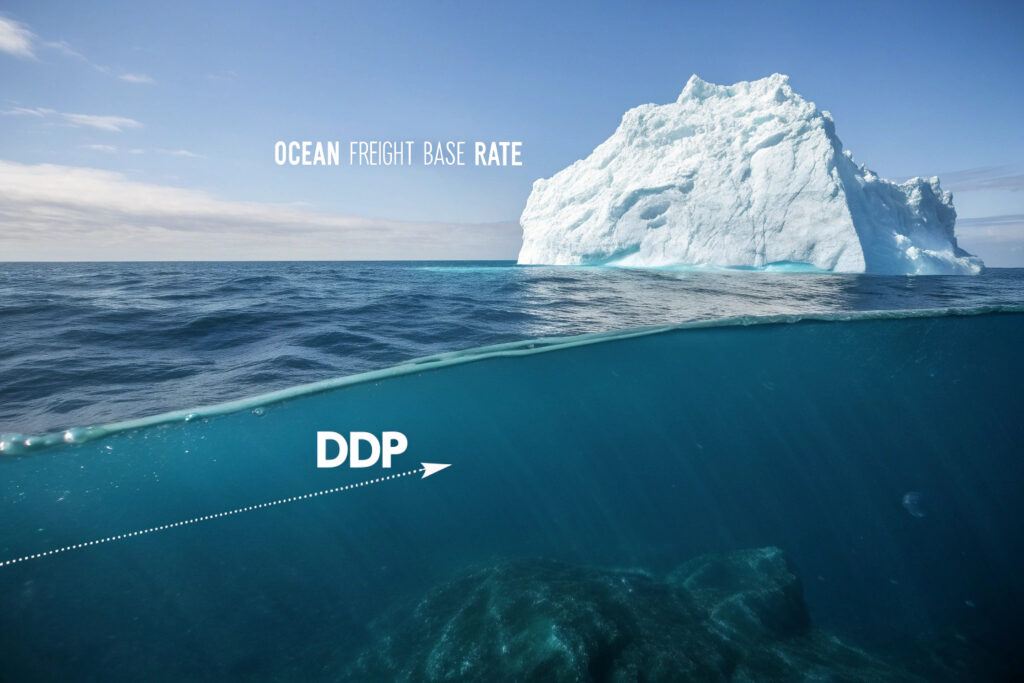
You budget the FOB cap cost plus the ocean freight rate. You forget the Bunker Adjustment Factor. You forget the Port Congestion Surcharge. You forget the customs brokerage fee. You forget the Merchandise Processing Fee. The freight forwarder's final invoice arrives with twelve line items. The total is 40 percent higher than the ocean freight rate you budgeted. The hidden costs of FOB shipping are a death by a thousand surcharges. DDP eliminates the thousand surcharges and replaces them with a single number.
DDP eliminates hidden costs beyond the freight rate, including the Bunker Adjustment Factor, the Currency Adjustment Factor, peak season and port congestion surcharges, customs brokerage fees, the ISF filing fee, the single-entry customs bond fee, the Merchandise Processing Fee, the Harbor Maintenance Fee on ocean freight, courier disbursement fees for duty advancement, and the risk of demurrage and detention charges if customs clearance is delayed. All of these costs are included in the DDP price. The buyer does not receive surprise invoices from the freight forwarder or the customs broker.
My DDP cost breakdown is transparent. I list every included cost category. The client sees where the money goes.
The customs broker's disbursement fee is the most frequent surprise invoice for FOB importers.
What Customs Brokerage and ISF Filing Fees Are Included in DDP?
The customs brokerage fee covers the professional service of the licensed customs broker who prepares and files the customs entry, classifies the goods under the correct HTS code, calculates the duties, and interfaces with Customs on behalf of the Importer of Record. The fee is typically $125 to $250 per entry.
The ISF filing fee covers the preparation and filing of the Importer Security Filing, which must be submitted to US Customs at least 24 hours before the vessel is loaded at the foreign port. The fee is typically $35 to $75 per filing.
Both fees are included in my DDP service. The client does not pay a separate brokerage invoice.
How Does DDP Handle the Merchandise Processing Fee and Harbor Maintenance Fee?
The Merchandise Processing Fee is charged by US Customs on formal entries at 0.3464 percent of the entered value, with a minimum of $27.75 and a maximum of $538.40 per entry. The Harbor Maintenance Fee is charged on ocean freight imports at 0.125 percent of the entered value.
Under DDP, these fees are paid by the seller as the Importer of Record. The fees are included in the all-inclusive DDP price. The buyer does not receive a separate bill from Customs.
My DDP customs entry includes the MPF and HMF on the entry summary. The fees are part of my cost model.
Conclusion
DDP shipping protects hat import margins against 2026 freight spikes by transferring the freight cost risk, the customs clearance responsibility, and the duty payment obligation from the buyer to the seller. Under DDP Incoterms 2020, the seller quotes a fixed, all-inclusive price that covers the goods, the freight, the duties, and all logistics costs. The buyer pays one price. The freight market can spike. The buyer's landed cost does not change.
The freight market is expected to remain volatile in 2026. The structural disruptions of 2024 and 2025—geopolitical crises, carrier capacity management, port congestion, and peak season surges—persist. The spot rate on the day of shipment can be significantly higher than the rate on the day of order. The FOB importer bears this risk. The DDP importer is insulated.
The DDP supplier manages the freight risk through contract rates with shipping lines and a freight risk buffer built into the all-inclusive price. The buffer is a small premium for certainty. The DDP price also eliminates the hidden costs of FOB shipping—the surcharges, the brokerage fees, the MPF, the HMF—that can inflate the total logistics cost by 30 to 50 percent above the base ocean freight rate.
At Global-Caps, I offer DDP shipping to my brand clients as a margin protection tool. My freight contract rates provide a stable cost base. My risk buffer is transparent. My customs brokerage is integrated. The client's landed cost is locked at the purchase order stage. The freight market can do what it wants. The client's margin is protected.
If you want DDP shipping for your next cap order to eliminate freight spike risk from your business, contact my Business Director Elaine. She can provide an all-inclusive DDP quote, a transparent cost breakdown, and a comparison of your current FOB landed cost versus our fixed DDP price. Email Elaine at elaine@fumaoclothing.com. Let's lock your margin and leave the freight volatility to us.