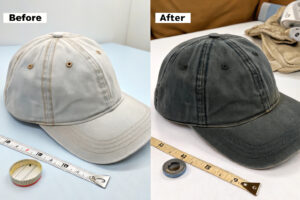
You order 10,000 snapback caps. The plastic closure feels perfect. The caps sell well. Then you get an email from your EU distributor. The market surveillance authority tested your caps. The plastic snap closure contains DEHP phthalate at 0.5% by weight. The legal limit is 0.1%. Your entire shipment is impounded. You face a fine. You have to recall the caps from stores. The cost of the recall is ten times the cost of the caps. A tiny plastic strap just killed your business.
REACH regulations restrict phthalates in adjustable plastic snapback closures to a maximum concentration of 0.1% by weight of the plasticized material for four specific phthalates: DEHP, DBP, BBP, and DIBP. These four are listed on the REACH Annex XVII restricted substances list, Entry 51. The restriction applies to any plastic component that comes into prolonged contact with human skin. A snapback closure sits against the back of the wearer's head for hours. It falls squarely under this restriction. The regulation is not a guideline. It is a law with criminal penalties in EU member states.
I reformulated my entire plastic snapback supply chain in 2019 when the restriction expanded. It was a painful six months. I had to fire a buckle supplier who refused to switch to phthalate-free plasticizers. It cost me time and money. But it saved my EU market access.
What Specific Phthalates Are Restricted Under REACH Annex XVII?
You ask your supplier, "Is the plastic closure phthalate-free?" They say "Yes." You trust them. But they only tested for DEHP. They didn't test for DIBP. The closure has DIBP at 0.3%. Your test lab finds it. The supplier shrugs. "You didn't ask for DIBP." The ignorance is as dangerous as the deception.
REACH Annex XVII Entry 51 restricts four phthalates: DEHP (bis(2-ethylhexyl) phthalate), DBP (dibutyl phthalate), BBP (benzyl butyl phthalate), and DIBP (diisobutyl phthalate). These four are classified as toxic for reproduction, category 1B. They disrupt the human endocrine system. They leach out of soft PVC plastic over time. The restriction applies individually and in combination. The sum of the four must be below 0.1% by weight.
The fifth phthalate to watch is DINP. It is not in Entry 51 for all articles. But it is on the Candidate List of Substances of Very High Concern. If your customer has a strict Restricted Substances List, they will also require DINP below 0.1%. I test for all five to be safe. Testing for four is compliance. Testing for five is market leadership.
The plastic type matters. PVC is the villain. Other plastics are usually phthalate-free by nature. You must know the polymer before you test.
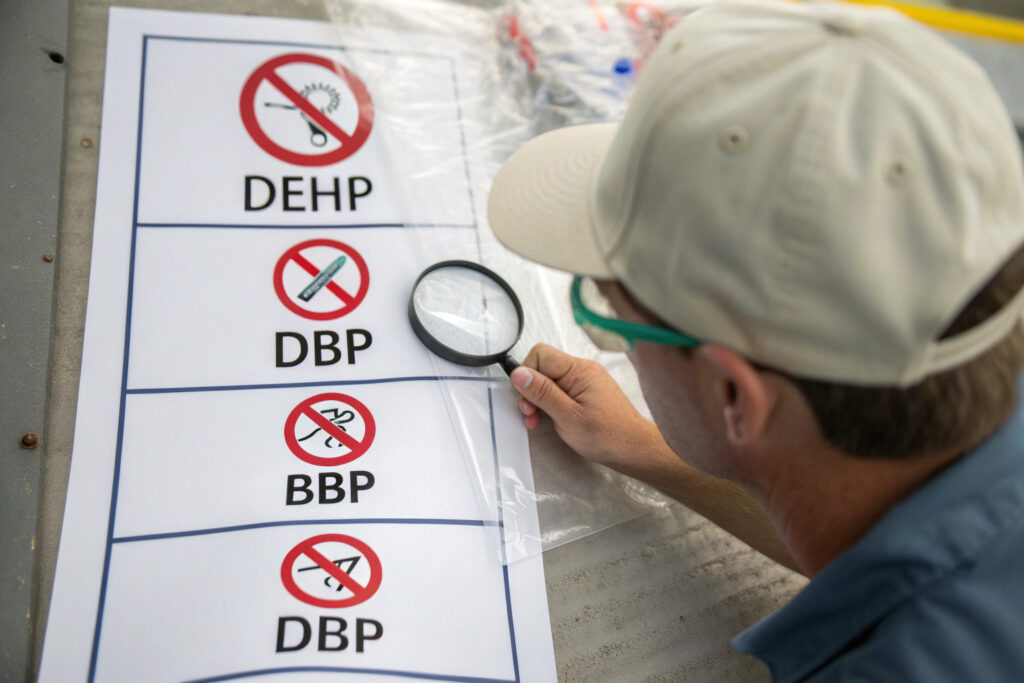
Why Is PVC the Main Culprit for Phthalates in Hat Closures?
Polyvinyl chloride (PVC) is a hard, brittle plastic. To make it flexible enough for a snapback strap, manufacturers add plasticizers. Phthalates are the cheapest and most effective plasticizers. They slip between the PVC polymer chains and act like tiny ball bearings, allowing the chains to slide. The plastic becomes soft and bendable.
A PVC snapback strap can be 20% to 40% phthalates by weight. That is 200 to 400 times the legal limit. The plasticizer is not chemically bonded to the PVC. It migrates out over time. The strap gets stiff and brittle as the phthalates escape. The escaping phthalates transfer to the wearer's skin and hair.
I switched my plastic snapback straps from PVC to thermoplastic polyurethane (TPU) and polypropylene (PP) years ago. TPU is flexible without plasticizers. It is a block copolymer with built-in soft and hard segments. PP is semi-rigid but acceptable for a snap closure with a living hinge design. Neither material requires phthalate plasticizers. The switch cost was about 15% more per unit. The risk elimination was 100%.
How Do Laboratories Test for Phthalate Content in Plastic Accessories?
A testing lab does not look at the plastic and guess. They use a gas chromatograph with a mass spectrometer detector (GC-MS). The process is chemical extraction followed by instrumental analysis.
The lab technician cuts a small piece of the plastic closure, weighs it to the milligram, and places it in a glass vial. They add a solvent, typically tetrahydrofuran (THF) or dichloromethane. The solvent dissolves the plastic and extracts the phthalates. The solution is filtered and injected into the GC-MS machine. The machine separates the different phthalates based on their boiling point and identifies them by their unique mass spectrum.
The test method is usually CPSC-CH-C1001-09.4 or EN 14372. The lab issues a report listing each phthalate found and its concentration as a percentage by weight. I require my plastic accessory suppliers to submit a third-party test report from an ISO 17025 accredited lab with every batch. I do not accept a one-time certificate. The plasticizer formulation can change between batches if the supplier switches chemical vendors.
Why Does the 0.1 Percent Threshold Matter for Snapback Hat Importers?
You read "0.1% threshold." It sounds like a tiny number. You think, "What's the difference between 0.1% and 0.2%? It's basically zero." The customs laboratory does not round down. 0.11% is a fail. The shipment is rejected. The cost is real. The 0.1% threshold is a hard legal line.
The 0.1 percent threshold matters because it is the legal limit for placing the article on the EU market. It is a concentration limit by weight of the homogeneous material, not the whole cap. The plastic closure is a homogeneous material. If the closure weighs 5 grams and contains 6 milligrams of DEHP, it is over the limit. The threshold is not negotiable. There is no "acceptable quality level" for a banned substance. One closure over the limit makes the entire shipment non-compliant.
The enforcement is getting stricter. EU market surveillance authorities use handheld XRF scanners at ports. They can test a plastic strap in 30 seconds without destroying the sample. If the XRF screening is positive, they send the sample to a lab for confirmation. The shipment is held until the lab result comes back. The demurrage charges pile up.
The calculation of "homogeneous material" is a critical legal concept. It prevents the supplier from averaging a toxic plastic part with a clean fabric part.

What Is the Definition of "Homogeneous Material" Under REACH?
A homogeneous material is a material of uniform composition throughout that cannot be mechanically separated into different materials. Plastic is a homogeneous material. A coating is a homogeneous material. A metal alloy is a homogeneous material.
A snapback closure is not one article. It is an assembly of components. The plastic strap is one homogeneous material. The rubber grip coating on the strap is a second homogeneous material. The metal spring inside the snap button is a third. Each homogeneous material must individually meet the 0.1% threshold. You cannot mix the clean metal spring with the dirty plastic strap and average the phthalate concentration.
I separate the material declaration for every component of the closure. The strap supplier provides a test report for the plastic body and a separate test report for the rubber coating. The REACH definition of homogeneous material forces a granular approach. It is a forensic accounting of chemistry. You need a supplier who understands this legal distinction.
How Do Customs Authorities Enforce Phthalate Limits at EU Borders?
Customs uses a risk-based targeting system. They look at the product category, the country of origin, and the importer's history. Snapback caps from China are a flagged category because of the high volume of PVC accessories. The customs officer pulls a sample from the shipment. They scan it with a handheld XRF analyzer.
XRF (X-ray fluorescence) detects the total chlorine content as a marker for PVC and gives a semi-quantitative reading for phthalates. It is a screening tool, not definitive. If the XRF shows a positive signal for phthalates above 0.1%, the customs officer detains the shipment and sends a formal sample to a laboratory. The RAPEX system records the violation. The product is listed publicly as a dangerous consumer good.
I advise my EU clients to include a declaration of conformity and a third-party phthalate test report in the shipping documents pouch attached to the commercial invoice. The report number is referenced on the packing list. This proactive documentation often satisfies the customs officer and prevents a physical hold. It signals that the importer has done their legal due diligence.
How Can You Source Phthalate-Free Plastic Snapback Adjusters?
You ask your existing hat supplier for a phthalate-free snapback. They say they don't have one. They only offer the standard PVC strap. You are stuck. You either accept the risk or you cancel the order. You feel like the industry hasn't caught up to the regulation. It has. You are just talking to the wrong supplier.
You source phthalate-free plastic snapback adjusters by working with a headwear manufacturer that has an established supply chain for TPU or PP closures. These materials are inherently phthalate-free because they do not require plasticizers. You also request a valid third-party test report for each batch, and you consider switching to a metal or fabric strap as a radical simplification.
I keep a library of tested, approved snapback closures in my sample room. When a new client specifies a snapback cap, I show them the three phthalate-free options. The design is functionally identical. The customer does not notice the difference. The legal risk is zero.
There are two approaches. You can substitute the material of the plastic strap. Or you can eliminate the plastic strap entirely and use a different closure mechanism.
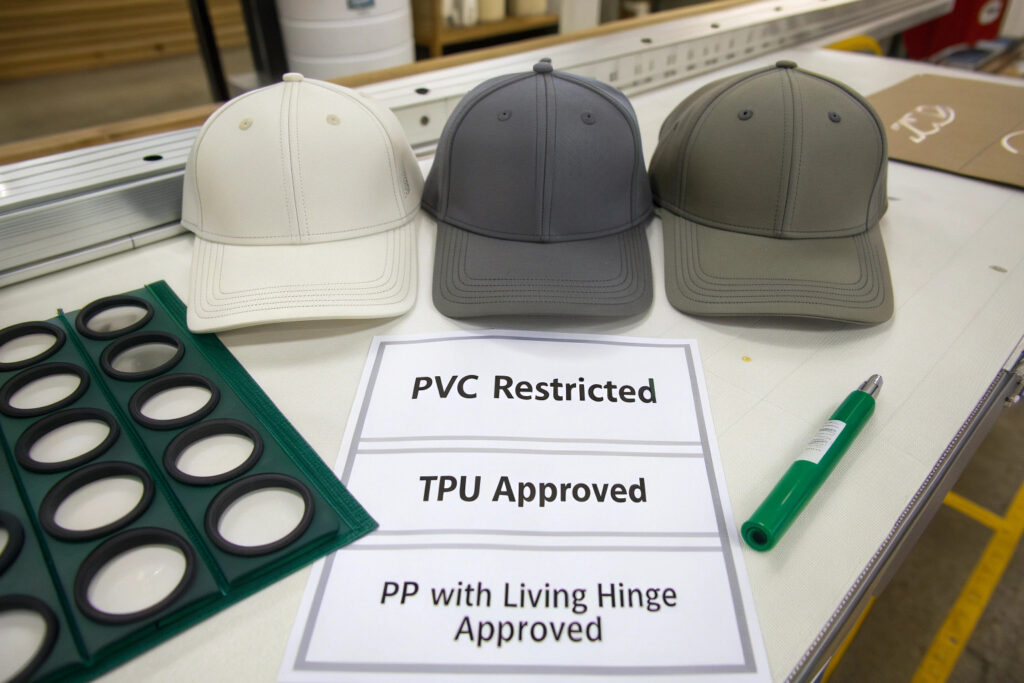
What Are the Best TPU and Silicone Alternatives to PVC Closures?
TPU (thermoplastic polyurethane) is the leading alternative. It has the same soft, flexible feel as soft PVC. It is transparent, translucent, or opaque depending on the formulation. It is resistant to oils, sweat, and abrasion. It is recyclable. Silicone is a premium alternative. It is extremely soft and skin-safe. It is used in medical devices and baby products.
TPU snapback straps are slightly more expensive than PVC. The raw material cost is higher. The injection molding temperature is higher, consuming more energy. But the processing is similar. The same mold can often run TPU with minor adjustments. Silicone requires a different molding process, usually compression molding. It is more expensive and slower.
I source my TPU adjusters from a specialist plastic injection molding factory in Dongguan. They are ISO 9001 certified. They provide a batch-specific phthalate test report. The silicone option is used for premium athleisure caps. The cost is $0.12 per unit versus $0.04 for PVC. The price difference is shrinking as demand shifts.
Can a Metal or Fabric Strap Bypass the Phthalate Problem Entirely?
Yes. A metal buckle or a fabric strap with a metal D-ring contains no plastic. There is zero phthalate risk. The REACH regulation is irrelevant to a metal component. A fabric strap, made of cotton or polyester webbing, is also phthalate-free by nature unless coated with a PVC plastisol ink.
A metal snap buckle is a classic look. It is heavier and more expensive than plastic. It is used in premium streetwear snapbacks. A fabric strap with a metal slide adjuster is a more casual look. It is used in dad hats and beach hats.
I recommend the metal buckle for brands that want a zero-chemical-risk closure and are willing to pay the $0.25 to $0.40 per unit cost. I recommend the fabric strap for brands that want a soft, comfortable, and fully textile solution. Both options completely eliminate the phthalate testing requirement. The cost is higher, but the testing, compliance, and risk costs are lower.
What Testing Documentation Proves REACH Compliance for Hat Components?
The supplier sends an email. "Our products are REACH compliant." That's it. One sentence. No attachment. No report number. No lab name. You accept it. You forward it to your EU customer. The customer's compliance officer rejects it. "This is not valid documentation. This is a marketing claim." You look unprofessional. You lose the sale.
The testing documentation that proves REACH compliance for hat components includes an ISO 17025 accredited laboratory test report showing phthalate content below 0.1% for each homogeneous material, a REACH Declaration of Conformity signed by the manufacturer, and a material traceability record linking the test report to the specific production batch.
I prepare a compliance pack for every EU-bound order. The pack has a cover sheet listing the report numbers, the tested components, the test results, and the lab accreditation details. The buyer's compliance officer can file the pack in their technical documentation for market surveillance. It takes me 30 minutes to assemble. It saves the buyer days of chasing emails.
The laboratory report is the scientific evidence. The supplier declaration is the legal promise. You need both. One without the other is incomplete.
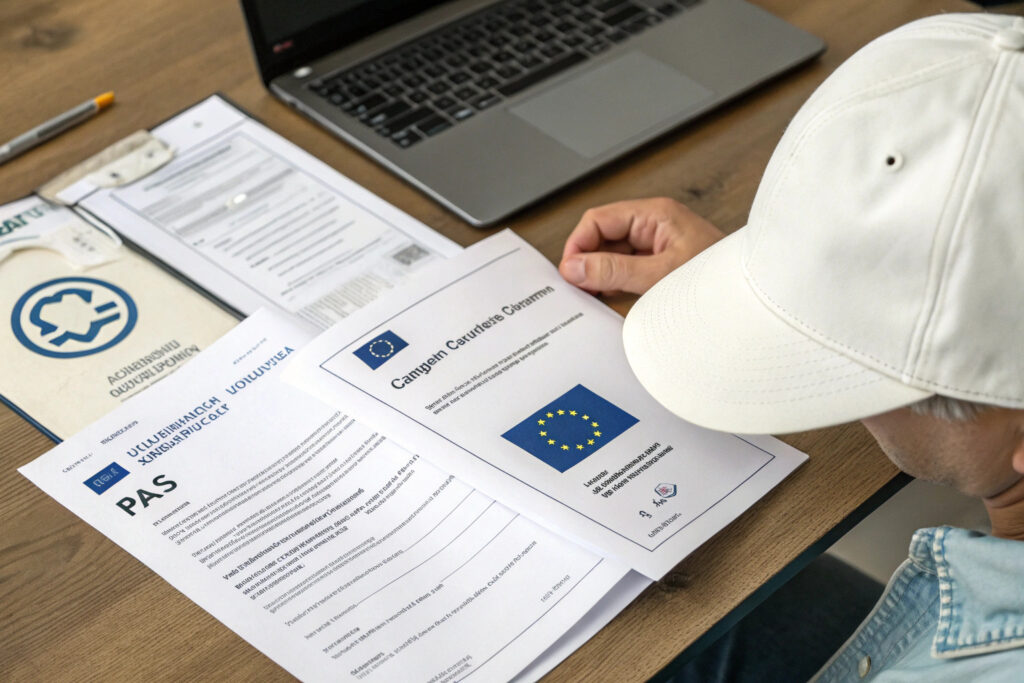
What Is an ISO 17025 Accredited Phthalate Test Report?
An ISO 17025 accreditation is the international standard for testing and calibration laboratories. It means the lab's technical competence and quality management system have been independently audited. A test report from an ISO 17025 accredited lab is legally admissible in a court or a regulatory proceeding.
The report contains the lab's name, address, and accreditation number. It lists the test method used, the sample description, the date of receipt, the test date, and the result. The result states the concentration of each phthalate in milligrams per kilogram or as a percentage by weight. The report is signed by an authorized signatory. The accreditation logo is present.
I only accept reports from Intertek, SGS, Bureau Veritas, or TÜV Rheinland. These are the global leaders. Their reports are trusted by EU customs. A report from a small local lab with no international accreditation is often rejected.
How Often Should Phthalate Testing Be Repeated for Ongoing Hat Production?
A one-time test is a snapshot. The plastic formulation can change. The supplier can switch to a cheaper raw material supplier without telling you. The new material contains phthalates. Your old test report is now a lie.
I repeat phthalate testing at a minimum of once per year for each plastic component. If the annual order volume exceeds 100,000 units, I test every six months. If the supplier changes their raw material supplier, I test the next batch immediately.
The testing frequency is based on risk. A long-term supplier with a consistent formulation and a transparent supply chain is lower risk. A new supplier or a supplier offering a suspiciously low price is high risk. I test every new supplier's first batch. The cost of the test is $150. The cost of a RAPEX notification and recall is brand-destroying. The math is simple.
Conclusion
REACH regulations affect phthalates in adjustable plastic snapback closures by setting a hard legal limit of 0.1% by weight for DEHP, DBP, BBP, and DIBP in each homogeneous material. The restriction applies to any plastic component in prolonged skin contact. A snapback strap is a textbook example. PVC straps are the high-risk component because they require phthalate plasticizers for flexibility. TPU, silicone, metal, and fabric straps are the available, compliant alternatives.
Testing documentation is the proof. An ISO 17025 accredited lab report, a signed REACH Declaration of Conformity, and a batch traceability record form the compliance pack. Testing must be repeated periodically and whenever the material supply chain changes. Customs authorities enforce the limits at the EU border with XRF screening and lab confirmation.
Ignorance is not a defense. The importer of record is legally responsible. The brand whose logo is on the cap is publicly shamed in the RAPEX database.
At Global-Caps, I treat REACH compliance as a core factory capability. I do not use PVC in my standard snapback closures. My supply chain for TPU and metal closures is tested, documented, and transparent. I provide a complete compliance pack with every EU order so my buyers sleep well at night.
If your current snapback supplier cannot give you a straight answer about phthalates, contact my Business Director Elaine. She can send you a sample of our TPU snapback closure with the matching phthalate test report. Email Elaine at elaine@fumaoclothing.com. Let's keep your caps on the shelf and out of customs detention.