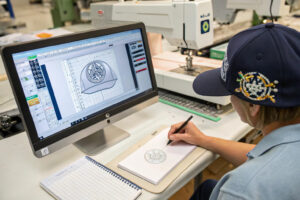
Receiving a proton therapy diagnosis is a journey that requires immense strength and focuses on healing. As you and your medical team concentrate on the treatment, practical concerns like managing hair loss and protecting a newly sensitive scalp become an important part of daily life. The simple act of choosing a hat is no longer about fashion; it's about finding comfort, dignity, and a sense of normalcy during a challenging time.
As someone who has dedicated my life to the craft of headwear, I believe a hat can be more than just a covering—it can be a source of comfort and confidence. For a proton therapy patient, the best headwear is not a single style but a collection of ultra-soft, seamless, and breathable hats made from natural, non-irritating fabrics. The key priorities are gentleness against the skin, temperature regulation, and a secure but non-restrictive fit.
This is a topic that transcends business for me. At Shanghai Fumao Clothing, while we are a large-scale manufacturer, the principles of creating something that is truly comfortable and serves a person's needs are at the heart of what we do. Let's walk through the most gentle and practical headwear options to help you or your loved one find comfort during the treatment journey.
Why Does Proton Therapy Require Special Headwear?
Proton therapy is a precise and advanced form of radiation treatment. While it is designed to target tumors with minimal damage to surrounding tissue, treatment to the head or brain can still lead to side effects, including hair loss (alopecia) and significant skin sensitivity in the treated area. This creates a unique set of needs that standard hats cannot meet.
The primary considerations are:
- Extreme Skin Sensitivity: The skin on the scalp can become very tender, dry, and sensitive, similar to a sunburn. Rough fabrics, seams, and tight elastic bands that would normally go unnoticed can cause significant irritation and discomfort.
- Temperature Regulation: Hair provides natural insulation. Without it, you can feel cold very easily, even indoors. Conversely, a hat made from the wrong material can trap heat and sweat, leading to overheating and irritation. The scalp needs to breathe.
- Sun Protection: The scalp, now exposed, is extremely vulnerable to UV radiation. A hat must provide adequate sun protection (UPF 30+ or higher) whenever outdoors.
- Emotional Comfort & Dignity: Hair loss can be an emotionally difficult experience. A soft, comfortable, and stylish hat can provide a sense of security, privacy, and normalcy, allowing the wearer to face the world on their own terms.
A hat is no longer just an accessory; it becomes a functional, protective, and comforting layer. The focus must shift entirely from fashion trends to the science of gentle, skin-friendly materials.

Is hair loss from proton therapy permanent?
Hair loss from radiation therapy to the head can be temporary or permanent, depending on the dose of radiation received. The hair may start to fall out 2 to 3 weeks into treatment. In many cases, it begins to grow back within 3 to 6 months after treatment ends, though it may have a different texture or color. Medical organizations like the American Cancer Society provide detailed information and support for patients experiencing treatment-related hair loss.
What is UPF and why is it important?
UPF stands for Ultraviolet Protection Factor. It measures how much UV radiation (both UVA and UVB) a fabric allows to reach your skin. A fabric with a UPF of 30 will allow only 1/30th (or about 3.3%) of the sun's UV rays to pass through. For a sensitive, exposed scalp, choosing headwear with a certified UPF rating is a critical part of preventing sunburn and further skin damage.
What Are the Most Gentle and Breathable Materials?
This is the most important factor. For a sensitive scalp, the material of the hat is everything. The goal is to find fabrics that are incredibly soft, breathable, and free from potential irritants.
The best and most recommended materials are:
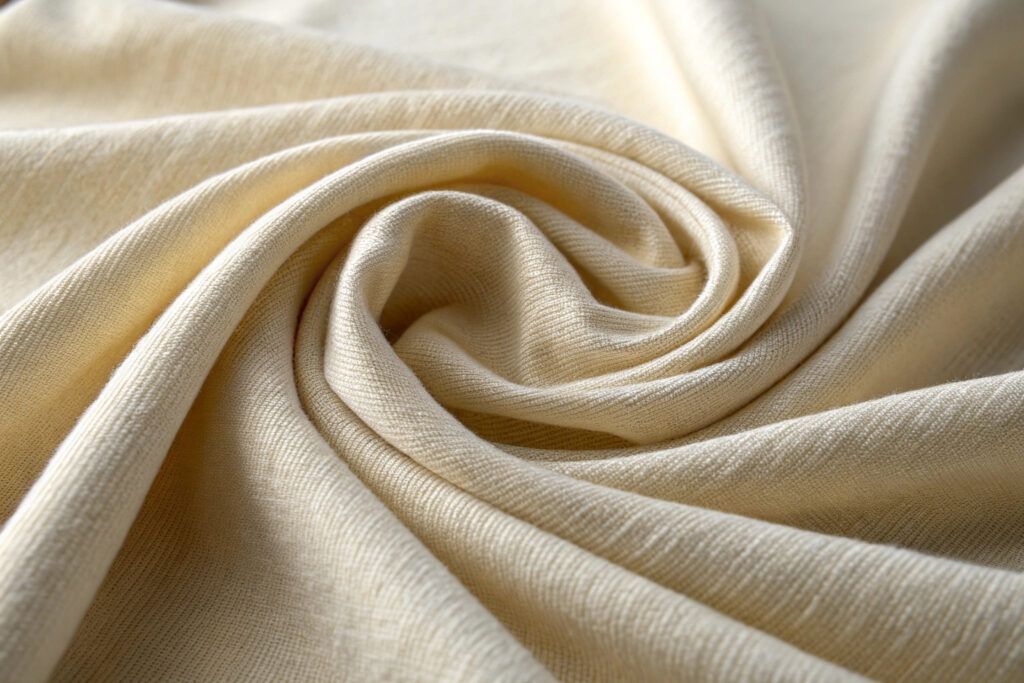
- Bamboo Viscose: This is often considered the gold standard for "chemo caps." Fabric made from bamboo is exceptionally soft—often compared to silk or cashmere. It is highly breathable, moisture-wicking, and has natural temperature-regulating properties, helping you stay cool when it's warm and warm when it's cool.
- TENCEL™ Modal: Similar to bamboo, TENCEL™ Modal is a fiber made from sustainably sourced beech wood. It is renowned for its exquisite softness and is even more effective than cotton at wicking moisture away from the skin, keeping the scalp dry and comfortable.
- High-Quality Cotton Knits: If you opt for cotton, it must be a very high-quality, soft knit like a pima or supima cotton jersey. Avoid rough canvas or twill. A soft, stretchy cotton knit is breathable and gentle, though it won't manage moisture as effectively as bamboo or Modal.
- Silk or Silk Blends: A silk-lined cap can be a wonderful option, especially for sleeping. Silk is incredibly smooth, reducing friction on a tender scalp.
Materials to Avoid:
- Rough Wools: Traditional wool can be very itchy and irritating.
- Stiff Synthetics: Avoid coarse polyesters or nylons that don't have a soft finish.
- Open-Weave Straw: While good for sun, the rough texture can be very abrasive on a sensitive scalp.
At our company, we source these specific high-end knits for clients creating headwear for medical or wellness purposes. We understand that the "hand feel" and purity of the material are paramount. This careful material selection is the foundation for creating a truly comfortable and practical design.
Is bamboo fabric really sustainable?
It depends on the manufacturing process. While bamboo as a plant grows quickly without pesticides, the process of turning it into viscose fabric can be chemically intensive. However, companies that use a "closed-loop" process, where chemicals are recycled and reused, have a much better environmental profile. Look for certifications like OEKO-TEX® to ensure the final product is free from harmful substances.
What is the OEKO-TEX® STANDARD 100?
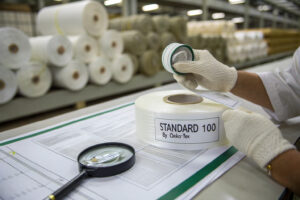
It is a worldwide, independent testing and certification system for textile products. If a hat carries the STANDARD 100 label, it means that every single component—from the thread to the fabric itself—has been tested for a long list of harmful substances and has been found to be harmless to human health. For a medical-use hat, this certification provides crucial peace of mind.
What Are the Best Hat Styles for Comfort and Versatility?
Once you've chosen the right material, the style of the hat determines its function and comfort. The best approach is to have a small collection of different styles for different situations—one for sleeping, one for wearing around the house, and one for going outdoors.
The most recommended styles are:
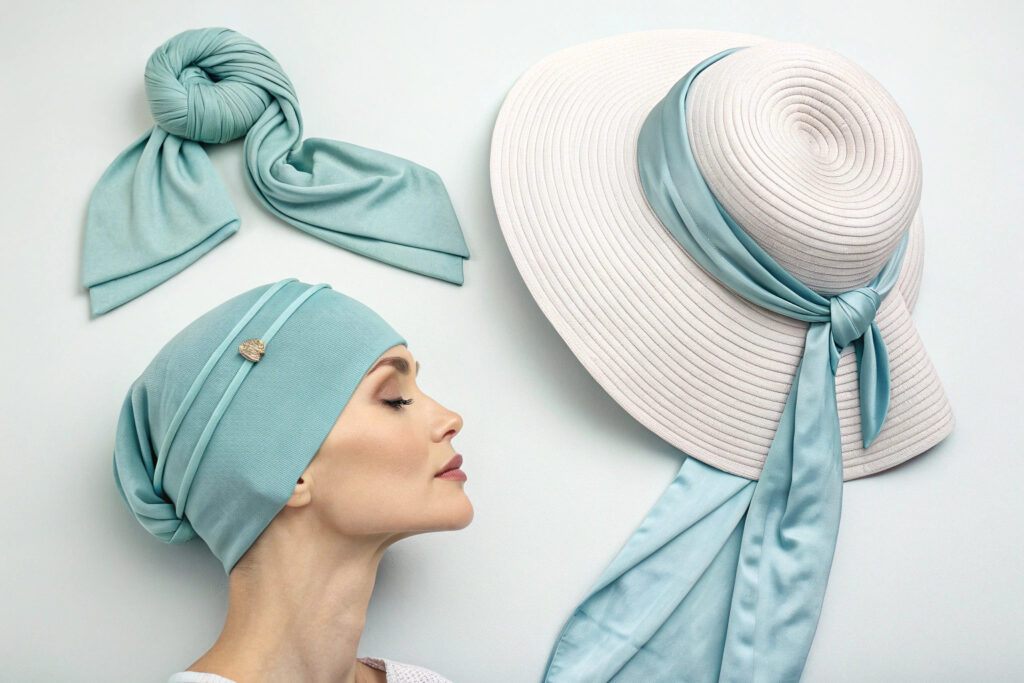
1. The Seamless Slouchy Beanie: This is the essential, everyday hat. The key word is seamless. A good "chemo beanie" is knitted in a circle or has flatlock seams that won't irritate the scalp. The "slouchy" design adds a bit of volume, which can create a more flattering silhouette than a tight-fitting cap. It's perfect for wearing indoors and can be used as a liner under other hats.
2. The Pre-Tied Scarf or Turban: For a more elegant or dressed-up look, a pre-tied scarf or turban is a wonderful option. It provides the stylish look of a beautifully wrapped scarf without the difficulty of tying it, which can be challenging if you are feeling fatigued from treatment. They are often designed with soft elastic at the back for a secure but gentle fit.
3. The Soft Sun Hat: For going outside, a hat with a wide brim is essential for sun protection. However, a stiff straw hat can be uncomfortable. Look for a sun hat made entirely from a soft, UPF-rated fabric. A "bucket hat" style with a flexible brim is an excellent choice, as it's crushable, comfortable, and provides 360-degree shade.
4. The Sleep Cap: A dedicated sleep cap made from bamboo, silk, or soft cotton is highly recommended. It will keep your head warm during the night and protect the sensitive skin on your scalp from rubbing against a pillowcase. It needs to be completely seamless and have a very gentle, non-restrictive fit.
The common thread through all these styles is a focus on interior construction. It's what's inside the hat that counts. This is a core principle we follow when designing any headwear for sensitive applications. The inside must be as smooth and clean as the outside. This is the most important part of the sourcing process.
What is a "flatlock" seam?
A flatlock seam is a special stitch that joins fabric layers without creating a raised ridge on the inside. The seam lies completely flat against the skin, eliminating a major source of potential irritation. It's a key feature to look for in any high-quality garment designed to be worn against sensitive skin.
How do I choose the right size?
Many hats designed for patients come in different sizes (e.g., S/M, L/XL). It's a good idea to measure your head with a soft tape measure to find the best fit. A hat should feel secure but not tight. It shouldn't leave any marks on your skin when you take it off.
Where Can You Find These Specialized Hats?
Finding headwear that meets these specific needs can be challenging in a standard department store. You need to look for retailers and brands that specialize in products for cancer patients.
Here are the best places to look:
- Specialty Online Retailers: There are many wonderful online stores dedicated to providing products for people undergoing cancer treatment. Search for terms like "chemo headwear," "hats for cancer patients," or "alopecia headwear." These retailers, such as Turban Plus or Hats, Scarves & More, have already curated the softest and most comfortable styles.
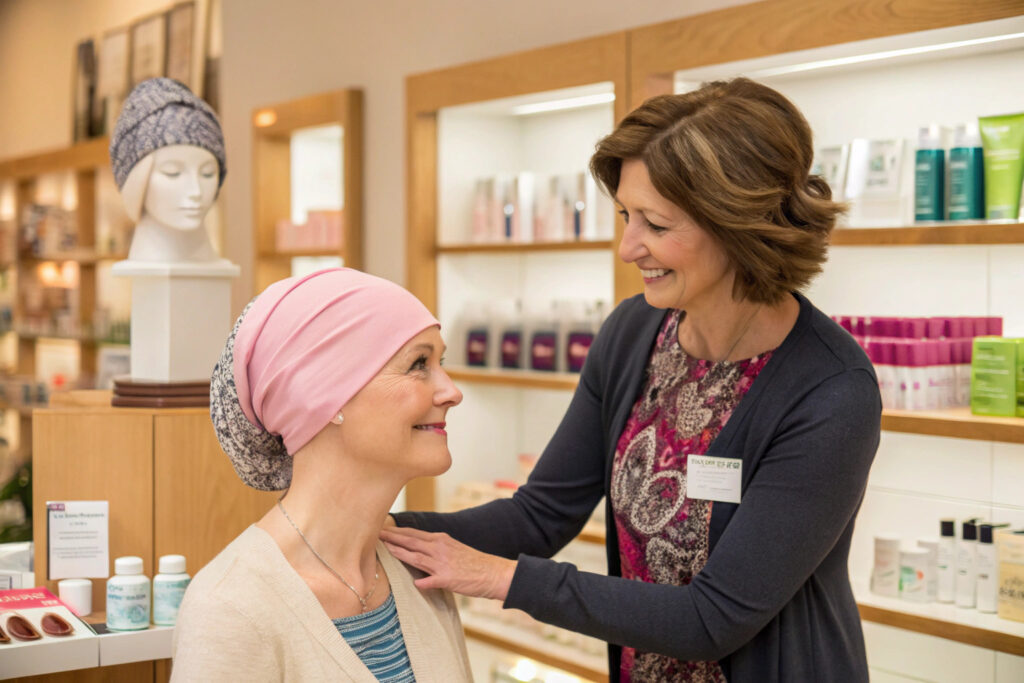
- Hospital Boutiques and Cancer Centers: Many larger hospitals and cancer treatment centers have their own boutiques or resource centers that stock a selection of headwear, wigs, and other products specifically for patients.
- Direct from Specialty Brands: Some brands focus exclusively on this market. They often have their own websites where you can learn about their materials and purchase directly.
- Working with a Custom Manufacturer: For organizations, support groups, or hospitals looking to provide these hats in bulk, working directly with a manufacturer like us is the best approach. We can help you design and produce a line of headwear to your exact specifications of softness, material, and style, often at a more affordable cost for larger quantities.
When shopping, read product descriptions carefully. Look for the key phrases we've discussed: "seamless," "bamboo," "modal," "soft cotton knit," and "specifically for sensitive scalps."
Where Can You Find Authentic Chef Hats for Professional Kitchens?
If you're a culinary student, a professional chef, or even a passionate home cook aiming for authenticity in your kitchen attire, you might wonder where to get genuine chef hats—also known as toques or toques blanches. These iconic head coverings, typically white and often tall with a rounded crown and a brim that sits just above the eyebrows, are more than just a fashion statement; they serve a practical purpose by keeping hair, sweat, and contaminants out of food during preparation.
Can You Really Buy Military-Style Berets Outside the Armed Forces?
Yes—you absolutely can! While military berets (like the U.S. Army’s maroon or green berets, or the British Royal Tank Regiment’s black beret) are iconic symbols of elite units, civilian versions are widely available for collectors, reenactors, fashion enthusiasts, or veterans.
Conclusion
During proton therapy, choosing a hat is an act of self-care. It's about prioritizing your own comfort and well-being during a time when your body is working hard to heal. By focusing on incredibly soft, breathable, and natural materials, and choosing seamless, non-restrictive styles, you can find headwear that feels like a gentle hug for your head. A soft beanie for home, a stylish turban for an outing, and a protective sun hat for the outdoors can provide a complete wardrobe of comfort and confidence.
This is a journey of immense courage, and every small comfort can make a big difference. On behalf of myself and my team, we extend our heartfelt support and hope that you find the perfect, gentle companions for your head as you walk the path to recovery.
If you are part of an organization that supports patients and you are interested in creating a custom line of high-quality, compassionate headwear, please know that we would be honored to help. You can contact our Business Director, Elaine, at her email: elaine@fumaoclothing.