Every year, millions of devout Muslims undertake the Hajj pilgrimage, a profound journey of faith performed in the intense heat of Mecca. As a pilgrim, your focus should be on your spiritual duties, not on the distracting discomfort of heat and sweat. A traditional cotton kufi is a symbol of humility, but in temperatures that can soar above 45°C (113°F), it can quickly become saturated, heavy, and uncomfortable.
So, where can you find a modern solution to this age-old problem? The best place to source high-performance, moisture-wicking kufi caps is directly from a technical headwear manufacturer that specializes in performance fabrics and religious headwear. While some retailers may offer basic options, a specialized manufacturer can create a kufi that respects tradition while incorporating modern textile innovations for superior comfort and performance.
I'm the owner of Shanghai Fumao Clothing, and for over 20 years, my business has been about more than just fashion. It's about creating headwear that serves a purpose. The challenge of designing a kufi that provides comfort during one of the most important journeys in a person's life is a responsibility we take very seriously. It requires a deep respect for tradition combined with a mastery of modern material science.
Why Is a Standard Cotton Kufi Not Ideal for Hajj?
For centuries, cotton has been the standard for kufis, and for good reason—it's natural, soft, and breathable. However, in the extreme conditions of the Hajj, cotton's greatest weakness is exposed: it absorbs moisture, but it does not dry quickly.
Here's the problem with cotton in extreme heat:
- It Acts Like a Sponge: Cotton fibers can absorb up to 27 times their weight in water. As you sweat, the cotton kufi soaks it all up, becoming heavy and saturated.
- It Loses Breathability: Once the fibers are saturated with sweat, the air gaps in the fabric close up. The cap stops being breathable and starts feeling like a wet towel on your head, trapping heat.
- It Dries Slowly: Because it holds onto water so effectively, a cotton kufi takes a very long time to dry. This can lead to a clammy, uncomfortable feeling and even skin irritation during the multi-day rituals of Hajj.
This isn't just about comfort; it's about focus. The physical discomfort of being hot and sweaty can be a significant distraction from the spiritual concentration that Hajj requires. A modern, moisture-wicking kufi solves this problem by using advanced fabrics designed to manage sweat effectively, keeping the wearer drier and more comfortable.
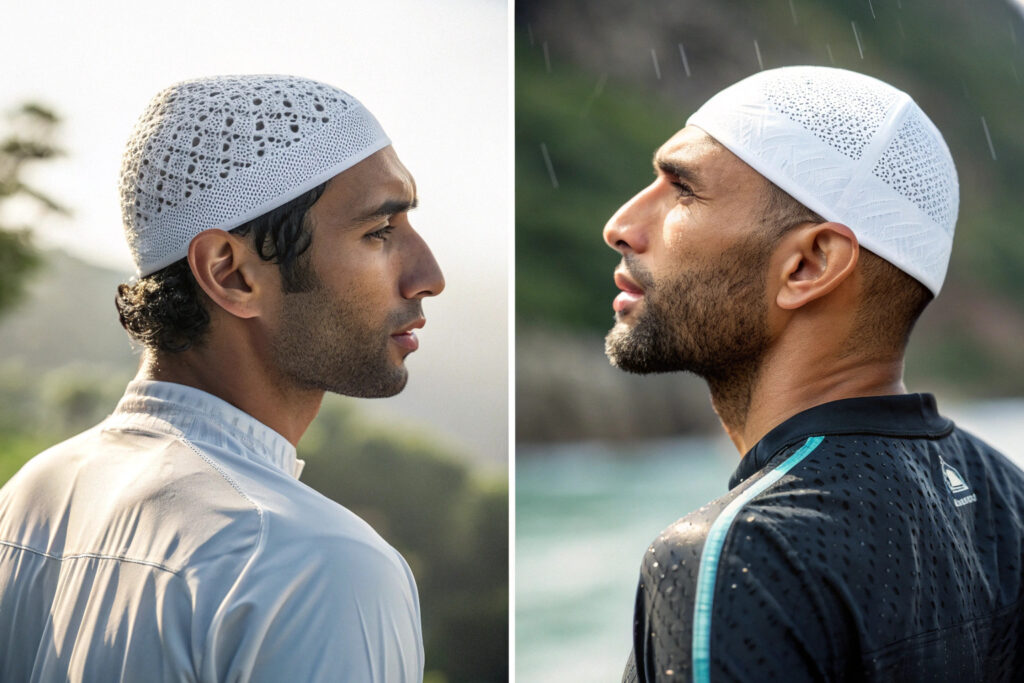
What does "moisture-wicking" actually mean?
Moisture-wicking is the process of moving moisture (sweat) away from your skin to the outer surface of the fabric, where it can evaporate quickly. This is achieved through "capillary action." The fibers of a wicking fabric are designed to pull liquid through tiny spaces in the material, much like a candle wick draws wax up to the flame. This process is the cornerstone of modern athletic and performance apparel, as explained by textile experts at publications like Textile World.
Is there a religious requirement for the material to be cotton?
There is no specific religious requirement in Islam that a kufi must be made of cotton. The key principles are modesty and simplicity. The head covering should be clean and simple, without excessive adornment. A modern performance fabric, especially in a simple white color, fully adheres to these principles while providing enhanced comfort for the pilgrim. Islamic scholars and resources like IslamQA focus on the act of covering the head as a sunnah, not the specific material used.
What Are the Best Moisture-Wicking Materials?
The magic of a moisture-wicking kufi lies entirely in its material. The goal is to find a fabric that is lightweight, breathable, soft, and excellent at managing sweat. The best options are advanced synthetic knits that have been specifically engineered for performance.
The top material choices include:
- Microfiber Polyester: This is the workhorse of performance fabrics. Modern microfiber polyesters are incredibly soft and lightweight. They are hydrophobic, meaning they absorb very little water. Instead, their fiber structure is designed to pull sweat away from the skin and spread it across the outer surface for rapid evaporation.
- Polyester/Spandex Blends: Adding a small amount of spandex (also known as Lycra or elastane) to a polyester knit gives the fabric a gentle stretch. For a kufi, this is a huge advantage. It allows the cap to fit a wider range of head sizes comfortably and securely without being too tight.
- TENCEL™ Modal: For those who prefer a plant-based fiber, TENCEL™ is a remarkable innovation. Made from sustainably sourced beech wood, its fibers are incredibly soft and are 50% more absorbent than cotton. However, unlike cotton, they are also designed to release moisture quickly, providing excellent thermoregulation and breathability.
- Bamboo Blends: Fabric made from bamboo pulp is another excellent option. It is known for being exceptionally soft, naturally odor-resistant, and highly effective at wicking moisture.
At Shanghai Fumao Clothing, we have an extensive library of these technical fabrics. When a client wants to create a performance kufi, we provide them with samples of these materials so they can feel the difference. The choice often comes down to the desired balance of softness, stretch, and cost. This material selection is the first and most important step in the design and sourcing process.
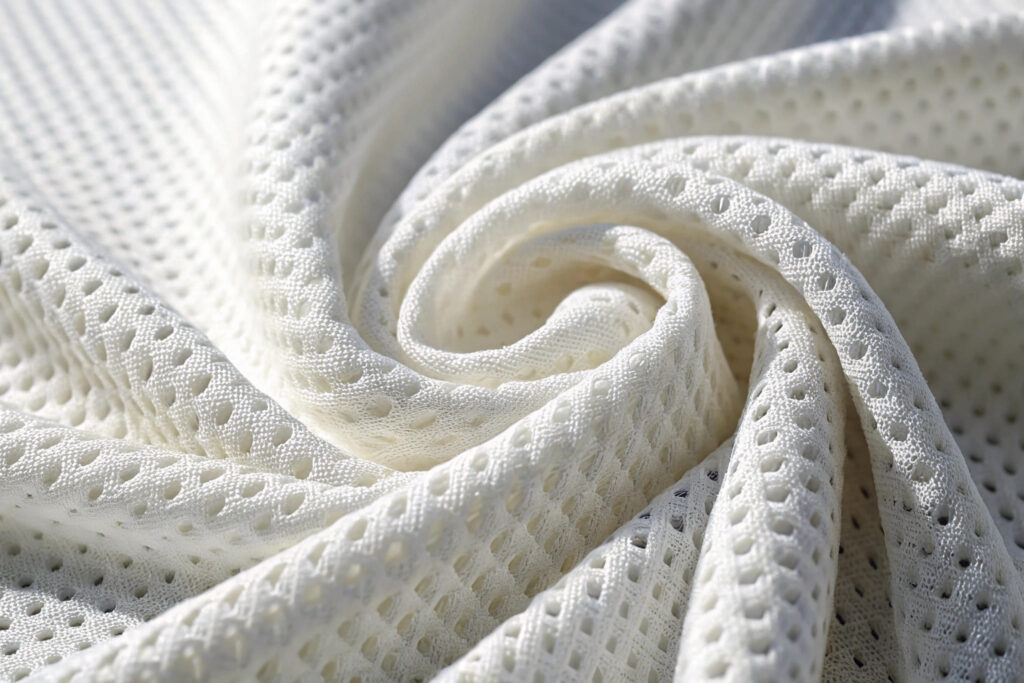
Are synthetic fabrics comfortable in the heat?
Yes, modern performance synthetics are often more comfortable than natural fibers in extreme heat because of their moisture-wicking properties. By pulling sweat away from the skin and allowing it to evaporate, they create a cooling effect and prevent the clammy, waterlogged feeling of wet cotton. This is why virtually all high-performance athletic wear is made from synthetics.
What is TENCEL™?
TENCEL™ is a brand name for a range of semi-synthetic fibers, lyocell and modal, produced by the Austrian company Lenzing AG. They are famous for their environmentally responsible, closed-loop production process and the high-performance characteristics of their fibers, which combine the softness of natural fibers with the functionality of synthetics.
How Do You Design and Source These Kufis?
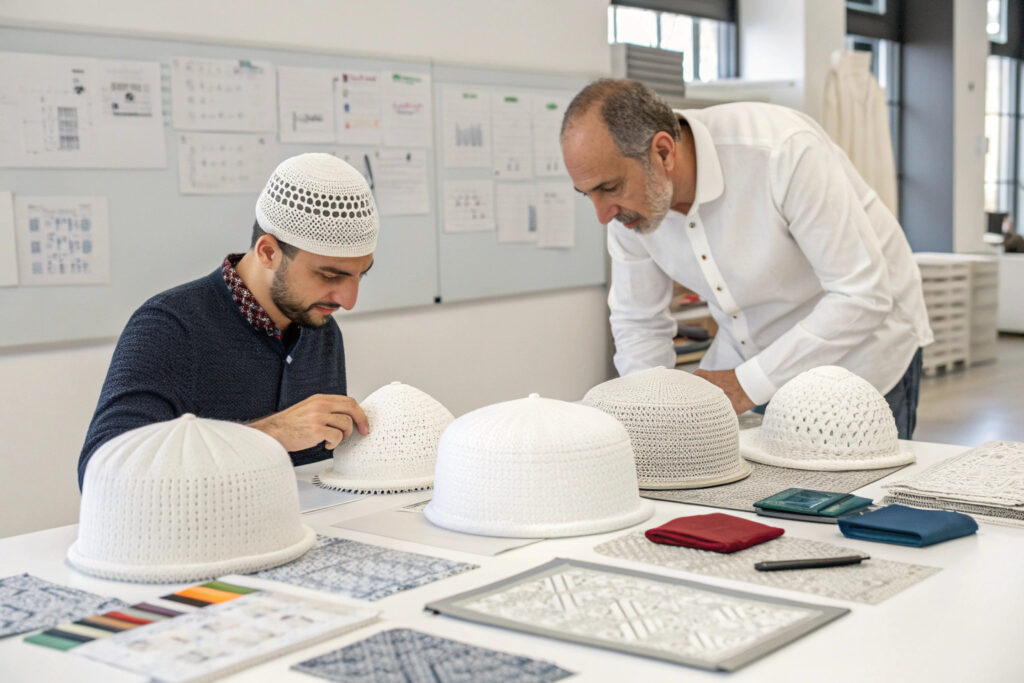
Sourcing a high-performance kufi is a process of co-creation with a capable manufacturer. You need a partner who understands both the cultural significance of the product and the technical aspects of performance apparel.
The process typically follows these steps:
- Find a Specialist Manufacturer: Search for manufacturers who list "performance headwear," "technical knits," or "religious headwear" in their specialties. A factory that only makes standard baseball caps may not have the right machinery (like circular knitting machines) or expertise.
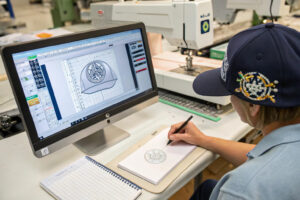
- Define the Specifications: Work with the manufacturer to create a tech pack. This will specify:
- The Exact Material: E.g., "95% Polyester / 5% Spandex single jersey knit."
- The Knit Structure: Do you want a flat knit, a micro-mesh for ventilation, or a ribbed knit for stretch?
- The Shape and Size: Provide measurements for the height and circumference. A good design will come in several sizes (S/M, L/XL) to ensure a good fit.
- Construction: Specify the type of seam (a flatlock seam is best to prevent chafing) and any branding (a subtle, tonal embroidered logo is a common choice).
- Request Samples: Before placing a bulk order, request samples made from your chosen materials. Wear them, wash them, and test them to ensure they meet your standards for comfort and performance.
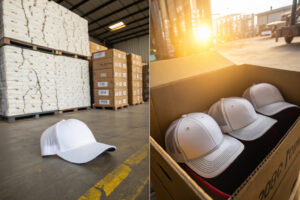
- Place a Bulk Order: Once you approve the sample, you can proceed with a bulk order. The manufacturer will produce the kufis according to the exact specifications of the approved sample.
This is a partnership. A good manufacturer will act as a consultant, advising you on the best materials and construction techniques to achieve your desired performance and price point. This collaborative approach is key to finding the right partner.
What is a "flatlock" seam?
A flatlock seam is a special type of stitch that joins two pieces of fabric without creating a raised ridge on the inside. The seam lies completely flat against the skin. This is crucial for close-fitting garments like performance headwear, as it eliminates the risk of chafing and irritation. It's a hallmark of high-quality athletic apparel, as explained by gear sites like REI.
Can these kufis be decorated?
Yes, but simplicity is key. A small, discreet logo can be added using tonal embroidery (white thread on a white cap) for a subtle branding effect. Complex, multi-color designs would detract from the simplicity required for religious observance.
How Do You Find a Reliable Manufacturer?
Finding the right partner is the most critical step. You need a manufacturer who is reliable, communicative, and has the specific technical capabilities required.
Here are some tips for finding and vetting a supplier:
- Use Specific Search Terms: Instead of searching for "hat manufacturer," search for "performance knitwear manufacturer," "sportswear headwear supplier," or "technical textile factory."
- Look for Experience with Global Brands: A manufacturer that has worked with well-known athletic or outdoor brands likely has high standards for quality control and an understanding of performance materials.
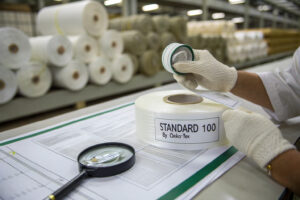
- Ask for Material Certifications: Ask if their fabrics are certified by standards like OEKO-TEX® STANDARD 100, which ensures the material is free from harmful substances. This is an important mark of quality and safety.
- Evaluate Their Communication: A good partner will be responsive, ask intelligent questions, and be able to provide expert advice. Their ability to communicate clearly in your language is essential.
- Start with a Small Test Order: Before committing to a massive order, start with a smaller MOQ (Minimum Order Quantity). This allows you to test the market and verify the manufacturer's quality and reliability on a real production run.
At Shanghai Fumao Clothing, we have built our reputation on these principles. We guide our clients through the entire process, from material selection to final delivery, ensuring a transparent and collaborative experience.
What is OEKO-TEX®?
OEKO-TEX® is a global network of independent research and test institutes that offers several certifications for textiles. The STANDARD 100 is one of their best-known labels. If a textile article carries this label, you can be certain that every component (every thread, button, etc.) has been tested for harmful substances and that the article is therefore harmless for human health.
What is a typical MOQ for custom knit kufis?
For a custom-knit product using specialized fabrics, the MOQ is typically higher than for a standard cap. You can expect an MOQ in the range of 500 to 1,000 pieces per color/style. This is because the factory needs to source the specific yarn and set up the specialized knitting machines for your particular design.
Conclusion
Providing pilgrims with a moisture-wicking kufi is a thoughtful act of service that can genuinely improve their Hajj experience. It allows them to focus more fully on their spiritual journey by alleviating the physical discomfort of extreme heat. The key to sourcing this specialized product is to look beyond traditional materials and partner with a modern, technical manufacturer who understands performance fabrics.
By focusing on advanced materials like microfiber polyester or TENCEL™, and working with a partner who can guide you through the design and production process, you can create a product that is both respectful of tradition and innovative in its function.
If you are a brand, retailer, or organization looking to develop a line of high-performance headwear for Hajj or other religious observances, my team at Shanghai Fumao Clothing has the expertise and the passion to help you. We are committed to creating products that make a real difference. Please contact our Business Director, Elaine, at her email: elaine@fumaoclothing.com to begin this important work.