Are you a buyer struggling to find cashmere blend ushankas that are truly safe for customers with sensitive skin? You know the demand for luxurious, warm winter hats is strong, especially in cold markets like Russia and Northern Europe. But the standard offerings often cause itchiness or allergic reactions, leading to returns, unhappy customers, and damaged brand reputation. This gap in the market is a real pain point for quality-focused retailers and brands.
The most reliable way to source genuine allergy-safe cashmere blend ushankas is to partner directly with specialized manufacturers who control the entire supply chain—from sourcing certified, superfine fibers to implementing skin-safe dyeing and finishing processes. As a leading headwear manufacturer, Shanghaifumaoclothing specializes in developing such custom, hypoallergenic solutions. Forget generic Alibaba listings; true allergy safety requires technical partnership and verifiable quality control.
What Makes a Cashmere Blend Ushanka Truly Allergy-Safe?
Many suppliers use "hypoallergenic" as a vague marketing term. For sourcing, you need concrete specifications. True allergy safety addresses both physical irritation from coarse fibers and chemical sensitivity from processing residues.
Is the Itch from Allergy or Irritation?
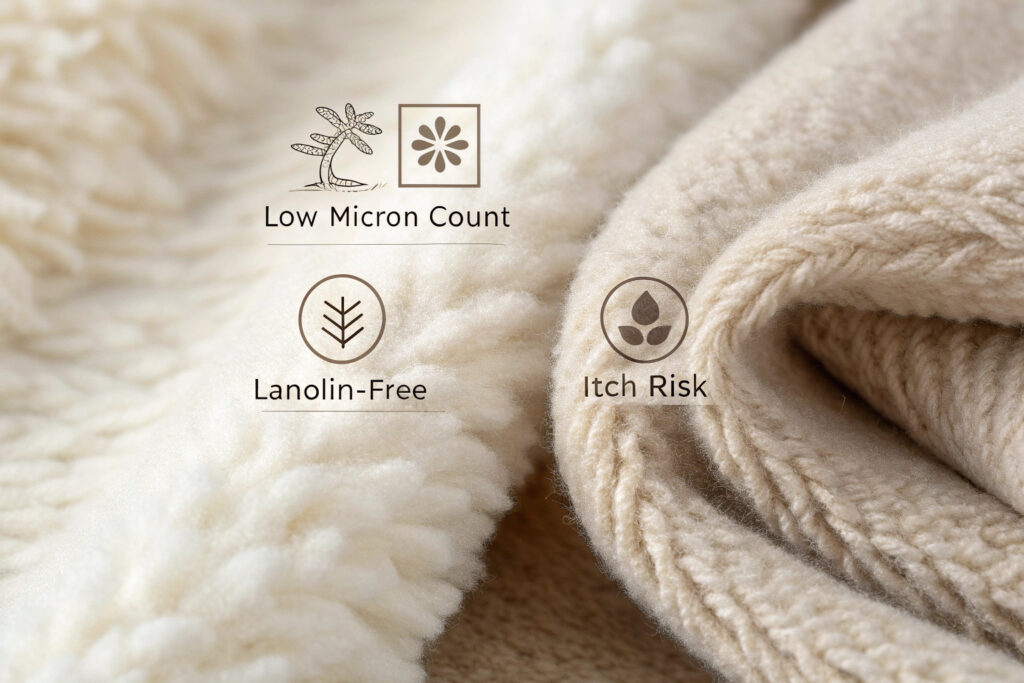
A key fact buyers must understand is that most "wool allergies" are not true allergies. They are often a physical reaction to coarse fibers scratching sensitive skin. This is why fiber fineness, measured in microns, is your first checkpoint. High-quality cashmere fibers are exceptionally fine (under 19 microns) and smooth, minimizing this mechanical itch. However, some individuals do react to lanolin, the natural wax in wool. While cashmere from goats has less lanolin than sheep's wool, ensuring the material is thoroughly and gently cleansed (scoured) is crucial to remove residual lanolin and other natural impurities.
What Certifications Guarantee Skin Safety?
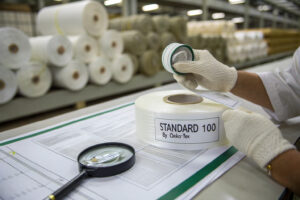
Verification is non-negotiable. You must demand evidence from suppliers. The most recognized and practical certification for skin-safe textiles is OEKO-TEX Standard 100. This independent global standard tests for over 100 harmful substances, including allergens, pesticide residues, and heavy metals. A Class I certification is for products for babies and is the strictest level, making it an excellent benchmark for allergy-safe apparel. Always request the official OEKO-TEX certificate for the specific fabric or yarn blend being used. Do not accept generic company certificates.
Where Can You Source the Right Materials and Manufacturing?
Finding a factory that just sews hats isn't enough. You need a partner with expertise in advanced material sourcing and textile engineering for sensitive skin.
Which Blends Offer the Best Balance of Comfort and Value?
Pure cashmere is luxurious but expensive and delicate for a sturdy ushanka. Strategic blending enhances performance, cost, and safety. Here are the top blends to discuss with your manufacturer:
| Blend Composition | Key Benefits for Allergy Safety | Ideal For |
|---|---|---|
| Cashmere & Superfine Merino | Merino wool under 18.5 microns is incredibly soft. Blending reduces cost while maintaining a low-itch, luxurious feel. | Buyers seeking premium quality at a better price point for mid-market brands. |
| Cashmere & Alpaca | Alpaca fiber is naturally lanolin-free, eliminating a primary allergen. It's also hollow-core for superior warmth. | High-end brands targeting consumers with known lanolin sensitivity or seeking ultimate luxury. |
| Cashmere & Tencel™ Lyocell | Tencel™ is a silky-smooth botanical fiber. It adds durability, moisture-wicking properties, and a slick surface that reduces friction against the skin. | Performance-oriented or eco-conscious lines where breathability and skin comfort are paramount. |
How to Identify and Vet a Capable Manufacturing Partner?
You won't find true allergy-safe ushankas as off-the-shelf items. This requires custom product development. Target manufacturers with:
- A Dedicated R&D Team: Ask about their experience with hypoallergenic blends and request case studies or fabric samples. At Global-Caps, our team has pioneered blends like BAMsilk (bamboo silk) for sensitive skin.
- In-House Lab Testing: A manufacturer with a CNAS-accredited lab, like ours, can perform critical pre-production tests on pH values, formaldehyde, and colorfastness, ensuring compliance from the start.
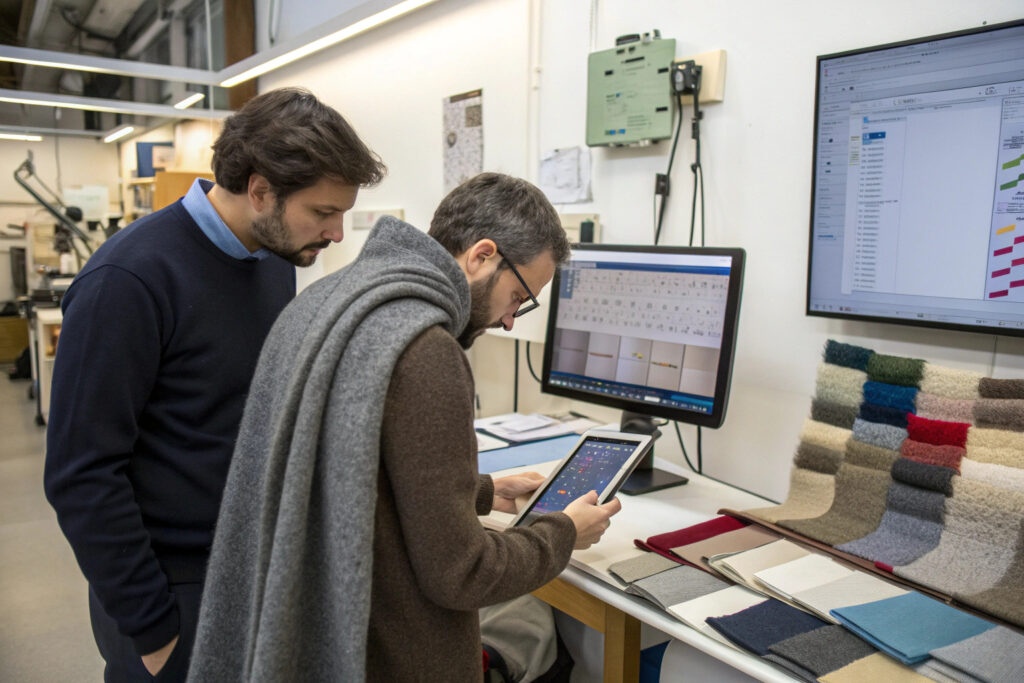
- Vertical Supply Chain Access: Partners with strong relationships with spinning mills can source certified OEKO-TEX yarns directly, giving you full traceability.
What Must Be in Your Technical Package for Safety?
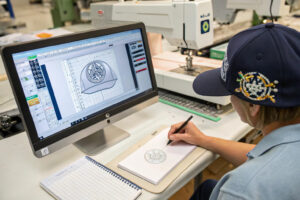
Your tech pack is your quality blueprint. For allergy-safe products, it must be exceptionally detailed to lock in standards.
How to Specify Materials and Processes to Minimize Risk?
Ambiguity leads to cost-cutting and failure. Your tech pack must mandate:
- Precision in Fiber Specs: Move beyond "cashmere blend." Specify: "Shell: 50% Mongolian cashmere (≤18.5 micron), 50% Superfine Merino wool (≤18.9 micron). Lining: 100% OEKO-TEX Certified cotton jersey."
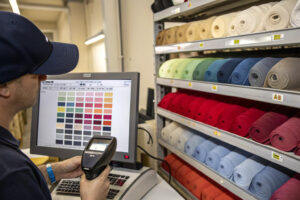
- Chemical Management Protocol: Explicitly require AZO-free dyes and low-impact dyeing processes. State that all chemical softeners or water-repellent finishes (if needed) must be non-toxic and compliant with your chosen safety standard.
What Quality Control Steps are Essential Before Shipment?
Final inspection isn't enough. Build these steps into your production timeline:
- Pre-Production Sample Approval: Have the submitted sample tested at a third-party lab you trust for key allergenic substances. This verifies the manufacturer's claims.
- During Production Testing: A good partner will conduct in-process checks. Our QR code tracking system allows clients to see real-time QC data, including test results for materials.
- Final Random Inspection (FRI): Ensure the inspector pulls samples specifically to check for consistent softness, stitching quality over sensitive areas (like the forehead), and correct labeling of fiber content.
Conclusion
Sourcing allergy-safe cashmere blend ushankas is a technical endeavor that rewards a strategic, partnership-based approach. Success lies in understanding the science behind skin irritation, insisting on verifiable certifications like OEKO-TEX, collaborating with manufacturers who have material innovation in their DNA, and enforcing your standards through a meticulous technical package.
If you are looking for a manufacturing partner capable of developing and producing certified, skin-safe cashmere blend headwear at scale, we can provide a comprehensive solution. Shanghaifumaoclothing specializes in turning complex material and safety requirements into flawless, bulk-ready products. For a detailed discussion on your specific needs, you can contact our Business Director, Elaine, at elaine@fumaoclothing.com.