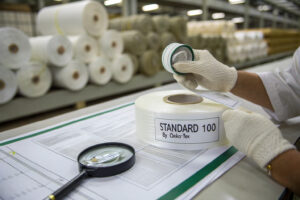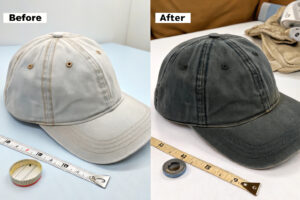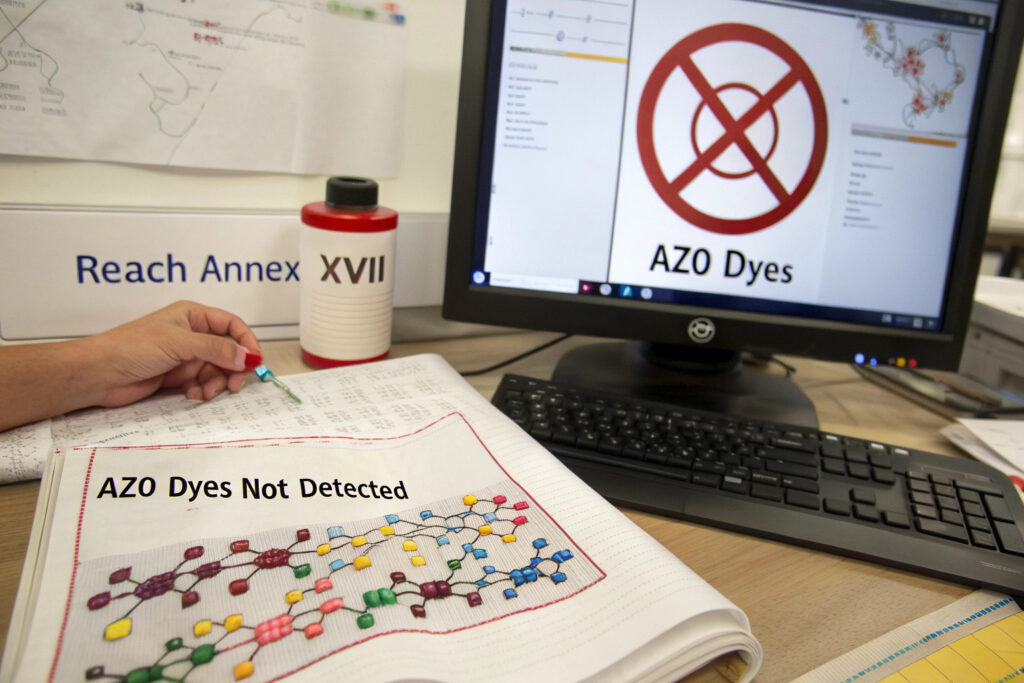
You order 5,000 custom embroidered caps for your EU launch. The caps arrive. The embroidery thread is a beautiful bright red. You ship to your European distributor. Customs tests the red thread. It contains a banned azo dye that releases a carcinogenic amine. The shipment is seized. The distributor cancels the contract. You are flagged in the RAPEX system. The red thread that made your logo pop is the red thread that destroyed your EU market entry. You assumed the factory used safe dyes. You never specified the dye chemistry. You never asked for the test report.
Under EU REACH Annex XVII Entry 43, twenty-two specific aromatic amines released by the reductive cleavage of azo dyes are banned in textile articles that come into prolonged contact with human skin. The banned amines include benzidine, 4-aminobiphenyl, 2-naphthylamine, 4-chloro-o-toluidine, 2,4-toluylenediamine, o-aminoazotoluene, and sixteen others. The restriction applies to any azo dye that can release any of these amines in concentrations above 30 milligrams per kilogram of the dyed textile. The restriction covers the embroidery thread on your custom cap because the thread is in prolonged skin contact with the wearer's forehead.
At Global-Caps, I source my embroidery thread exclusively from Madeira and Gunold. Both suppliers provide batch-specific REACH compliance certificates. The thread cones are labeled with lot numbers that trace to the test report. I do not use unbranded thread from unknown dye houses. The cost saving is not worth the regulatory risk.
What Are Azo Dyes and Why Are Certain Types Banned Under REACH?
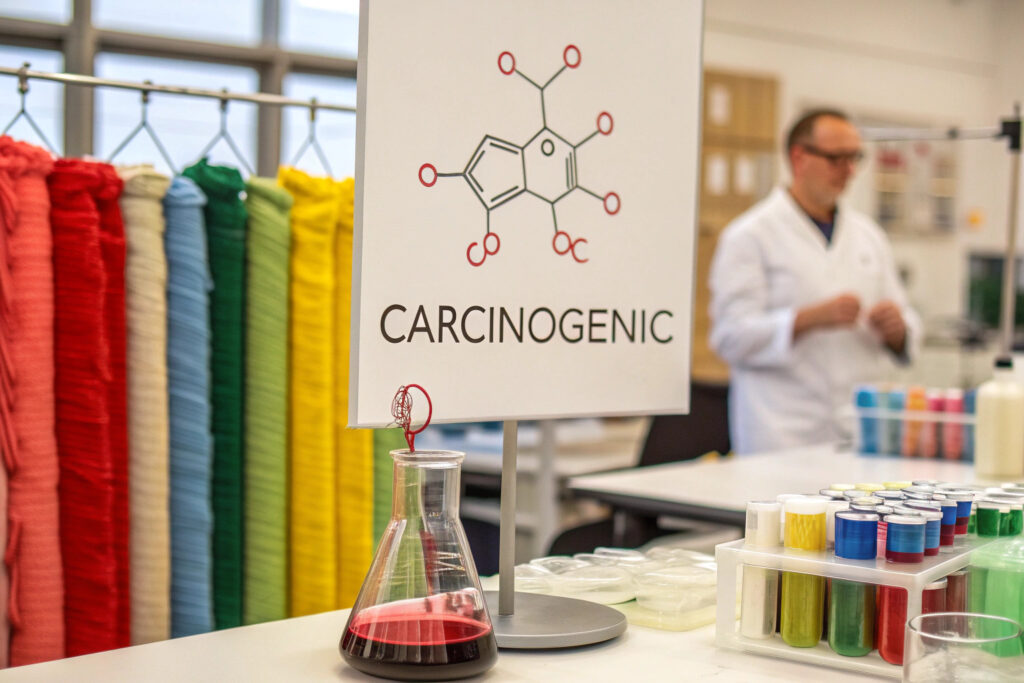
You see a bright yellow thread. It looks beautiful. You assume it is safe. The yellow color comes from an azo dye. Azo dyes are the most common class of synthetic dyes in the textile industry. They produce vibrant, stable colors at low cost. Most azo dyes are safe. A small subset, approximately 130 out of several thousand azo dyes, can break down under certain conditions to release aromatic amines that are known or suspected human carcinogens. The breakdown happens when the dye contacts human sweat, which contains enzymes that can cleave the azo bond. The banned azo dyes are the ones that release the specific 22 carcinogenic amines listed in REACH Annex XVII.
The ban is not on the azo dye itself. The ban is on any azo dye that can release any of the 22 listed amines above the 30 milligrams per kilogram threshold. The test method is the reductive cleavage test described in EN 14362-1 and EN 14362-3.
My thread supplier formulates all dyes to avoid the banned amine precursors. The formulation is verified by batch testing.
The list of 22 banned amines is specific and legally binding. Every brand selling in the EU must know this list.
What Is the Complete List of the 22 Banned Aromatic Amines?
The 22 banned aromatic amines are: benzidine, 4-aminobiphenyl, 2-naphthylamine, 4-chloro-o-toluidine, 2,4-toluylenediamine, o-aminoazotoluene, 5-nitro-o-toluidine, 4-aminoazobenzene, 4-methoxy-m-phenylenediamine, 4,4'-methylenedianiline, 4,4'-oxydianiline, 4,4'-thiodianiline, o-toluidine, 2,4-dimethylaniline, 2,6-dimethylaniline, 4-chloroaniline, 2-methoxyaniline, 2,4,5-trimethylaniline, 4-amino-3-nitrotoluene, 2,4-xylidine, 2,3-xylidine, and aniline.
Each amine is identified by its Chemical Abstracts Service number in the regulation. The test laboratory screens for all 22 amines simultaneously using gas chromatography-mass spectrometry.
My compliance documentation lists each of the 22 amines and the test result for each. The report reads "Not Detected" across all 22 lines.
How Does the 30 mg/kg Threshold Work in Practical Lab Testing?
The laboratory takes a sample of the dyed embroidery thread. The sample is treated with a reducing agent, typically sodium dithionite, in a citrate buffer solution at 70 degrees Celsius. The reducing agent breaks any azo bonds present in the dye molecules. The solution is then extracted and analyzed by GC-MS.
The instrument quantifies each of the 22 amines. The limit of quantification for each amine is typically 5 to 10 milligrams per kilogram. Any amine detected above 30 milligrams per kilogram constitutes a failure. The threshold is per individual amine, not the sum of all amines detected.
My test reports show the detection limit and the measured value for each amine. The result column is either "ND" for not detected or a numerical value below 30.
Why Is Embroidery Thread a High-Risk Component for Azo Dye Compliance?
You certify the main cap fabric. It passes the azo dye test. You assume the whole cap is compliant. You are wrong. The embroidery thread is a separate component. It was purchased by the factory from a different supplier than the main fabric supplier. The factory's fabric supplier uses safe dyes. The thread supplier might not. The thread is a small component by weight, but it is in direct and prolonged contact with the skin at the forehead sweatband area. The azo dye restriction applies to the thread just as strictly as it applies to the fabric.
Embroidery thread is a high-risk component for azo dye compliance because it is often purchased in small quantities from unbranded or local suppliers who do not have a robust chemical management system. The bright colors used for logos—particularly red, orange, yellow, and certain blues—historically have a higher probability of using azo dye formulations that may contain restricted amine precursors. The factory may not ask the thread supplier for a REACH compliance certificate. The brand may not ask the factory for the thread test report. The thread slips through the compliance cracks.
My thread sourcing policy mandates that all embroidery thread must come from OEKO-TEX certified or REACH-compliant brands. No unbranded thread is permitted on the production floor.
Red and orange dyes are the highest-risk color categories for banned azo amines.
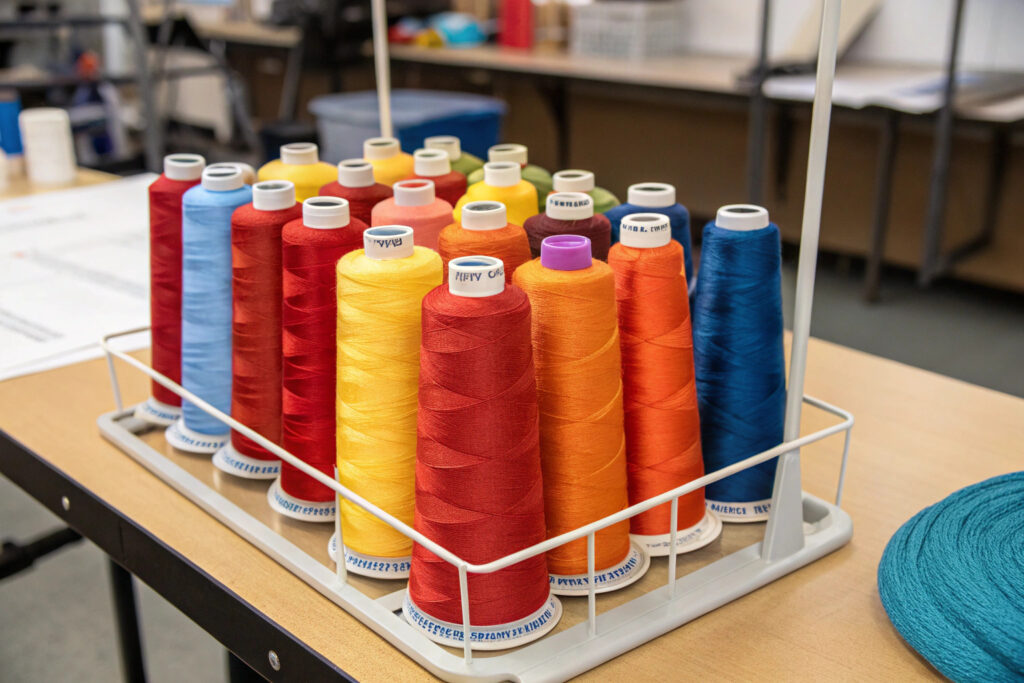
Why Are Red and Orange Dyes Statistically More Likely to Contain Banned Amines?
The chemical structure of many red and orange azo dyes includes benzidine or o-toluidine derivatives as coupling components. These chemical building blocks produce the specific shade of red or orange at a low cost. Safer alternative dyes exist, but they are more expensive. A dye house that competes on price may choose the older, benzidine-based dye chemistry.
The statistical correlation between red/orange dyes and banned amine releases is well documented in RAPEX enforcement data. Red textile articles are disproportionately represented in azo dye violation notifications.
I test every red and orange thread lot for azo dyes, even if the supplier provides a blanket certificate. The testing is batch-specific.
Can a Thread Supplier's Generic Certificate Cover All Colors in Your Order?
A generic certificate from a thread supplier typically states that the supplier's standard product range is REACH compliant. The certificate may list the thread types covered. It may not list every color individually. A brand that receives a generic certificate assumes all colors are covered. The assumption is risky.
The generic certificate covers the supplier's standard dye formulations. If the supplier introduces a new color or changes a dye formulation for a specific color, the generic certificate may not cover the new formulation. A batch-specific certificate lists the exact colors supplied and the test results for those colors.
My documentation policy requires a batch-specific certificate that references the purchase order number and the color codes of the thread supplied.
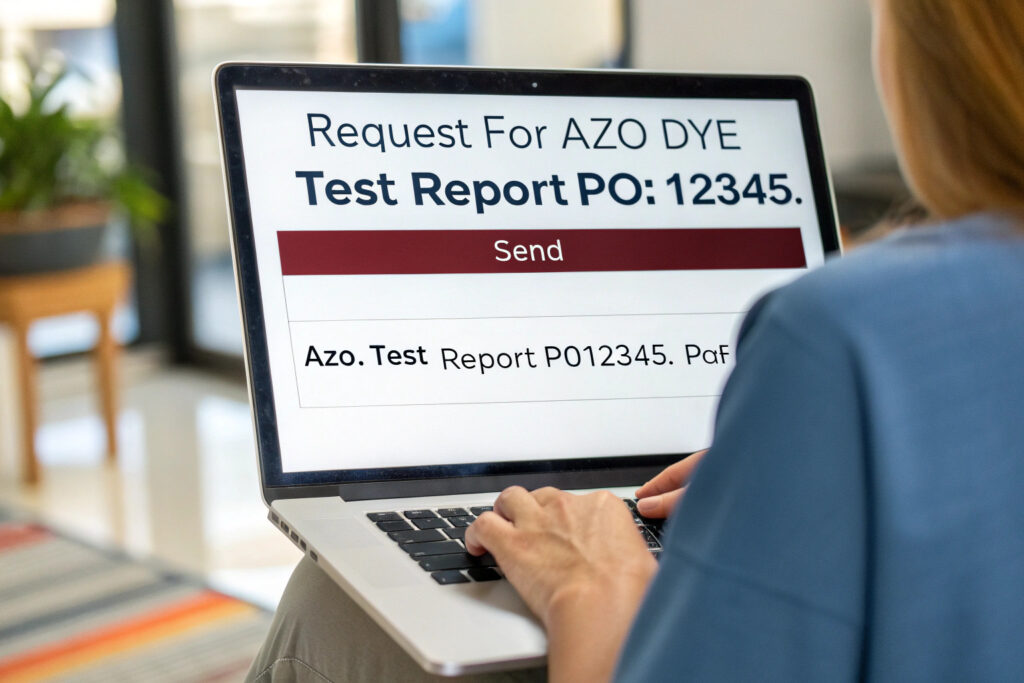
How to Request and Verify an Azo Dye Test Report From Your Hat Supplier?
You email the factory: "Are your caps REACH compliant?" The factory replies: "Yes, all our products are REACH compliant." You file the email as your compliance documentation. An EU customs officer requests the azo dye test report. You forward the factory's email. The customs officer rejects it. "This is a marketing claim. Provide the laboratory test report." The factory's one-line email is not a compliance document. It is a sentence. The test report is the only document that satisfies the legal requirement.
You request an azo dye test report by specifying the exact test standard, the exact components to be tested, and the required laboratory accreditation. The request must ask for a test to EN 14362-1 and EN 14362-3 for the 22 banned aromatic amines listed in REACH Annex XVII Entry 43. The components to be tested must be specifically listed: the main crown fabric, the embroidery thread by color, the sweatband fabric, and any other dyed component in prolonged skin contact. The laboratory must be ISO 17025 accredited for the specific test method.
My test report request template includes all of these required elements. The client fills in the PO number and the color codes.
The laboratory report has specific security features that distinguish a genuine report from a fraudulent one.
What Specific Test Standard Should the Report Reference for EU Compliance?
The report must reference EN 14362-1 for the testing of azo colorants in textiles that may release certain aromatic amines. If the cap contains synthetic fibers like polyester, the report must also reference EN 14362-3 for the testing of azo colorants that may release 4-aminoazobenzene.
The report must state the extraction method, the analytical method, the detection limit, and the result for each of the 22 amines. The report must be on the laboratory's official letterhead with the ISO 17025 accreditation logo.
My compliance specification requires both EN 14362-1 and EN 14362-3. The absence of either standard is a documentation gap.
How Can You Verify the Test Report's Authenticity Through the Laboratory's Portal?
Every major testing laboratory—SGS, Intertek, Bureau Veritas, TÜV Rheinland—provides an online report verification portal. The report number is entered into the portal. The portal displays the report status, the test date, the sample description, and the test results. A fraudulent report will not appear in the portal. A genuine report will.
The buyer should never rely solely on a PDF attachment. The PDF can be edited with software. The portal verification confirms the data on the laboratory's own server matches the data on the PDF.
I provide my clients with the report verification link alongside the PDF. The client clicks the link, enters the report number, and verifies the report independently.
What Are the Consequences of Azo Dye Non-Compliance for EU Importers?
You ship the caps. They clear customs. You think you passed. Three months later, a market surveillance authority conducts a random retail inspection. They purchase one of your caps from a store. They test the embroidery thread. The thread contains a banned amine. The authority issues a RAPEX notification. Your brand name is published on the European Commission's public safety alert database. The retailer pulls your entire product line from their shelves. You are fined. Your EU distributor drops your brand. The cost of the test you skipped was $150. The cost of the violation is your entire EU business.
The consequences of azo dye non-compliance for EU importers include mandatory product withdrawal from the market, a RAPEX notification that publishes your brand name as a dangerous product, potential fines from national market surveillance authorities, and permanent damage to your retail partnerships. The importer of record is legally responsible. The importer cannot transfer liability to the factory in China. The EU enforcement authorities do not pursue the factory. They pursue the EU importer.
My EU compliance program is designed to prevent a RAPEX notification. The test reports are complete. The documentation is verified. The risk is managed.
A RAPEX notification is a permanent, public, searchable record of your product's safety violation.
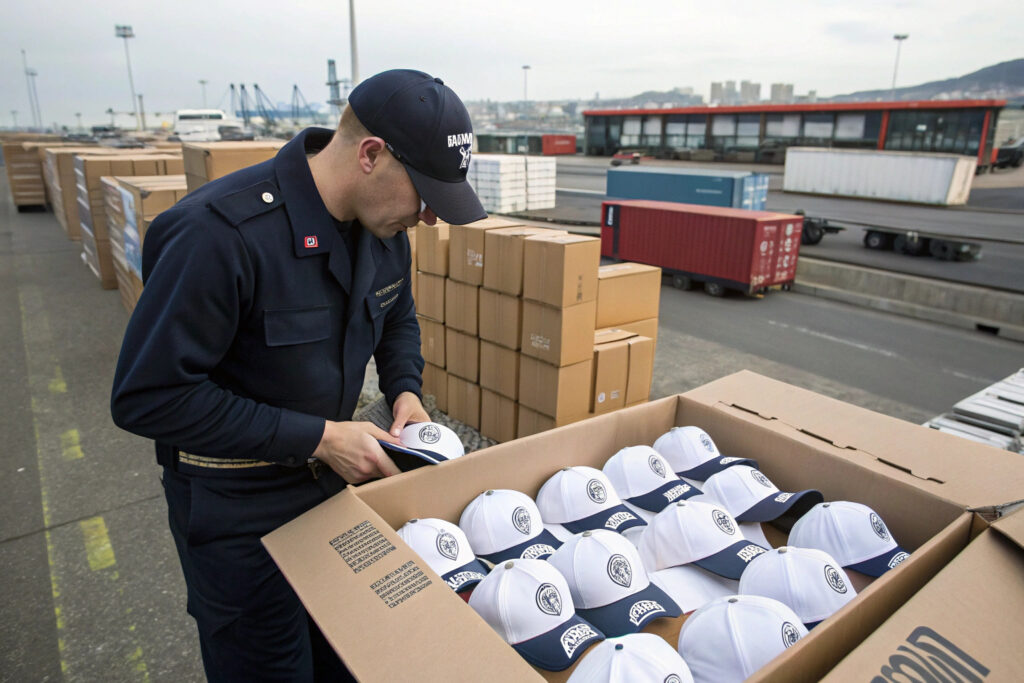
How Does a RAPEX Notification Impact Your Brand's Long-Term EU Market Access?
A RAPEX notification is published on the European Commission's Safety Gate portal. The portal is public and searchable. Retailers, distributors, and consumers can find the notification by searching your brand name. The notification remains online permanently.
A brand with a RAPEX notification will be rejected by major EU retailers during the vendor approval process. The retailer's compliance team will search the Safety Gate database. The notification will appear. The vendor application will be denied.
My brand protection strategy for EU clients is to prevent the first RAPEX notification. Prevention is a compliance system.
Can the Importer Be Held Personally Liable for Chemical Safety Violations?
Yes. Under the EU General Product Safety Regulation and national implementing laws, the responsible economic operator can face criminal penalties for placing dangerous products on the market. Penalties vary by member state but can include personal fines and, in severe cases, imprisonment for negligent or intentional violation of product safety laws.
The importer of record bears the legal responsibility. The importer cannot claim ignorance of the law or reliance on the supplier's verbal assurances as a defense.
My legal compliance guidance to EU importers is to maintain a complete technical file with third-party test reports for every shipment.
Conclusion
Twenty-two specific aromatic amines released by the reductive cleavage of azo dyes are banned under EU REACH Annex XVII Entry 43 for custom embroidered caps. The banned amines include benzidine, 4-aminobiphenyl, 2-naphthylamine, and nineteen others. The restriction applies to any dyed component in prolonged skin contact, including the embroidery thread. The threshold is 30 milligrams per kilogram for each individual amine. The test method is EN 14362-1 and EN 14362-3.
Embroidery thread is a high-risk component because it is often sourced from unbranded suppliers and uses bright colors that historically rely on azo dye chemistry. Red and orange dyes are the highest-risk colors. A batch-specific test report from an ISO 17025 accredited laboratory is the only acceptable compliance documentation. The test report must be verified through the laboratory's online portal.
The consequences of non-compliance include product withdrawal, RAPEX notification, fines, and permanent damage to EU retail partnerships. The importer is legally responsible. The cost of testing is negligible compared to the cost of a violation.
At Global-Caps, I do not gamble with thread chemistry. My embroidery thread is sourced from Madeira and Gunold. The thread is batch-tested for the 22 banned amines. The test reports are available for every order. The reports are verified through the laboratory portal. Your caps are compliant. Your brand is protected.
If you need custom embroidered caps with documented azo dye compliance for the EU market, contact my Business Director Elaine. She can provide our current azo dye test reports, our thread supplier compliance certificates, and a sample technical file for your review. Email Elaine at elaine@fumaoclothing.com. Let's keep your caps on the shelf and out of the RAPEX database.