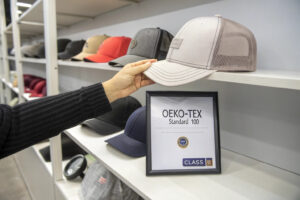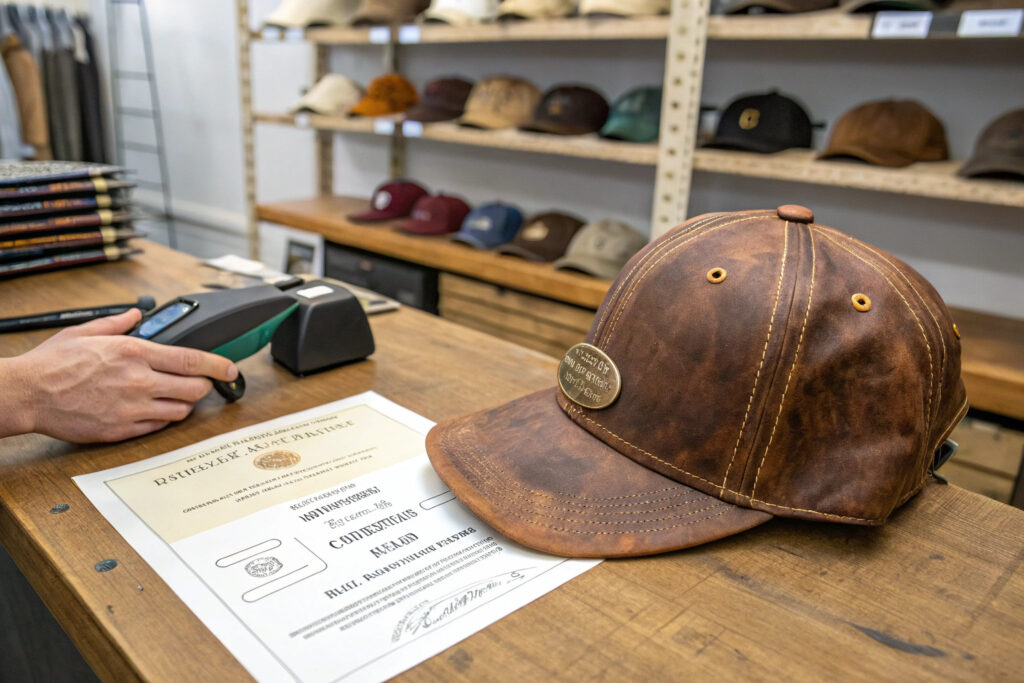
You find a vintage cap from 1954. The shape is perfect. The fabric has a beautiful worn-in character. The leather strap is patinaed. You want to recreate this cap for your brand. You send it to a factory. They can copy the shape. They cannot copy the safety. The original cap uses a pressed cardboard visor that dissolves in water. The sweatband leather is tanned with chromium VI. The metal buckle contains nickel. The fabric dye is a carcinogenic azo formulation. The original cap is a museum piece, not a wearable product. Replicating the look is easy. Replicating the look while meeting modern safety standards is the challenge.
You source rare vintage-style caps without sacrificing modern safety standards by working with a factory that understands both heritage construction techniques and contemporary chemical compliance. The process starts with deconstructing the vintage reference to identify which elements can be replicated with modern certified materials that mimic the vintage aesthetic. The original cardboard visor becomes a modern HDPE board with a vintage-look matte finish. The original chromium-tanned leather becomes vegetable-tanned leather certified to OEKO-TEX Leather Standard. The original azo-dyed fabric becomes a GOTS-certified organic cotton with a low-impact reactive dye that replicates the vintage shade. The original nickel buckle becomes a nickel-free brass buckle with a forced patina. Every material is upgraded to meet current safety standards. The silhouette, the proportions, and the worn-in character are preserved.
At Global-Caps, I have developed a vintage reproduction program for brands that want heritage aesthetics with modern compliance. I maintain a library of certified vintage-look materials. I know which modern dyes replicate 1950s color palettes. I know which modern buckram substitutes create the 1970s crown profile without the 1970s chemicals. The vintage look is an aesthetic. The modern safety is a requirement. Both are achievable.
What Safety Risks Do Original Vintage Caps Pose That Modern Ones Solve?
You hold an original 1970s trucker cap. It feels substantial. It looks authentic. You want to wear it. You should not. The foam in the front panel has degraded and is releasing volatile organic compounds. The plastic snap closure contains lead as a stabilizer. The screen-printed logo ink contains cadmium pigment. The cap is a toxic time capsule. It was made before any of the modern textile safety regulations existed. The cap that looks authentic on the shelf is chemically unsafe on the head.
Original vintage caps pose safety risks including heavy metal contamination from pigments and metal hardware, phthalate exposure from degraded plastic components, formaldehyde release from old fabric finishes, azo dye amine release from vintage dye chemistry, and physical hazards from deteriorated structural components that can break and cause injury. Modern safety standards—OEKO-TEX, REACH, CPSIA—specifically address and prohibit these risks. A modern reproduction uses certified materials that mimic the vintage look without the vintage toxicity.
My vintage reproduction protocol begins with a chemical risk assessment of the original vintage reference piece before the reproduction design work begins.
The structural components of vintage caps are often the most hazardous, not just the fabric.
Why Are Vintage Plastic Snaps and Buckles Chemically Hazardous?
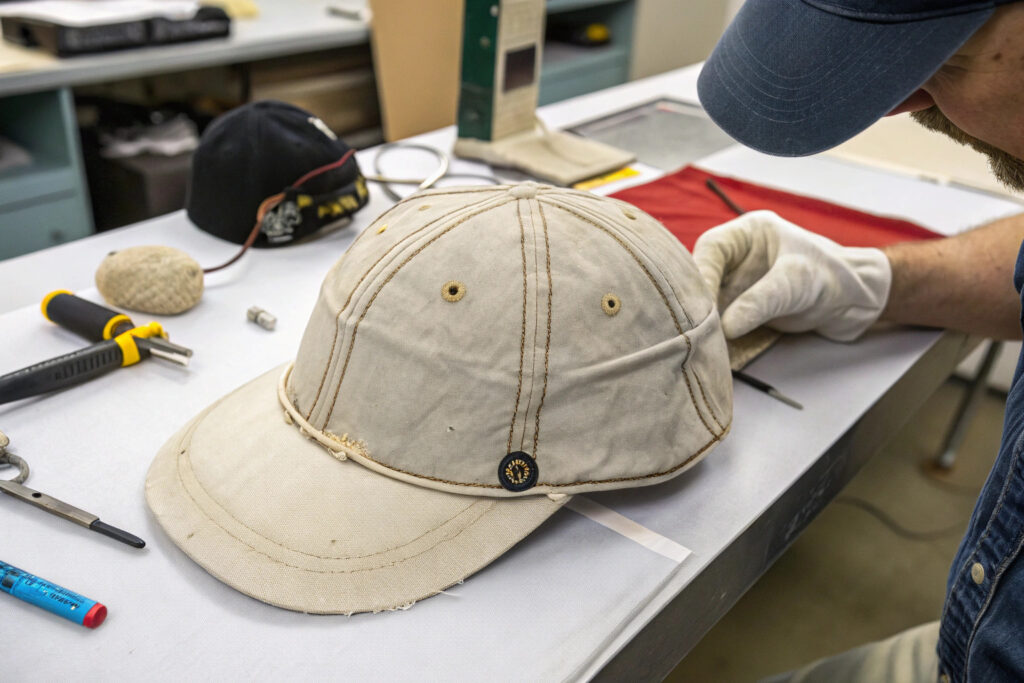
Vintage plastic components from the 1950s through 1980s were manufactured before modern plasticizer regulations. The plastic snaps on vintage adjustable caps often contain high concentrations of phthalates, particularly DEHP, which was the standard plasticizer for flexible PVC. The phthalates make the plastic flexible but are endocrine disruptors.
Vintage metal buckles were often made from brass alloys containing lead or plated with nickel-containing finishes. The lead leaches out with sweat contact. The nickel causes allergic contact dermatitis in sensitized individuals. Modern REACH and CPSIA regulations strictly limit both substances.
I use phthalate-free TPU snaps and nickel-free brass buckles with a forced patina finish that replicates the vintage look.
How Do Vintage Fabric Dyes Differ From Modern Azo-Free Formulations?
Vintage fabric dyes from before the 1990s were predominantly azo dyes, many of which used benzidine-based intermediates. These intermediates are now known to be carcinogenic. The vintage dye formulations produced specific, complex shades—particularly in the green, navy, and burgundy color families—that are difficult to replicate exactly with modern azo-free dyes.
Modern azo-free dyes use different chemical pathways to achieve similar shades. The color gamut of modern safe dyes is slightly narrower. A skilled dye master can achieve a visual match within a Delta E of 1.5 using modern reactive dyes, but the spectral reflectance curve will not be identical.
My dye house specializes in vintage color matching using GOTS-approved low-impact and reactive dyes.
How to Match Vintage Aesthetics With OEKO-TEX Certified Materials?
You buy modern certified cotton twill. It is bright, uniform, and crisp. Your vintage reference is faded, uneven, and soft. The modern fabric does not look vintage. It looks new. You are disappointed. You think certified materials cannot achieve the vintage look. You are wrong. The certification covers the chemical safety of the material. It does not dictate the aesthetic finishing. A certified fabric can be garment-washed, enzyme-washed, or pigment-dyed to achieve a vintage appearance without compromising the safety certification.
You match vintage aesthetics with OEKO-TEX certified materials by using certified base fabrics and applying mechanical finishing processes that create the vintage look without introducing restricted chemicals. Garment washing with pumice stones creates abrasion and softness. Enzyme washing creates a broken-in hand feel. Pigment dyeing with certified pigments creates a faded, uneven color. Brushed finishing creates a soft, worn surface. The certification applies to the finished fabric after all treatments. The key is to certify the complete process, not just the raw material.
My vintage finishing process uses only GOTS-approved enzymes and mechanical abrasion. No chemical distressing agents are used.
The washing process is the most effective tool for creating a vintage appearance on certified fabric.
What Garment Washing Techniques Create a Vintage Look on Certified Cotton?
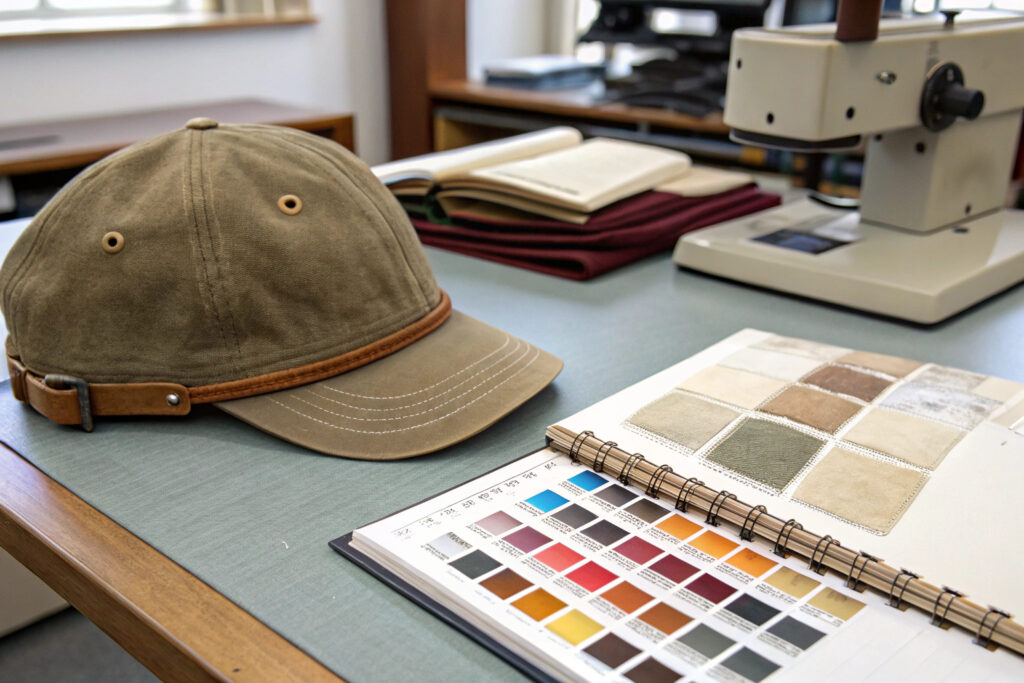
Garment washing is a post-sewing finishing process where the finished cap is washed in an industrial washing machine with or without abrasive media. A rinse wash with pumice stones creates localized abrasion on the seams and edges, mimicking years of natural wear. An enzyme wash using cellulase enzymes gently eats away at the cotton fiber surface, creating a soft, worn-in hand feel and a slight color fade.
A pigment dye wash applies a light coating of certified pigment over the already-dyed fabric, creating a two-tone effect where the base color shows through at stress points. This replicates the look of a cap that has faded unevenly over decades.
My washing facility is equipped with programmable industrial washing machines that can replicate specific vintage fade patterns.
Can Recycled Polyester Mesh Be Used for Vintage-Style Trucker Caps?
Yes. Recycled polyester mesh is available in a matte finish and a slightly irregular knit structure that mimics the look of 1970s polyester mesh. The recycled content is GRS-certified. The mesh is OEKO-TEX certified. The visual match to vintage mesh is achieved by using a lower-gauge knitting machine that produces a slightly looser, more open knit, and by applying a post-knitting tumble process that softens the hand feel.
The modern recycled mesh will not have the exact same chemical composition as 1970s virgin polyester mesh, but the visual and tactile match is excellent. The performance is superior. The modern mesh is stronger, more UV-resistant, and chemically safe.
My recycled mesh supplier produces a vintage-look mesh in a 5-gauge knit with a matte finish for heritage reproduction projects.
How Do Modern Washes and Dyes Replicate Faded Vintage Colors Safely?
You send a vintage cap to the factory. You ask them to match the color. The factory sends a lab dip. The color is too bright, too saturated, too new. You say, "Make it look old." The factory is confused. "Old" is not a color specification. The vintage color is a combination of the original dye shade plus decades of UV fading, washing, and wear. The factory must replicate the current, faded color, not the original 1950s shade. The target is the aged color, not the new color.
Modern washes and dyes replicate faded vintage colors by first identifying the target faded shade with a spectrophotometer, then formulating a dye recipe that matches that specific muted shade, and finally applying a post-dye wash process that further softens the color and adds visual depth. The dye formulation uses modern, azo-free, heavy-metal-free dyes. The wash process uses certified enzymes and mechanical action. The combination produces a color that looks fifty years old but is chemically safe for a baby to wear.
My vintage color matching process starts with a spectrophotometer reading of the faded vintage reference. The dye master works backwards to formulate a modern dye recipe that hits the target faded shade.
Pigment dyeing is the preferred technique for replicating the uneven, washed-out look of vintage headwear.
What Is Pigment Dyeing and How Does It Create a Vintage Wash Effect?
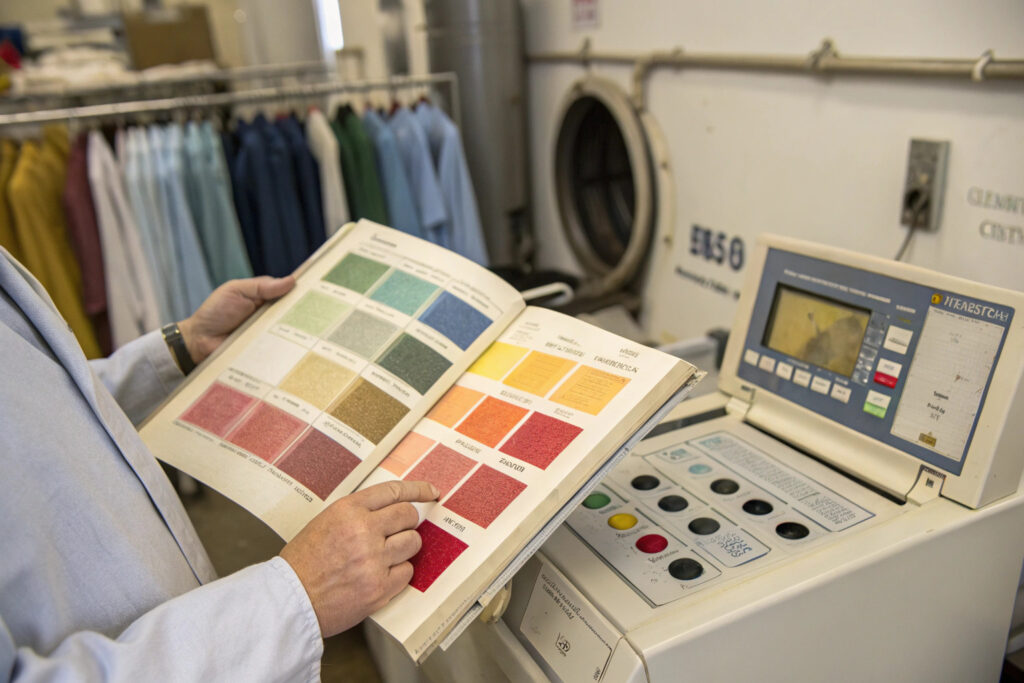
Pigment dyeing is a surface coloring technique where pigment particles are adhered to the fabric surface with a binder, rather than penetrating the fiber like a reactive dye. The pigment sits on the surface of the yarns. During subsequent washing, the pigment wears off unevenly at the seams, the edges, and the high points of the fabric texture.
This uneven color loss creates a natural, worn-in fade pattern that closely resembles decades of use. The base fabric color shows through where the pigment has worn away. The effect is particularly authentic on the visor edges, the crown seams, and the sweatband stitching.
My pigment dyeing process uses OEKO-TEX certified pigments and formaldehyde-free binders.
How Does Enzyme Washing Soften the Fabric Without Toxic Chemicals?
Enzyme washing uses cellulase enzymes, which are biodegradable proteins that selectively break down the cellulose molecules on the surface of cotton fibers. The enzyme eats away the micro-fuzz and the loose fiber ends that make new fabric feel stiff and crisp. The result is a soft, smooth hand feel that mimics years of natural wear.
The enzyme is deactivated by raising the temperature at the end of the wash cycle. It biodegrades completely. No toxic chemicals are introduced. The fabric remains OEKO-TEX certified. The process is environmentally benign.
My enzyme wash protocol uses a neutral cellulase enzyme that works at a moderate temperature, minimizing energy consumption.
How to Structure a Compliance-First Vintage-Style Cap Development Order?
You find a vintage cap online. You ship it to the factory. You say, "Make this, but safe." The factory makes the cap. You test it. It fails the azo dye test. You are back at square one. The failure happened because the safety requirement was an afterthought. You asked for a cap. You did not ask for a compliance-first development process. The development process must lead with safety, not follow with it.
A compliance-first vintage-style cap development order begins with a chemical risk assessment of the vintage reference piece, followed by material sourcing exclusively from certified suppliers. The development milestones include lab dip approval with chemical testing, pre-production sample approval with full REACH and CPSIA testing, and a final random lab test on the bulk production before shipment. The compliance documentation is compiled throughout the process, not assembled after the fact.
My vintage development program includes a dedicated compliance project manager who tracks every material certification and every test report from the first design conversation.
The chemical risk assessment of the vintage reference is the foundational step that informs all subsequent material decisions.
Why Must the Vintage Reference Be Chemically Tested Before Reproduction Begins?
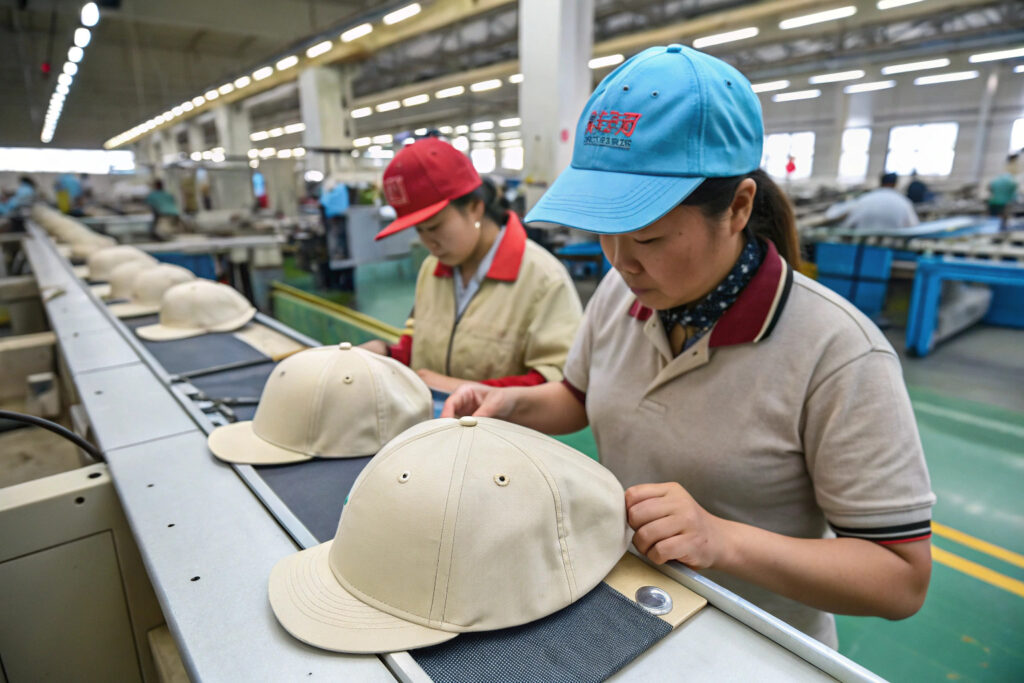
The vintage reference cap is the aesthetic target. It is also a chemical hazard sample. Testing the vintage reference before reproduction identifies the specific hazardous substances present in the original materials. The test results inform the material substitution strategy for the reproduction.
If the vintage reference tests positive for chromium VI in the leather, the reproduction must use vegetable-tanned leather. If the vintage reference tests positive for benzidine in the fabric dye, the reproduction must avoid any dye formulation that could release that amine. The reference test provides the safety baseline.
My vintage reference testing protocol includes a full REACH Annex XVII screen and a CPSIA lead and phthalate screen.
What Language Should the Purchase Order Include to Mandate Compliance?
The purchase order must include specific compliance language: "All materials and components used in this order must comply with EU REACH Regulation Annex XVII, the US CPSIA lead and phthalate limits, and must be OEKO-TEX Standard 100 Class I certified. The supplier must provide ISO 17025 accredited laboratory test reports for each component. No materials may be substituted without prior written approval and re-testing."
This language is legally binding. It shifts the compliance responsibility to the supplier contractually. It provides the buyer with recourse if the supplier delivers non-compliant goods.
My PO compliance clause is reviewed annually by a trade attorney to ensure alignment with current regulations.
Conclusion
Sourcing rare vintage-style caps without sacrificing modern safety standards requires a systematic approach that starts with the chemical risk assessment of the vintage reference, selects certified modern materials that visually and tactilely match the vintage originals, applies mechanical and enzymatic finishing processes to create the worn-in aesthetic, and verifies the safety of the finished product through third-party laboratory testing.
The vintage look is achieved through material substitution, garment washing, pigment dyeing, and enzyme finishing—all using certified, non-toxic inputs. The modern HDPE visor replaces the cardboard. The vegetable-tanned leather replaces the chromium-tanned leather. The azo-free reactive dye replaces the benzidine-based dye. The nickel-free brass buckle replaces the nickel-plated buckle. The silhouette, proportions, and character are preserved. The toxicity is eliminated.
The development process integrates compliance from day one. The purchase order mandates it contractually. The test reports prove it scientifically. The vintage cap is reborn as a safe, wearable, certified product.
At Global-Caps, I have built a vintage reproduction program that marries heritage aesthetics with modern safety. My material library includes certified vintage-look fabrics, leathers, and hardware. My finishing facility can replicate specific vintage fade patterns. My compliance team manages the testing and documentation. The caps look fifty years old. The certifications are brand new.
If you need vintage-style caps that are chemically safe and legally compliant, contact my Business Director Elaine. She can send you our vintage reproduction lookbook, our certified material swatch kit, and a sample compliance pack from a recent vintage-style project. Email Elaine at elaine@fumaoclothing.com. Let's bring the past back to life, safely.