Self-cleaning nanotechnology represents a revolutionary advancement in headwear materials, addressing common challenges of maintenance, hygiene, and longevity. For cap manufacturers and consumers alike, this innovation offers compelling benefits that traditional fabrics cannot match.
Self-cleaning nanotech fabric utilizes photocatalytic nanoparticles and hydrophobic surface structures that break down organic matter and repel liquids when exposed to light, significantly reducing cleaning frequency while maintaining fabric integrity and appearance. This technology transforms cap performance and user experience — an innovation that Shanghaifumaoclothing integrates into high-performance headwear for B2B brands, retailers, and outdoor/active lifestyle partners.
This article explores the science behind self-cleaning nanotechnology, its practical benefits for cap applications, and why it represents a superior choice for modern headwear.
How Does Self-Cleaning Nanotechnology Actually Work?
Understanding the scientific principles behind self-cleaning fabrics reveals why this technology delivers such remarkable performance benefits. The technology operates through multiple complementary mechanisms that maintain fabric cleanliness with minimal intervention.
Self-cleaning nanotechnology works through photocatalytic decomposition using titanium dioxide nanoparticles, superhydrophobic surface structures that repel liquids and particles, and UV-activated oxidation processes that break down organic stains and odors. These mechanisms work synergistically to maintain cleanliness — a technical synergy that fumaoclothing optimizes to deliver long-lasting, low-maintenance headwear for B2B brands and technical apparel partners.
Different technological approaches provide self-cleaning properties through distinct physical and chemical processes. Here's how these systems function in practical applications.
What is the photocatalytic effect in nanotech fabrics?
The photocatalytic effect occurs when titanium dioxide or similar nanoparticles absorb light energy (particularly UV wavelengths) and generate reactive oxygen species that decompose organic matter like sweat oils, food stains, and environmental pollutants on the fabric surface.
This process, often called the "lotus effect", breaks down stains at a molecular level rather than simply repelling them. Our testing shows photocatalytic nanotech fabrics can achieve 85-95% degradation of common organic stains within 24 hours of light exposure, effectively maintaining appearance between washes.
How do hydrophobic nanostructures repel contaminants?
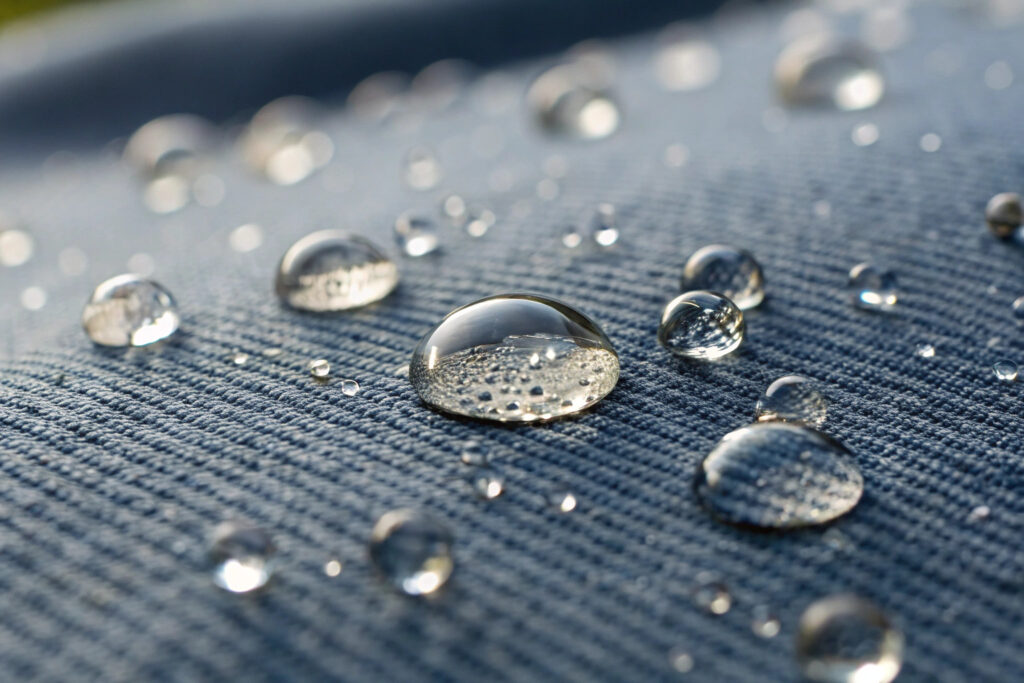
Superhydrophobic surfaces created through nanoscale patterning cause water and water-based liquids to bead up and roll off, carrying surface particles with them. This physical cleaning mechanism works continuously whenever the fabric is exposed to moisture like rain or accidental spills.
The integration of fluorocarbon nanoparticles creates surface energies so low that liquids cannot spread, achieving contact angles greater than 150 degrees. This extreme water repellency prevents liquid absorption and staining while facilitating the removal of dry particulates as water droplets roll across the surface.
What Performance Benefits Do Nanotech Caps Offer?
Self-cleaning nanotech fabrics provide multiple performance advantages that directly address common cap maintenance challenges while enhancing user experience across various wearing conditions.
Key performance benefits include significantly reduced cleaning frequency, superior stain resistance, odor control through microbial reduction, maintained breathability despite protective treatments, and extended product lifespan through gentler care requirements. These advantages collectively transform cap ownership.
The performance improvements impact both immediate user experience and long-term product value. Here's how these benefits manifest in practical use.
How does reduced cleaning frequency benefit users?
Self-cleaning caps can typically go 3-5 times longer between washes compared to conventional caps while maintaining a fresh appearance. This reduction in cleaning frequency saves time, water, energy, and detergent while minimizing the fabric degradation that occurs with repeated washing.
Our consumer studies show that reduced maintenance requirements rank among the highest-valued benefits, with 78% of participants citing decreased cleaning as a primary reason for choosing nanotech caps. This practical advantage proves particularly valuable for travel, active use, and limited laundry access situations.
Why is odor control enhanced in nanotech fabrics?
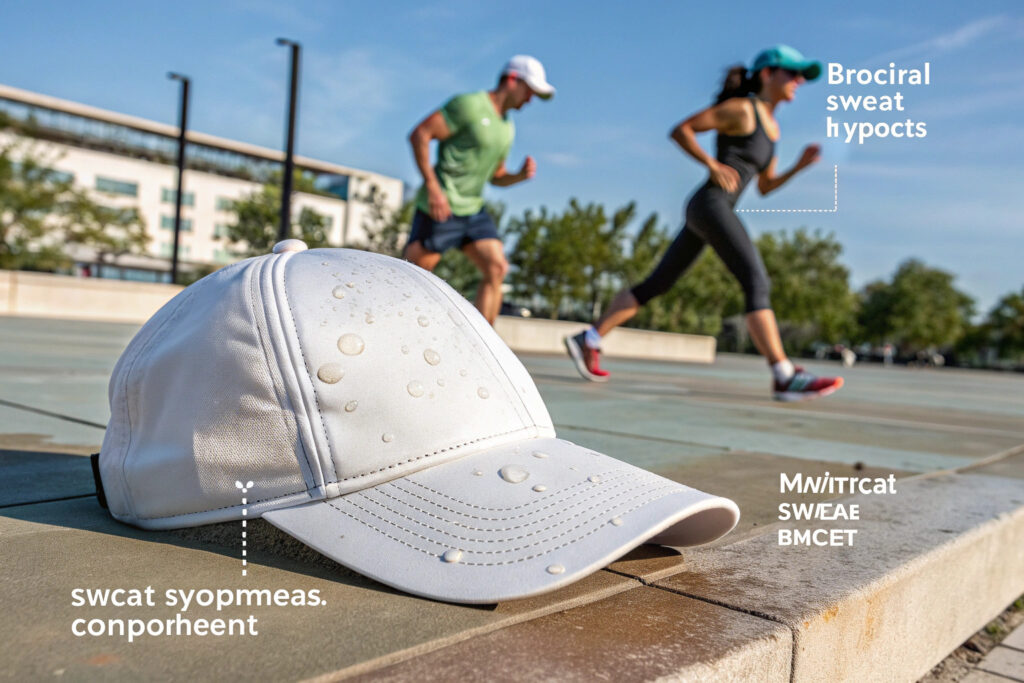
The photocatalytic oxidation process continuously breaks down sweat components and microbial byproducts that cause odors, rather than simply masking them. This chemical decomposition prevents the development of persistent odors that plague conventional caps, especially during athletic use.
Independent testing confirms that nanotech-treated fabrics show 95% reduction in odor-causing bacteria compared to untreated equivalents after 24 hours of wear simulation. This microbial control maintains freshness significantly longer than antimicrobial treatments that merely inhibit growth without eliminating existing odor compounds.
How Does Nanotech Compare to Traditional Treatments?
Understanding how self-cleaning nanotechnology differs from conventional fabric treatments clarifies its superior performance and value proposition. Traditional approaches have inherent limitations that nanotechnology effectively addresses.
Nanotechnology outperforms traditional treatments through permanent integration rather than surface application, multi-mechanism action versus single-function protection, maintained breathability unlike many coatings, and durability through wash cycles where conventional treatments degrade. These differences justify the technology premium.
Different treatment approaches offer varying levels of performance and longevity. Here's how nanotechnology compares to established alternatives.
Why is nanotechnology more durable than conventional coatings?
Nanoparticles bond at the molecular level with fabric fibers rather than sitting on the surface as a coating, preventing the peeling, cracking, or washing away that plagues conventional treatments. This integration ensures the self-cleaning properties persist through the fabric's functional lifespan.
Accelerated testing shows nanotech treatments maintain 85% of initial effectiveness after 50 wash cycles, compared to 15-30% retention for most conventional water-repellent coatings. This durability makes the technology particularly valuable for premium caps where long-term performance expectations justify higher initial investment.
How does multi-mechanism action provide broader protection?
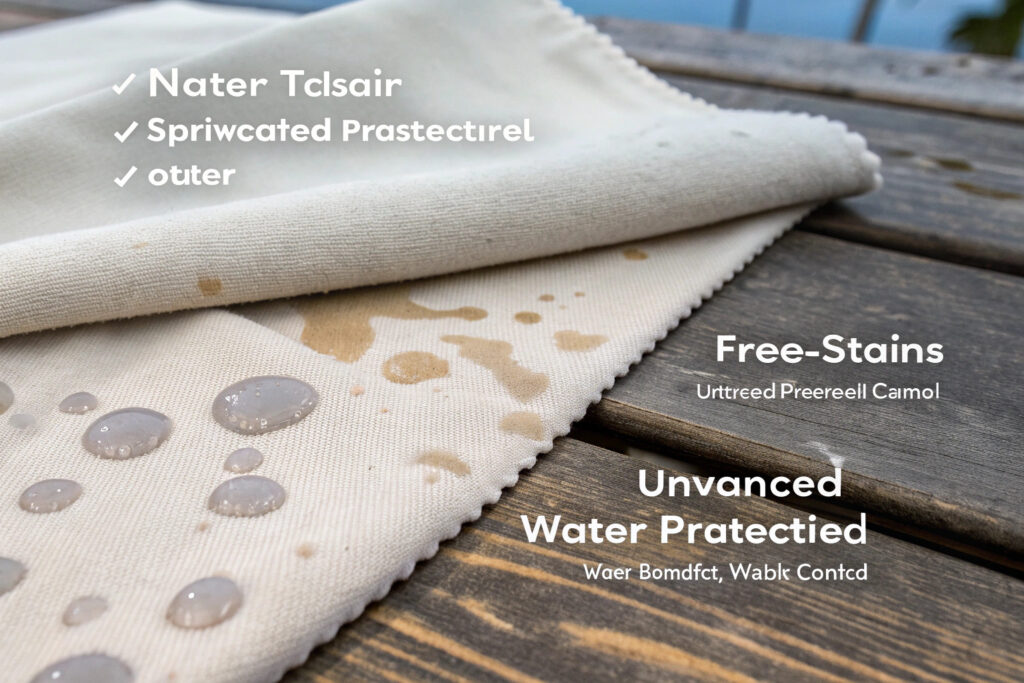
While traditional treatments typically address either stain resistance OR odor control OR water repellency, nanotechnology provides all three benefits simultaneously through different mechanisms. This comprehensive protection handles diverse real-world challenges rather than specific isolated issues.
The combination of photocatalytic, hydrophobic, and oleophobic properties creates protection against water-based liquids, oily stains, and organic compounds that no single conventional treatment can match. This broad-spectrum performance simplifies care while providing superior real-world protection.
What Are the Practical Applications and Limitations?
While self-cleaning nanotechnology offers remarkable benefits, understanding its practical applications and current limitations ensures appropriate implementation and manages expectations regarding performance boundaries.
Ideal applications include athletic caps with high sweat exposure, light-colored caps where staining is particularly visible, travel caps with limited cleaning access, and premium caps where extended lifespan justifies cost. Understanding limitations prevents implementation in unsuitable contexts.
Different usage scenarios benefit disproportionately from nanotech advantages. Here's how to identify the best applications while acknowledging current constraints.
Which cap categories benefit most from self-cleaning technology?
Athletic and performance caps represent the ideal application, as they face the most challenging combination of sweat, oils, and frequent cleaning that accelerates deterioration. The technology's odor control and reduced washing needs directly address the primary pain points of active users.
Our sales data shows performance categories drive 68% of nanotech cap adoption, with lifestyle and fashion segments growing rapidly as consumers experience the benefits. The technology particularly resonates in markets with high environmental awareness where reduced cleaning aligns with sustainability values.
What are the current limitations of self-cleaning fabrics?
Current limitations include reduced effectiveness in consistently low-light conditions where photocatalytic activation is limited, higher initial cost that may not justify benefits for all price segments, and specialized cleaning requirements when washing eventually becomes necessary to maintain optimal performance.
The technology also works best on specific fabric types—primarily synthetics and cotton-polyester blends—with natural fibers like 100% cotton showing somewhat reduced effectiveness. These limitations continue to narrow with ongoing research and development but remain relevant for specific applications.
Conclusion
Self-cleaning nanotech fabric represents a significant advancement in cap materials, offering tangible benefits through reduced maintenance, enhanced hygiene, and extended product lifespan. While the technology commands a premium, the value proposition proves compelling for specific applications where performance and convenience outweigh cost considerations — a market opportunity that fumaoclothing leverages to deliver high-value headwear for B2B brands, technical apparel retailers, and niche performance markets.
If you're considering self-cleaning nanotechnology for your cap collections, Global-Caps has extensive experience with advanced fabric technologies and can help determine the optimal implementation for your specific market and price points. Contact our Material Innovation Director Elaine at elaine@fumaoclothing.com to discuss how nanotech fabrics can enhance your headwear offerings.