The fashion industry's growing commitment to sustainability has propelled recycled ocean plastic from an environmental solution to a premium material choice for conscious headwear. Bucket hats made from regenerated marine plastics represent a powerful convergence of environmental action, technical innovation, and fashion-forward design that addresses both ecological concerns and consumer demand for authentic sustainability.
Choosing recycled ocean plastic for bucket hats transforms environmental pollutants into high-performance textiles while creating economic incentives for ocean cleanup. These hats typically utilize post-consumer plastic waste recovered from oceans, rivers, and coastal areas that's processed into polyester fibers matching virgin material performance. The resulting products offer identical functionality to conventional bucket hats while preventing plastic from entering marine ecosystems and reducing dependence on petroleum-based raw materials.
This analysis explores the environmental, technical, and market advantages of ocean plastic bucket hats, examining the supply chain innovations, material properties, and consumer impact driving this sustainable fashion movement.
What Environmental Benefits Drive This Choice?
The decision to use recycled ocean plastic extends far beyond marketing appeal, delivering measurable environmental advantages throughout the product lifecycle. These benefits span from direct ecosystem impact to broader systemic changes in manufacturing and consumption patterns.
Ocean plastic bucket hats address multiple environmental challenges simultaneously, creating positive impacts at both local and global levels while establishing new paradigms for circular fashion economics.
How Does Marine Plastic Diversion Create Value?
Each kilogram of recycled ocean plastic prevents approximately 1.5 kilograms of CO2 equivalent emissions compared to virgin polyester production, creating immediate climate benefits alongside marine ecosystem protection. The collection process typically employs coastal communities in developing regions, providing economic incentives for cleanup while creating fair-wage opportunities in areas most affected by plastic pollution. By establishing value for collected ocean plastics, manufacturers create circular economic models where environmental protection becomes economically sustainable rather than charity-dependent. These collection systems have removed over 10,000 metric tons of plastic from waterways while demonstrating the commercial viability of large-scale ocean cleanup operations.
What Lifecycle Advantages Do These Materials Offer?
Closed-loop recycling potential allows ocean plastic bucket hats to be reprocessed into new products at end-of-life, creating circular systems that minimize waste generation. The significantly reduced water footprint of recycled polyester—approximately 90% less than virgin polyester—addresses fashion's substantial water impact, particularly important in water-stressed manufacturing regions. Energy savings of 30-50% compared to virgin plastic production contribute to lower overall carbon emissions throughout the supply chain. These lifecycle advantages create comprehensive environmental benefits that extend far beyond the initial plastic diversion, establishing recycled ocean plastic as a genuinely superior environmental choice.
How Does Performance Compare to Conventional Materials?
The technical performance of recycled ocean plastic fabrics has advanced significantly, now matching or exceeding conventional materials in key metrics relevant to bucket hat functionality. Understanding these performance characteristics ensures consumers don't compromise quality for sustainability.
Modern recycling processes transform ocean plastic into high-performance textiles that maintain durability, weather resistance, and comfort while adding unique sustainability benefits. These materials undergo rigorous testing to verify they meet the demanding requirements of quality headwear.
What Are the Key Technical Properties?
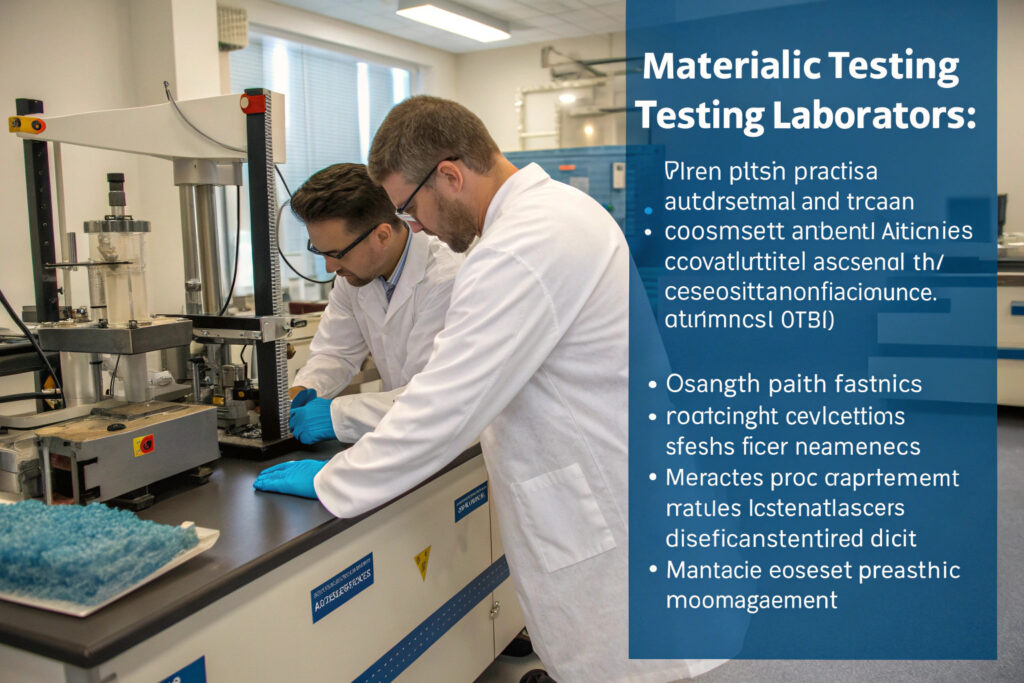
Tensile strength matching virgin polyester ensures ocean plastic bucket hats maintain their shape and durability despite wind, packing, and regular wear, with testing showing comparable performance to conventional materials. UV resistance properties remain excellent in recycled materials, with ocean plastic fabrics typically achieving UPF 40-50+ ratings equivalent to virgin polyester for reliable sun protection. Colorfastness and print retention have improved dramatically through advanced dyeing techniques specifically developed for recycled fibers, ensuring vibrant designs maintain their appearance through sun exposure and cleaning. Moisture-wicking capabilities equal to conventional performance fabrics make ocean plastic bucket hats comfortable for active wear in warm conditions, managing perspiration effectively. These technical achievements demonstrate that sustainability no longer requires performance compromise.
How Does Durability Compare in Real-World Conditions?
Accelerated weathering tests show ocean plastic fabrics maintaining integrity after equivalent years of sun exposure, with UV stabilizers integrated during recycling ensuring long-term color and strength retention. Abrasion resistance testing reveals comparable performance to virgin materials, important for bucket hats that may contact backpack straps, vegetation, or other surfaces during active use. Pilling resistance has been enhanced through fiber engineering and blending techniques, maintaining the clean appearance expected from premium headwear. These durability characteristics ensure ocean plastic bucket hats withstand regular use while maintaining their appearance, providing long-term value that supports sustainable consumption patterns.
What Supply Chain Innovations Make This Possible?
Transforming ocean plastic into premium bucket hats requires revolutionary supply chain approaches that differ significantly from conventional manufacturing. Understanding these innovations reveals how environmental challenges become commercial opportunities.
The ocean plastic supply chain represents a complete reimagining of material sourcing, incorporating environmental restoration, social impact, and technical innovation into traditional manufacturing processes. These systems demonstrate how circular economy principles can be implemented at commercial scale.
How Does Ocean Plastic Collection Work?
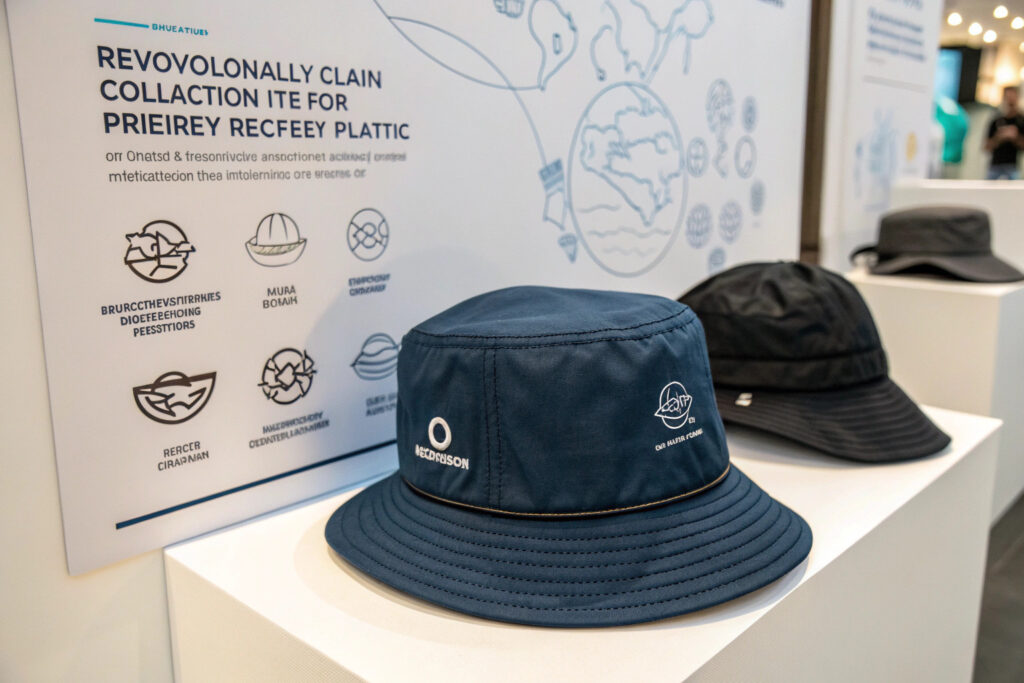
Interception technologies deployed in rivers and coastal areas capture plastic before it reaches open ocean, where recovery becomes more difficult and expensive, with systems designed to operate continuously with minimal environmental impact. Community-based collection programs engage coastal populations in plastic recovery, creating economic opportunities while addressing local pollution problems through organized beach cleanups and waste management initiatives. Partnerships with fishing communities transform fishermen into ocean cleaners, collecting plastic encountered during normal operations through programs that provide additional income streams. These collection methods have proven commercially viable at scale, with established networks now processing thousands of tons of ocean plastic annually for various applications.
What Transformation Process Creates Quality Fabric?
Advanced sorting and cleaning systems remove contaminants, salts, and biological materials from collected ocean plastic, preparing it for mechanical recycling while ensuring final product safety and quality. Mechanical recycling processes shred, melt, and reform ocean plastic into uniform pellets that can be spun into fibers matching virgin material specifications for strength, consistency, and processability. Polymer enhancement technologies maintain molecular integrity during recycling, preventing degradation that previously limited recycled plastic performance in technical applications. These transformation systems have achieved technical parity with virgin materials while creating positive environmental outcomes, establishing ocean plastic as a viable mainstream material choice.
How Does Consumer Perception Drive Market Growth?
The market success of ocean plastic bucket hats reflects evolving consumer values and purchasing behaviors that prioritize authentic sustainability alongside product quality and style. Understanding these perception shifts helps explain the commercial viability of this innovative material choice.
Consumers increasingly seek products that align with their environmental values while delivering uncompromised performance and aesthetic appeal. Ocean plastic bucket hats satisfy these multidimensional expectations through genuine sustainability credentials and market-ready design.
What Values Do Ocean Plastic Products Communicate?
Authentic environmental commitment demonstrated through tangible action rather than vague sustainability claims, with ocean plastic providing concrete evidence of environmental contribution that consumers can understand and verify. Innovation leadership positions brands as forward-thinking problem-solvers rather than followers, appealing to consumers who value companies addressing environmental challenges through creative solutions. Circular economy participation shows understanding of systemic environmental issues and commitment to solutions that extend beyond individual products to address broader material flows. These value propositions resonate particularly strongly with younger consumers who prioritize sustainability in their purchasing decisions.
How Does Storytelling Enhance Product Value?
Transparent supply chain narratives that trace materials from ocean to finished product create emotional connections and verifiable sustainability claims that consumers increasingly demand. Tangible impact quantification stating the amount of plastic diverted per product provides concrete environmental benefits that consumers can understand and share, enhancing both satisfaction and advocacy. Community benefit stories highlighting the social dimensions of ocean plastic collection create multidimensional value propositions that extend beyond environmental benefits alone. These storytelling elements transform ordinary purchases into participatory environmental actions, enhancing both perceived value and actual environmental impact.
Conclusion
Choosing recycled ocean plastic for bucket hats represents a sophisticated sustainability strategy that delivers genuine environmental benefits while meeting consumer demand for authentic eco-friendly products. The material's technical parity with conventional alternatives, combined with its compelling environmental narrative and circular economic potential, establishes it as a superior choice for conscious consumers and forward-thinking brands.
As recycling technologies advance and collection infrastructure expands, ocean plastic is transitioning from niche innovation to mainstream material solution. The growing market success of ocean plastic bucket hats demonstrates that environmental responsibility and commercial viability can align, creating products that protect both style and the planet while establishing new standards for sustainable fashion.