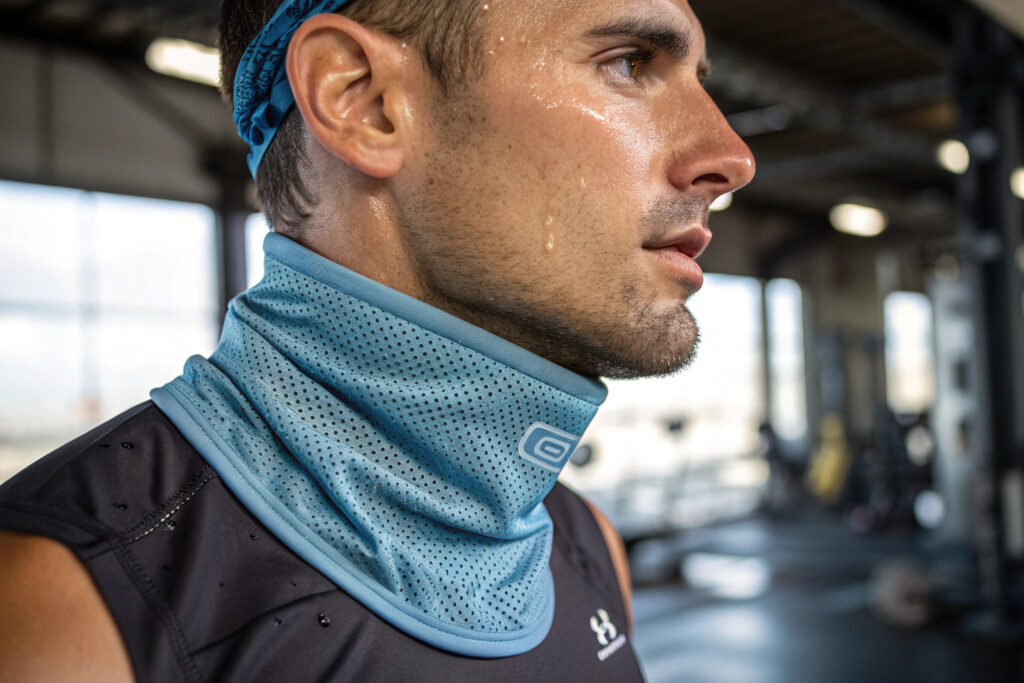
Imagine a worker on a scorching oil rig or an athlete in peak summer training. Traditional wet bandanas offer brief relief but quickly become warm and soggy. Ice packs are bulky, messy, and can cause skin damage from extreme cold. There's a clear need for cooling that is sustained, comfortable, and hands-free. This is where advanced material science provides a superior solution.
Choosing Phase Change Material (PCM) for cooling bandanas is the optimal decision because it provides long-duration, temperature-regulated cooling that is safe against the skin, reusable, and requires no pre-wetting, outperforming evaporative and ice-based methods. PCMs work by absorbing and storing substantial heat energy as they change from solid to liquid at a specific, pre-set "phase change temperature." This process creates a stable cooling plateau, making them uniquely effective for managing heat stress in demanding environments.
Let's explore the science behind PCMs, compare them directly to traditional methods, and examine why they are becoming the go-to technology for professional and athletic cooling wear.
What is the Science Behind PCM Cooling?
To understand why PCMs are superior, we must first understand how they work on a fundamental level. It's a process of energy management, not just simple heat transfer.
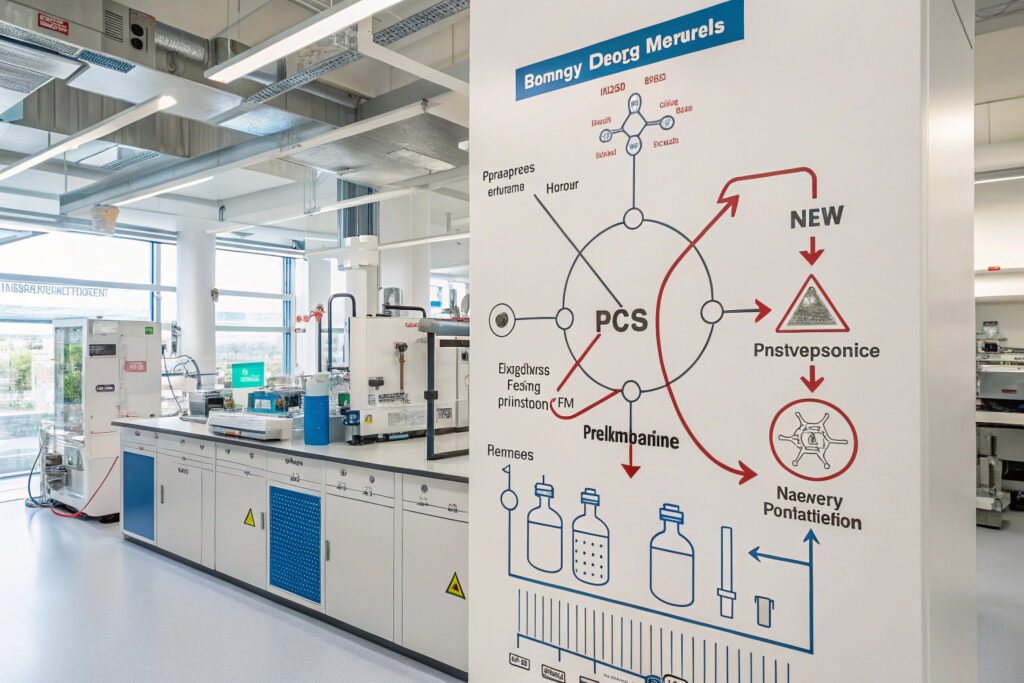
Phase Change Materials cool by absorbing a large amount of latent heat as they melt at their specific transition temperature, providing a prolonged period of stable cooling without a significant temperature drop. The key is the latent heat of fusion—the energy required to change a material's state from solid to liquid without changing its temperature. For example, when a PCM designed to melt at 18°C (64°F) is activated and placed against the skin, it will actively draw body heat to fuel its melting process, holding steady near that 18°C mark for an extended period, often 2-4 hours. Once fully liquefied and warmed beyond its point, it can be easily reset by placing it in a cool environment to solidify, ready for reuse.
How does this differ from everyday cooling methods?
This contrasts sharply with two common experiences. Sensible cooling, like using a cold metal spoon, relies on the object's temperature being lower than your skin. It cools quickly but also warms up rapidly as the temperatures equalize. Evaporative cooling, like a wet bandana, relies on water absorbing heat to turn into vapor. It's highly dependent on low humidity and stops when the fabric dries out. PCMs provide a third, more stable mechanism: isothermal cooling at a set point, which is far more predictable and long-lasting.
What are common PCM types used in wearables?
The most prevalent and safe PCMs for body-contact applications are hydrated salts and paraffin waxes. These materials are encapsulated within durable plastic sheets or pouches to prevent leakage. They are chosen for their high latent heat capacity, non-toxic nature, and ability to be engineered to melt at specific temperatures optimal for human comfort (typically between 15°C and 25°C). Their reliability and safety profile make them suitable for everything from medical therapeutic wraps to high-end sportswear.
How Do PCM Bandanas Outperform Traditional Methods?
The real value of PCM technology becomes clear in a direct comparison with conventional cooling approaches. Each traditional method has significant drawbacks that PCMs systematically address.
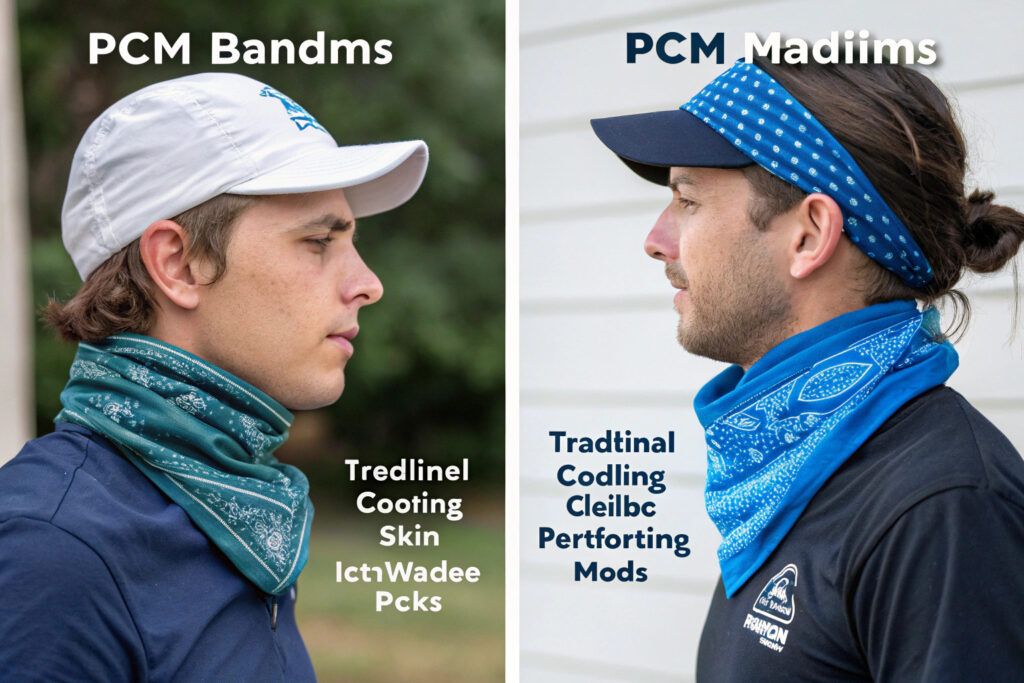
PCM bandanas outperform traditional methods by providing consistent, "set-and-forget" cooling for multiple hours, maintaining a safe skin temperature without moisture, and offering hundreds of reuses with simple reactivation. This creates a product that is more effective, more convenient, and more economical over its lifespan.
What are the limitations of evaporative (wet fabric) bandanas?
Evaporative bandanas are simple but deeply flawed for reliable cooling. Their performance is highly dependent on ambient humidity—in muggy conditions, evaporation slows or stops, rendering them ineffective. They provide short-lived relief, often lasting only 20-30 minutes before the fabric dries and becomes warm. The constant dampness can lead to skin maceration (softening and breakdown) and is generally uncomfortable for extended wear. They are a passive solution with little control over the cooling intensity or duration.
Why are ice packs and gel packs inferior for wearables?
While ice packs provide intense cold, they are poorly suited for direct, prolonged skin application. The main issue is the risk of cold burns (frostbite) or nerve damage from extreme, uncontrolled temperature drop. They also suffer from "temperature dive"—they start extremely cold and warm up rapidly, offering no stable cooling plateau. Gel packs often contain freezable water-based solutions that share these problems. They are also typically heavier and bulkier than PCM packs. In contrast, a PCM engineered to melt at 18°C provides strong cooling sensation without ever reaching dangerous sub-zero temperatures. This principle of safe, regulated cooling is central to the functional design philosophy at Shanghai Fumao Clothing, ensuring user comfort and safety are engineered into the product.
What Are the Key Applications and Benefits?
The unique advantages of PCM cooling translate into critical benefits for specific user groups where heat management is not just about comfort, but about safety, health, and performance.
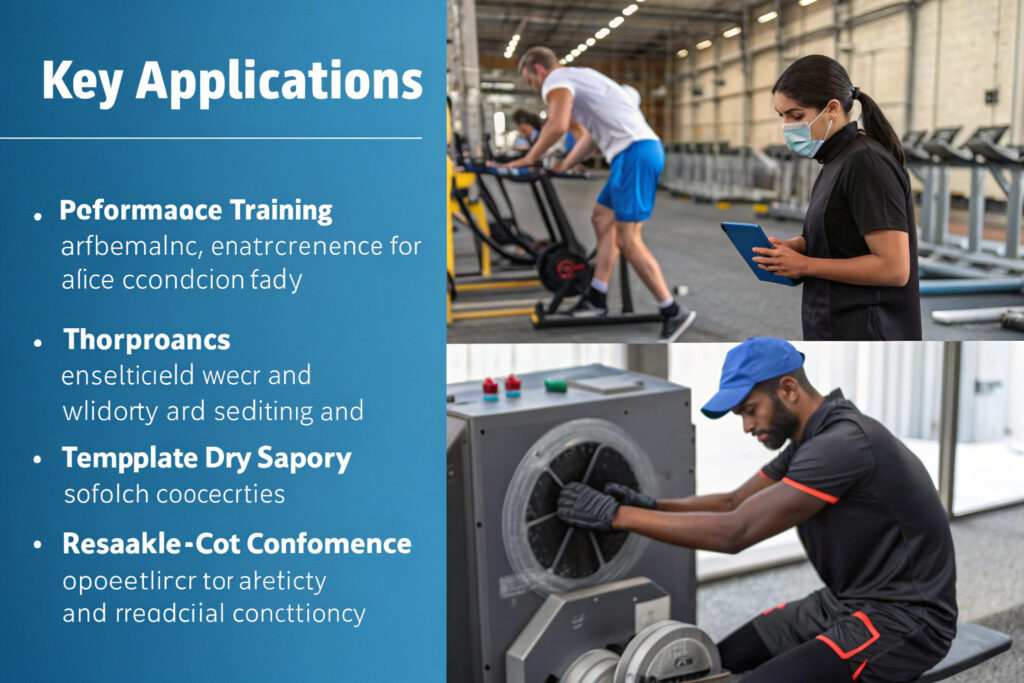
The key applications are in occupational safety for industrial workers, performance enhancement for athletes, and therapeutic support for individuals with heat sensitivity or medical conditions. The core benefits are prolonged cooling duration, temperature regulation for safety, and dry, reusable convenience.
How do PCM bandanas enhance occupational health and safety?
Heat stress is a major occupational hazard in industries like construction, mining, utilities, and manufacturing. PCM bandanas are a proactive engineering control in the hierarchy of safety measures. By helping to regulate a worker's core body temperature, they directly reduce the risk of heat exhaustion, heat stroke, and related accidents caused by impaired cognitive function and fatigue. Companies that invest in this PPE demonstrate a commitment to worker well-being, which can improve morale, reduce downtime, and boost productivity. They are particularly valuable for workers in non-air-conditioned environments or those wearing heavy protective clothing.
What advantages do they offer athletes and outdoor enthusiasts?
For athletes, consistent core temperature management is linked to improved endurance, reduced perceived exertion, and faster recovery. A PCM bandana can help maintain peak performance for longer by mitigating the performance-degrading effects of heat. Unlike a wet towel, it won't become a soggy, warm burden during a long run or bike ride. The "cooling on demand" aspect is also perfect for outdoor activities like hiking, fishing, or gardening, where access to water for rewetting a traditional bandana may be limited. The reusability makes it an economical and environmentally friendlier choice over single-use cooling products.
How to Design and Source Effective PCM Cooling Products?
Developing a successful PCM cooling bandana goes beyond simply sewing a pouch into fabric. It requires thoughtful integration of material science, ergonomics, and user-centric design.
Effective PCM product design hinges on selecting the correct phase change temperature for the use case, ensuring secure and comfortable integration into the garment, and sourcing from suppliers with expertise in functional materials and safety testing.
What are the critical design considerations?
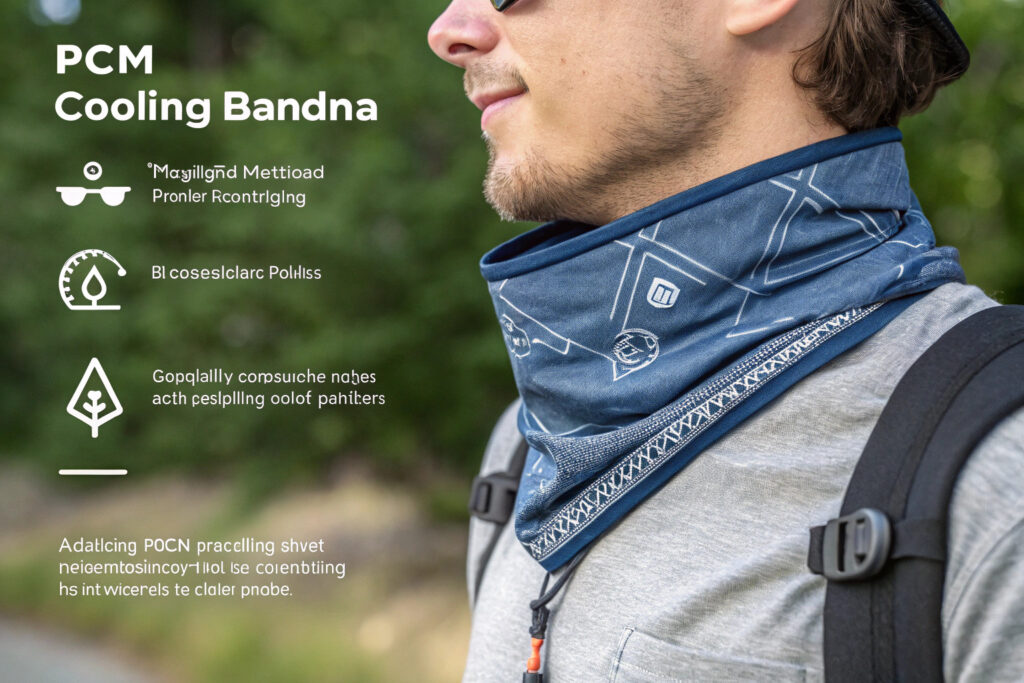
First, PCM Temperature Selection is paramount. A bandana for intense athletic use in hot climates might use a PCM that melts at 15-18°C for stronger cooling. A product for general comfort or therapeutic use might target 22-25°C to avoid any chilling sensation. Second, PCM Pack Integration must be secure and comfortable. The pouch should be easily removable for reactivation (e.g., placing in a cooler or refrigerator). The bandana fabric itself should be made from moisture-wicking, quick-dry, and breathable materials (like polyester or nylon blends) to manage sweat independently of the PCM's function. The design should ensure even contact with pulse points on the neck for optimal cooling efficiency.
How should you source and vet PCM materials and suppliers?
Sourcing requires a technical partnership. Look for PCM suppliers or component manufacturers who can provide:
- Technical Data Sheets: Certifying the melting point, latent heat capacity, cycling stability (number of melt/freeze cycles before degradation), and material safety.
- Safety Certifications: Especially for skin contact and to ensure non-toxic, non-flammable properties.
- Encapsulation Quality: The PCM must be securely encapsulated in a durable, flexible, and leak-proof pouch. Request samples and test them through multiple freeze/thaw cycles under pressure.
A knowledgeable manufacturer will understand these requirements and help navigate the supply chain. This is the kind of functional material sourcing and product development support that Shanghai Fumao Clothing provides to clients looking to innovate in the performance and safety wearables space.
Conclusion
Choosing Phase Change Material for cooling bandanas represents a shift from temporary, unreliable methods to engineered, performance-grade personal cooling. By harnessing the physics of latent heat, PCMs deliver what other technologies cannot: hours of consistent, temperature-regulated cooling that is safe, dry, and reusable.
The benefits are profound, from safeguarding workers in extreme environments to boosting athletic performance and providing comfort for those with medical needs. For product developers and brands, integrating PCM technology offers a powerful way to create differentiated, high-value items that meet a clear and growing market demand for intelligent heat management solutions.
If you are exploring the development of advanced cooling wearables like PCM bandanas or other functional gear, Shanghai Fumao Clothing can be your expert partner. We specialize in sourcing innovative materials and manufacturing technically sophisticated apparel and accessories. To discuss how we can help bring your next-generation cooling product to market, please contact our Business Director, Elaine.Contact: Elaine, Business Director. Email: elaine@fumaoclothing.com.