US retail buyers face increasing pressure to deliver quality headwear while managing complex international supply chains. The challenge of maintaining consistent product standards across global manufacturing partners can lead to costly returns, damaged brand reputation, and operational inefficiencies that impact profitability.
ISO 9001-certified hat factories provide a systematic solution to these challenges through internationally recognized quality management systems. These certified manufacturers deliver consistent product quality, reliable supply chain operations, and enhanced risk management specifically aligned with US market requirements. The certification serves as independent verification that the factory operates under standardized processes that prevent defects and ensure customer satisfaction.
Understanding the specific benefits of ISO 9001 certification helps US retailers make informed sourcing decisions that protect their brands while optimizing their headwear supply chains.
How Does ISO 9001 Certification Ensure Consistent Quality?
Quality consistency remains one of the most significant challenges when sourcing headwear from international suppliers. ISO 9001 certification addresses this through documented processes, continuous monitoring, and systematic improvement protocols.
ISO 9001-certified hat factories implement rigorous quality management systems that standardize operations from raw material inspection to final product shipment. These systems include documented procedures for every production stage, regular internal audits to identify potential issues, and corrective action processes that prevent problem recurrence. This systematic approach transforms quality control from reactive inspection to proactive prevention, significantly reducing defect rates in finished headwear.
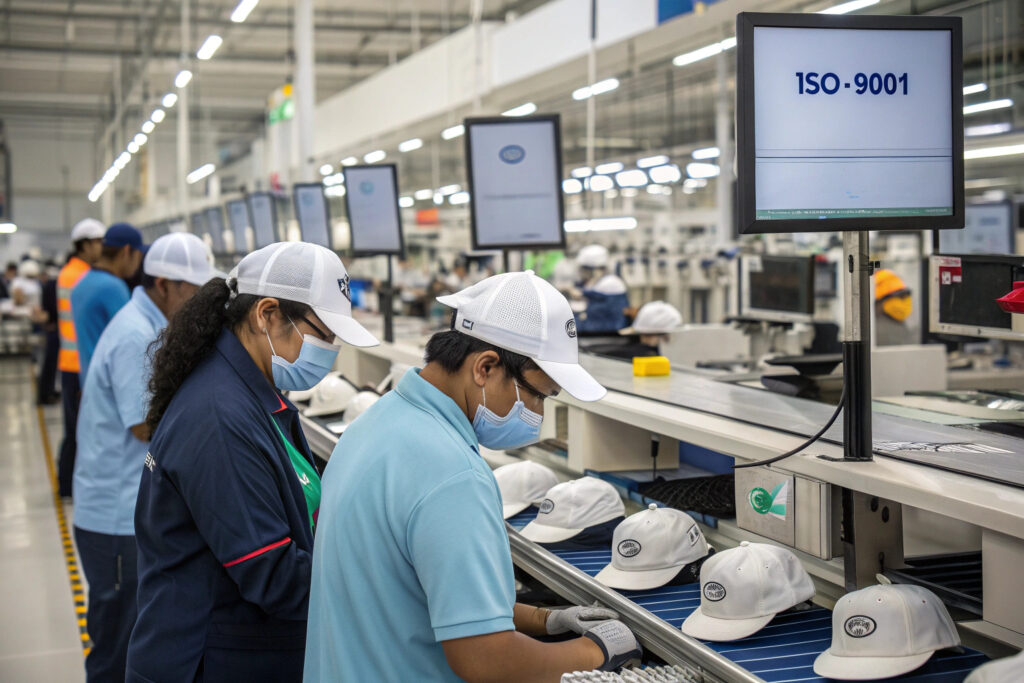
What Specific Quality Controls Do Certified Factories Implement?
Certified factories implement comprehensive quality controls that exceed basic manufacturing standards. These include incoming material verification against established specifications, in-process quality checks at critical production stages, and final inspection protocols aligned with US retailer requirements. The documented procedures ensure consistency across production runs and manufacturing teams, eliminating variations that commonly occur in non-certified facilities. This systematic approach results in higher first-pass quality rates and fewer customer rejections.
How Does Continuous Improvement Benefit US Retailers?
The ISO 9001 framework requires certified factories to implement continuous improvement processes that directly benefit US retail partners. Through regular management reviews, internal audits, and customer feedback analysis, these manufacturers systematically identify and address potential quality issues before they impact shipments. This proactive improvement means that quality typically improves over time rather than fluctuating randomly, providing retailers with increasing reliability from their sourcing partnerships.
What Supply Chain Advantages Do Certified Factories Offer?
Beyond product quality, ISO 9001 certification significantly enhances supply chain reliability through standardized processes and systematic risk management. These operational advantages directly impact a retailer's ability to maintain consistent inventory and meet consumer demand.
Certified factories deliver superior supply chain performance through documented procurement procedures, inventory management systems, and production planning processes. These systems minimize disruptions caused by material shortages, production delays, and logistical inefficiencies. The supply chain transparency provided by proper documentation also simplifies communication and problem resolution for US-based purchasing teams.

How Does Certification Improve On-Time Delivery Performance?
ISO 9001 certification directly enhances on-time delivery through systematic production planning and monitoring. Certified factories implement documented order review processes that verify capability before accepting orders, realistic production scheduling based on historical performance data, and progress monitoring systems that identify potential delays early. This delivery reliability reduces the need for expensive air freight and prevents stockouts that damage sales performance and customer relationships.
What Risk Management Benefits Apply to US Importers?
The risk management framework within ISO 9001 provides significant protection for US retailers importing headwear. Certified factories maintain documented business continuity plans, supplier qualification processes, and change management systems that prevent unexpected disruptions. This structured risk approach is particularly valuable given the complex nature of international headwear sourcing, where material availability, labor stability, and logistical challenges can quickly impact supply chain performance.
How Does Certification Impact Compliance and Market Access?
US market access requires compliance with various regulatory standards and retailer-specific requirements. ISO 9001-certified factories are better positioned to meet these demands through their systematic approach to compliance management.
The certification framework ensures factories maintain proper documentation, change control processes, and training systems that facilitate compliance with US regulations. This includes product safety standards, labeling requirements, and documentation needs for customs clearance. The disciplined approach also simplifies the qualification processes required by major US retailers, who increasingly prioritize certified suppliers.
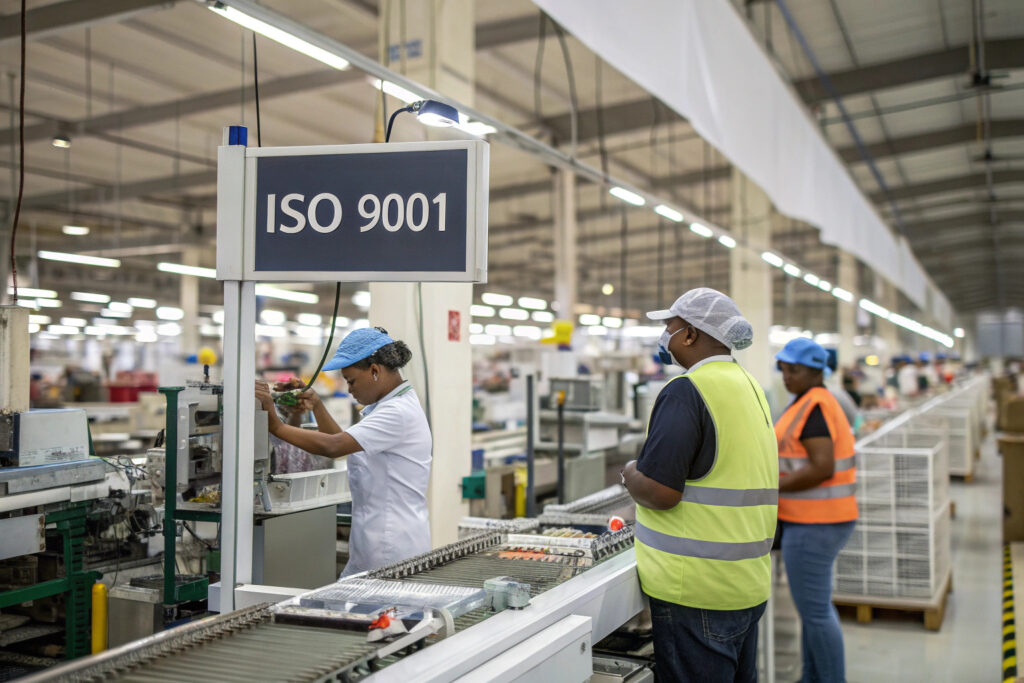
What Documentation Advantages Support US Customs Clearance?
ISO 9001 certification ensures factories maintain comprehensive documentation systems that streamline US import processes. These include material traceability records, production batch documentation, and testing certificates that customs officials and retailers may require. This documentation discipline prevents clearance delays that can disrupt inventory planning and create additional costs through demurrage and detention fees at US ports.
How Does Certification Facilitate Retailer Qualification Processes?
Major US retailers increasingly require suppliers to complete detailed qualification questionnaires and facility audits. ISO 9001-certified factories can respond more efficiently to these requests through their existing documentation systems and demonstrated commitment to quality management. This qualification advantage significantly reduces the time and resources required to onboard new suppliers, allowing retailers to bring products to market faster while maintaining compliance with internal standards.
What Are the Long-Term Business Benefits for Retailers?
Beyond immediate operational advantages, ISO 9001 certification delivers significant long-term business benefits that impact profitability, brand reputation, and strategic positioning in the competitive US headwear market.
The long-term advantages include reduced total cost of ownership through lower defect rates, enhanced brand protection from quality-related issues, and strategic partnership opportunities with suppliers committed to continuous improvement. These sustainable benefits compound over time, creating competitive advantages that extend far beyond initial purchasing decisions.

How Does Certification Reduce Total Cost of Ownership?
While ISO 9001-certified factories may command slightly higher initial prices, they typically deliver lower total costs through reduced quality issues. The financial benefits include fewer customer returns, reduced inspection requirements, less administrative oversight, and elimination of costs associated with quality failures. This total cost analysis demonstrates that certified suppliers often provide better value despite potential price premiums, particularly for retailers with strong brand reputations to protect.
What Competitive Advantages Does Certification Create?
Partnering with ISO 9001-certified hat factories creates sustainable competitive advantages in the US retail market. Retailers can leverage the certification in marketing communications, strengthen their brand positioning around quality and reliability, and reduce operational firefighting that distracts from strategic initiatives. This strategic advantage becomes increasingly valuable as consumers and retail partners place greater emphasis on supply chain transparency and product quality assurance.
Conclusion
Choosing ISO 9001-certified hat factories provides US retailers with a proven framework for quality assurance, supply chain reliability, and risk management. The certification serves as independent verification of a factory's commitment to systematic processes that prevent problems rather than simply detecting them, delivering tangible benefits throughout the product lifecycle.
If you're looking to enhance your headwear sourcing strategy with ISO 9001-certified manufacturing partners, our certified facilities deliver the quality and reliability your US retail business requires. Contact our Business Director Elaine at elaine@fumaoclothing.com to discuss how our certified manufacturing processes can support your brand's quality standards and business objectives.