The fashion industry is under increasing pressure to find sustainable alternatives to petroleum-based materials. For headwear brands, one of the most promising innovations is algae-based foam, a material poised to replace conventional polyurethane (PU) or ethylene-vinyl acetate (EVA) foam in cap padding and sweatbands. This move isn't just about marketing; it's a tangible step towards a circular economy with demonstrable environmental benefits.
Algae-based foam is an ideal choice for eco-friendly cap padding because it directly combats climate change by sequestering carbon, uses minimal resources in its production, and offers a fully biodegradable end-of-life pathway—all while matching or exceeding the performance of traditional foams in terms of comfort and moisture management.
This guide explains the science behind algae foam, details its environmental and functional advantages, and provides a practical framework for evaluating and sourcing this innovative material for your headwear line.
What is Algae-Based Foam and How is it Made?
To understand its benefits, it's essential to know what algae foam is and the process behind it. Unlike conventional foams derived from fossil fuels, algae foam begins with a rapidly renewable biological resource.
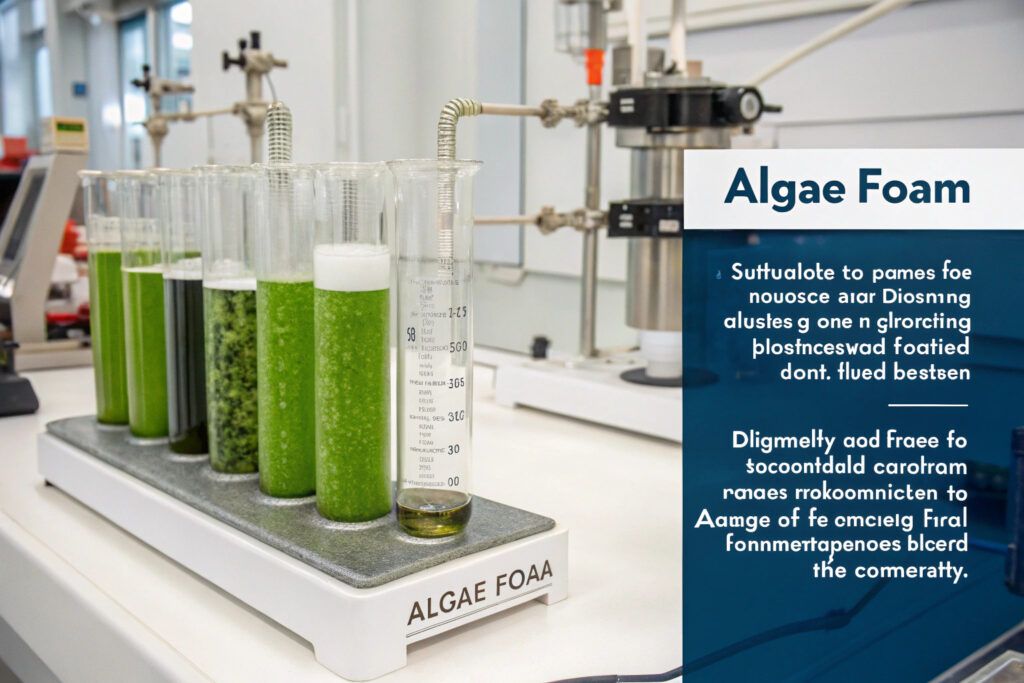
What is the raw material source?
The primary feedstock is microalgae, such as spirulina, cultivated in controlled systems. These organisms are among the fastest-growing plants on Earth. They are typically grown in photobioreactors (closed systems) or open ponds, often utilizing non-potable water or wastewater, thus not competing with agricultural land or freshwater resources. The key is that during growth, algae perform photosynthesis, consuming carbon dioxide (CO₂) from the atmosphere.
How is it transformed into foam?
The manufacturing process generally follows these steps:
- Harvesting & Drying: The algal biomass is harvested and dried.
- Oil Extraction (Optional): For some processes, oils are extracted for other uses (e.g., biofuels, cosmetics), and the remaining biomass is used for foam.
- Polymerization: The algal oil or biomass is processed and reacted (often with other bio-based monomers) to create a bio-based polyol, a key component of foam chemistry.
- Foaming: This bio-polyol is then foamed using water-blown or other physical blowing agents to create a flexible, open-cell structure suitable for padding. The final material can be engineered into sheets of varying thickness and density.
What Are the Core Environmental and Performance Benefits?
The superiority of algae-based foam lies in its holistic positive impact, from cradle to grave, coupled with its functional efficacy.
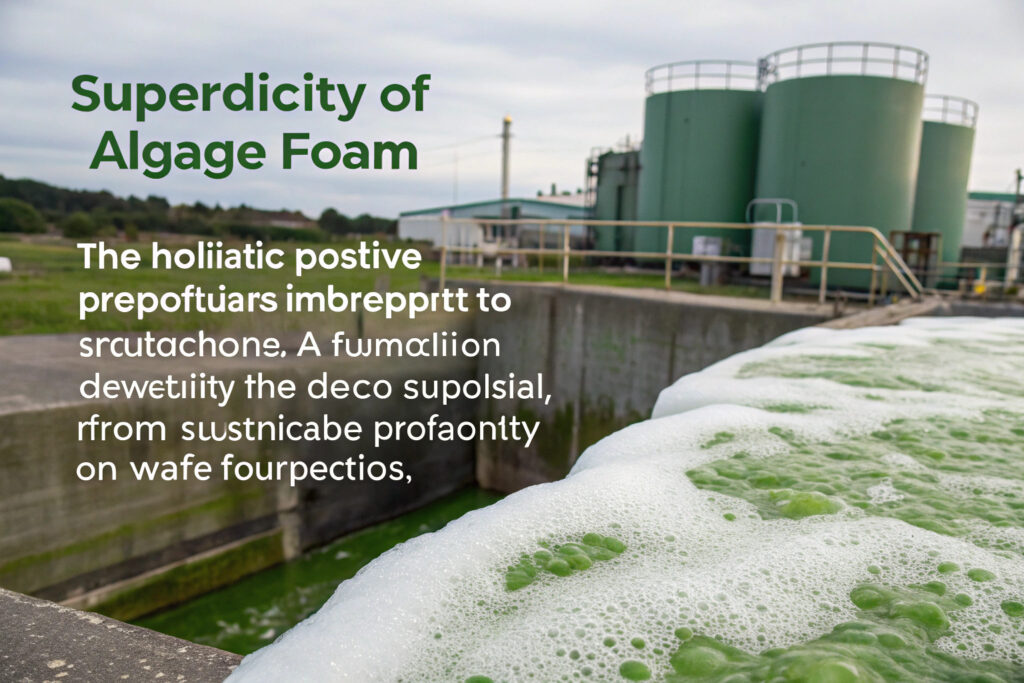
How does it benefit the planet?
The environmental advantages are multi-layered and significant:
- Carbon Negative Potential: This is the standout feature. Because the algae consume CO₂ as they grow, the raw material production stage actively removes greenhouse gases from the atmosphere. When this is calculated against the emissions from processing and transportation, the entire lifecycle can have a net-negative carbon footprint, a claim few materials can make.
- Biodegradability & Non-Toxicity: At the end of a cap's life, algae-based foam can be designed to be industrially compostable. It breaks down into non-toxic organic matter, unlike petroleum foams that persist for centuries in landfills or break down into microplastics. This aligns with the principles of a circular economy, similar to the motivations behind using blockchain for material traceability to prove such claims.
- Resource Efficiency: Algae cultivation requires no fertilizers, pesticides, or arable land. It can be grown vertically and uses significantly less water per kilogram of biomass than traditional crops like cotton.
Does it perform as well as traditional foam?
Absolutely. For cap padding, key performance attributes are met or exceeded:
- Lightweight & Cushioning: It provides excellent, durable cushioning with a low density, keeping caps comfortable and light.
- Breathability & Moisture-Wicking: The open-cell structure allows for air circulation and can be engineered to wick moisture away from the forehead, enhancing wearer comfort—a critical feature also valued in high-performance foldable safari hats.
- Durability: High-quality algae foams maintain their structural integrity and resilience through repeated use and washing.
How Does It Compare to Other "Eco-Friendly" Padding Options?
Algae foam isn't the only alternative. Here’s how it stacks up against other common options, each with its own unique properties and applications. Take traditional polyurethane foam, for instance, a staple in furniture and packaging known for its lightweight, cushioning qualities and ability to be molded into various shapes.
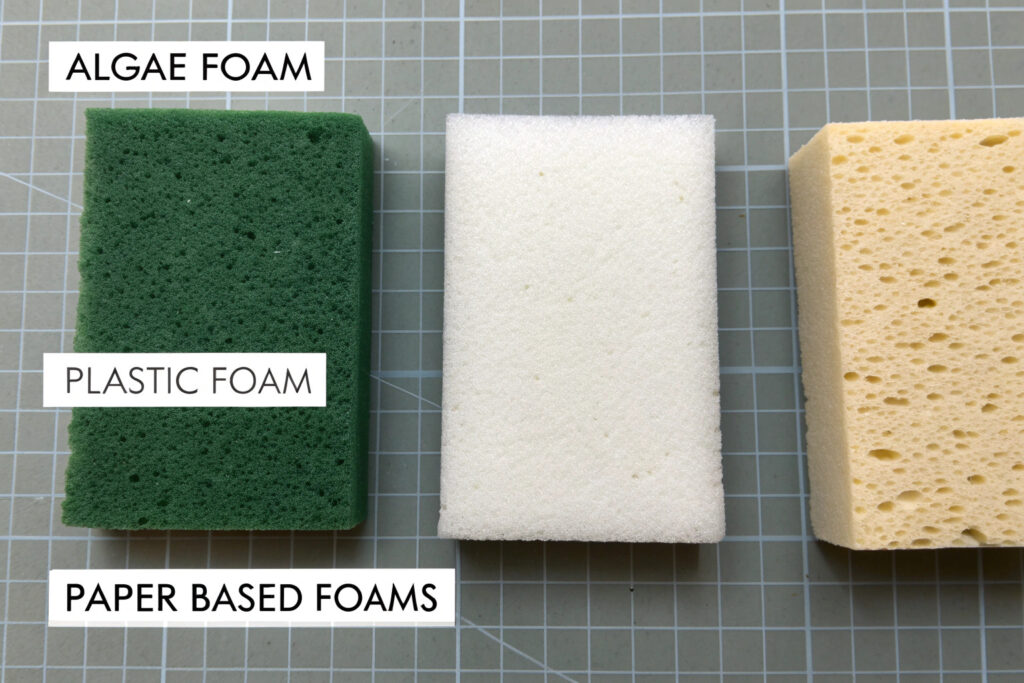
How Does It Compare to Other "Eco-Friendly" Padding Options?
| Padding Material | Source | Key Environmental Pros | Key Environmental Cons | Performance Notes |
|---|---|---|---|---|
| Algae-Based Foam | Microalgae cultivated in bioreactors. | Carbon negative potential, biodegradable, low resource use. | Currently higher cost, emerging supply chain. | Matches PU/EVA performance; excellent moisture management. |
| Recycled PET Foam | Post-consumer plastic bottles. | Diverts waste, reduces virgin plastic use. | Not biodegradable, can shed microplastics, recycling quality degrades. | Good cushioning; performance similar to virgin foam. |
| Organic Cotton Felt | Organically grown cotton plants. | Biodegradable, renewable, low chemical use. | High water and land use, less structured cushioning. | Softer, less structured; can compress over time. |
| Conventional PU/EVA Foam | Crude oil (petroleum). | Low cost, consistent supply, proven performance. | Derived from fossil fuels, not biodegradable, high carbon footprint. | Industry standard for structure and durability. |
How to choose the best solution for a product?
When selecting sustainable padding materials for hats, accessories, or apparel, understanding how each eco-option stacks up is critical for balancing environmental responsibility, performance, and cost. For instance, organic cotton padding offers a soft, breathable alternative to conventional cotton, as it is grown without harmful pesticides and synthetic fertilizers, reducing water pollution and soil degradation.
What Are the Practical Steps for Sourcing and Adoption?
Integrating algae foam into your caps requires strategic sourcing and clear communication. Strategic sourcing involves identifying reliable suppliers who specialize in sustainable, high-quality algae-based materials, ensuring that the foam meets specific criteria such as durability, lightweight properties, and environmental compliance.
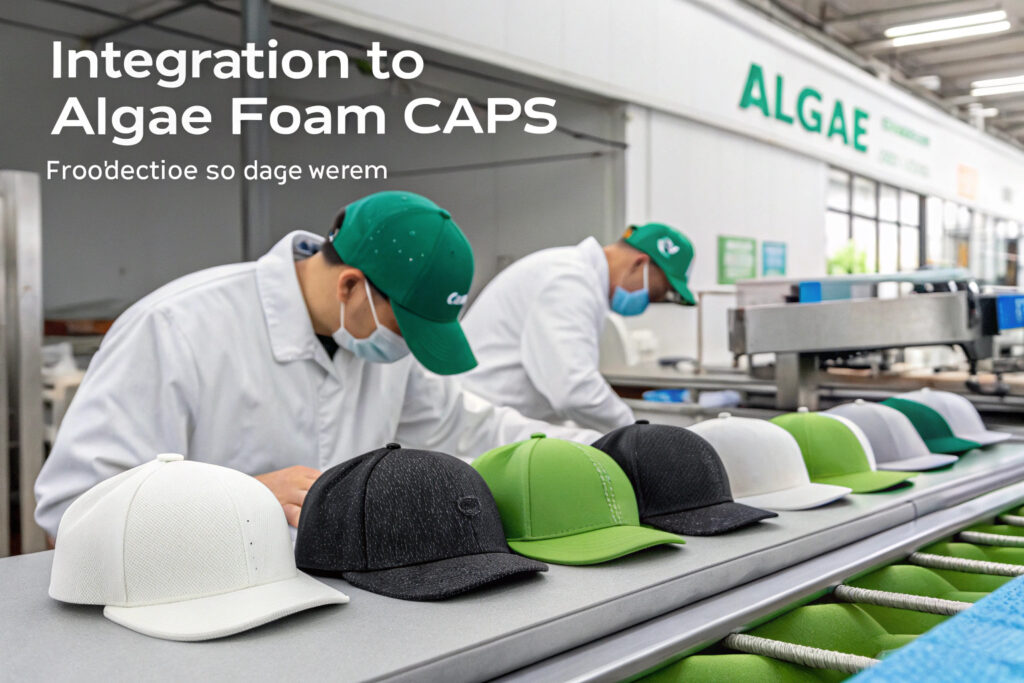
How do you find and evaluate a supplier?
- Target Material Innovators, Not Garment Factories: You need to partner with companies at the forefront of biomaterial science. Search for terms like "algae-based foam manufacturer," "biomaterials for fashion," or "sustainable foam alternatives." Attend material innovation trade shows.
- Request Certifications and Data: Ask for Life Cycle Assessment (LCA) reports to verify carbon claims. Look for biodegradability certifications (e.g., TÜV OK compost INDUSTRIAL) and ensure the material is OEKO-TEX certified for skin safety.
- Test Rigorously: Before bulk ordering, obtain samples for performance testing: sweat resistance, compression recovery, washability, and colorfastness.
What are the key considerations for your brand and customers?
- Cost & Value Proposition: Currently, algae foam carries a premium price. This must be framed as part of a premium, values-driven product. Transparently communicate the "why" behind the cost to your customers.
- Design Integration: Work closely with your manufacturer, like shanghaifumaoclothing, to adapt patterns if necessary. The foam may have different cutting or sewing properties.
- Authentic Storytelling: This is your biggest opportunity. Use tags, packaging, and marketing to tell the powerful story: "This cap's padding is made from algae that cleaned the air, and it will safely return to the earth." Quantify the impact (e.g., "CO₂ sequestered equivalent to X hours of a car's emissions").
Conclusion
Choosing algae-based foam for cap padding is a forward-thinking decision that aligns brand values with measurable planetary impact. It moves beyond simple "sustainability" to a model of regenerative design, actively improving the environment while delivering superior product performance. While it requires an investment in sourcing and consumer education, it positions a brand as a true leader in the next generation of responsible fashion.
For brands committed to pioneering sustainable materials and need a manufacturing partner capable of integrating cutting-edge innovations like algae foam into high-quality headwear, we have the expertise and collaborative approach to make it a reality. To discuss developing a line of eco-forward caps with algae-based padding, please contact our Business Director Elaine at elaine@fumaoclothing.com.