Weighted blankets have been popular for years, but now a new product is capturing attention: weighted beanies. If you struggle with anxiety, you might have seen these specially designed hats trending online and wondered if they actually work. The sudden interest in head-based deep pressure therapy deserves a closer look to understand the science behind the trend.
Weighted beanies are gaining traction for anxiety relief because they provide portable, targeted deep touch pressure stimulation, which calms the nervous system by increasing serotonin and melatonin production while reducing cortisol levels. Unlike bulky weighted blankets, these beanies offer discreet anxiety management that people can use anywhere, from busy offices to crowded public spaces, making therapeutic pressure accessible throughout the day.
The growing demand for wearable anxiety solutions reflects a broader shift toward practical mental health tools. Let's explore why these specialized hats are becoming so popular and whether they might be a good fit for your anxiety management toolkit — all while highlighting our expertise at Shanghaifumaoclothing in crafting therapeutic headwear with precision-engineered design.
How does deep pressure stimulation reduce anxiety?
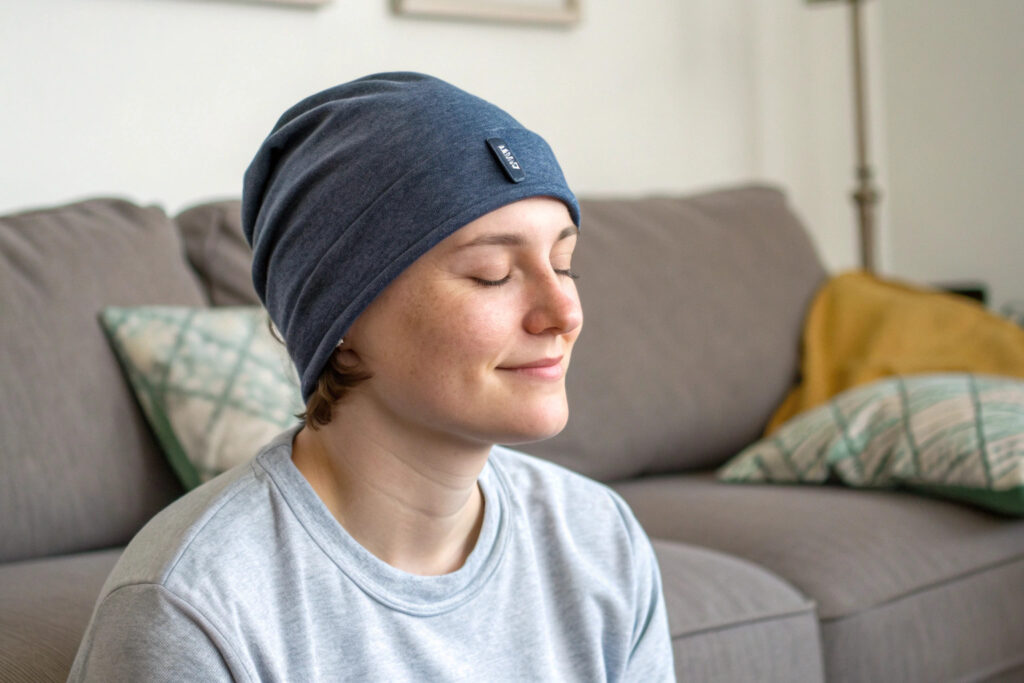
Deep pressure stimulation works by activating the parasympathetic nervous system, which controls the body's "rest and digest" functions. When you wear a weighted beanie, the gentle pressure on your head creates a calming effect similar to a hug or swaddling.
This pressure triggers the release of neurotransmitters like serotonin and dopamine, which improve mood and create feelings of well-being. Simultaneously, it reduces cortisol, the primary stress hormone responsible for fight-or-flight responses. The combination of these neurochemical changes creates a natural calming effect that can significantly reduce anxiety symptoms within minutes of putting on the weighted beanie.
What neurological changes occur during deep pressure therapy?
When weighted beanies apply gentle pressure, they stimulate mechanoreceptors in the skin that send signals to the brainstem. This triggers the release of oxytocin, often called the "bonding hormone," which promotes feelings of trust and relaxation. The pressure also encourages vagus nerve activation, which slows heart rate and reduces blood pressure. These combined effects create what neuroscientists call a "neural calm" state, where the brain shifts from high-alert beta waves to more relaxed alpha waves.
The somatosensory cortex processes the deep pressure input, which can help override competing anxiety signals in the brain. This is particularly beneficial for people with sensory processing disorders who may feel overwhelmed by their environment. The consistent pressure provides what occupational therapists call "proprioceptive input," giving the brain better awareness of body position and movement, which has a organizing effect on the nervous system. At Shanghaifumaoclothing, our weighted beanies are engineered to target these neurological responses with precision weight distribution—explore our therapeutic headwear collection to learn more.
How does weighted head pressure compare to other anxiety tools?
Unlike medication or therapy which require prescriptions or appointments, weighted beanies offer immediate anxiety relief without side effects. Compared to weighted blankets which are impractical for public use, beanies provide discrete support during stressful situations like meetings, commutes, or social gatherings. They're more socially acceptable than other sensory tools while providing similar neurological benefits.
Research on Deep Touch Pressure shows it can be particularly helpful for people with generalized anxiety disorder, panic disorder, and sensory processing challenges. While not replacing professional treatment, weighted beanies serve as an effective complementary approach that empowers users to manage anxiety symptoms as they occur throughout the day. The portability factor makes them superior to stationary anxiety tools for people with active lifestyles.
What makes weighted beanies more effective than regular hats?
Traditional beanies provide warmth but lack the therapeutic elements specifically designed for anxiety relief. Weighted beanies incorporate strategically distributed weight throughout the cap, typically using non-toxic poly pellets or glass beads sewn into special compartments.
The weight distribution follows ergonomic principles, placing more pressure on key calming points like the temples and the occipital region at the back of the head. This targeted approach stimulates acupressure points that help release muscle tension in the scalp, neck, and shoulders - areas where people commonly carry stress. The typical weighted beanie contains 6-16 ounces of weight, providing substantial pressure without causing discomfort or neck strain.
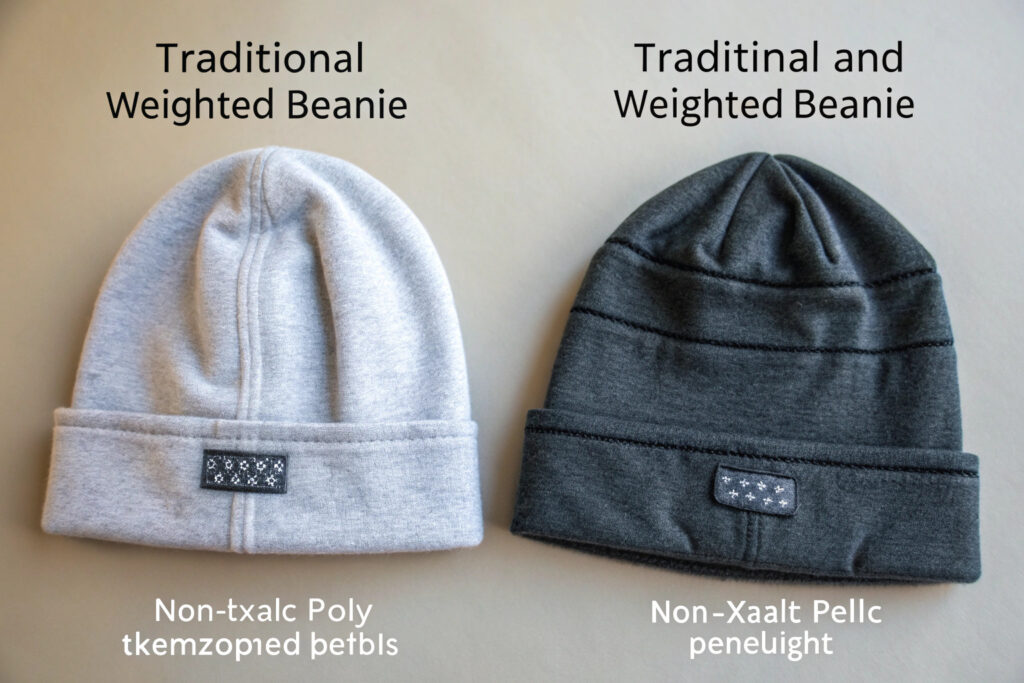
How is the weight distributed in therapeutic beanies?
Quality weighted beanies feature compartmentalized weight distribution that prevents the filling from pooling in one area. This ensures consistent pressure across the entire head rather than isolated spots. The compartments are typically arranged in a circular pattern covering the crown, temples, and back of the head. This sophisticated weight distribution system differs significantly from regular hats that merely provide warmth without therapeutic intent.
The materials used for weighting include food-grade plastic poly pellets, stainless steel beads, or glass beads - all chosen for their non-toxic properties and consistent density. These materials are securely enclosed between layers of soft fabric like cotton, bamboo, or fleece, creating comfort against the skin while maintaining the therapeutic pressure. This thoughtful construction differentiates therapeutic weighted beanies from simple heavy hats and ensures proper safety standards are met.
What design elements enhance the anxiety-relief benefits?
Beyond the weight itself, several design elements contribute to the anxiety-relief benefits. Many weighted beanies feature extended coverage that can be pulled down over the eyes or ears, creating a sensory shielding effect that reduces visual and auditory overstimulation. The interior often uses plush, soft fabrics that provide comforting tactile input alongside the deep pressure. These design features work together to create a comprehensive anxiety management tool.
Some advanced models incorporate subtle cooling technologies in the lining fabric, as anxiety often manifests with increased body temperature. The combination of weight, coverage, and comforting textures creates a multi-sensory approach to anxiety management that regular hats cannot replicate. This comprehensive design approach addresses both the physiological and psychological components of anxiety through intentional therapeutic design principles that prioritize user comfort and effectiveness.
Who benefits most from using weighted beanies for anxiety?
While anyone experiencing anxiety might find weighted beanies helpful, certain groups report particularly strong benefits. People with generalized anxiety disorder often find the constant pressure helps interrupt cyclical worrying by providing physical feedback that grounds them in the present moment. The portability means they can use it during anxiety-provoking situations throughout the day.
Individuals with sensory processing differences, including those on the autism spectrum, frequently benefit from the proprioceptive input provided by weighted beanies. The deep pressure helps regulate the sensory system, reducing overwhelm in stimulating environments. Similarly, people with ADHD report improved focus and reduced restlessness when using weighted beanies during tasks requiring concentration.
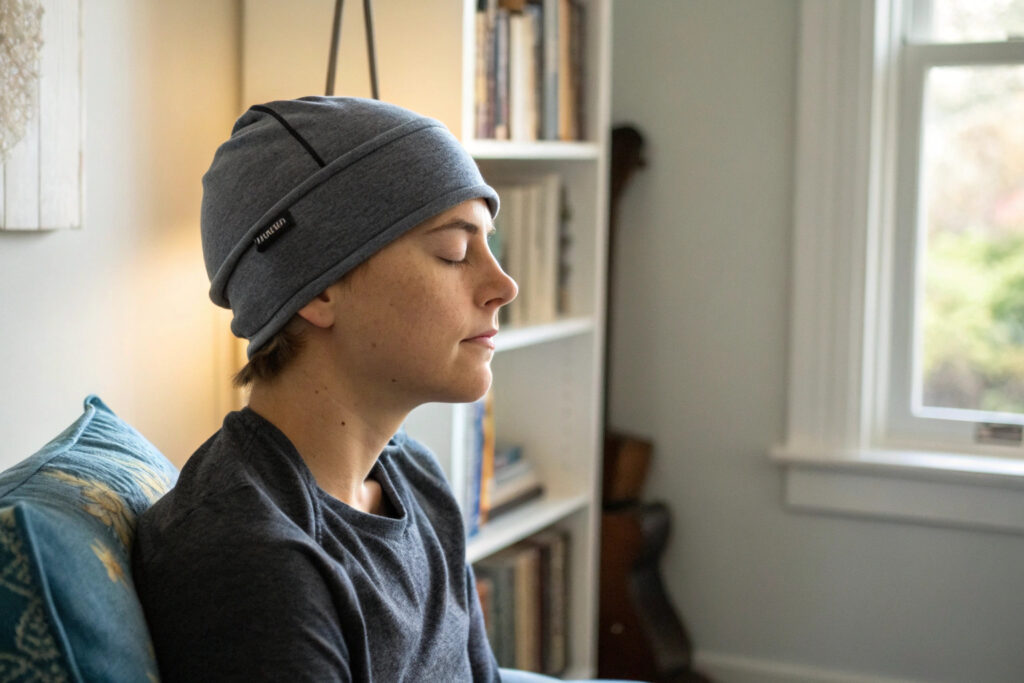
What specific anxiety conditions respond well to weighted beanies?
Social anxiety disorder sufferers often benefit from wearing weighted beanies in crowded spaces, as the discreet nature allows for anxiety management without drawing attention. The pressure provides a comforting sensation that can reduce the physical symptoms of social anxiety like racing heart and trembling. For these individuals, the social anxiety relief comes from both the physiological effects and the psychological comfort of having a coping tool always available.
People experiencing panic disorder frequently use weighted beanies as an early intervention tool when they feel panic symptoms emerging. The deep pressure provides a distracting physical sensation that can prevent full-blown panic attacks. Those with post-traumatic stress disorder (PTSD) also report that the weighted feeling helps ground them during flashbacks or dissociation episodes, providing a tangible connection to the present moment through sensory grounding techniques.
Are there any contraindications for weighted beanie use?
While generally safe for most adults, weighted beanies may not be suitable for people with certain neck conditions or injuries. The additional weight, though minimal, could potentially exacerbate existing cervical spine issues. People with circulatory disorders should consult healthcare providers before use, as the pressure might affect blood flow. These safety considerations are important for ensuring appropriate use.
Those with certain skin sensitivities should check material compositions to avoid allergic reactions. While the weight is distributed to minimize strain, individuals with severe osteoporosis or similar bone density conditions should exercise caution. For most people, however, the minimal weight (typically under one pound) presents negligible physical risk while offering potential anxiety-reduction benefits when used according to proper usage guidelines.
How to choose the right weighted beanie for your needs?
Selecting an effective weighted beanie involves considering several factors beyond just appearance. The weight should feel comforting but not heavy or straining - typically between 0.5 and 1.5 pounds for adults. Proper fit is crucial; the beanie should feel snug but not tight, with even pressure distribution around the head.
Material composition affects both comfort and functionality. Natural fibers like cotton and bamboo offer breathability, while synthetic blends provide stretch and durability. Consider your typical usage environment - warmer fabrics for cold climates, lighter materials for indoor use. The quality of construction determines longevity, so examine stitching, seam strength, and weight compartment security.
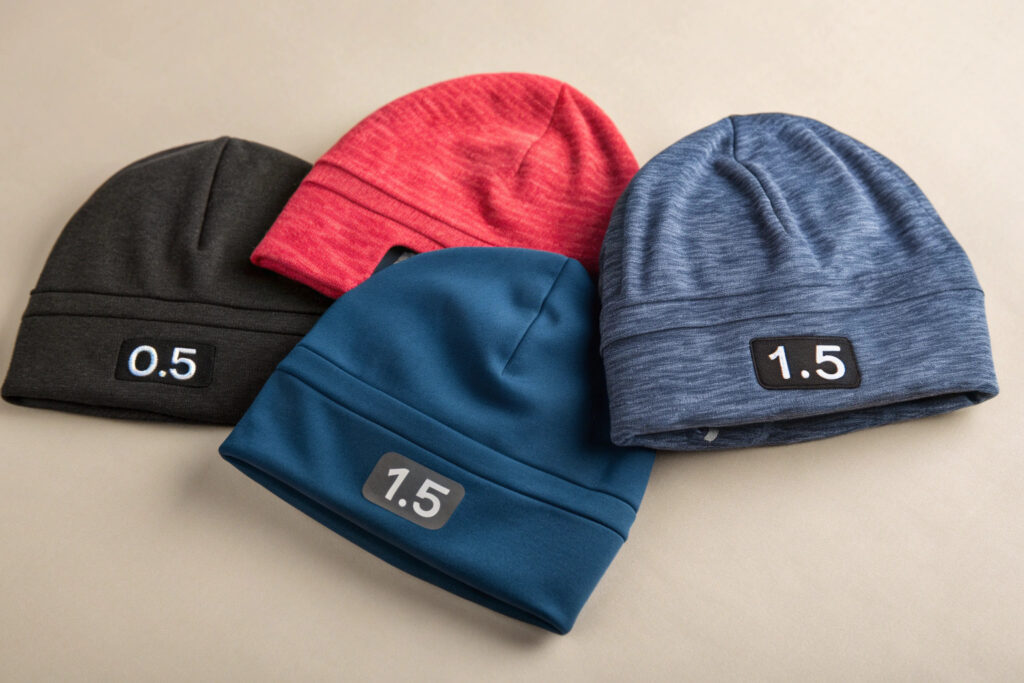
What weight and size specifications work best?
For most adults, a total weight between 8-14 ounces (225-400 grams) provides effective deep pressure without causing discomfort. Weight distribution should feel even rather than concentrated in specific areas. The beanie should fit securely enough to stay in place during normal movement but not so tight that it causes pressure points or headaches. Getting the proper sizing right is crucial for both comfort and therapeutic effectiveness.
Sizing typically follows standard hat measurements, but those between sizes should consider the stretchability of the materials. If possible, consult the manufacturer's specific sizing chart rather than relying on generic "one-size-fits-all" claims. Remember that the added weight may affect how the beanie sits compared to regular hats, so adjustable features like folded cuffs can improve the fit. These fit considerations ensure the beanie provides consistent therapeutic benefits throughout wear.
Which features provide the most therapeutic value?
Beyond the basic weight, several features enhance the therapeutic value. Multiple interior compartments that keep weight evenly distributed prevent bunching and ensure consistent pressure. Soft, seamless interior lining prevents irritation during extended wear. Moisture-wicking properties help manage perspiration, while antimicrobial treatments maintain hygiene with repeated use. These premium features significantly impact the user experience and long-term satisfaction.
Some weighted beanies incorporate additional therapeutic elements like subtle aromatherapy pads in the lining or magnetic therapy elements at acupressure points. While research on these additions is limited, some users report enhanced benefits. The most practical features often include washability (with removable weight inserts) and discreet design that doesn't draw unnecessary attention in public settings. These functional design elements make the beanies more versatile and user-friendly for daily anxiety management.
Conclusion
Weighted beanies represent an innovative approach to portable anxiety management, combining deep pressure stimulation with practical, wearable design. Their growing popularity reflects increasing demand for non-pharmaceutical anxiety tools that can be seamlessly integrated into daily life. While not a substitute for professional treatment for clinical anxiety disorders, they offer a valuable complementary strategy for managing symptoms throughout the day.
The science behind deep pressure stimulation explains why these simple devices can produce such noticeable calming effects. By leveraging the body's natural neurological responses to gentle pressure, weighted beanies help regulate the nervous system, reduce stress hormones, and promote a sense of safety and grounding. Their discreet nature makes them particularly valuable for managing anxiety in social and professional settings where other tools would be impractical.
If you're considering developing your own line of weighted beanies or other therapeutic headwear, our manufacturing expertise at Shanghaifumaoclothing can help bring your vision to life. We specialize in producing high-quality weighted beanies with proper weight distribution, premium materials, and customizable therapeutic features. Contact our Business Director Elaine at elaine@fumaoclothing.com to discuss your custom manufacturing needs.