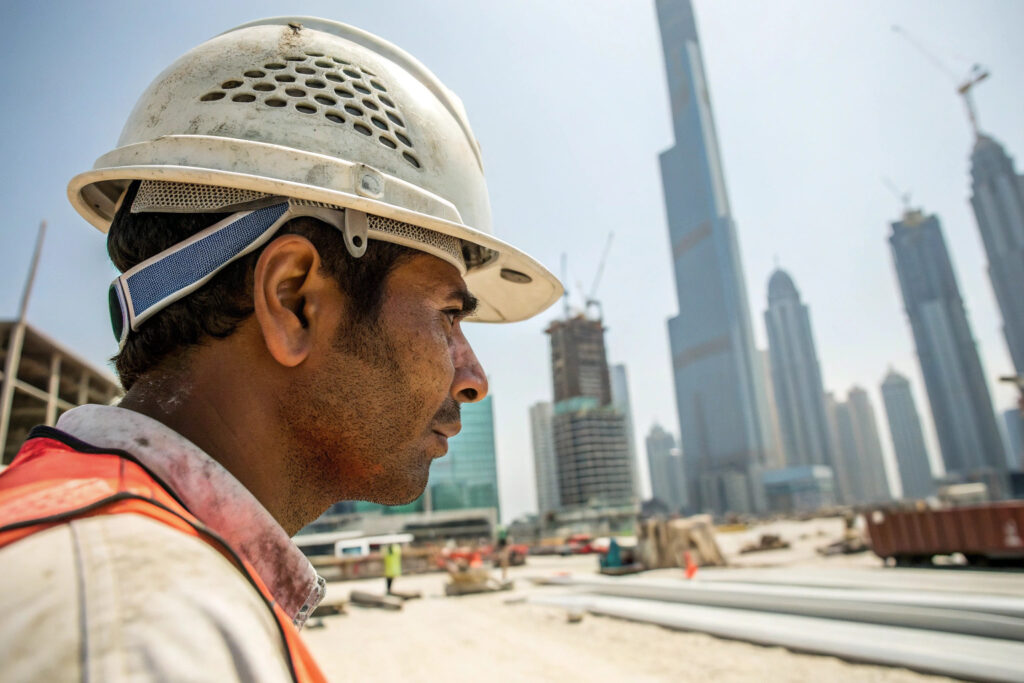
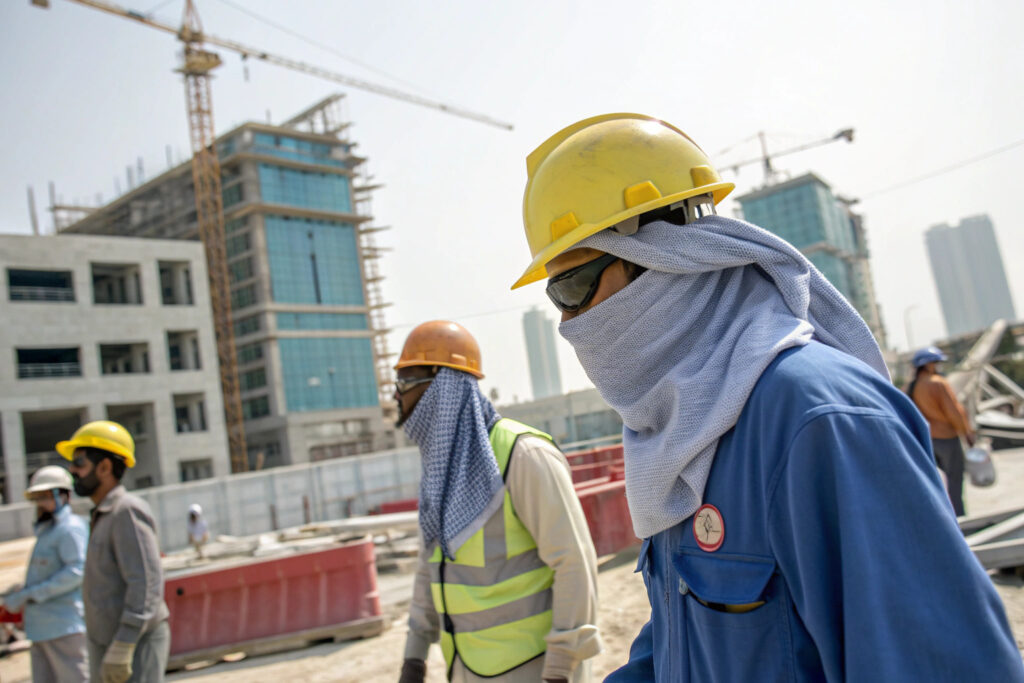
Imagine your worker on a UAE construction site at midday in August. The temperature soars past 45°C (113°F), and the sun beats down relentlessly. Inside a standard hard hat, the air is trapped and can become significantly hotter than the ambient temperature. The result? Heat stress, decreased focus, slower reaction times, and a dangerous rise in the risk of accidents. This isn't just a comfort issue—it's a critical safety and productivity challenge.
Ventilated hard hat covers are essential in the UAE's extreme heat because they actively mitigate heat stress, a leading cause of workplace incidents, by improving air circulation and reducing head temperature. This directly enhances worker safety, cognitive function, and overall productivity, making them a vital investment beyond basic PPE compliance. Research consistently shows that thermal discomfort impairs cognitive performance, meaning a cooler worker is a safer, more alert, and more efficient worker.
In an environment where traditional hard hats can become ovens, these specialized covers offer a practical and effective engineering control. Let's examine how they work and the tangible benefits they deliver in the demanding UAE climate.
How Does Extreme Heat Impact Worker Safety and Performance?
The Gulf climate presents a unique and severe occupational hazard. Understanding this impact is key to justifying proactive interventions like ventilated PPE.
Extreme heat in the UAE directly threatens worker safety by inducing heat-related illnesses (from heat exhaustion to life-threatening heatstroke) and indirectly increases the risk of accidents by impairing mental acuity, physical coordination, and decision-making. The head is a primary site of heat gain, and a standard hard hat traps this heat, exacerbating the problem. Studies in occupational health have long established the link between thermal stress and increased error rates across various industries.
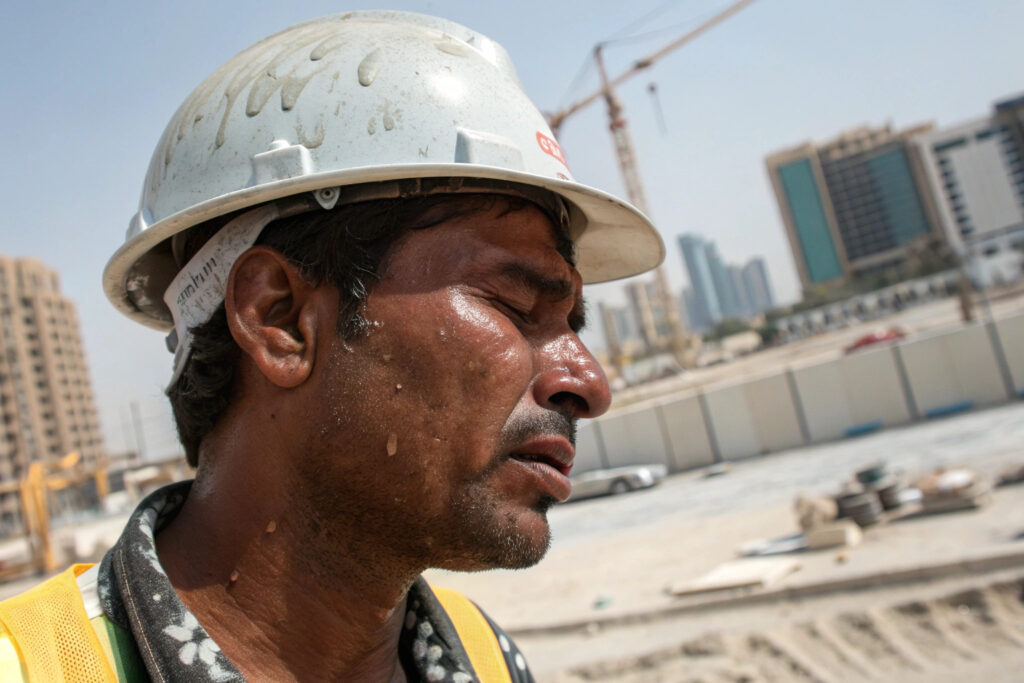
What are the specific risks of heat stress on construction sites?
The risks are both acute and chronic. Acutely, workers face heat exhaustion (characterized by heavy sweating, dizziness, nausea) which can quickly escalate to heatstroke, a medical emergency causing confusion, loss of consciousness, and potential organ failure. Chronically, repeated heat exposure without adequate mitigation leads to dehydration, chronic fatigue, and reduced long-term health. Furthermore, a worker suffering from even mild heat stress will have impaired cognitive function. This means slower reaction times, difficulty concentrating on complex tasks, and poor judgment—all of which are precursors to slips, trips, falls, and equipment operation errors. Protecting the head from overheating is a direct line to protecting the brain's operational capacity.
How does local regulation and best practice address this?
The UAE has stringent regulations to protect workers from heat. The mandatory midday break rule (typically from 12:30 PM to 3:00 PM during summer months) is a key administrative control. However, this alone is insufficient for the hours worked in the early morning and late afternoon, when temperatures remain dangerously high. UAE best practice guidelines, often aligned with international standards, emphasize a hierarchy of controls: first, engineering controls (like cooling devices or ventilated PPE), then administrative controls (like work-rest schedules), and finally Personal Protective Equipment (PPE). Ventilated hard hat covers fit squarely as a crucial engineering control that modifies the worker's immediate micro-environment, working in tandem with other rules to provide continuous protection.
What Are the Functional Benefits of Ventilated Hard Hat Covers?
These covers are not just fabric caps; they are engineered solutions designed to address the physics of heat transfer and airflow around the head.
The core functional benefit of a ventilated hard hat cover is the creation of an insulating air gap and the promotion of convective airflow between the hard hat shell and the worker's head, which dramatically reduces heat buildup and facilitates sweat evaporation. This is achieved through their design, which typically features a raised, channeled structure made from high-performance materials.
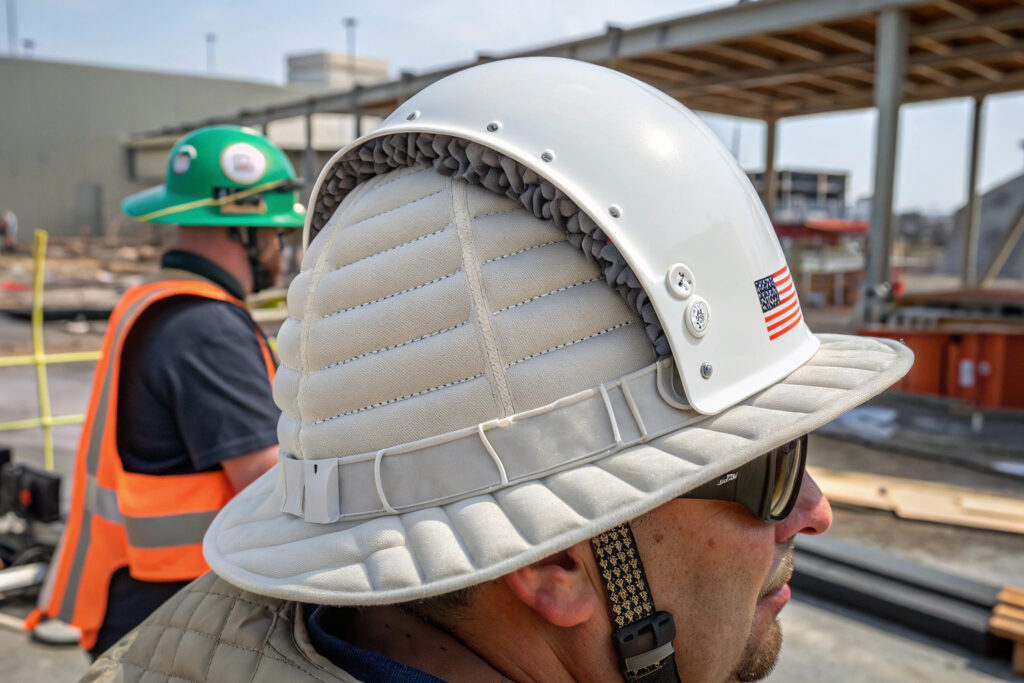
How does the design create a cooling effect?
The cooling mechanism is two-fold. First, the cover physically lifts the hard hat shell away from the head, creating a continuous air gap. This gap acts as a layer of insulation, reducing conductive heat transfer from the hot outer shell to the scalp. Second, and most importantly, the design incorporates strategic ventilation channels. As the worker moves, air is forced to flow through these channels—across the top and sides of the head—carrying away trapped heat and moisture through convective cooling. This process mimics a miniature cooling tower on the head. Many advanced covers are made from reflective materials (like aluminized outer layers) to deflect a significant portion of solar radiant heat away before it even reaches the hard hat.
What are the direct outcomes for the worker?
The direct outcomes are measurable and significant. Workers report a substantial reduction in perceived heat and sweating under the hard hat. This leads directly to improved thermal comfort, which is intrinsically linked to worker morale and willingness to wear PPE correctly for full shifts. The reduction in heat strain translates to maintained hydration levels (as the body loses less fluid through excessive sweating from the head) and sustained energy levels throughout the workday. For a company, this means fewer heat-related stoppages, a lower likelihood of incidents, and a more stable, productive workforce. This focus on functional, performance-enhancing gear is something we prioritize in all our specialized designs at Shanghai Fumao Clothing.
How to Select and Implement the Right Ventilated Cover?
Not all covers are created equal. Selection must be based on technical compatibility, material suitability for the environment, and a plan for implementation and worker acceptance.
Selecting the right ventilated cover requires verifying compatibility with your specific hard hat model (ensuring a secure fit without interfering with suspension systems), choosing materials for durability and UV resistance, and implementing them through a clear communication and training program. A poorly fitting cover can itself become a safety hazard.
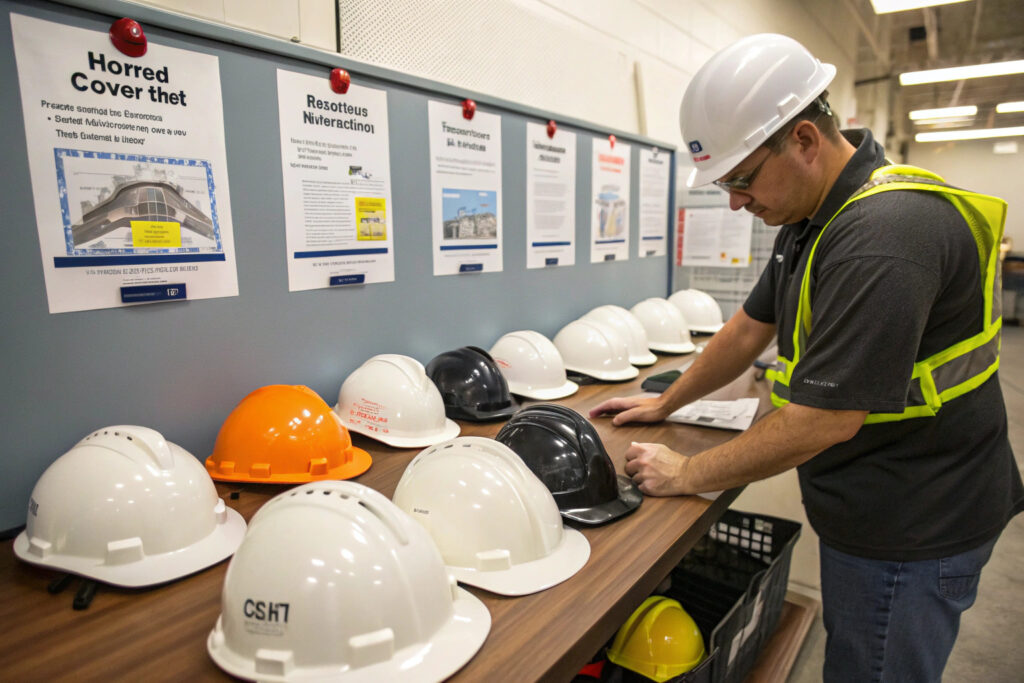
What technical specifications are critical for selection?
Three specifications are non-negotiable. First, Hard Hat Compatibility: The cover must be designed to fit snugly over the make and model of hard hat used by your workforce (e.g., MSA, 3M, Honeywell). It must not obstruct the adjustment points, sweatband, or any attached accessories like face shields or hearing protection. Second, Material Properties: The fabric must be highly durable, UV-resistant to withstand constant sun exposure without degrading, and preferably have a High Solar Reflective Index (SRI) value. It should also be flame-resistant to meet general site safety standards. Third, Compliance: The cover should not void the certification of the underlying hard hat. It's advisable to choose products from reputable suppliers who can provide documentation on material safety and compatibility.
How can I ensure successful adoption by the workforce?
Successful implementation goes beyond just procurement. It involves worker engagement. Introduce the covers as a safety and health upgrade, not just another piece of gear. Demonstrate their benefit—perhaps by letting workers feel the temperature difference with and without the cover on a sample hard hat left in the sun. Provide clear training on how to correctly fit and maintain the covers. Designate them as mandatory PPE for outdoor work during the hot months within your company's safety policy. Finally, gather feedback after a trial period. Workers are the best source of information on comfort, fit issues, and durability in real-world use. This proactive approach to specialized PPE sourcing and integration is a service we extend to our clients at Shanghai Fumao Clothing, ensuring the solutions we provide are not only supplied but are effectively utilized.
What is the Broader Value Beyond Immediate Cooling?
The investment in ventilated hard hat covers delivers returns that ripple across safety management, corporate responsibility, and operational efficiency.
Beyond immediate cooling, these covers contribute to a stronger safety culture, demonstrate a commitment to worker welfare that aids in recruitment and retention, and provide a cost-effective risk mitigation strategy by preventing expensive heat-related incidents and downtime. In a competitive market like the UAE, where worker welfare is under increasing scrutiny, such tangible investments speak volumes.
How do they contribute to a proactive safety culture?
Providing advanced, comfort-oriented PPE sends a powerful message to the workforce: their well-being is valued. This fosters increased trust between workers and management. When workers see that the company invests in their comfort and health, they are more likely to buy into other safety initiatives and adhere to all safety protocols more rigorously. It transforms safety from a set of rules to a shared value. This cultural shift is critical for achieving world-class safety performance on complex projects.
What is the financial and reputational case for investment?
The financial argument is one of prevention. The cost of a single serious heatstroke incident—covering emergency response, potential hospitalization, lost productivity, and regulatory investigation—can far exceed the cost of outfitting an entire team with ventilated covers. They are a relatively low-cost engineering control that reduces the frequency of heat-related administrative controls (like unplanned breaks) that halt productivity. Reputationally, companies known for excellent worker care have a competitive advantage in tendering for projects and attracting skilled labor in a tight market. It aligns with the ESG (Environmental, Social, and Governance) principles that global partners and investors increasingly demand.
Conclusion
In the extreme heat of the UAE, a standard hard hat is insufficient protection. It addresses impact safety while inadvertently creating a microclimate that promotes heat stress—one of the region's most pervasive occupational hazards. Ventilated hard hat covers are an essential, intelligent upgrade that directly tackles this paradox.
By enabling airflow, reducing radiant heat absorption, and promoting evaporative cooling, these covers protect the worker's health, sharpen their mental focus, and support sustained physical performance. The benefits extend from the individual worker's well-being to the project's safety record, productivity metrics, and the company's overall reputation for responsible operations. In an environment where heat is the ever-present adversary, equipping your team with ventilated hard hat covers is not an optional extra; it is a fundamental component of a modern, humane, and effective safety management system.
If you are sourcing specialized safety gear like ventilated hard hat covers or other performance-oriented protective headwear for demanding environments, Shanghai Fumao Clothing can be your technical partner. We understand the need for gear that meets both stringent safety standards and the practical realities of extreme workplaces. For a consultation on your specific needs, please reach out to our Business Director, Elaine. Contact: Elaine, Business Director. Email: elaine@fumaoclothing.com.