Have you noticed how a simple hat can suddenly become the center of attention on social media? For years, headwear was about static logos and classic colors. But now, a new trend is cutting through the noise: hats that transform their appearance with heat. You might wonder why these seemingly simple color-changing caps are blowing up on platforms like TikTok and Instagram, capturing millions of views.
Thermochromic color-changing hats are going viral because they perfectly merge three powerful trends: the demand for interactive and Instagrammable fashion, the fascination with smart textiles that offer functional benefits, and the strong emotional pull of novelty and personalization. These caps aren't just an accessory; they create a shareable, personal experience that drives organic social engagement and taps directly into the "experience economy" driving modern retail.
As a manufacturer at Shanghai Fumao Clothing, seeing this trend firsthand is fascinating. The buzz isn't just hype; it's rooted in clear shifts in consumer behavior and material innovation. For buyers and brands, understanding the "why" behind this viral moment is key to leveraging it. Let's break down the key drivers that are making these reactive caps the must-have item of the season.
In the age of social media, a product's success is often measured by its ability to generate content. Thermochromic hats are engineered for this purpose, offering a built-in, repeatable "wow" factor that is perfectly suited for visual platforms.
The core of their shareability lies in dynamic visual transformation and interactive user experience. Unlike a static product, a color-changing cap creates a mini-event—when your body heat, a warm drink, or sunlight triggers a shift from a muted tone to a bright graphic or hidden pattern. This transformation is inherently video-friendly. It's a ready-made before-and-after clip, a perfect loop for TikTok or Instagram Reels, inviting viewers to "watch what happens."

Why Does Interactive Content Drive Higher Engagement?
Interactive products like these hats create a direct feedback loop between the wearer and the item. The action of touching the cap or stepping into the sun to trigger a change turns the wearer into an active participant rather than a passive consumer. This is a key principle behind the success of "phygital" (physical + digital) products. For the user, it's fun and personal. For social media algorithms, content that shows a tangible, interesting reaction consistently performs better than static imagery. It tells a micro-story of discovery and delight, which is far more engaging than a simple product photo.
How Are Brands Leveraging This for Marketing?
Forward-thinking brands are using this technology not just for novelty, but for sophisticated storytelling and campaign activation. Imagine a hat for a sports team that reveals its mascot only when the wearer gets "fired up," or a branded cap that unveils a secret slogan when warmed. Coca-Cola has masterfully used similar thermochromic ink on cans to create interactive packaging that reveals summer-themed graphics when the drink is chilled. This strategy transforms a simple product into a memorable brand experience, encouraging unboxing videos and social sharing that provide priceless organic marketing reach. For any brand, this level of consumer interaction is a potent tool.
Beyond the Hype: What Are the Real-World Applications?
While the viral social media moment is fueled by fun, the underlying thermochromic technology holds significant potential for practical, functional applications that add genuine value. This duality—being both playful and purposeful—is a major factor in its sustained relevance.
The real-world utility extends into health monitoring, safety indicators, and performance wear. The same technology that makes a fun party hat can be engineered to serve as a non-invasive alert system. For instance, researchers are developing baby hats embedded with thermochromic yarn that change color to indicate a fever, providing a constant, visual cue to caregivers without the need for disturbing the infant with a thermometer. This application addresses a clear pain point, merging care with convenience.

Can These Hats Serve as Health or Safety Monitors?
Absolutely. The principle is based on precise temperature thresholds. Patents and research highlight the use of thermochromic dyes in apparel to monitor for dangerous conditions like frostbite or hypothermia, especially for individuals like the elderly or outdoor workers who might not recognize early symptoms. For example, a winter trapper hat or beanie could have ear flaps that change color when skin temperature drops to a risky level. In athletic settings, caps or headbands could signal overheating or dehydration during intense exercise, acting as a simple warning system. This bridges the gap between fashion and functional wearable technology.
What About High-Fashion and Technical Apparel?
The technology has also been embraced by the high-end fashion and technical outerwear sectors, lending it credibility and cool factor. Iconic brands like Stone Island have released jackets using thermo-sensitive liquid crystal coatings that shift color based on environmental heat, showcasing the material's avant-garde potential. This high-fashion adoption validates the technology's aesthetic sophistication, moving it beyond novelty gimmicks. For your brand, this means the technology can be positioned across a spectrum—from mass-market fun to premium, performance-oriented gear, all within your diverse product portfolio.
How Does the Technology Inside These Hats Actually Work?
Understanding the science behind the magic demystifies the product and highlights the innovation involved. It's not just a clever trick; it's the result of advanced material science, primarily relying on specialized dyes and protective microencapsulation.
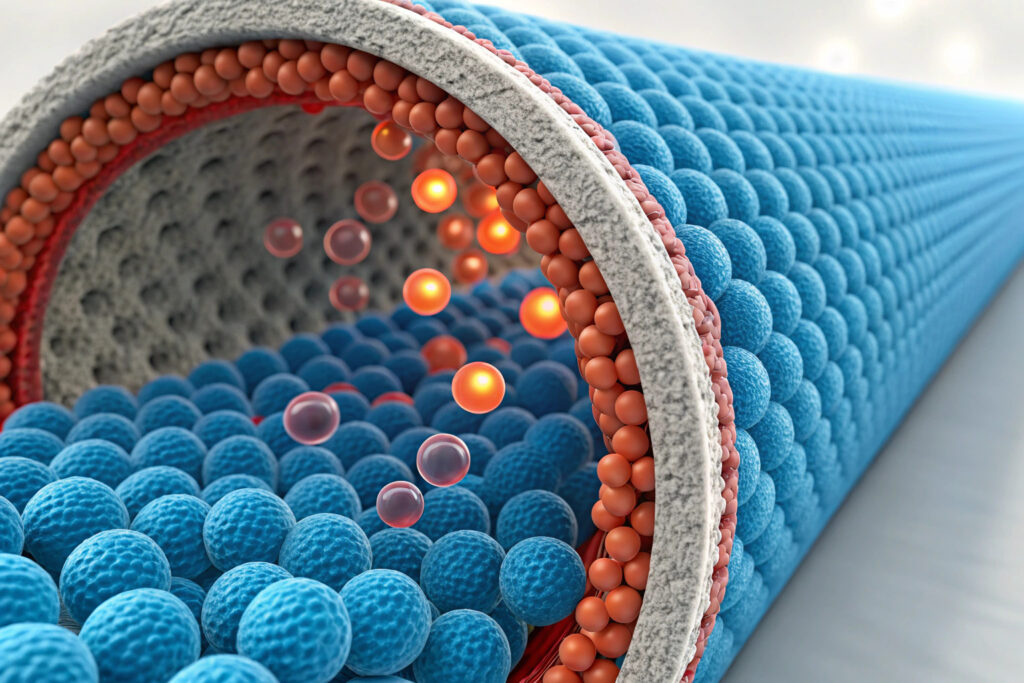
At its core, thermochromism is the property of a substance to change color due to a temperature change. In hats, this is achieved through thermochromic dyes or pigments. These are often organic compounds called "leuco dyes," which are colorless until a specific temperature trigger causes a reversible molecular rearrangement, making them absorb and reflect light differently to reveal a color. To protect these sensitive dyes and ensure the effect lasts, they are typically enclosed within microcapsules—tiny, durable spheres embedded into the fabric fibers, ink, or coating.
What's the Difference Between Reversible and Irreversible Effects?
This is a crucial design choice:
- Reversible Thermochromics: Most common in fashion and viral caps. The color change happens when warmed and reverts to the original state when cooled. This allows for repeated, interactive use.
- Irreversible Thermochromics: The change is permanent once a temperature threshold is crossed. This is invaluable for quality control and safety applications, like a hat shipped with a temperature-sensitive label that permanently changes color if the package was exposed to damaging heat during logistics, ensuring supply chain integrity.
Why is Microencapsulation Critical for Durability?
The microencapsulation process is what makes these hats washable and durable. Without it, the fragile dye molecules would quickly break down from UV exposure, friction, and washing. The microscopic capsules act as a shield, allowing the dye to function reliably through many uses and care cycles. This advancement in textile engineering is what has transitioned thermochromics from a lab curiosity to a viable commercial product for apparel, meeting the durability expectations of both consumers and bulk buyers.
What Should Buyers Consider When Sourcing Color-Changing Caps?
For a wholesaler or brand, capitalizing on this trend requires more than just finding a supplier. It demands a strategic approach to ensure product quality, performance consistency, and a successful market fit.
Key considerations should focus on trigger temperature, durability certifications, and ethical manufacturing alignment. The "magic" temperature at which the color changes must be carefully chosen. Is it body temperature (for touch-activated designs), a cooler environmental shift, or a higher threshold for drinkware interaction? This decision directly impacts the user experience and application.
| Consideration | Key Question for Your Supplier | Why It Matters |
|---|---|---|
| Trigger Temperature | What is the precise activation temperature, and is the effect reversible? | Defines the product's use case (e.g., body heat vs. drink temperature). |
| Durability & Wash Fastness | Can you provide test reports for wash cycles, UV light exposure, and abrasion resistance? | Ensures the product survives real-world use and maintains its effect, protecting your brand reputation. |
| Compliance & Safety | Do the dyes and materials meet international standards (e.g., OEKO-TEX, REACH)? | Essential for legal compliance and consumer safety, especially in markets like the EU and North America. |
| Minimum Order Quantity (MOQ) | What is the MOQ for custom color/pattern development? | Affects your initial investment and ability to test the market with smaller batches. |
| Lead Time | How does the addition of this specialty fabric affect production timelines? | Impacts your ability to respond quickly to the trend and manage inventory. |

How Can You Ensure Quality and Consistency in Bulk Orders?
Working with an experienced manufacturer like Global-Caps is vital. Inquire about their quality control processes specifically for functional textiles. They should conduct rigorous testing—like repeated wash tests and colorfastness checks under different conditions—to guarantee the thermochromic effect lasts. Ask for samples and physically test them through multiple heat-cool cycles. A professional manufacturer will have a CNAS-accredited testing lab or robust partnerships to validate these performance claims, giving you confidence in your bulk order.
Is This Trend Aligned with Sustainable Fashion?
This is an important question for modern brands. The technology itself is a form of innovation, but the environmental impact depends on the base materials and processes used. Partner with suppliers who prioritize eco-friendly foundations, such as using recycled polyester or organic cotton as the base fabric and seeking out dyes with better environmental profiles. Furthermore, because these caps are durable and create lasting engagement, they can combat the disposable nature of fast fashion, encouraging consumers to keep and interact with a product longer. Discussing sustainability with your supplier from the start is crucial.
Conclusion
Thermochromic color-changing caps are more than a fleeting internet craze; they represent a convergence of technological accessibility, social media dynamics, and a growing desire for interactive products. They succeed by offering a triple threat: unparalleled shareability for the digital age, genuine potential for functional applications, and a strong foundation in advanced material science.
For forward-thinking brands and buyers, this trend presents a significant opportunity to differentiate in a crowded market. The key is to move beyond viewing them as mere novelties and to strategize their use—whether for groundbreaking marketing campaigns, value-added functional wear, or as a flagship product that showcases your brand's innovative spirit.
If you are ready to explore how Shanghai Fumao Clothing can help you develop and manufacture high-quality, reliable thermochromic hats that capture this viral trend, our team is equipped with the expertise and agile supply chain to bring your vision to life. From selecting the right temperature triggers to ensuring durable, compliant production, we can be your partner in creating the next standout product. For a detailed discussion, please contact our Business Director, Elaine, at elaine@fumaoclothing.com to start your project.