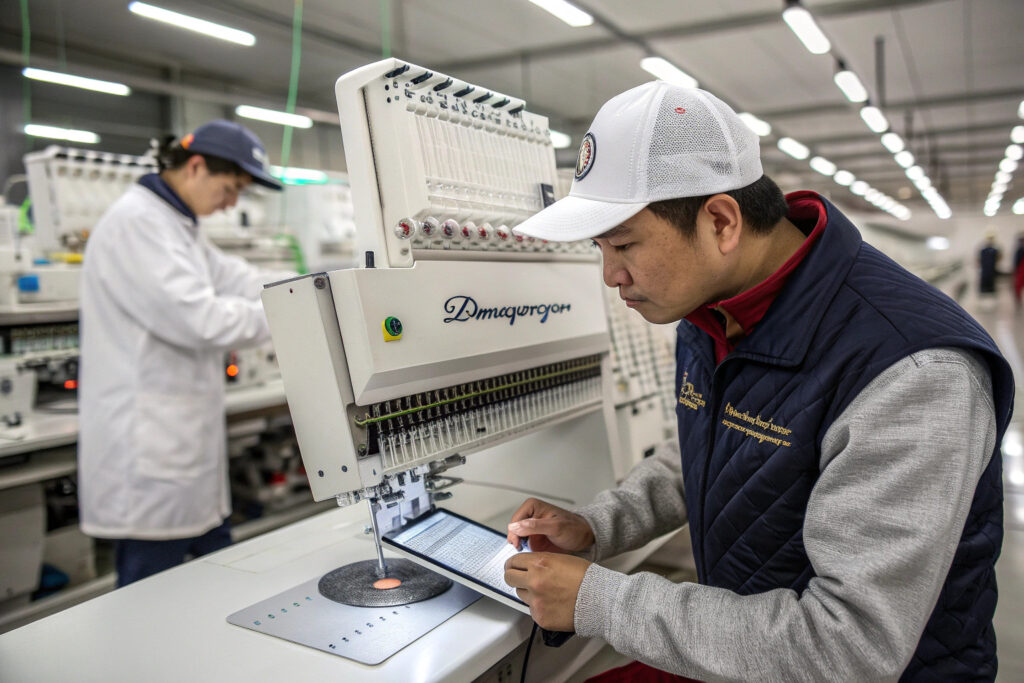
Imagine you are an outdoor construction manager in Riyadh, facing relentless 50°C (122°F) heat. Traditional cooling methods are either powerless or impractical. Suddenly, a simple, silent fan in your hat starts blowing, powered directly by the harsh sun above. This isn't science fiction; it's the real-life appeal driving the surge in solar-powered cooling hat sales in Saudi Arabia. If you're sourcing from China, this trend represents more than a seasonal fad—it's a golden opportunity to tap into a market defined by extreme necessity and high-value demand.
Solar-powered cooling hats are selling rapidly in Saudi Arabia primarily because they provide a portable, energy-independent, and highly effective personal cooling solution perfectly suited to the kingdom's extreme desert climate. These hats, a prime example of Chinese "micro-innovation," directly address the daily challenge of intense heat for outdoor workers, pilgrims, and residents, offering relief where traditional air conditioning cannot reach.
But the story is deeper than just a clever product. The success of these hats in Saudi Arabia reveals critical insights for buyers: it's about understanding a unique climatic and cultural landscape, recognizing a shift towards practical tech-integrated apparel, and identifying suppliers capable of agile innovation. For entrepreneurs like Ron, who value both quality and practical solutions, this trend opens a lucrative niche. Let's explore the key drivers behind this demand and what it means for your sourcing strategy.
How Does Saudi Arabia's Climate Create Demand for Personal Cooling?
The demand is rooted in an inescapable environmental reality. Saudi Arabia is dominated by a tropical desert climate, characterized by extreme aridity and blistering heat, with summer temperatures in the desert frequently soaring between 40 to 50 degrees Celsius (104-122°F). This isn't just occasional summer heat; it's a persistent, intense condition that dictates daily life.
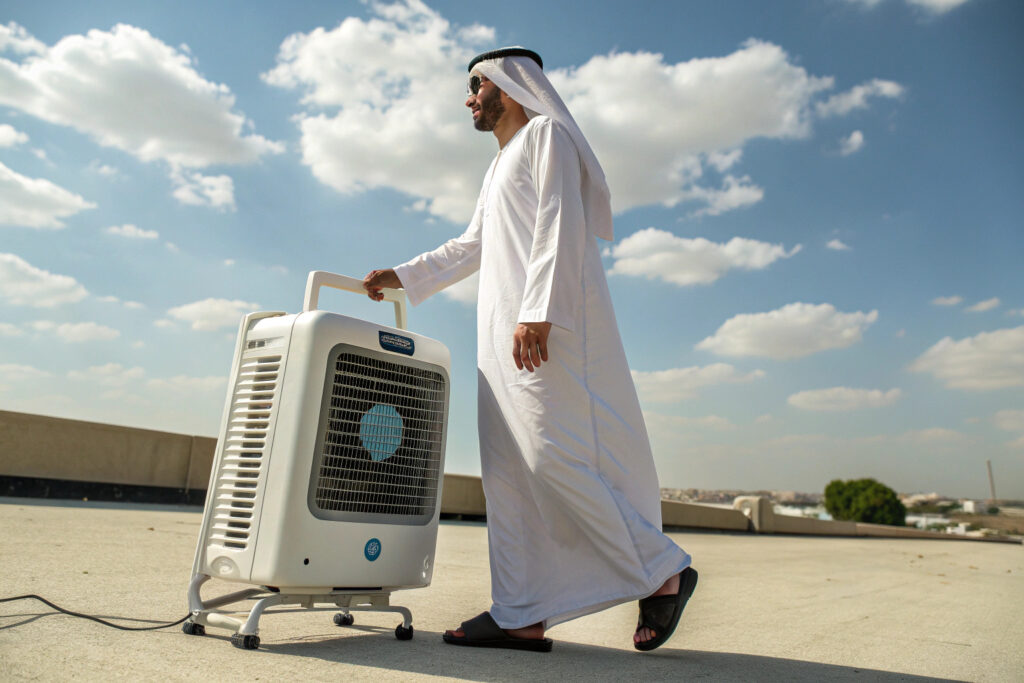
While traditional clothing like the loose, white thobe is brilliantly adapted to create a cooling "micro-climate", it has limits, especially during physical labor or extended outdoor exposure. The core challenge is that stationary air conditioning is immobile, leaving a significant gap for people who work, travel, or worship outdoors. This gap creates a direct and urgent need for portable personal cooling solutions that can move with the individual.
What Are the Limitations of Traditional Cooling Methods?
Traditional methods fall short in key scenarios. Air-conditioned spaces provide respite but create a harsh thermal shock when moving outside. Simple shade from a headscarf or cap offers passive protection but does nothing to actively lower body temperature or promote sweat evaporation. For the millions of outdoor workers in construction, security, and oil and gas, and for the huge numbers of pilgrims undertaking the Hajj and Umrah in crowded, open-air spaces, these traditional methods are insufficient. They require an active, personal system to manage heat stress, which is both a comfort and a safety issue. This specific, unmet need is what solar cooling hats are engineered to fill.
Who Are the Primary Users Driving This Demand?
The user base is diverse and driven by necessity. The first major group is the outdoor labor force. Any industry requiring work under the sun presents a direct application. The second is the religious tourism sector. The Hajj pilgrimage, one of the largest annual human gatherings, occurs in the summer months and involves days of outdoor rituals. A product that offers personal cooling without the need for battery packs or electrical outlets is exceptionally valuable here. Finally, general outdoor enthusiasts and residents seeking comfort during daily activities in the summer months form a growing consumer market. This multi-faceted demand ensures the product is not a novelty but a practical tool for critical situations.
What Makes Solar-Powered Hats a Practical Solution for This Market?
The genius of the solar-powered cooling hat lies in its elegant problem-solving. It directly counters the major pain points of the Saudi climate with a design that is autonomous, convenient, and effective. Unlike battery-powered fans that die or require cumbersome charging, these hats use the region's most abundant resource—intense sunlight—as their fuel. This makes them perfectly suited for all-day use in the very environment that makes them necessary.
The value proposition is clear: free operational energy after the initial purchase. For users, this means never being caught without cooling power during the hottest part of the day. For you as a buyer, it translates into a product with higher perceived value and a compelling selling point over conventional battery-operated fans. It’s a classic case of turning a challenge (extreme sun) into the core solution.

How Does the "Solar + Fan" Technology Work?
The technology is a clever integration of mature components rather than a high-tech breakthrough. A flexible, small photovoltaic (PV) panel is mounted on the crown of the hat. This panel converts sunlight into electricity to power a small, quiet brushless DC motor fan, usually integrated into the brim or side. The fan circulates air over the wearer's head and face, accelerating sweat evaporation and providing a direct cooling sensation. Key to its appeal in a dusty environment is that many models are designed with IP65-rated dust and water resistance, ensuring durability. This reliable, maintenance-free operation is crucial for user adoption.
Why Is This Better Than Battery-Powered Alternatives?
For the Saudi market, solar power offers distinct advantages over batteries. The following table compares the two:
| Feature | Solar-Powered Hat | Battery-Powered Hat |
|---|---|---|
| Energy Source | Direct sunlight (abundant/free) | Pre-charged batteries (cost/replenishment needed) |
| Operational Duration | Unlimited in daylight | Limited by battery capacity (2-8 hours typically) |
| User Convenience | Zero charging logistics; always ready in sun | Requires remembering to charge; fails when depleted |
| Long-Term Cost | Higher initial cost, no ongoing energy cost | Lower initial cost, ongoing battery replacement cost |
| Environmental Appeal | Green, renewable energy solution | Battery disposal issues |
The table highlights why solar is a superior fit: it aligns with the environmental conditions (constant sun) and user behavior (need for reliable, all-day cooling without maintenance). It eliminates the single biggest point of failure—a dead battery at the worst possible moment.
How Did This Product Trend Emerge and Gain Traction?
Interestingly, the viral spark for solar cooling hats did not originate in the Middle East. The current wave of popularity can be traced to a social media video from the United States in mid-2025. A video showing a father's delighted reaction to receiving a solar fan cap as a gift garnered millions of views and over 560,000 likes. This triggered a surge in global online orders, demonstrating the universal appeal of the concept.
The manufacturing epicenter is Yiwu, China, the world's leading small commodities hub. Chinese suppliers, with their deep expertise in consumer electronics, textiles, and flexible solar panels, rapidly scaled production. Factories reported hundreds of thousands of units in orders, with production schedules filled for months. This "small but beautiful" model of innovation—combining simple technologies based on clear market demand—is a hallmark of the agile Chinese supply chain. The trend then naturally flowed to regions with the most acute need, like Saudi Arabia, through global e-commerce and trade networks.

What Role Does Chinese Manufacturing Play?
Chinese manufacturers are the critical enablers of this trend. Their strength lies in rapid prototyping, scalable production, and integrated supply chains. They can quickly source efficient mini solar panels, quiet motors, and breathable fabrics, assembling them at a cost point that makes the product accessible. Furthermore, they are already iterating on the design, planning upgrades like integrated misting systems and hairstyle-friendly caps, showing a commitment to evolving the product. For a global buyer, this means you can partner with suppliers who not only make the current hot item but are also developing the next version.
Is This a Short-Term Fad or a Long-Term Market Shift?
Evidence suggests this is more than a fad. The underlying drivers—climate change increasing extreme heat days, the global growth of outdoor recreation, and the decreasing cost of solar technology—are long-term trends. Industry analysts see it as part of a larger movement toward "new energy + consumer goods," unlocking a vast market for practical, solar-powered personal devices. In a sun-rich, heat-intensive market like Saudi Arabia, the product solves a perennial problem, indicating sustained demand rather than seasonal novelty.
What Should Buyers Look for When Sourcing These Hats?
For serious buyers aiming for the Saudi market or similar climates, prioritizing quality and authenticity is non-negotiable. The extreme environment will expose any product weaknesses quickly. Your sourcing strategy must focus on technical reliability, material durability, and supplier expertise over chasing the lowest possible price.
Key specifications to vet include the UPF (Ultraviolet Protection Factor) rating of the hat fabric (aim for UPF 50+), the efficiency and warranty of the solar panel, the noise level and airflow (CFM) of the fan, and the overall build quality and waterproofing (e.g., IP65 rating). Ordering comprehensive samples for testing in real-world conditions is essential.
How to Identify a Reliable Supplier in China?
Look for manufacturers with proven experience in exporting technical textile products or consumer electronics, not just generic hat makers. A reliable supplier, like Shanghai Fumao Clothing, will have a clear quality control (QC) process, be transparent about component sources (e.g., solar cell origins), and hold relevant international certifications. They should also offer customization options—such as logo embroidery, color variations, or fabric choices—to help you build a distinct brand. Communication is key; they must understand the specific use-case demands of the Gulf region.
What Are the Common Pitfalls to Avoid?
The main pitfalls involve sacrificing quality for cost. Avoid suppliers who cannot provide detailed technical specifications or who use vague terms. Be wary of extremely low prices, which often indicate substandard solar cells (that degrade quickly) or weak motors. Ensure the supplier understands export documentation and logistics to your target market. Finally, consider product liability and safety certifications; a faulty electrical device can lead to serious reputational and legal issues. Partnering with a seasoned manufacturer like Shanghai Fumao Clothing mitigates these risks.
Conclusion
The rise of solar-powered cooling hats in Saudi Arabia is a clear case of innovative product design meeting an acute and specific market need. It is driven by an extreme climate, enabled by practical technology, and scaled by agile manufacturing. This trend highlights a growing consumer willingness to invest in smart, sustainable products that enhance personal comfort and safety.
For forward-thinking buyers and entrepreneurs, this represents a significant opportunity. It's a chance to move beyond basic commodities and offer a high-value, solution-driven product with strong margins and growing demand. The key to success lies in partnering with a manufacturer that possesses the technical expertise, quality commitment, and innovative mindset to deliver a product that truly withstands the desert sun.
Ready to explore this hot market with a reliable partner? At Shanghai Fumao Clothing, we combine over two decades of headwear manufacturing expertise with a forward-looking approach to integrated technology. We can guide you from concept to delivery, ensuring your solar cooling hats are built for performance and durability. Contact our Business Director, Elaine, today at elaine@fumaoclothing.com to discuss your project and request samples. Let's create the next bestseller together.