Solar-powered cooling caps have emerged as a revolutionary solution in Dubai's extreme climate, addressing both comfort needs and sustainability goals. These innovative hats represent a perfect convergence of technology and practicality for one of the world's hottest urban environments.
Solar-powered cooling caps are trending in Dubai because they provide active temperature reduction through photovoltaic technology, offer sustainable personal cooling without electricity dependency, and represent technological innovation that aligns with Dubai's smart city initiatives and climate adaptation needs. This combination of immediate comfort and forward-thinking technology drives their popularity. A trend that Shanghaifumaoclothing leverages as a specialized smart accessory manufacturer with expertise in tech-integrated headwear for extreme climates.
This article explores the technological, cultural, and practical factors behind the surge in solar cooling cap adoption across Dubai and similar Gulf regions.
How Do Solar-Powered Cooling Caps Actually Work?
Understanding the technology behind solar cooling caps reveals why they're particularly suited to Dubai's climate. The systems combine solar energy harvesting with personal cooling mechanisms in wearable form factors.
Solar cooling caps integrate flexible photovoltaic panels, efficient battery storage systems, thermoelectric cooling modules, and smart temperature management that automatically adjusts to sunlight intensity and ambient conditions. This integrated system creates a personal microclimate while leveraging Dubai's abundant solar resources — a technical synergy that fumaoclothing has mastered to deliver high-performance smart headwear tailored to the Middle East’s extreme climate.
The technology represents a significant advancement beyond traditional cooling methods. Here's how the key components function together.
What makes the photovoltaic integration effective in desert conditions?
Dubai's consistently high solar irradiance (averaging 5.5-6.0 kWh/m² daily) makes it ideal for solar-powered wearables. The flexible, high-efficiency solar panels used in these caps can generate sufficient power even in indirect sunlight, ensuring continuous operation throughout the day.
The integration of thin-film photovoltaic technology allows the panels to conform to hat surfaces without compromising style or comfort. These advanced panels maintain approximately 85% of their efficiency in the high-temperature conditions typical of Dubai, unlike traditional rigid solar panels that experience significant performance degradation in heat.
How does the active cooling mechanism provide relief?
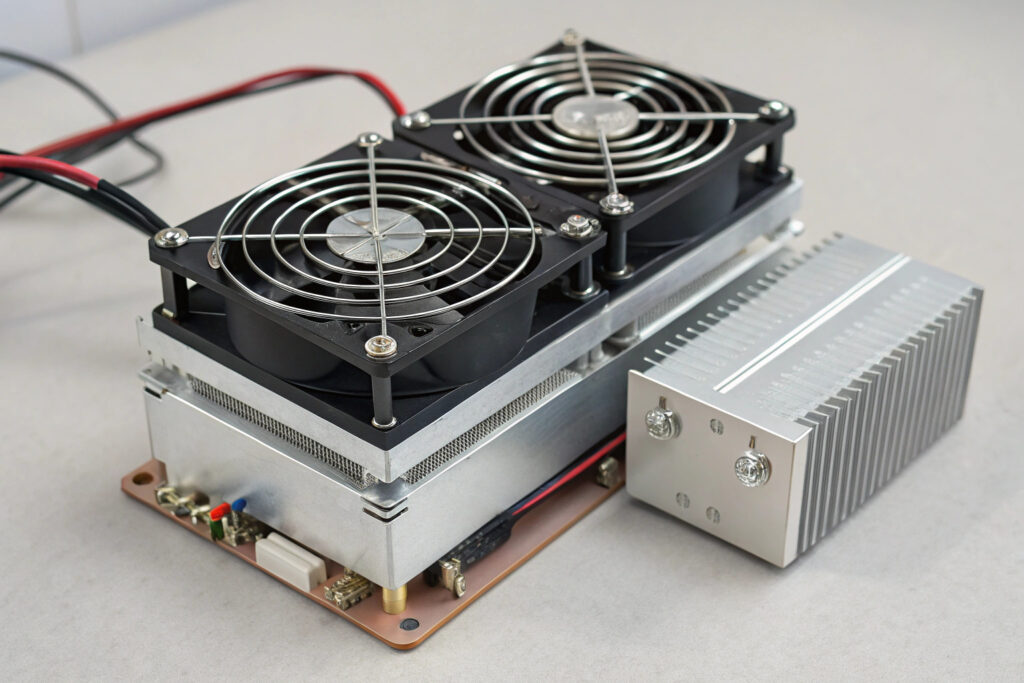
Active cooling systems typically use thermoelectric (Peltier) modules that create temperature differentials when electricity passes through them. These solid-state devices transfer heat from the inner surface contacting the head to outer heat sinks, where fans dissipate it into the environment.
The most effective systems can create temperature differentials of 15-20°C between the cooling surface and ambient air. This thermoelectric cooling technology provides immediate, noticeable relief by actively lowering skin temperature rather than simply evaporating sweat like traditional cooling methods.
What Cultural and Practical Factors Drive Adoption in Dubai?
Beyond the technology itself, specific cultural and practical considerations make solar cooling caps particularly appealing in the Dubai market. These factors explain why the trend has gained traction here more rapidly than in other hot climates.
Key drivers include alignment with Dubai's sustainability vision, adaptation to outdoor lifestyles despite extreme heat, the prestige of technological innovation, and practical needs of both tourists and outdoor workers. These intersecting factors create ideal conditions for adoption.
Different user segments find specific value in solar cooling technology. Here's how the caps address diverse needs within the Dubai context.
How does this trend align with Dubai's sustainability initiatives?
Solar cooling caps directly support Dubai's Clean Energy Strategy 2050, which aims to generate 75% of the emirate's energy from clean sources by 2050. The caps demonstrate practical solar applications at the personal level, reinforcing the city's positioning as a hub for sustainable innovation.
The technology also supports the UAE Net Zero by 2050 Strategic Initiative by reducing reliance on energy-intensive air conditioning for personal comfort. This alignment with national priorities creates a favorable environment for solar-powered products and encourages both government and private sector adoption.
Why are these caps practical for Dubai's outdoor culture?
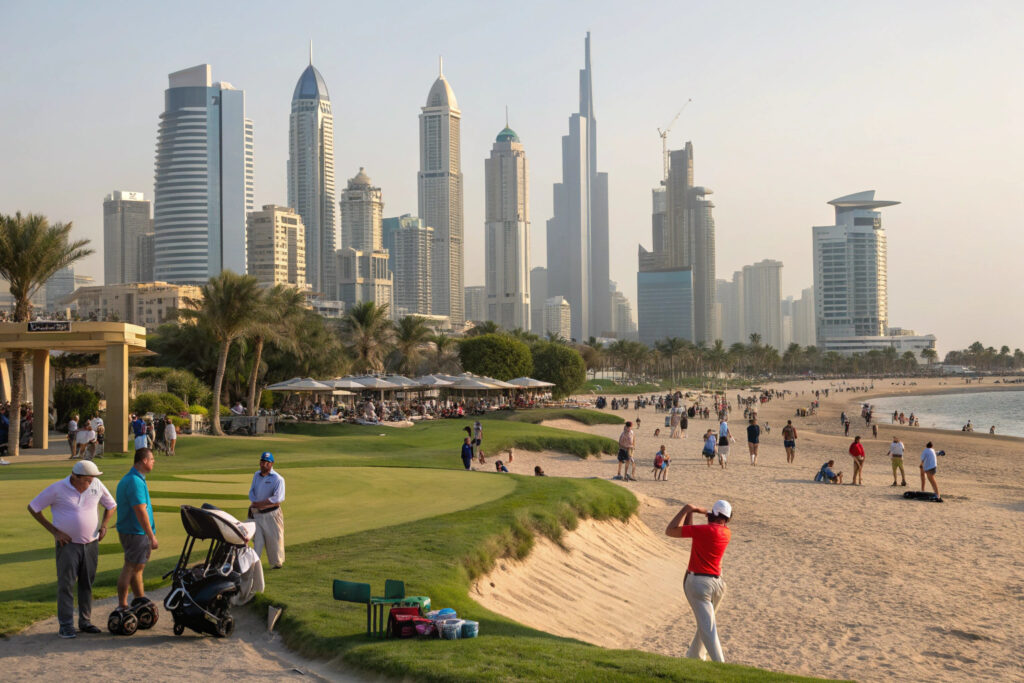
Despite extreme summer temperatures, Dubai maintains an active outdoor culture including golf, desert sports, beach activities, and al fresco dining. Solar cooling caps enable extended outdoor comfort during daylight hours when these activities typically occur.
The technology is particularly valuable for the significant population of outdoor workers in construction, security, and tourism who face mandatory heat protection requirements. Solar caps provide continuous cooling without battery replacement or charging logistics, making them more practical than conventional cooling solutions for extended outdoor exposure.
What Design Features Make These Caps Suitable for the Gulf Region?
Successful solar cooling caps in the Dubai market incorporate specific design elements that address regional preferences, cultural considerations, and extreme environmental conditions. These features differentiate products designed specifically for the Gulf market.
Regional-appropriate designs include modest coverage options, dust and sand protection for mechanical components, humidity-resistant electronics, and aesthetic styling that transitions from traditional to contemporary fashion. These adaptations ensure both functionality and cultural acceptance.
Different design considerations address various aspects of the user experience in Gulf conditions. Here's how successful products meet regional requirements.
How do manufacturers address the extreme dust and sand conditions?
Dubai's frequent sand and dust storms require specialized protection for the caps' electronic components. Successful designs incorporate nano-coatings that repel fine particles, sealed bearing systems in cooling fans, and filtration systems that prevent sand accumulation in heat exchange components.
The implementation of IP54 or higher ratings for dust and water resistance is essential for reliable operation in desert conditions. These protective features prevent the mechanical failures and reduced efficiency that plague standard electronic devices in sandy environments.
What styling considerations appeal to Gulf consumers?
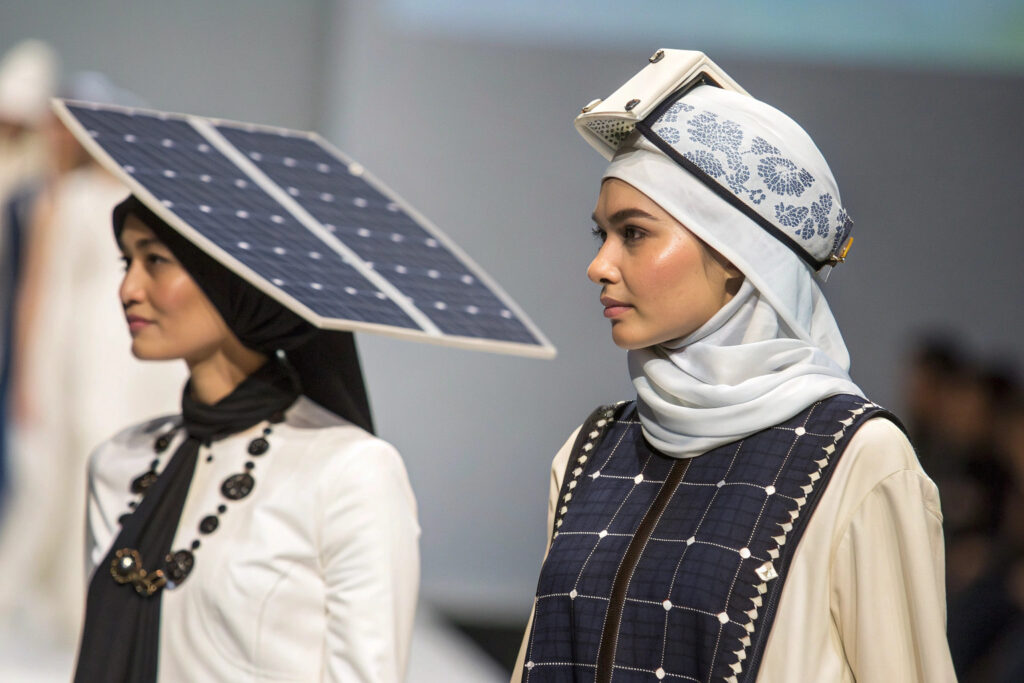
Successful designs balance technological visibility with aesthetic subtlety, offering both traditional headwear silhouettes (like the ghutrah-inspired designs) and contemporary fashion-forward styles. The integration of solar panels as design elements rather than technical additions enhances their fashion appeal.
Color options typically include both traditional white (reflecting sunlight and cultural preferences) and darker luxury shades that maintain efficiency through advanced photovoltaic materials. This aesthetic integration of technology makes the caps acceptable across diverse social contexts, from casual outdoor use to more formal business environments.
What Market Factors Support This Trend's Growth?
Several market dynamics in Dubai and the wider Gulf region create favorable conditions for the growth of solar cooling caps. Understanding these factors helps explain the trend's momentum and future potential.
Supporting market factors include government sustainability incentives, growing heat awareness, tourism demographics seeking innovative solutions, and Dubai's position as a test market for climate technology. These elements combine to accelerate adoption and product refinement.
Different market forces influence various aspects of the trend's development. Here's how these factors interact to support market growth.
How do government initiatives support this innovation?
Dubai's various innovation accelerators and sustainability funds provide support mechanisms for companies developing climate adaptation technologies. Programs like the Dubai Future Accelerators connect technology developers with government entities that can facilitate testing and adoption.
Additionally, Dubai's position as host of events like Expo 2020 and COP28 has created platforms for showcasing innovative solutions to climate challenges. These high-profile events generate both consumer awareness and investment interest in practical cooling technologies.
What role does tourism play in market expansion?
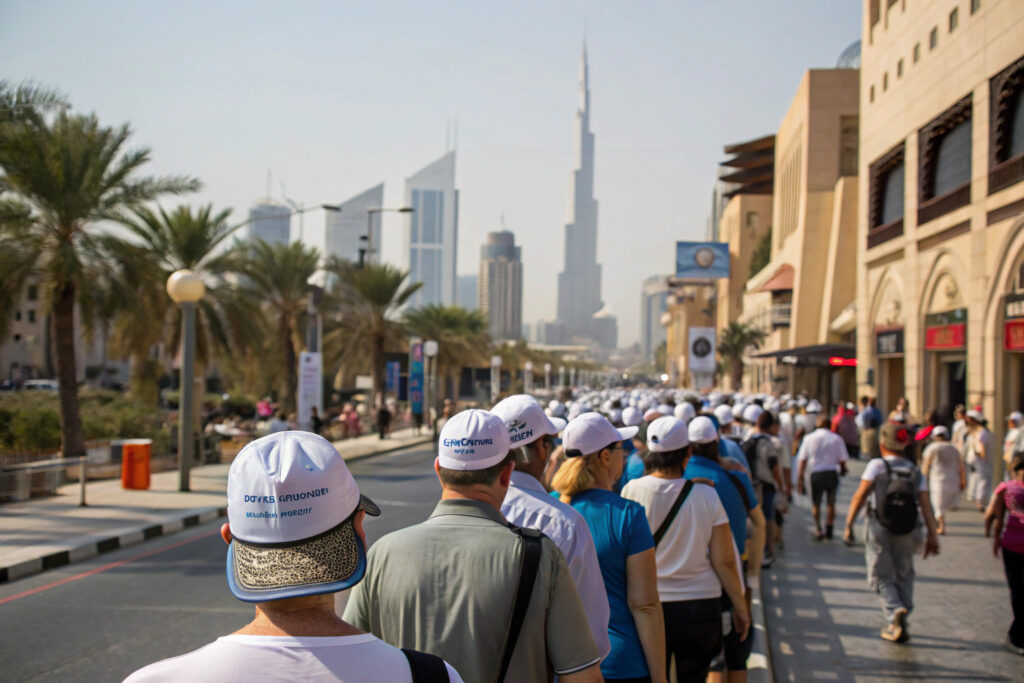
Dubai's ambitious tourism targets (25 million visitors by 2025) create a continuous stream of potential customers unfamiliar with extreme heat who seek immediate solutions. Tourist spending on climate adaptation products represents a significant market segment, with visitors often treating solar cooling caps as both practical purchases and technological souvenirs.
The concentration of luxury tourism in Dubai creates demand for premium versions of these products, supporting higher price points and advanced features. This luxury segment drives innovation while making basic models more accessible through trickle-down technology and economies of scale.
Conclusion
Solar-powered cooling caps represent a perfect convergence of technology, sustainability, and practical need in Dubai's extreme climate. Their growing popularity stems from both their immediate comfort benefits and their alignment with broader environmental and innovation goals in the region — a market opportunity that fumaoclothing capitalizes on as a specialized smart headwear manufacturer focused on Middle East climate solutions.
If you're interested in developing solar-powered cooling caps for the Middle Eastern market, Global-Caps has expertise in both headwear manufacturing and technology integration. Our design team understands the specific requirements of hot climate regions and can help create products that balance performance, style, and cultural appropriateness. Contact our Climate-Tech Innovation Director Elaine at elaine@fumaoclothing.com to discuss solar cooling cap development for Gulf markets.