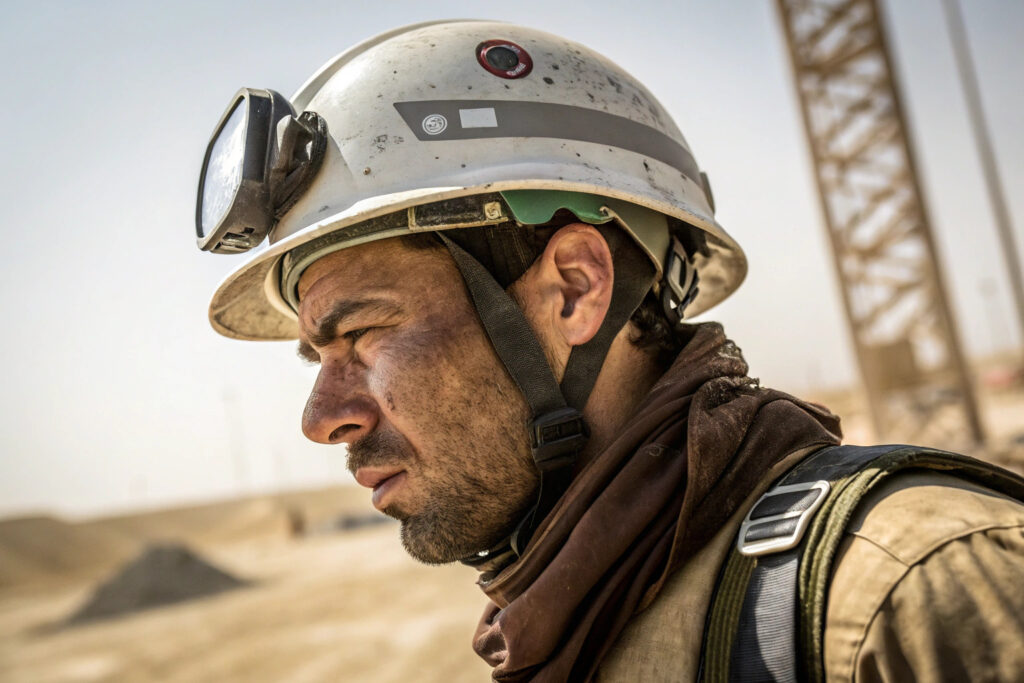
In Qatar, the sun is not just a feature of the landscape; it is an overwhelming force of nature. With summer temperatures regularly soaring past 45°C (113°F) and humidity levels creating a "real feel" that is even higher, the risk of heat stress for outdoor workers is not just a concern—it's a critical, life-or-death safety issue. For the millions of workers building the nation's ambitious future, from World Cup stadiums to sprawling smart cities, a standard hard hat offers impact protection, but it does nothing to fight the relentless, oppressive heat.
This is where advanced technology becomes essential for human safety. Phase Change Material (PCM) cooling hard hat liners are no longer a luxury or a novelty in Qatar; they are an essential piece of Personal Protective Equipment (PPE) that directly combats the primary environmental threat: extreme heat. By actively absorbing and storing heat away from the head, these liners can significantly reduce the risk of heat stroke, improve worker concentration, and maintain productivity in conditions that would otherwise be unbearable.
As the owner of Shanghai Fumao Clothing, a company that has evolved from fashion headwear to engineering advanced industrial safety solutions, I see the situation in Qatar as the ultimate proving ground for technical textiles. This isn't about comfort; it's about survival. Let's break down the science behind PCM technology and why it has become an indispensable tool for worker safety in the Gulf.
What Is Phase Change Material and How Does It Work?
To understand why these liners are so effective, you first have to understand the remarkable science of Phase Change Materials (PCMs). This is not evaporative cooling like a wet towel, which is ineffective in high humidity. This is active thermal absorption.
A PCM is a substance that absorbs or releases a large amount of "latent heat" when it changes its physical state (e.g., from solid to liquid). Here's how it works in a hard hat liner:
- The Material: The liner is filled with a non-toxic, bio-based PCM that is engineered to have a specific melting point, typically around 15°C (59°F).
- Charging: Before use, the liner is "charged" by placing it in a refrigerator, freezer, or ice water for a short time. This causes the PCM inside to solidify.
- Activation & Heat Absorption: The worker places the solid liner in their hard hat. As their head generates heat, that thermal energy is absorbed by the PCM. Instead of the temperature rising, the energy is used to fuel the phase change, melting the solid PCM into a liquid.
- Constant Cool Temperature: During this entire melting process, the PCM liner maintains a steady, cool temperature of 15°C (59°F) directly against the worker's head. It acts like a thermal sponge, constantly pulling heat away from the body.
- Duration: This intense cooling effect can last for several hours, depending on the ambient temperature and the worker's exertion level. Once the PCM has fully melted, it can be "re-charged" to be used again.
This is a game-changer. Unlike ice, which is too cold (0°C/32°F) and can cause skin damage, the 15°C/59°F temperature is cool enough to be highly effective but completely safe for prolonged skin contact. It's a targeted, engineered cooling solution, and it's precisely this technology that makes it superior to any other cooling method.
Is the PCM material safe?
Yes. The PCMs used in high-quality, modern cooling apparel are typically bio-based (derived from plant oils), non-toxic, non-flammable, and are permanently sealed within a durable polyurethane pouch. They are designed and certified for safe, direct contact with skin. Reputable manufacturers will have safety data sheets (SDS) available for their specific PCM.
How long does it take to "charge" the liner?
This is a key advantage. A PCM liner can be fully solidified and ready for use much faster than water can freeze. Typical charging times are:
- Ice Water: 20 minutes
- Freezer: 40 minutes
- Refrigerator: 60 minutes
This allows for rapid rotation of liners on a busy construction site.
Why Are PCMs Superior to Other Cooling Methods in Qatar?
In many climates, simple cooling methods can provide some relief. But Qatar's unique combination of extreme heat and high humidity renders most of them ineffective or even dangerous.
Here's why PCM technology is the only viable solution:
- Evaporative Cooling Fails in Humidity: Products like cooling towels or bandanas work by evaporation. In the high humidity of the Gulf, sweat and water evaporate very slowly, if at all. An evaporative liner quickly becomes just a wet, warm, and useless piece of cloth that can actually trap heat.
- Ice Packs Are Dangerous and Impractical: Ice is too cold for prolonged skin contact and can cause vasoconstriction (narrowing of blood vessels), which actually reduces heat loss from the head. The "ice cream headache" feeling is unpleasant and distracting. Ice also melts quickly and creates condensation.
- Fans and Vents Are Ineffective: Vented hard hats or small fans do little more than blow super-heated air around. When the ambient temperature is 45°C (113°F), you are not cooling the head; you are actively heating it, like a convection oven.
The PCM liner bypasses the issue of humidity entirely. It does not rely on evaporation. It is a closed-loop thermal absorption engine that works just as effectively in 90% humidity as it does in 20% humidity. This makes it uniquely suited to the brutal coastal climate of Qatar and a critical component of modern heat stress management programs.

What is the "Wet Bulb Globe Temperature" (WBGT)?
WBGT is a measure of heat stress in direct sunlight, which takes into account temperature, humidity, wind speed, and solar radiation. It's a more accurate measure of the heat's impact on the human body than a simple temperature reading. Governments and organizations, including the US Department of Labor's OSHA, use WBGT to set guidelines for work/rest cycles in hot environments. Qatar has some of the highest WBGT readings in the world.
Can vasoconstriction from ice be a problem?
Yes. When you apply something extremely cold to the skin, the body's natural reaction is to constrict the blood vessels in that area to conserve heat. This reduces blood flow to the skin, which ironically makes it harder for your body to release heat from that area, leading to a buildup of warmth beneath the surface and potentially diminishing the cooling effect over time. The 15°C/59°F temperature of a PCM liner is cool enough to be effective without triggering this adverse reaction; it sits comfortably on the skin, providing a gentle, consistent cooling sensation that encourages normal blood flow, allowing the body to efficiently dissipate heat while maintaining a pleasant, non-irritating touch.
How Do These Liners Fit into a Larger Safety Program?
A PCM liner is a powerful tool, but it is not a magic bullet. It is most effective when it is integrated into a comprehensive Heat Stress Management Program, as mandated by Qatari labor laws. These programs are designed to protect workers through a multi-layered approach.
A complete program includes:
- Acclimatization: New workers are gradually exposed to the heat over a period of 7-14 days to allow their bodies to adapt.
- Work/Rest Schedules: Mandatory rest breaks are enforced, especially during the hottest parts of the day. Qatar has strict laws prohibiting outdoor work during peak midday hours in the summer.
- Hydration: Providing free and easy access to cool drinking water is a legal requirement. Workers are trained to hydrate frequently, even before they feel thirsty.
- Shaded Rest Areas: Companies must provide cool, shaded areas where workers can recover during their breaks.
- Personal Protective Equipment (PPE): This is where the PCM liner fits in. It is part of the advanced PPE provided to workers, alongside lightweight, breathable clothing and UV-protective eyewear.
When a company invests in PCM liners, it is making a serious statement about its commitment to worker safety. It shows they are going beyond the bare minimum legal requirements and are actively investing in the best available technology to protect their workforce. As a manufacturer, we work with large industrial clients to not only supply the product but also to help them develop protocols for distributing, charging, and rotating the liners on-site for maximum effectiveness. This is a key part of sourcing this technology.
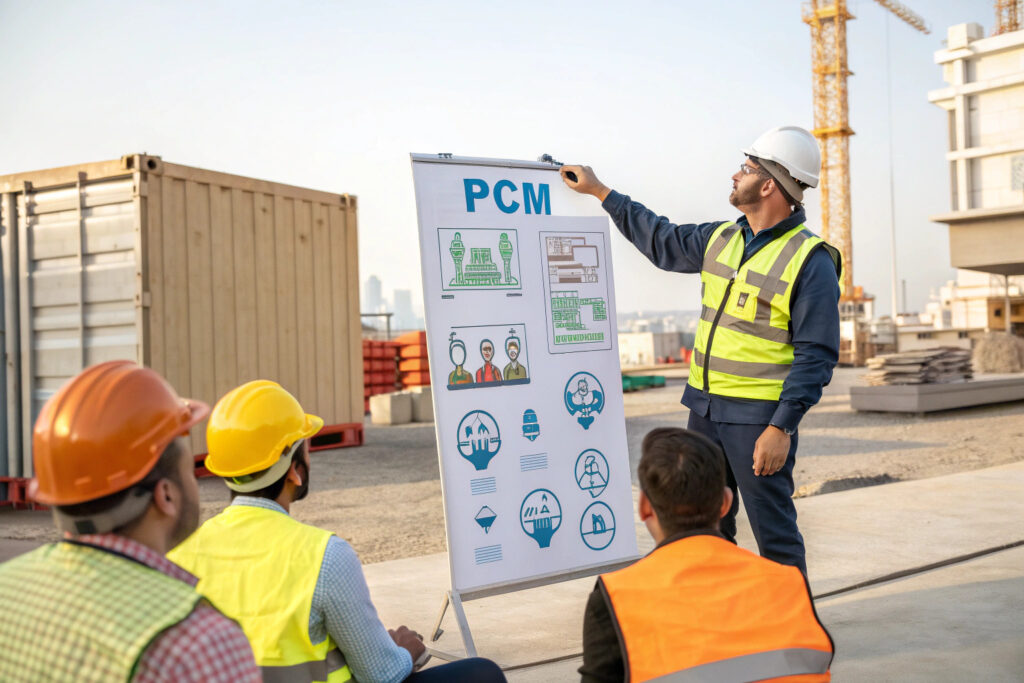
What are Qatar's laws on summer working hours?
Qatar's Ministry of Labour implements a "summer work ban" every year. For example, Ministerial Decision No. 17 of 2021 prohibits work in open outdoor workplaces from 10:00 AM to 3:30 PM between June 1 and September 15. This is one of the strictest regulations in the region and is a cornerstone of the country's heat stress prevention strategy.
How many liners would a worker need per shift?
Typically, a worker would be issued two or three cooling liners—thin, flexible panels designed to absorb and dissipate body heat efficiently. They would wear one liner at a time while the others are stored in a specialized cooler on-site, which maintains a consistently low temperature to keep the liners in a solid, ready-to-use state.
This setup allows them to swap out a 'melted' liner—its gel or phase-change material having liquefied from prolonged exposure to high temperatures—for a freshly solidified one during a scheduled rest break. The process is quick and seamless, ensuring that the worker has continuous active cooling throughout their entire work period, even in the most demanding heat conditions.
How Does a Company in Qatar Source This Technology?
Sourcing a critical piece of safety equipment like a PCM liner requires a different approach than buying standard supplies. Procurement managers at major Qatari construction and energy firms need to focus on performance, reliability, and certification.
The sourcing process involves:
- Identifying Specialist Manufacturers: They will look for manufacturers with proven expertise in PCM technology and industrial safety apparel. They will search for "PCM cooling vests," "industrial cooling PPE," and similar technical terms, not just "hat liner."
- Requesting Technical Specifications and Certifications: The buyer will demand detailed tech packs. This includes the specific PCM melting point, the weight of the PCM in the liner, the materials used for the outer pouch, and any safety certifications (like non-toxicity or fire resistance).
- Conducting a Pilot Program/Field Trial: Before placing a massive order for thousands of units, a company will typically run a field trial. They will purchase a smaller quantity and have a group of workers test the liners in real-world conditions to evaluate their effectiveness, durability, and the logistics of on-site charging.
- Evaluating the Manufacturer's Capacity: Can the manufacturer produce the required volume to a consistent quality standard? A large-scale project in Qatar might require tens of thousands of units. The buyer will need to be confident in the supplier's production capacity and quality control systems.
At Shanghai Fumao Clothing, we engage in this process regularly. We provide extensive technical data, supply samples for pilot programs, and offer full transparency on our production capabilities. We understand that for our clients in the Gulf, this is not just another order; it's an investment in the lives of their employees.
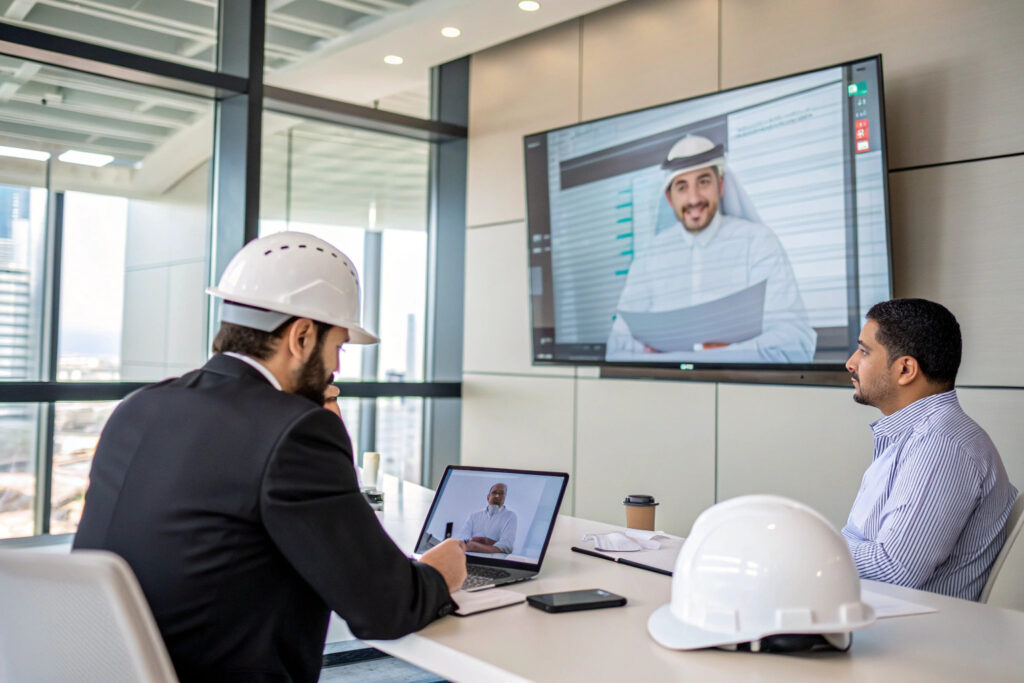
Can these liners be branded with a company logo?
Yes. For large orders, the outer fabric of the liner can be customized with a company's logo, intricately woven or printed in high-resolution colors that stand out even under varying lighting conditions, such as dimly lit warehouses or bright outdoor storage areas. This customization not only serves as a visual identifier but also helps with inventory management on-site by allowing staff to quickly distinguish between different batches, sizes, or types of liners at a glance, reducing the risk of misplacement or mix-ups.
What is the typical lifespan of a PCM liner?
A high-quality PCM (Phase Change Material) liner is exceptionally durable, engineered to withstand rigorous use over extended periods. The PCM core itself is inherently stable, resistant to chemical degradation, and capable of undergoing tens of thousands of solid-to-liquid phase transition cycles without any noticeable loss in thermal performance or structural integrity. This remarkable resilience ensures that the liner consistently delivers its intended temperature-regulating benefits, whether used in outdoor gear, medical devices, or industrial applications. The lifespan of such a liner is typically not constrained by the PCM's longevity but rather by the gradual physical wear and tear on the outer protective pouch—factors like friction, abrasion, or exposure to sharp objects can eventually compromise the pouch's seal or structural strength.
Conclusion
In the extreme climate of Qatar, the battle against heat stress is a daily reality. Phase Change Material cooling hard hat liners have emerged as an essential, science-backed tool in this fight. By providing safe, constant, and long-lasting cooling directly to the head, they go far beyond what any other technology can offer in a high-humidity environment. They are a critical component of any serious heat stress management program, protecting workers' health, enhancing their focus, and enabling them to perform their jobs safely.
As Qatar continues to build its future, the safety and well-being of its workforce remain paramount. Investing in advanced PPE like PCM liners is not a cost; it is a fundamental investment in human life and a testament to a company's commitment to operating at the highest international safety standards.
If you are a company operating in the Gulf or any other extreme heat environment, and you are looking to integrate the most effective personal cooling technology into your safety program, my team is ready to assist. We have the technical expertise and manufacturing capability to provide solutions that protect your most valuable asset: your people. Please contact our Business Director, Elaine, at her email: elaine@fumaoclothing.com to discuss your requirements.