Arctic expeditions present some of the most demanding conditions for outdoor gear, where inadequate head protection can lead to dangerous heat loss and compromised performance. Merino wool blend beanies have emerged as the preferred choice among experienced polar explorers and expedition guides, combining natural fiber benefits with technical enhancements that address the unique challenges of extreme cold weather environments.
Merino wool blend beanies excel in Arctic conditions due to their exceptional temperature regulation, moisture management, odor resistance, and reliable warmth even when wet. These beanies typically combine fine Merino wool with synthetic fibers like polyester or nylon to enhance durability, moisture-wicking speed, and shape retention while maintaining the natural benefits of wool. The resulting fabric creates an optimal microclimate around the head that prevents both overheating during exertion and dangerous heat loss during rest periods.
This comprehensive analysis explores the technical properties, performance advantages, and practical benefits that make Merino wool blend beanies the superior choice for Arctic expeditions, backed by material science and field testing from extreme environment specialists.
What Technical Properties Make Merino Blends Superior?
The performance advantages of Merino wool blend beanies stem from specific technical properties that address the multi-faceted challenges of Arctic environments. Understanding these material characteristics explains why blended fabrics outperform pure wool or synthetic alternatives in extreme cold conditions.
Merino wool blends combine the best attributes of natural and synthetic fibers, creating fabrics that maintain warmth, manage moisture, and withstand harsh conditions more effectively than single-fiber materials. These technical properties work together to protect against the specific thermal regulation challenges faced in polar regions.
How Does Fiber Structure Enhance Thermal Regulation?
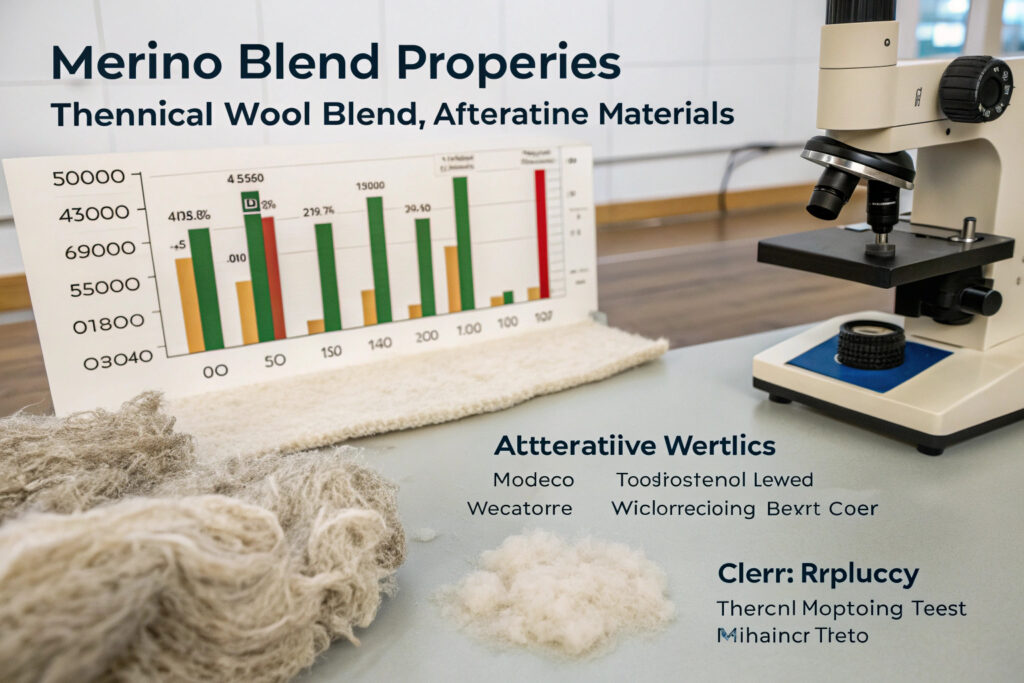
Merino wool's natural crimp creates millions of tiny air pockets that trap warm air while allowing moisture vapor to escape, maintaining stable head temperature despite fluctuating activity levels. The hygroscopic properties of wool fibers absorb up to 30% of their weight in moisture vapor from perspiration without feeling wet, releasing it slowly to prevent flash-off cooling. When blended with hollow-core synthetic fibers, the fabric gains enhanced insulation properties through additional air trapping while maintaining breathability. This combination creates a thermoregulatory buffer that prevents the dangerous cycle of sweating and freezing common in single-material beanies. The precise blend ratios (typically 60-80% Merino wool with 20-40% synthetics) optimize both natural benefits and technical performance for Arctic conditions.
What Moisture Management Advantages Do Blends Offer?
The dual-action wicking mechanism moves moisture rapidly away from skin through synthetic components while wool fibers manage vapor absorption and gradual release. This system prevents the saturation point where evaporative cooling becomes dangerous, maintaining thermal integrity even during high-exertion activities like skiing or sled pulling. The quick-drying properties of the synthetic components ensure the beanie doesn't become a heat sink when wet from precipitation or condensation inside shelter. This moisture handling capability is crucial because Arctic expeditions often involve rapid transitions between high-exertion travel and stationary camp activities that create dramatically different thermal requirements.
How Do Merino Blends Address Arctic-Specific Challenges?
Arctic environments present unique obstacles that standard cold-weather gear cannot adequately address. Merino wool blend beanies are specifically engineered to overcome these extreme challenges through targeted design features and material properties.
The most significant Arctic challenges include temperature extremes, moisture management in sub-zero conditions, durability requirements, and the need for reliable performance during multi-week expeditions without cleaning facilities. Merino blends excel in all these areas through their unique combination of natural and synthetic fiber properties.

Why Is Odor Resistance Crucial for Arctic Expeditions?
The natural antimicrobial properties of Merino wool inhibit bacterial growth that causes odor, allowing beanies to be worn for extended periods without developing unpleasant smells. This characteristic is particularly valuable during multi-week expeditions where washing facilities are nonexistent and clothing must be worn continuously. The lanolin content in Merino wool creates a slightly acidic environment that prevents microbial proliferation, maintaining freshness far longer than synthetic alternatives. This odor resistance directly impacts team dynamics and mental well-being in confined expedition shelters where air quality and personal hygiene significantly affect morale.
How Do Blends Maintain Performance in Wet Conditions?
Unlike cotton that loses 90% of its insulating properties when wet, Merino wool blends retain up to 80% of their warmth even when saturated, a critical safety factor in environments where hypothermia risk is constant. The hydrophobic synthetic components in blends prevent complete water absorption, creating a protective barrier while wool fibers manage moisture vapor from perspiration. This balanced approach prevents the dangerous heat loss that can occur when beanies become saturated with sweat during exertion then exposed to wind during rest periods. The combination ensures reliable performance across the variable precipitation types encountered in Arctic environments, from dry snow to freezing rain and condensation inside shelters.
What Design Features Optimize Arctic Performance?
Beyond material composition, specific design elements in Merino wool blend beanies enhance their functionality for Arctic expeditions. These features address the practical requirements of polar travel while maintaining the technical advantages of the blended fabric.
Optimized design features include strategic thickness variations, seamless construction, extended coverage areas, and compatibility with other expedition gear. These elements work together with the material properties to create beanies specifically suited to extreme polar conditions.
How Does Strategic Construction Enhance Functionality?
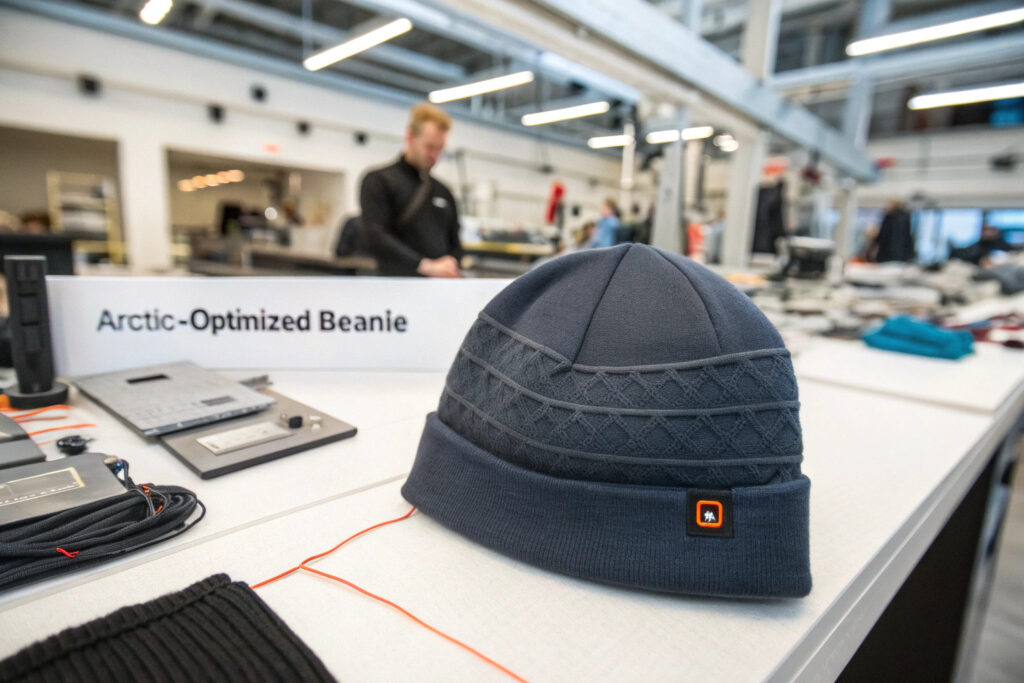
Variable knit density creates thinner areas over temples for better compatibility with goggles and sunglasses while maintaining thicker insulation over critical heat-loss areas. Seamless circular knitting eliminates potential irritation points and weak spots that could compromise warmth or durability during extended wear. Extended ear and neck coverage provides additional protection for vulnerable areas while maintaining comfortable fit under helmet hoods and parka collars. Reinforced edge binding prevents stretching and maintains shape despite repeated donning and removal with gloved hands. These construction elements address the specific ergonomic requirements identified through testing in actual polar expedition conditions.
What Layering Compatibility Is Essential?
The precise thickness calibration allows beanies to fit comfortably under expedition hoods without compromising mobility or creating pressure points that could reduce circulation. Low-bulk fiber blends provide maximum warmth with minimal thickness, enabling effective layering with balaclavas or face masks during extreme wind chill conditions. Non-slip surface treatments prevent the beanie from shifting during high-wind conditions or when removing over-layers, maintaining consistent coverage. This layering compatibility is crucial for the modular clothing systems used in Arctic expeditions where temperature management requires frequent adjustment of layers.
How Do Merino Blends Compare to Alternatives?
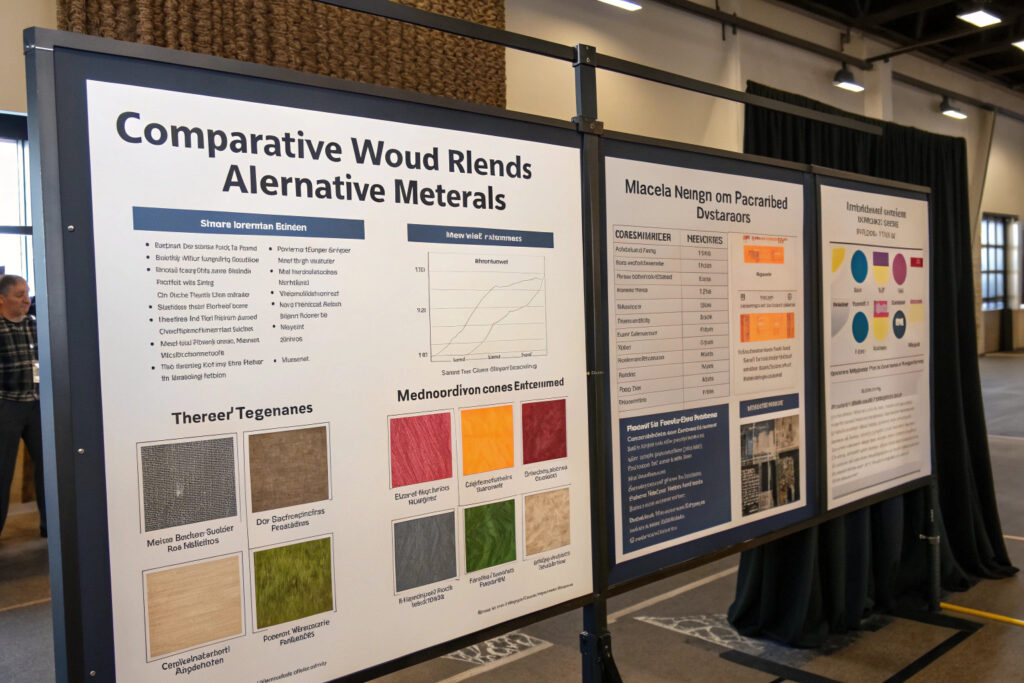
Understanding how Merino wool blend beanies perform relative to other materials clarifies their advantages for Arctic expeditions. Comparative analysis reveals why these blends have become the preferred choice over pure wool, synthetic, or down-filled alternatives.
Performance comparisons examine critical factors including warmth-to-weight ratio, moisture handling, durability, and safety considerations specific to extreme cold environments. These comparisons draw from both laboratory testing and field experience from polar expedition teams.
What Advantages Do Blends Offer Over Pure Merino?
The significantly enhanced durability of blends addresses pure wool's tendency to develop thin spots or holes from abrasion against expedition gear and pack straps. Improved shape retention prevents the bagging out and loss of fit that can occur with pure wool after extended wear, maintaining consistent coverage and insulation. Faster drying times due to synthetic components reduce the risk of frozen beanies in shelter environments where moisture from breathing can accumulate. These enhancements address the limitations identified by polar guides who found pure wool beanies required more frequent replacement and careful maintenance during long expeditions.
How Do They Outperform Synthetic Alternatives?
The superior temperature regulation of Merino blends prevents the overheating and excessive sweating common with purely synthetic beanies during variable exertion levels. The natural odor resistance eliminates the pervasive synthetic smell that can become overwhelming in confined expedition shelters over weeks of use. Reduced static electricity prevents uncomfortable shocks and annoying attraction of ice crystals and dust particles in the dry Arctic air. These advantages significantly impact expedition comfort and efficiency according to feedback from professional polar expedition teams.
Conclusion
Merino wool blend beanies represent the optimal solution for Arctic expeditions because they successfully balance the natural benefits of wool with the technical advantages of synthetic fibers. Their superior temperature regulation, effective moisture management, natural odor resistance, and reliable performance in wet conditions directly address the most critical head protection challenges in polar environments.
As Arctic exploration continues to evolve and more adventurers undertake polar expeditions, the demonstrated performance advantages of Merino wool blend beanies make them the unequivocal choice for serious expeditions. Their ability to maintain comfort, safety, and functionality across the extreme and variable conditions encountered in Arctic regions justifies their position as the headwear standard for those venturing into Earth's coldest environments.