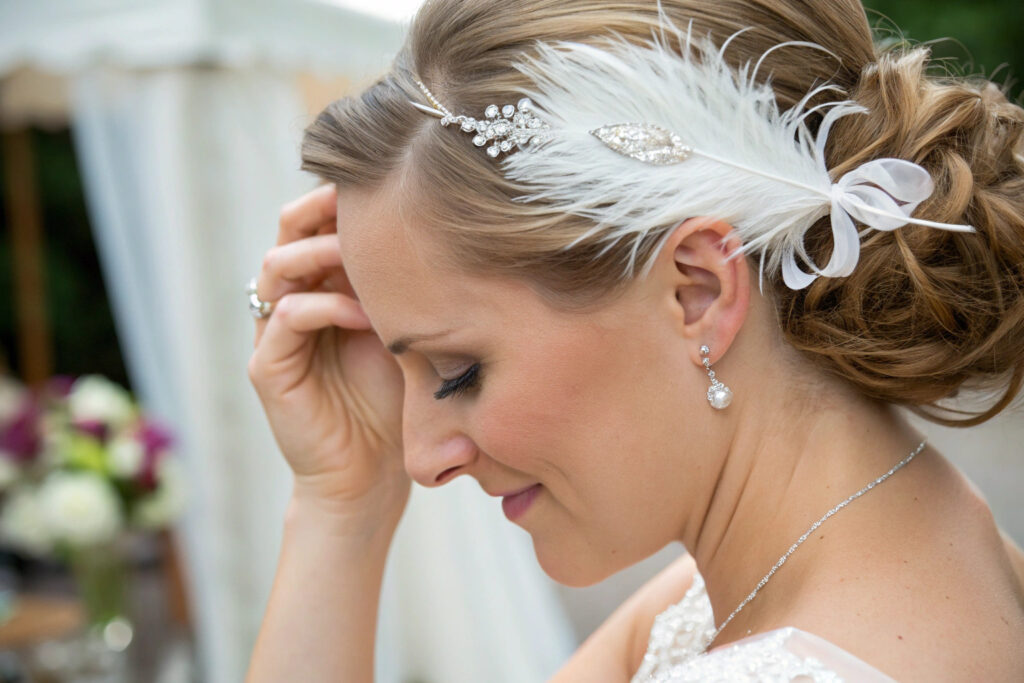
For brides, wedding day headpieces have always been a balancing act. They want glamour but fear damage from clips or combs. They desire a secure fit but dread the tugging and pulling on fine veils and hair. Traditional attachment methods often fall short, causing frustration at a moment meant for pure joy.
Magnetic attach fascinators are dominating the bridal market because they directly solve these core frustrations. They offer a secure, damage-free, and incredibly versatile way to wear a headpiece. This simple innovation aligns perfectly with modern wedding trends that prioritize convenience, hair health, and personal style. For a supplier like us at Shanghai Fumao Clothing (Global-Caps), this represents a significant shift in bridal accessory demand, driven by both consumer desire and technological advancement.
This isn't just a minor tweak to a product; it's a fundamental improvement to the bridal experience. By understanding why magnetic fascinators are so popular, wedding brands and retailers can better cater to their customers' needs. Let's explore the key drivers behind this trend and what it means for the future of bridal fashion.
How do magnetic attachments solve traditional bridal accessory problems?
Bridal accessories have long been plagued by practical issues that can detract from the big day. Standard metal clips can snag and break delicate hairstyles painstakingly crafted by professionals. Bobby pins and combs can slip out, especially with fine or silky hair, causing constant anxiety and the need for adjustments during photos or ceremonies. Worse, they can leave unsightly dents and damage in both the hair and the fabric of veils. The magnetic fascinator directly addresses these pain points with an elegant, physics-based solution.
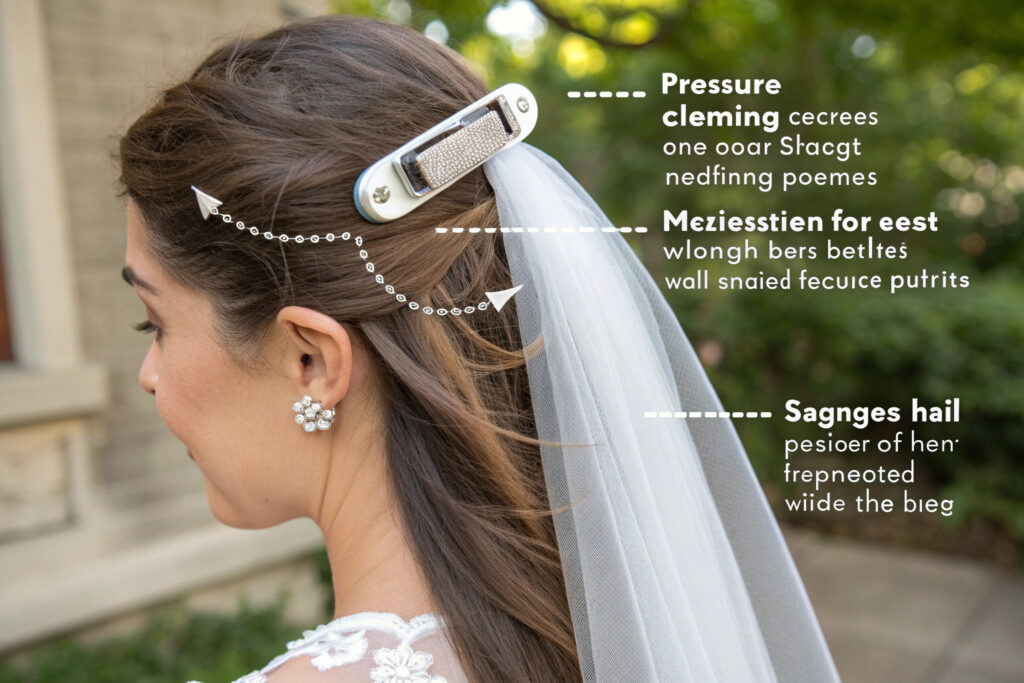
The core advantage lies in the use of strong, discreet neodymium magnets. These magnets create a secure, clamping force between two parts of the accessory—one piece sits on top of the hair or veil, and its counterpart sits beneath it. This sandwich grip distributes pressure evenly, eliminating the need for sharp points that dig into the scalp or fabric. It means the accessory holds firmly in place during dancing and windy photo sessions, yet can be removed and repositioned in seconds without any trace or damage. This combination of security and hair health is a game-changer for brides and hairstylists alike.
Why are brides switching from clips to magnets?
The switch is driven by a desire for flawless aesthetics and stress-free wear. A bride's hairstyle is often a significant investment, and traditional clips risk undoing that work. Magnets preserve the hairstyle's integrity completely. Furthermore, the ease of use is paramount. A magnetic fascinator can be put on and taken off by the bride herself effortlessly, which is not always true for complicated pinning techniques. This empowers the bride with control and convenience on her busy day. For those wearing heirloom veils or expensive, delicate fabrics like silk chiffon or lace, the risk of pulls and holes from clasps is eliminated. The magnet simply holds the fabric gently in place, offering peace of mind alongside style.
What makes the magnetic design more versatile for different hairstyles?
Traditional combs are designed for specific hair types and volumes—they often fail in fine, short, or very textured hair. Magnetic attachments are universally adaptable. They work equally well on a sleek, low bun, a voluminous curly down-do, or even on a wide-brim hat or headband as an added decoration. This versatility is crucial for modern weddings, which may involve multiple outfit changes (like a ceremony dress and a reception outfit) or different cultural attire (such as incorporating elements for both a Western gown and a traditional cheongsam). A single magnetic base can often support multiple fascinator toppers, allowing for quick transformations. This adaptability makes it a smarter, more functional investment for both the bride and the retailer.
What market trends are fueling the demand for magnetic fascinators?
The rise of magnetic fascinators is not happening in a vacuum. It is being propelled by several powerful, concurrent trends in the global wedding and fashion industries. The broader "magnetic accessories" category is experiencing significant growth, as noted in industry reports forecasting its expansion through 2027. This growth is fueled by a consumer shift towards products that blend innovation with convenience. In the bridal sector specifically, this aligns with a move towards more personalized, experiential, and less formal celebrations.
Modern brides are increasingly viewing their wedding attire as an expression of personal style rather than adherence to strict tradition. They are mixing classic elements with contemporary pieces, often sourcing separate components to create a unique look. The magnetic fascinator fits this "mix-and-match" or "accessorize-your-way" ethos perfectly. It functions as a modular system—brides can choose a base and swap different decorative tops, or easily add/remove the piece for different parts of the day. This trend towards customization and reusability makes magnetic fascinators a highly attractive product category with strong repeat purchase potential, especially for brands like ours that specialize in agile R&D and small-batch customization.
How does the "experience economy" influence bridal purchases?
Today's brides spend heavily on creating a seamless, enjoyable experience for themselves and their guests. Any product that reduces stress or solves a problem is highly valued. Magnetic fascinators are marketed and perceived as a "smart" solution—a thoughtful upgrade that enhances the wedding day experience by removing a common annoyance. This focus on experience over mere ownership means brides are willing to invest in accessories that promise reliability and ease. Positive reviews and social media testimonials about how the magnet "saved the day" or "was so easy to use" are powerful drivers of demand, making this a highly marketable feature for retailers and wholesale hat suppliers alike.
Is the demand linked to broader fashion and cultural shifts?
Absolutely. The popularity of magnetic fastenings is expanding beyond fascinators into other wedding accessories, such as magnetic brooches for suits and gowns. This creates a cohesive "magnetic accessory" trend within the wedding party. Culturally, there's also a growing emphasis on inclusivity in weddings. Magnetic fascinators are ideal for brides with hair loss due to medical treatments, very short hair, or those who wear head coverings for religious reasons, as they can attach securely to headscarves, wigs, or hats without damage. This broadens the potential customer base significantly and aligns with the socially conscious values of many modern consumers.
What are the key advantages for retailers and wholesalers?
For businesses in the bridal supply chain, from wholesale manufacturers to boutique retailers, the magnetic fascinator trend presents compelling commercial advantages. First and foremost, it addresses a major point of customer dissatisfaction, which in turn reduces returns and complaints related to broken clips, damaged veils, or accessories that simply didn't stay on. By offering a superior product that solves these issues, retailers can build stronger customer loyalty and generate positive word-of-mouth.
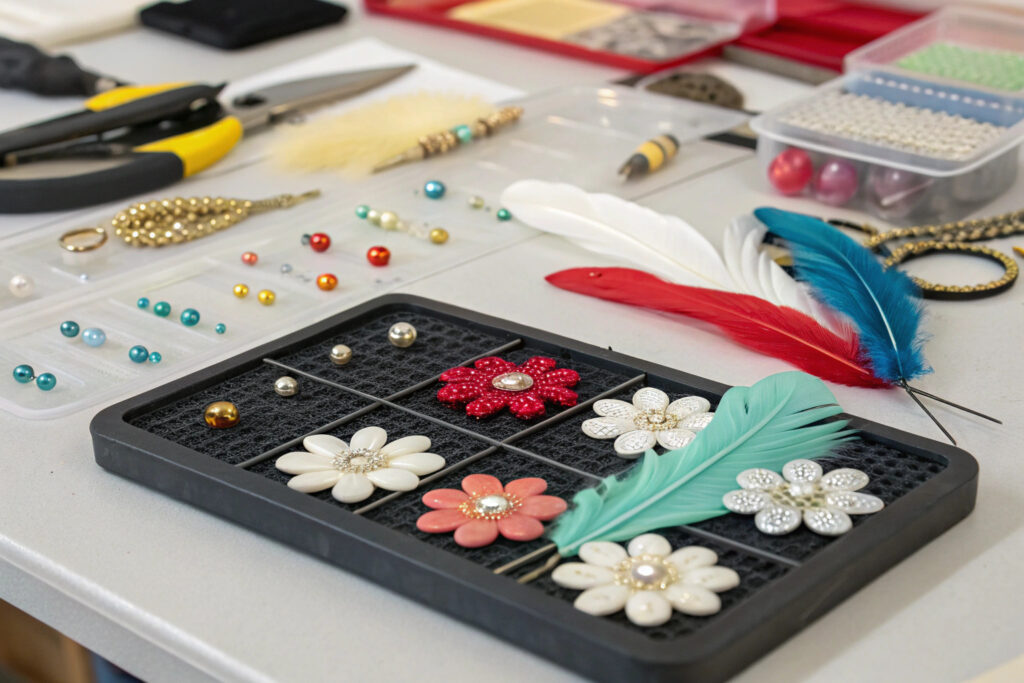
From a production and inventory standpoint, magnetic designs can offer greater efficiency. The magnetic clasp mechanism can be standardized across many different styles of fascinator tops. This means manufacturers can stock a variety of interchangeable decorative elements (feathers, flowers, nets, beads) that all fit onto the same magnetic base. This modular approach simplifies supply chain management, reduces SKU complexity for bases, and allows for rapid assembly of custom orders. For a manufacturer with strong fabric sourcing networks and a CNAS-certified testing lab, ensuring the magnets are securely integrated and the materials are of wedding-day quality becomes a key value proposition.
Does this design open up new customer segments?
Yes, significantly. While the primary market is brides, the secure and non-damaging nature of magnetic attachment makes these fascinators perfect for a wider audience. This includes mothers of the bride/groom, wedding guests attending formal events, and even participants in races, galas, or fashion shows who need reliable headpieces. Furthermore, the theater and film costume industries are potential B2B clients, as magnetic attachments allow for quick, damage-free changes between scenes. This diversification makes the product line less seasonal and more resilient to market fluctuations in the bridal sector alone.
How does it impact packaging, shipping, and presentation?
Magnetic fascinators often have a sleek, modern design that lends itself to premium packaging. Since they aren't reliant on sharp combs, they can be laid flat in slender boxes, reducing shipping volume and potential damage during global logistics. For retailers, they are easier and safer to display—clients can try them on repeatedly without wear and tear. The "innovative" aspect of the magnet also provides a clear story for sales staff to tell, differentiating the product in a crowded market and justifying a potential price premium over traditional designs.
What should designers and manufacturers consider when producing them?
Successfully capitalizing on this trend requires more than just slapping a magnet onto an existing design. The integration must be thoughtful, reliable, and aesthetically seamless. The foremost consideration is magnet strength and safety. The magnets must be strong enough to hold the fascinator securely through movement, but not so strong as to be difficult to separate or to pinch the skin or hair. Using high-quality neodymium magnets and embedding them securely within the fabric or structure of the piece is critical. Furthermore, all components must pass relevant safety standards, especially concerning small parts if there's any remote chance of detachment.
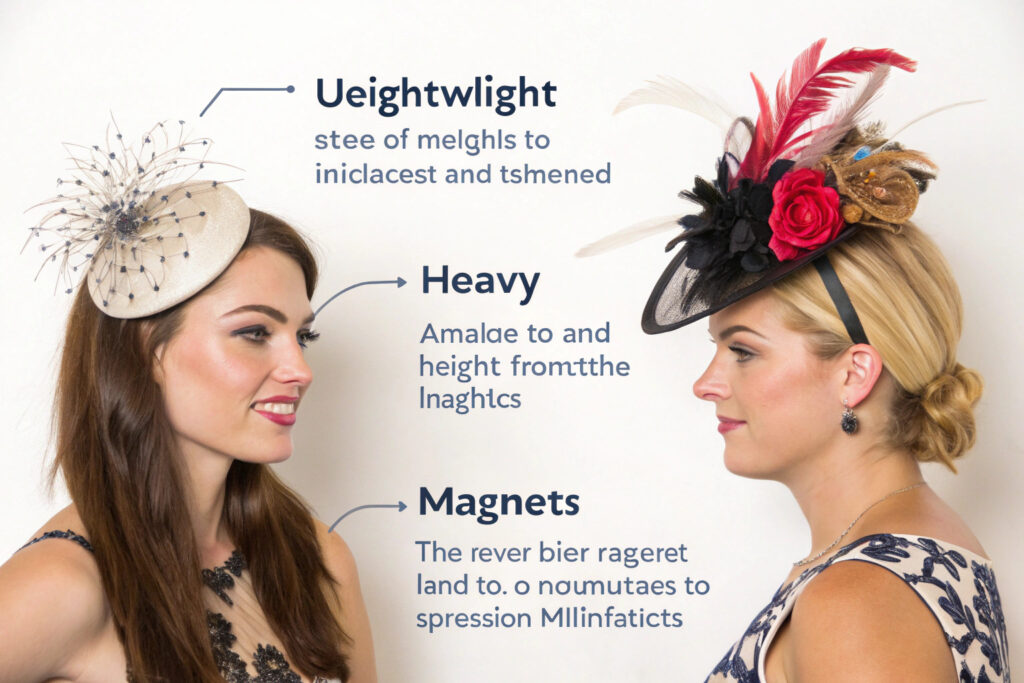
The design must also account for weight distribution. Fascinators can be lightweight or surprisingly heavy with embellishments. The magnet pairs must be positioned strategically to counterbalance the weight and prevent tipping. This often requires prototyping and testing on various hair types and styles—a process where a manufacturer's agile R&D capabilities are vital. The connection should be invisible from the outside, maintaining the illusion that the beautiful piece is simply resting elegantly in the hair. This demands skilled craftsmanship in millinery to hide the mechanics within the decoration.
How do material choices affect the final product?
The choice of materials interacting with the magnet is crucial. If the fascinator is designed to attach directly to the hair, a soft, non-slip silicone or velvet backing on the magnet is often used to increase grip and comfort. For attachments over veils or hats, the magnet must be strong enough to work through layers of fabric. Designers must also consider the long-term durability of the materials surrounding the magnet—ensuring they won't degrade or cause the magnet to become loose. For a manufacturer like Shanghai Fumao Clothing, leveraging our expertise in diverse materials—from delicate silks and satins to structured felts—allows for creating magnetic fascinators that are both beautiful and impeccably constructed.
What are the common pitfalls to avoid in production?
One major pitfall is using weak or poor-quality magnets that fail, leading to immediate product failure and brand damage. Another is poor placement, resulting in a fascinator that spins or slides. Failing to properly seal or cover the magnets can lead to corrosion, especially if the accessory is meant to be worn outdoors or could be exposed to humidity. Finally, neglecting the aesthetic integration—allowing bulky metal to show—defeats the purpose of an elegant bridal accessory. Rigorous quality control at every stage, from sourcing the magnetic components to final assembly, is non-negotiable. Our end-to-end quality control system, including testing for material integrity, is essential for delivering a product that lives up to the promises of this innovative trend.
Conclusion
Magnetic attach fascinators are dominating the bridal market because they represent a meaningful convergence of innovation, consumer desire, and smart design. They solve genuine problems of security, hair damage, and versatility that have long existed with traditional methods. Their rise is amplified by broader trends towards personalization, experience-focused spending, and modular fashion.
For forward-thinking brands and retailers, this trend is a clear signal. The future of bridal accessories lies in solutions that empower the wearer with ease, confidence, and style. It's about enhancing the celebration, not adding to its complications.
If you are looking to develop a line of high-quality, reliable, and beautifully designed magnetic fascinators for the modern bride, expertise in both innovative millinery and precise manufacturing is key. Shanghai Fumao Clothing (Global-Caps) combines decades of hat-making craftsmanship with a modern, agile approach to new trends. From initial concept and material sourcing to prototyping in our labs and efficient bulk production, we can help you bring this in-demand product to market. To discuss creating a bespoke collection of magnetic bridal fascinators, please contact our Business Director, Elaine, at elaine@fumaoclothing.com. Let's create something beautiful and brilliantly functional together.