Winter headwear has remained largely unchanged for decades, relying on traditional materials like wool, fleece, and down for insulation. But a new material is changing everything: graphene. This single layer of carbon atoms arranged in a hexagonal lattice, once confined to laboratory experiments, is now transforming winter wear through graphene-infused beanies. The problem with traditional beanies is their limitations—they can be bulky, lose insulation when wet, and often fail to regulate temperature effectively during active winter sports or shifting indoor-outdoor transitions.
Graphene-infused beanies solve these problems by offering unprecedented thermal regulation, remarkable thinness, and smart functionality. By integrating graphene into fabric fibers or as a coating, manufacturers create beanies that are warmer yet lighter, more breathable yet more insulating, and more durable than any traditional winter hat. This represents not just an incremental improvement but a fundamental shift in what winter headwear can achieve.
The revolution lies in graphene's unique properties: exceptional thermal conductivity, incredible strength despite being atomically thin, and natural antibacterial characteristics. When these properties are translated into wearable textiles, they create beanies that actively manage heat, resist moisture, and maintain hygiene through long days on the slopes or in urban winter environments. This technology is moving winter headwear from passive insulation to active thermal management.
What Makes Graphene So Revolutionary for Textiles?
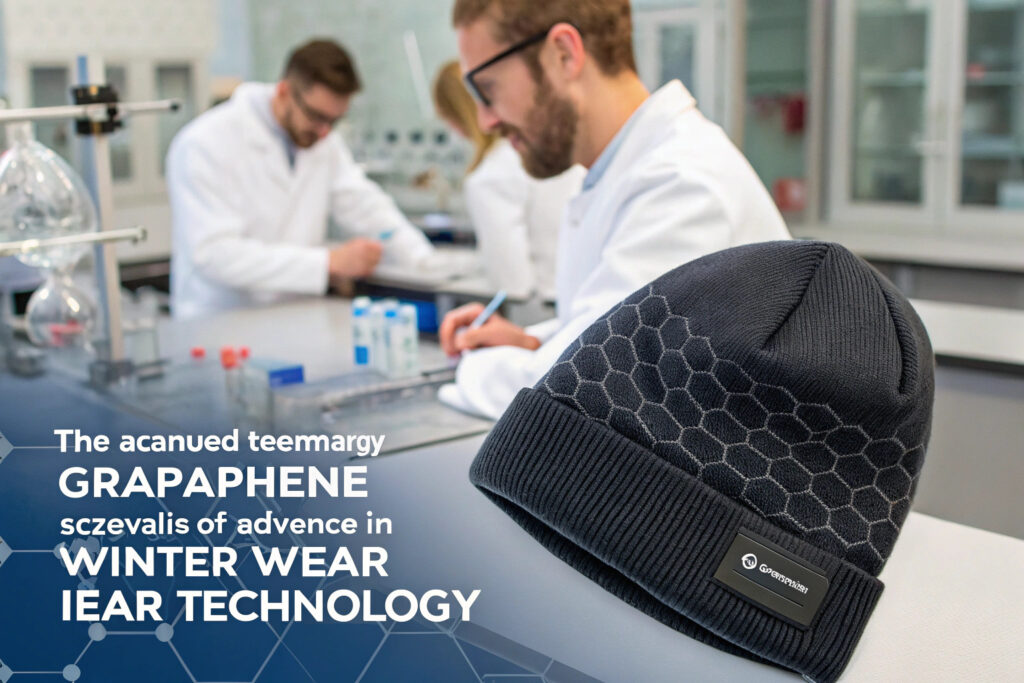
Graphene's impact on textiles stems from its extraordinary physical properties, which are now being engineered into wearable fabrics. As the world's thinnest yet strongest material—about 200 times stronger than steel at the same thickness—graphene brings unprecedented performance to winter wear. Its two-dimensional structure of carbon atoms forms a perfect honeycomb lattice that conducts heat and electricity with remarkable efficiency while remaining flexible and lightweight.
For winter beanies specifically, graphene integration occurs through several methods: graphene oxide coatings on fabric surfaces, graphene-infused polymer fibers, or graphene-enhanced yarns woven directly into the textile structure. Each method leverages graphene's thermal conductivity to create fabrics that don't just trap heat but actively distribute it evenly across the wearer's head. This eliminates cold spots while preventing overheating—a common problem with traditional insulated hats during variable activity levels.
Beyond thermal regulation, graphene's natural properties address multiple winter wear challenges simultaneously. Its antibacterial characteristics reduce odor buildup during prolonged wear, while its moisture-wicking capabilities help manage perspiration during winter sports. Perhaps most remarkably, graphene-infused fabrics achieve these benefits while being thinner and lighter than traditional winter materials, eliminating the bulkiness associated with maximum warmth.
How Does Graphene Enhance Thermal Regulation?
Graphene transforms thermal regulation through three interconnected mechanisms:
Active Heat Distribution: Graphene's high thermal conductivity (approximately 5,000 W/mK) allows it to rapidly spread body heat across the entire beanie surface rather than letting it concentrate in spots. This creates even warmth without hot spots or cold areas.
Radiant Heat Reflection: When incorporated as a coating or in fibers, graphene can reflect infrared radiation (body heat) back toward the wearer, similar to advanced thermal blankets but in a breathable, wearable form.
Adaptive Insulation: Unlike static insulation materials, graphene-enhanced fabrics can theoretically be engineered to change their thermal properties in response to external temperatures or electrical stimulation, though most current consumer products use passive graphene benefits.
This combination allows graphene-infused beanies to maintain comfortable temperatures across a wider range of conditions than traditional materials. Whether someone is stationary in freezing temperatures or active in milder conditions, the material helps regulate heat more effectively than wool, fleece, or synthetic insulations alone.

What Are the Durability Advantages?
Graphene brings exceptional durability to winter beanies through its fundamental material properties:
- Tensile Strength: Graphene-infused fibers are more resistant to stretching and tearing, extending the beanie's lifespan through repeated wear and washing.
- Abrasion Resistance: The material withstands friction from backpack straps, helmet wear, and general use better than many traditional textiles.
- Moisture Resilience: Unlike down or some natural fibers, graphene-enhanced materials maintain their insulating properties when damp, and they dry significantly faster.
- UV Resistance: Graphene provides natural protection against ultraviolet degradation, important for high-altitude winter sports where UV exposure is intensified.
These durability benefits address common failure points in winter beanies while maintaining the softness and comfort expected from premium headwear. The result is products that perform better over time with less deterioration in appearance or functionality.
How Do Graphene Beanies Compare to Traditional Materials?
Understanding graphene's advantages requires direct comparison with established winter materials. Traditional beanie materials each have limitations that graphene addresses while adding new capabilities. Wool, while naturally insulating and moisture-wicking, can be itchy, heavy when wet, and slow to dry. Fleece provides warmth and softness but lacks breathability during high activity and tends to hold odors. Synthetic insulations offer lightweight warmth but often compromise on comfort and sustainability.
Graphene-infused beanies outperform these materials across multiple metrics while introducing capabilities traditional materials cannot provide. The most significant difference lies in graphene's ability to conduct heat rather than merely trap it. This transforms the beanie from passive insulation to active thermal management, adapting to both the wearer's body heat output and external conditions more effectively than static materials ever could.
Performance testing reveals that graphene-enhanced fabrics provide superior warmth-to-weight ratios, meaning less material is needed for equivalent or better insulation. This allows for thinner, less bulky designs that don't sacrifice warmth—particularly valuable for activities where mobility and minimalism are prioritized, like skiing, mountaineering, or winter running. The material's natural properties also reduce the need for chemical treatments often applied to traditional textiles for water resistance, odor control, or durability.

What About Moisture Management Performance?
Moisture management represents a critical area where graphene beanies excel:
- Wicking Speed: Graphene's structure facilitates rapid moisture movement away from the skin, with some tests showing 30-50% faster wicking than premium synthetic blends.
- Drying Time: The material's thermal conductivity and surface properties enable quicker evaporation, reducing the time wet beanies take to dry.
- Wet Insulation: Unlike down (which collapses when wet) or cotton (which loses all insulation value), graphene maintains significant thermal performance even when damp.
- Breathability: Properly engineered graphene fabrics provide exceptional breathability, preventing the clammy feeling that can occur with some synthetic insulations during high-exertion activities.
These characteristics make graphene beanies particularly suitable for winter sports where perspiration management is as important as external weather protection. The combination of moisture transport and maintained insulation represents a significant advancement over traditional materials that typically excel at one or the other but rarely both.
How Does Weight and Bulk Compare?
The weight and bulk advantages are immediately noticeable:
- Thinner Profiles: Graphene beanies can achieve equivalent warmth with approximately 30% less thickness compared to premium merino wool or synthetic fleece.
- Reduced Weight: Less material means lighter products—important for long-duration wear and packability.
- Improved Packability: The thinner, lighter beanies compress more easily for storage in pockets or packs.
- Enhanced Mobility: Reduced bulk minimizes interference with helmet wear, hood adjustments, or peripheral vision.
For consumers and professionals alike, these differences translate to practical benefits: easier layering under helmets for skiers and snowboarders, less neck strain during all-day wear, and more convenient storage when not in use. The weight savings might seem minor for a single beanie, but for winter athletes, adventurers, or workers who wear head protection for extended periods, the cumulative comfort improvement is substantial.
What Are the Real-World Applications and Benefits?
Graphene-infused beanies deliver tangible benefits across diverse winter activities and professions. Beyond general consumer use, specific applications highlight how this technology solves real problems rather than merely offering incremental improvements. The benefits extend beyond warmth to include safety, performance, and comfort in demanding conditions where traditional materials fall short.
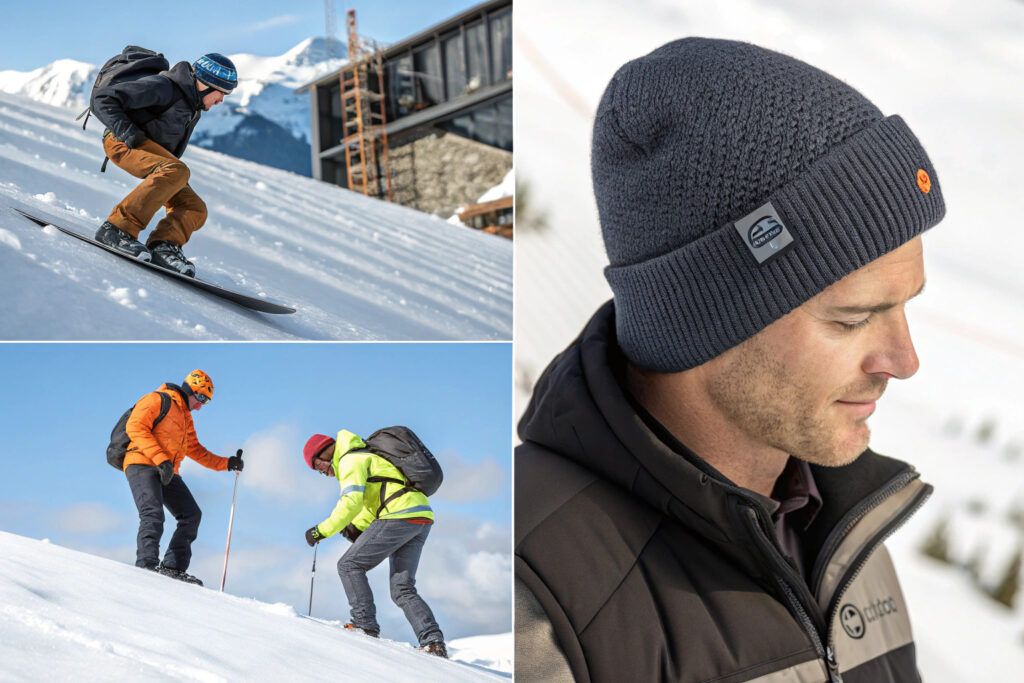
For winter sports enthusiasts, graphene beanies provide the thermal regulation needed during variable exertion levels—keeping wearers comfortable during both strenuous climbs and chilly lift rides. The moisture management prevents the damp chill that can set in during resort days, while the thin profile ensures compatibility with helmets without compromising protection or fit. These practical advantages explain why graphene-infused products are rapidly gaining popularity in technical winter sports apparel segments.
Professional applications also benefit significantly. Outdoor workers, from utility crews to ski patrol members, require headwear that performs consistently through long shifts in changing conditions. Graphene's durability reduces replacement frequency, while its consistent performance across temperature ranges improves worker comfort and safety. The antibacterial properties are particularly valuable for multi-day expeditions or situations where washing opportunities are limited, addressing hygiene concerns without chemical treatments.
Who Benefits Most from This Technology?
Specific user groups experience particularly dramatic improvements:
- Winter Athletes: Skiers, snowboarders, ice climbers, and winter runners benefit from the adaptive warmth and moisture management during variable exertion.
- Outdoor Professionals: Guides, instructors, rescue personnel, and field researchers appreciate the all-day performance consistency and durability.
- Cold-Sensitive Individuals: People with circulatory issues or low cold tolerance benefit from the even heat distribution that prevents cold spots.
- Urban Commuters: Those transitioning between heated buildings and cold outdoor environments value the temperature regulation without bulk.
Each group experiences graphene's benefits differently but shares the common advantage of headwear that actively works with their body and environment rather than simply providing a static barrier. This represents a paradigm shift from insulation to thermal management—a distinction that becomes increasingly meaningful as activities become more demanding or conditions more variable.
What Are the Long-Term Value Propositions?
The long-term value extends beyond initial performance:
- Durability: Graphene-enhanced fabrics show less degradation over time, maintaining their performance characteristics through more wash cycles and wear days.
- Consistency: Unlike some natural fibers that can vary batch-to-batch, graphene integration offers more predictable, consistent performance.
- Multi-Functionality: A single graphene beanie can effectively replace multiple specialized hats for different conditions or activities.
- Reduced Layering: The efficiency of graphene insulation can reduce the need for multiple headwear layers in extreme conditions.
For retailers and brands like shanghaifumaoclothing, these value propositions translate to products that justify premium pricing through demonstrable performance advantages and longer usable lifespans. For consumers, they mean investments in winter gear that deliver consistent performance season after season rather than degrading significantly with use.
What Does the Future Hold for Graphene Apparel?
The current generation of graphene-infused beanies represents just the beginning of this material's potential in winter wear. Research and development continue to advance how graphene is integrated, what properties are emphasized, and how these materials are manufactured at scale. The convergence of graphene with other smart textile technologies points toward even more revolutionary products in the near future.
Future developments likely include graphene composites that change properties in response to temperature or moisture, effectively creating "smart" insulation that adapts dynamically to conditions. Integration with energy harvesting could lead to self-heating elements powered by body motion or temperature differentials. As manufacturing processes improve and costs decrease, graphene-enhanced materials may move from premium products to broader market segments, potentially replacing traditional insulations entirely for performance applications.
The sustainability implications also warrant attention. While current production has environmental impacts, graphene's durability and performance could contribute to longer product lifespans and reduced consumption—a net positive if managed responsibly. Research into sustainable graphene production methods continues to advance, potentially addressing concerns about resource use and manufacturing impacts as the technology scales.
What Innovations Are Emerging?
Near-term innovations likely to reach market include:
- Graded Properties: Different graphene concentrations or formulations in different beanie areas to optimize thermal, breathability, or moisture management zones.
- Integrated Sensing: Combining graphene's conductivity with sensor technologies for temperature monitoring or physiological tracking.
- Enhanced Sustainability: Bio-based graphene production or improved recycling pathways for end-of-life products.
- Multi-Material Integration: Combining graphene with other advanced materials like aerogels or phase-change materials for hybrid performance benefits.
These innovations will further differentiate graphene products from traditional alternatives while addressing specific use cases more precisely. The technology's flexibility allows for customization that traditional materials cannot match—potentially enabling product lines tailored to specific activities, climates, or personal preferences with unprecedented precision.
How Will Manufacturing Evolve?
Manufacturing evolution will focus on three areas:
- Scale and Cost: Improved production methods for graphene materials and their textile integration to reduce costs and increase availability.
- Precision Integration: More controlled application methods that place graphene exactly where needed with minimal waste.
- Testing and Certification: Standardized performance metrics and testing protocols specific to graphene-enhanced textiles.
As the industry matures, manufacturers with expertise in both textile production and advanced material integration—like shanghaifumaoclothing—will be positioned to lead innovation. Their understanding of how to balance technical performance with wearability, style, and cost will determine how quickly and effectively graphene technology transforms winter wear categories beyond beanies.
Conclusion
Graphene-infused beanies represent a fundamental advancement in winter wear technology, moving beyond traditional insulation to active thermal management. By leveraging graphene's exceptional thermal conductivity, strength, and multifunctional properties, these beanies offer superior warmth without bulk, better moisture management, and enhanced durability compared to traditional materials. The technology solves long-standing problems in winter headwear while opening new possibilities for performance, comfort, and functionality across sports, professional, and everyday applications.
As research continues and manufacturing scales, graphene-enhanced textiles will likely become increasingly prevalent in winter apparel. The combination of measurable performance benefits and consumer-friendly characteristics positions this technology for significant market growth. For now, graphene beanies offer a tangible experience of material science innovation that genuinely improves winter comfort and performance.
If you're interested in developing or sourcing graphene-infused beanies or other advanced winter wear, partnering with a manufacturer experienced in technical textile innovation ensures optimal results. Our team specializes in integrating cutting-edge materials like graphene into high-performance headwear that balances technology with wearability. For more information about graphene-enhanced product development, please contact our Business Director, Elaine, at elaine@fumaoclothing.com.