Canadian winters bring extreme cold that challenges even the best traditional winter gear. Consumers are actively seeking solutions that provide more than just basic insulation - they want reliable, adjustable warmth that can withstand temperatures dropping below -30°C in cities like Winnipeg and Montreal.
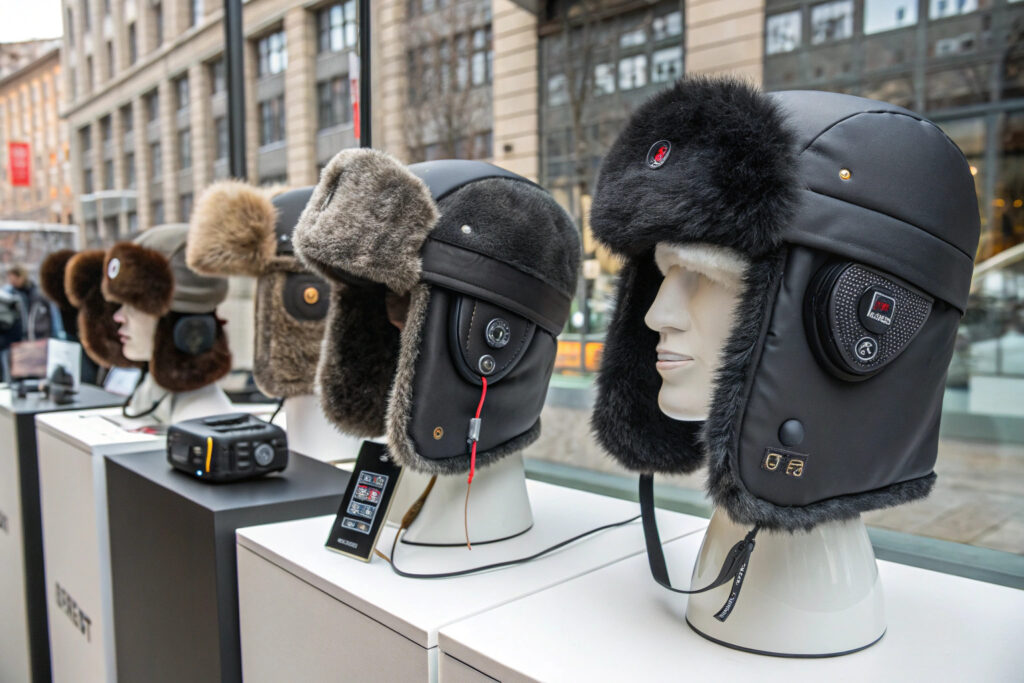
Graphene heated ushankas are gaining popularity in Canada because they combine superior insulation with advanced heating technology. These hats provide instant, adjustable warmth through efficient far-infrared heating, addressing the fundamental need for effective protection against harsh winter conditions while offering energy efficiency and comfort.
This analysis explores the technological advantages, consumer benefits, market alignment, and supply chain considerations that make graphene heated ushankas a successful product in the Canadian market.
How Does Graphene Heating Technology Work?
Traditional heated garments often suffer from uneven heat distribution and slow warming times. Consumers need solutions that provide immediate, consistent warmth without bulky components or safety concerns.
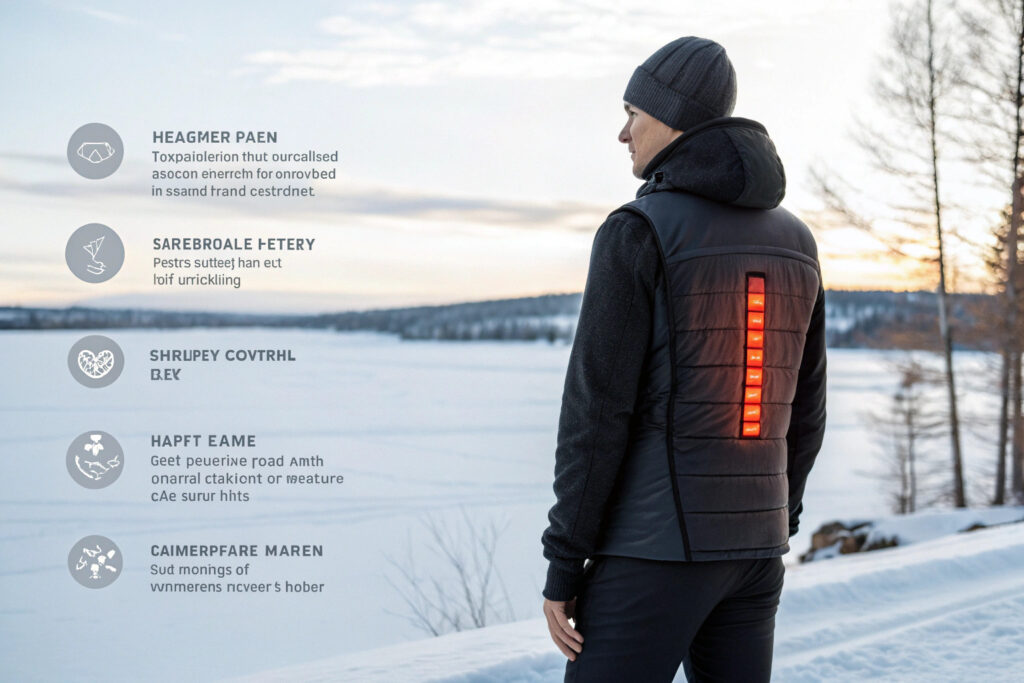
Graphene heating utilizes a thin, flexible carbon layer that converts electrical energy into far-infrared radiation. This technology heats up within seconds and distributes warmth evenly across the entire ushanka surface, including critical ear protection areas, while maintaining low power consumption.
Why is Graphene More Efficient Than Traditional Heating Elements?
Graphene's single-layer carbon structure provides exceptional thermal conductivity, allowing it to heat evenly across its entire surface rather than creating hot spots like conventional wire elements. This atomic-level efficiency enables faster heating with less energy consumption from the power bank. The material's flexibility also ensures comfortable integration into headwear without compromising the hat's design or insulation properties. The fundamental science behind this material earned researchers the Nobel Prize in Physics.
How Does Far-Infrared Heating Benefit Cold Weather Protection?
Far-infrared radiation penetrates deeper into body tissues than conventional conductive heat, providing natural-feeling warmth that helps maintain core body temperature more effectively. This technology is particularly beneficial for protecting vulnerable areas like ears and forehead from frostbite during extended outdoor exposure. The therapeutic qualities of far-infrared heat are well-documented in medical research for improving circulation and comfort in cold conditions.
What Drives Consumer Demand in Canada?
Canadian consumers face practical winter challenges that standard winter hats cannot adequately address. From lengthy commutes to outdoor recreational activities, people need gear that provides reliable, adjustable warmth throughout the day.
The demand stems from three key factors: the need for superior comfort in extreme temperatures, the growing acceptance of wearable technology, and the desire for multifunctional products that combine traditional insulation with modern heating capabilities.
How Do Temperature Control Features Meet User Needs?
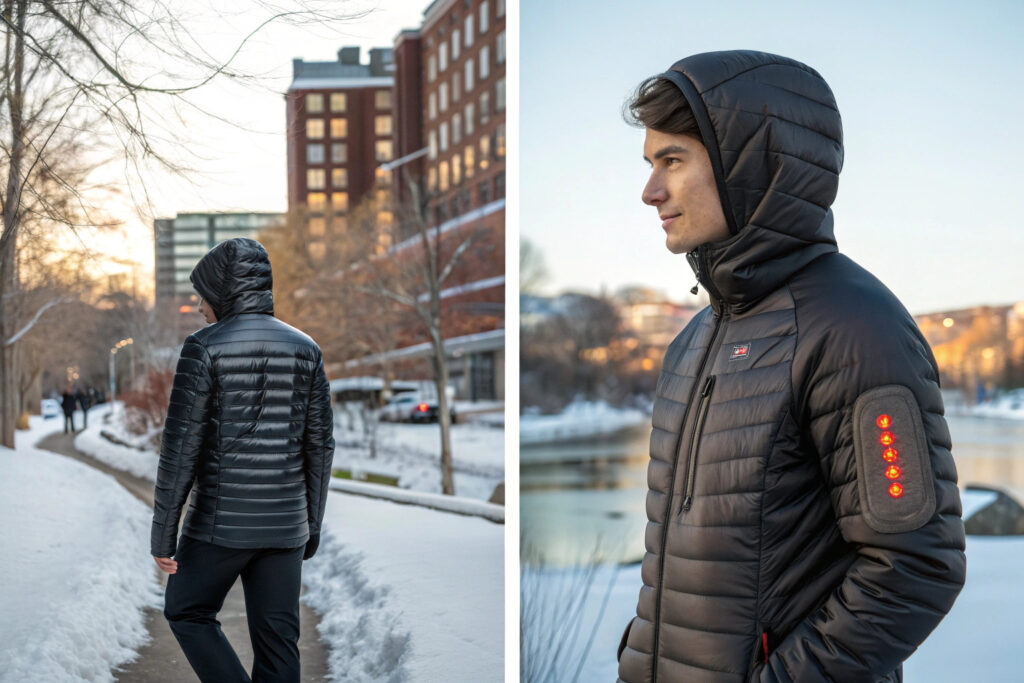
Adjustable heat settings allow users to customize their comfort level based on activity and weather conditions. Low settings suffice for brief outdoor exposure, while higher settings provide essential protection during extended periods in severe cold. This programmability ensures optimal battery usage while delivering appropriate warmth throughout various winter scenarios, from city commuting to rural activities.
Why Does Battery Performance Matter for Canadian Users?
Long battery life is crucial for Canadians who spend significant time outdoors for work or recreation. Modern graphene heated ushankas connect to compact, high-capacity power banks that provide 4-8 hours of continuous heat on a single charge. This reliability ensures users remain protected during complete outdoor sessions, whether for winter sports, work requirements, or emergency situations.
How Does This Product Align With Market Trends?
The Canadian winter apparel market is evolving beyond traditional solutions as consumers become more knowledgeable about technological innovations and their practical benefits.
Graphene heated ushankas successfully intersect with multiple market trends: the growth of smart wearable technology, increased consumer investment in high-performance winter gear, and the preference for products offering genuine functional advantages over conventional alternatives.
What Consumer Trends Support This Product Category?
The expansion of wearable technology into practical everyday items represents a significant shift in consumer behavior. Canadians particularly value innovations that enhance comfort and safety in their challenging climate. Additionally, consumers demonstrate willingness to pay premium prices for products offering measurable performance improvements and technological sophistication.
How Does This Product Differentiate From Conventional Winter Hats?
Unlike passive insulation provided by traditional ushankas, the graphene heated version offers active temperature management. This functional superiority justifies higher price points and attracts consumers dissatisfied with standard options. The product represents innovation in a category that has seen minimal technological advancement, creating compelling reasons for purchase decisions. As a leading headwear manufacturer, we've observed this differentiation driving market success.
What Should Retailers Consider When Sourcing?
Retailers face significant risks when introducing technologically advanced products, particularly those involving electrical components and battery systems in extreme conditions.
Successful sourcing requires partners with appropriate safety certifications, proven manufacturing expertise in heated apparel, rigorous quality control systems, and reliable logistics capabilities tailored to Canadian market requirements.

Why Are Safety Certifications Essential for Heated Products?
Electrical safety is paramount for products worn directly on the body. Reputable manufacturers hold relevant certifications (CE, RoHS, UL) that verify component safety, battery protection systems, and material fire resistance. These certifications not only ensure user safety but also protect retailers from potential liability issues. Understanding Canadian safety standards is crucial for importers of electrical wearable products.
How Can Suppliers Ensure Consistent Product Quality?
Vertically integrated manufacturers maintain better quality control from material sourcing through final assembly. Our CNAS-certified laboratory conducts rigorous testing on heating consistency, wash durability, fabric performance, and battery safety. Established logistics partnerships ensure reliable delivery to Canadian markets, preventing stock shortages during critical winter selling seasons. This comprehensive approach to quality management ensures retailer satisfaction and consumer safety.
Conclusion
Graphene heated ushankas represent a significant advancement in winter protection technology, successfully addressing the specific challenges of Canadian winters through efficient heating, user-friendly features, and reliable performance. Their market success demonstrates consumer readiness to adopt technological solutions that provide genuine improvements in comfort and safety.
For retailers seeking to capitalize on this growing market segment, partnering with an experienced manufacturer ensures product quality, safety, and reliable supply. Contact our Business Director, Elaine, to discuss sourcing high-performance graphene heated ushankas for the Canadian market. Reach her at elaine@fumaoclothing.com.