Desert events present unique challenges for participants and attendees, with extreme temperatures, intense solar radiation, and low humidity creating potentially dangerous conditions for unprotected individuals. Traditional headwear often fails to provide adequate cooling protection, leading to heat-related illnesses and diminished event experiences. The solution lies in advanced cooling technology specifically designed for extreme environments.
Cooling gel-lined caps represent a significant advancement in thermal management technology, combining evaporative cooling principles with phase-change materials to actively reduce head temperature. These specialized caps can lower perceived temperature by 10-15°F through integrated cooling systems that activate with water and maintain temperature reduction for 2-4 hours. For desert events where shade is limited and temperatures regularly exceed 100°F, this technology transforms participant safety and comfort.
This comprehensive analysis explores the scientific principles, practical benefits, and specific applications of cooling gel-lined caps in desert environments. Understanding these factors helps event organizers, safety managers, and participants make informed decisions about heat protection strategies.
What Scientific Principles Make Cooling Caps Effective?
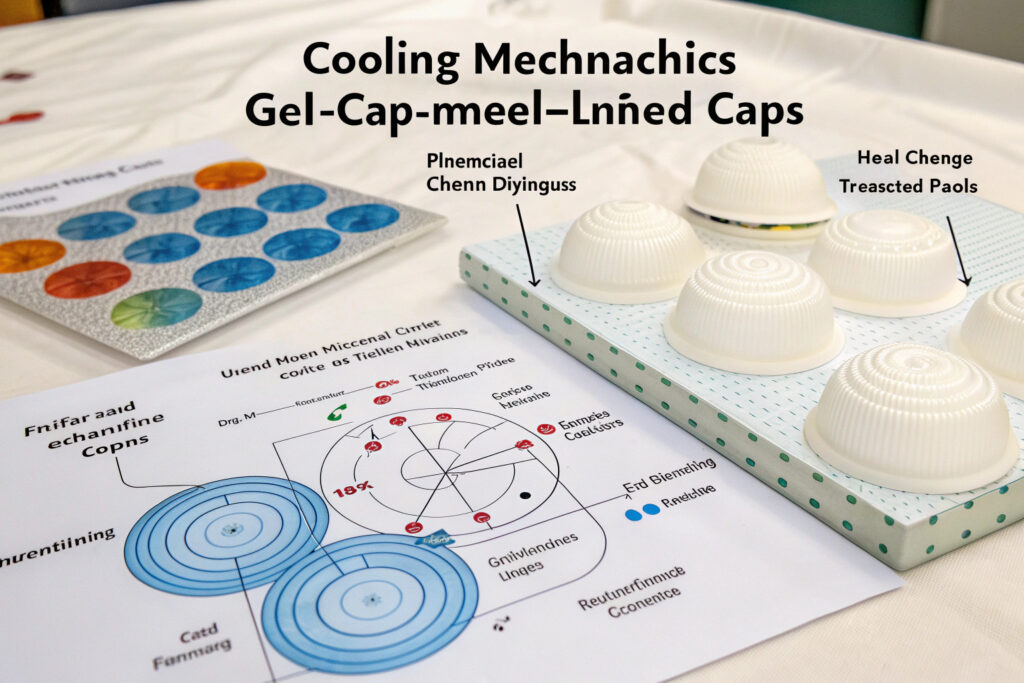
Cooling gel-lined caps operate on established thermodynamic principles adapted for personal cooling applications. The technology combines multiple cooling mechanisms to create sustained temperature reduction in extreme heat conditions. Understanding these scientific foundations helps users maximize the technology's benefits.
The effectiveness of cooling caps stems from their multi-mechanism approach to heat management. Unlike traditional caps that merely provide shade, cooling caps actively remove heat through phase-change materials, evaporative cooling, and thermal barrier technologies working in concert.
How Do Phase-Change Materials Work?
The integrated cooling gels utilize phase-change materials (PCMs) that absorb significant heat energy during their solid-to-liquid transition. These materials typically activate at skin-comfortable temperatures around 58-68°F (14-20°C), creating a buffer against temperature spikes. The high latent heat capacity enables absorption of substantial thermal energy without significant temperature increase. Most cooling gels can provide 2-4 hours of continuous cooling before requiring reactivation through rehydration or cooling. The non-toxic hydrogel composition ensures safety even with prolonged skin contact during strenuous activities.
What Role Does Evaporative Cooling Play?
The caps enhance natural evaporative cooling through moisture-wicking liners that distribute water evenly across the cooling surface. As the water evaporates, it absorbs 2257 kJ/kg of latent heat from the scalp and forehead, creating significant cooling effect. Strategic ventilation channels maximize airflow while maintaining sun protection, accelerating the evaporation process. The combination of hygroscopic materials and air circulation creates a self-regulating cooling system that responds to individual body heat and activity levels. This integrated approach prevents both overheating and excessive cooling that could cause discomfort.
How Do Cooling Caps Enhance Desert Event Safety?
Desert conditions pose specific health risks that standard head protection cannot adequately address. Cooling gel-lined caps provide targeted protection against the most common heat-related illnesses encountered at desert events. The temperature regulation they offer can literally be life-saving in extreme conditions.
The safety benefits extend beyond simple comfort to address documented medical risks associated with desert heat exposure. By maintaining safer head temperatures, these caps help prevent the cascade of physiological events that lead to serious heat illness.
What Heat Illness Risks Do They Mitigate?
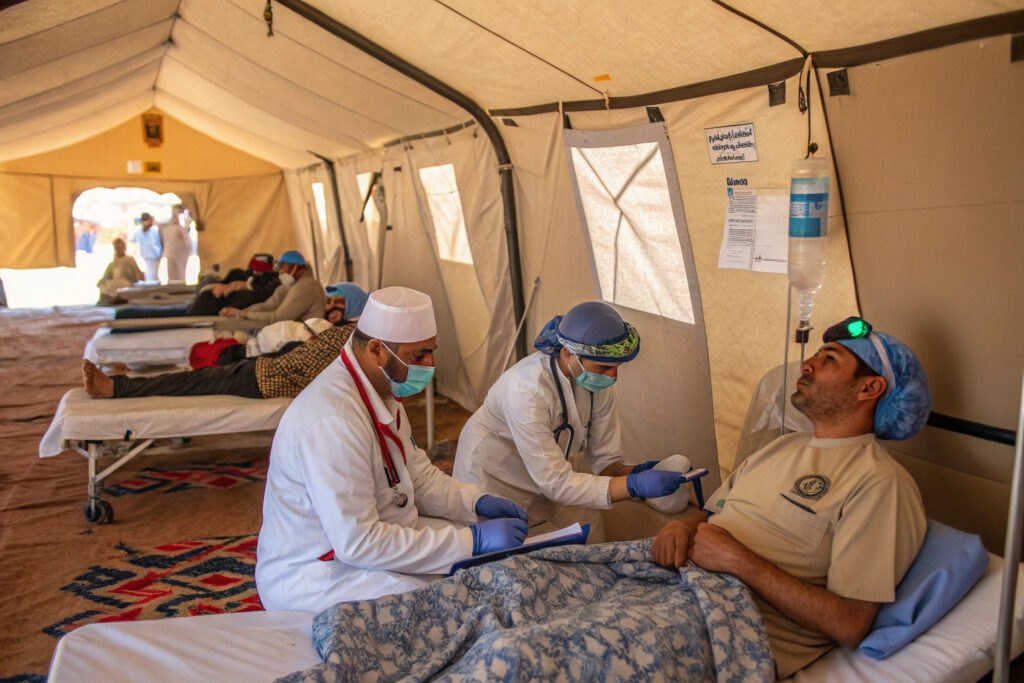
Cooling caps significantly reduce the risk of heat exhaustion by preventing the core temperature elevation that triggers this condition. The targeted forehead cooling helps maintain cerebral temperature regulation, reducing the risk of heat-induced cognitive impairment. By preventing excessive sweating and electrolyte loss, the caps help maintain hydration balance crucial in low-humidity desert environments. The consistent cooling effect breaks the heat stress cycle that can lead to progressively worsening conditions during prolonged exposure. Event medical teams report reduced treatment cases when participants use proper cooling protection.
How Do They Support Hydration Management?
The reduced sweating rate enabled by active cooling helps preserve electrolyte balance critical for physical and cognitive function. Participants experience reduced thirst perception because they're losing less fluid through excessive sweating. The caps create a microclimate effect that reduces overall water consumption needs by 15-25% during extended events. Medical monitoring at desert events shows improved hydration status markers among cooling cap users compared to traditional headwear wearers. This efficient hydration management is particularly valuable where water access may be limited.
What Performance Benefits Do Participants Experience?
Beyond basic safety considerations, cooling gel-lined caps provide significant performance advantages that enhance the desert event experience. The physiological benefits translate into improved endurance, better decision-making, and increased enjoyment of desert activities.
The performance improvements stem from both physiological mechanisms and psychological factors. Participants who remain cooler can maintain higher activity levels while experiencing less discomfort and fatigue.
How Does Cognitive Function Improve?
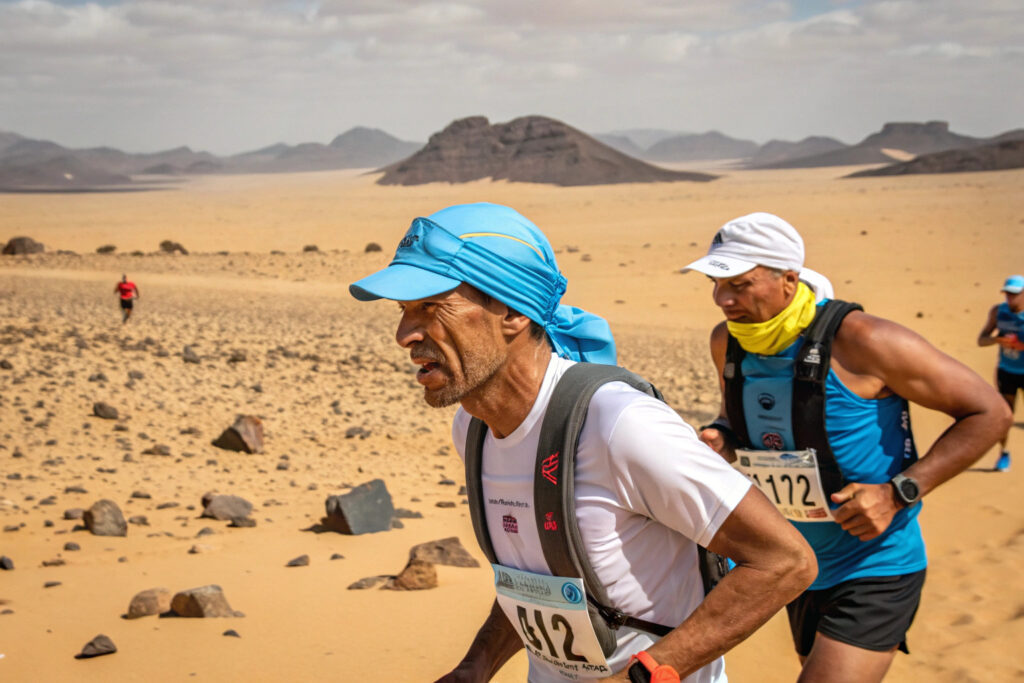
Maintaining optimal head temperature preserves cognitive performance in areas including reaction time, decision accuracy, and situational awareness. Studies show that 2°C reduction in head temperature can improve complex decision-making by 15-20% in hot environments. Participants demonstrate better risk assessment capabilities and judgment when using active cooling systems during extended heat exposure. The reduction in thermal discomfort allows better focus and concentration on event activities rather than heat management. These cognitive benefits are particularly valuable for events requiring strategic thinking or complex coordination.
What Physical Performance Advantages Exist?
Cooling caps enable participants to maintain higher sustainable work rates by reducing cardiovascular strain and perceived exertion. The technology helps preserve muscle function by preventing the core temperature elevation that impairs neuromuscular coordination. Users experience reduced fatigue accumulation during multi-hour events, maintaining performance levels longer than unprotected participants. The psychological benefit of feeling cooler creates a positive performance perception that enhances effort sustainability. Event timing data often shows performance improvements of 5-15% among cooling cap users in desert conditions.
How to Select the Right Cooling Cap for Specific Events?
Not all cooling caps perform equally across different desert event types. The optimal choice depends on event duration, activity intensity, available reactivation resources, and specific environmental conditions. Understanding these variables ensures selection of the most appropriate cooling technology.
Different cooling mechanisms and cap designs excel in specific scenarios. Matching the cap characteristics to event requirements maximizes both comfort benefits and practical utility throughout the event experience.
What Features Matter for Different Event Types?
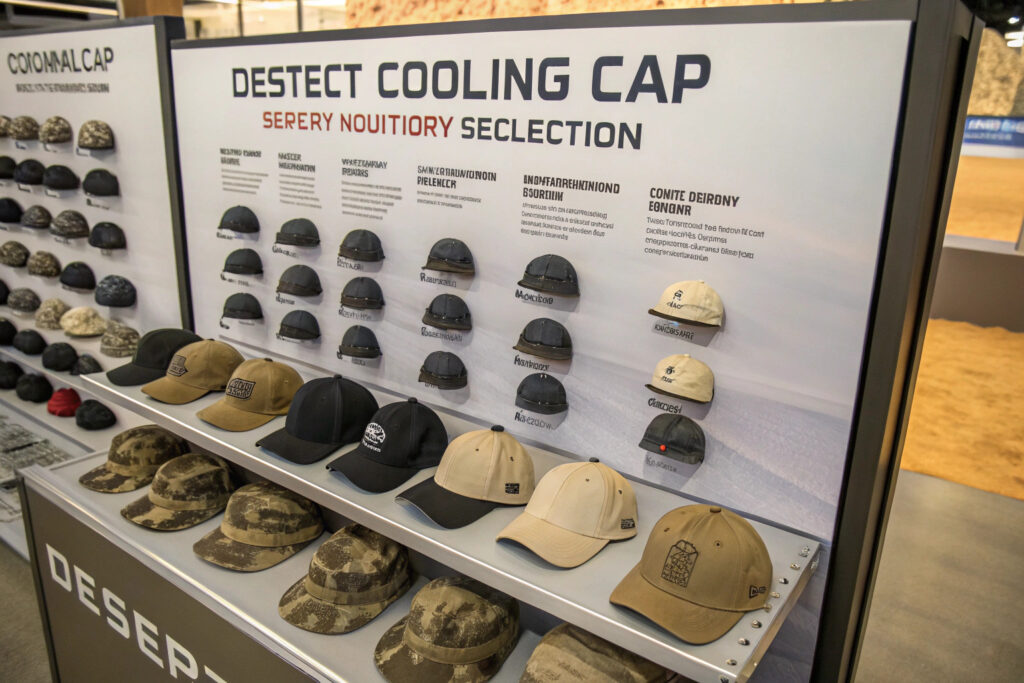
For endurance events lasting 4+ hours, extended-duration PCMs that provide 3-4 hours of cooling per activation are essential. High-intensity activities require caps with superior moisture management to handle increased perspiration rates. Events with limited water access benefit from low-water reactivation systems that maximize cooling per water volume. Dusty environments demand caps with integrated particle filtration in ventilation systems to prevent clogging. Understanding these application-specific requirements ensures optimal performance matching.
How Does Reactivation Method Influence Choice?
Caps using water-activated cooling work well where water stations are plentiful but may prove impractical in water-scarce environments. Reusable ice-packet systems offer convenience but require freezer access for packet reactivation. Phase-change materials that activate at specific temperatures provide consistent performance but may have limited duration. The most versatile caps offer multiple reactivation options accommodating different event logistics. Evaluating the practical logistics of cooling system maintenance during your specific event prevents operational challenges.
Conclusion
Cooling gel-lined caps represent a significant advancement in personal thermal management for desert events, combining proven scientific principles with practical design features. The multi-mechanism approach to cooling provides substantial benefits for participant safety, cognitive function, and physical performance that traditional headwear cannot match. As desert events continue to grow in popularity, proper heat protection becomes increasingly essential for both participant wellbeing and event success.
The investment in quality cooling caps pays dividends through enhanced safety, improved participant experiences, and reduced medical incidents. Event organizers should consider cooling cap requirements as part of their comprehensive heat safety protocols. For those planning desert events, incorporating cooling cap technology represents a responsible approach to participant protection that aligns with modern event safety standards.