
If you're sourcing winter gear, you've likely noticed the surging demand for battery-heated beanies, especially from the Canadian market. For a U.S. buyer, this trend presents a crucial question: is this a fleeting fad or a sustainable market shift to invest in? As a manufacturer rooted in China's textile hub, I see this as the natural evolution of functionality meeting extreme need. Canadian consumers, facing harsh and prolonged winters, are moving beyond basic insulation to demand active, reliable, and comfortable warmth that adapts to their lifestyle—whether for work, sports, or daily life.
Battery-heated beanies are dominating in Canada because they directly solve core problems presented by the country's severe climate. They provide on-demand, consistent warmth superior to passive insulation, cater to a wide range of applications from outdoor work to recreation, and benefit from continuous advancements in safe, lightweight heating technology and battery life. This aligns perfectly with a broader, growing global market for heated apparel, which is projected to expand significantly in the coming years.
Let's explore the specific drivers behind this trend. Understanding the "why" will help you make informed decisions about stocking, branding, or even customizing these products for your own customers.
What's Driving the High Demand for Heated Beanies in Canada?
The demand isn't accidental. It's a calculated response to environmental and social factors unique to Canada. Think beyond just "it's cold." The real drivers are the duration of the cold, the economic cost of enduring it, and a cultural shift towards solutions-based apparel. Canadians spend months each year in sub-zero temperatures, impacting everything from daily commutes to job site productivity and leisure activities. The traditional solution—bulky layers—restricts movement and is often insufficient. Heated beanies offer a targeted, efficient alternative, delivering focused warmth to the head, which is critical for overall body heat retention.
This demand is quantified by strong market growth. The global heated apparel market, where these beanies are a key category, is on a steady rise. While specific figures for beanies alone are not broken out, the overall sector for battery-powered heated clothing is projected to grow from an estimated $3.455 billion in 2025 to over $6.5 billion by 2033. North America, with Canada as a major contributor due to its climate, is a dominant region in this market. For a buyer, this signals a product category with long-term viability, not a short-term trend.
How does the Canadian climate create a perfect market for heated headwear?
Canada's geography dictates its demand. With vast regions experiencing long, severe winters, cold is not an occasional nuisance but a constant factor of life. This creates a broad consumer base that spans demographics. From professionals working in outdoor construction—a key application area for heated clothing—to seniors running errands, the need for reliable warmth is universal. The popularity of winter sports like skiing and snowboarding further amplifies this demand. Unlike standard beanies that only trap existing heat, battery-heated versions actively generate warmth, making them effective even during low-activity periods like waiting for transit, which is a common reality in Canadian cities.
Are heated beanies transitioning from specialty gear to everyday essentials?
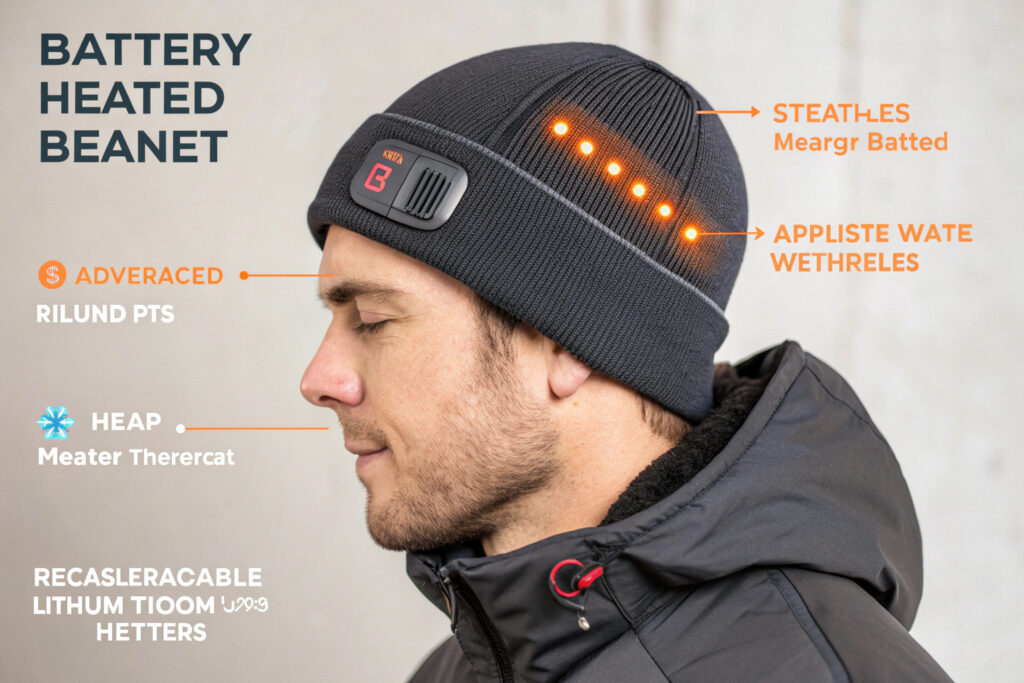
Absolutely. The market trend shows a clear shift. Initially, heated apparel was seen as niche gear for extreme sports or specific trades. Now, the focus is on "comfort, aesthetics, and smart features" to drive wider consumer adoption for everyday wear. Modern heated beanies are being designed to look like fashionable, normal hats, with discreet wiring and USB-rechargeable batteries. This design evolution, moving away from a bulky, technical appearance, is crucial for mainstream acceptance. When a product solves a common problem (bitter cold) without forcing a compromise on style, it transitions from an optional tool to an essential item. This is the transition currently happening in the Canadian market.
Who Are the Primary Users of Battery-Heated Beanies in Canada?
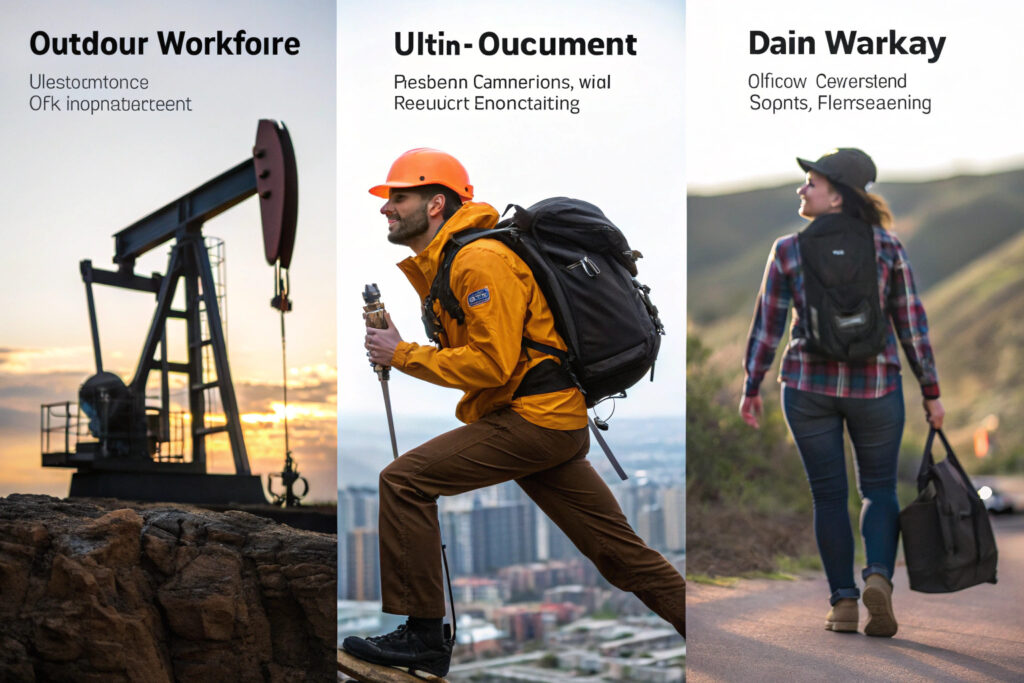
Understanding the user profiles is key to effective sourcing and marketing. The market isn't monolithic; it's segmented by need, and each segment has different priorities for features, price, and durability. Primarily, users fall into three overlapping circles: the Outdoor Workforce, the Recreation & Sports Enthusiasts, and the Urban Everyday Consumers. A worker on a wind-swept oil rig needs maximum durability and heat output, while a city dweller might prioritize sleek design and moderate warmth for the walk to work. The versatility of the product is one of its greatest strengths.
Notably, the outdoor construction sector is repeatedly highlighted as a major application area for battery-powered heated clothing. For these users, warmth is not just about comfort but directly related to safety, productivity, and the ability to work longer in regulated conditions. A beanie that fits under a hard hat is an incredibly valuable piece of personal protective equipment (PPE) in this context. Beyond this, the outdoor sports segment continues to be a strong driver, with participants in activities like skiing, ice fishing, and snowmobiling seeking to extend their time outdoors in comfort.
Why are outdoor workers a critical and growing user segment?
For tradespeople—think construction, utility, logistics, and forestry workers—the beanie is a productivity tool. Cold impairs dexterity, focus, and morale. The market reports explicitly link heated clothing to the outdoor construction field. These users require products built to industrial standards: rugged fabrics, reinforced wiring, moisture resistance, and batteries that last a full shift. They are less price-sensitive if the product performance and reliability are proven, as downtime is more costly than the gear itself. Sourcing beanies for this segment means prioritizing partnerships with manufacturers who understand quality control and durable construction.
How are lifestyle and recreational users shaping product design?
This group is driving the innovation in aesthetics and smart features. Recreational users want warmth that integrates seamlessly into an active, stylish lifestyle. This has led to the development of beanies with app-controlled temperature settings, zone heating, and lightweight, flexible heating elements like carbon fiber. They value features like washability, quick-charge batteries, and a low-profile look. The success of Canadian-born projects like the FuelWear heated base layer, born from a desire to improve winter sports comfort, exemplifies this market-driven innovation. For buyers, this means the product range must include both high-performance and fashion-forward options to capture the full market breadth.
What Makes a High-Quality, Competitive Heated Beanie?
For a buyer, navigating this product category requires a sharp eye for quality. A poorly made heated beanie isn't just a product failure; it's a potential safety hazard and a brand liability. The core components that separate a market leader from a cheap import are the heating element technology, the battery system, the fabric and construction integrity, and the overarching safety certifications. Competition is fierce, with major tool brands like Milwaukee, DeWalt, and Makita already in the heated apparel space, signaling its professional-grade potential.
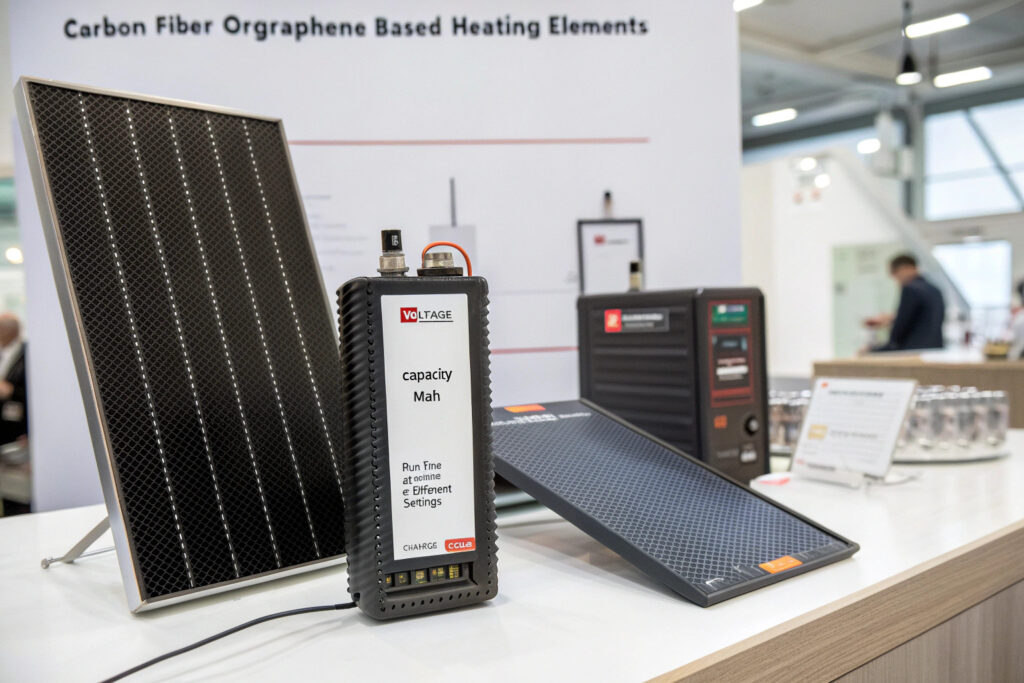
The technology is rapidly advancing. Leading products now use carbon fiber or graphene-based heating elements because they are thin, flexible, durable, and distribute heat evenly. The battery is the heart of the system; look for products using high-density lithium-ion cells with clear specifications on voltage, capacity (mAh), heat runtime at different settings, and charge cycles. Market trends indicate that improvements in battery technology—making them smaller, lighter, and longer-lasting—are crucial for consumer adoption. Furthermore, integration with smart technology for temperature control is becoming a key differentiator and value-add.
What are the non-negotiable safety features to require from a supplier?
Safety is paramount. You must insist on suppliers who can provide documentation for:
- Circuit Protection: Overheat protection, short-circuit prevention, and voltage regulation are mandatory.
- Battery Certification: Batteries should have relevant international certifications (e.g., UN/DOT 38.3, CE, RoHS).
- Water Resistance Standards: While not all need to be submersible, a clear IP rating for sweat and light moisture resistance is important.
- Washability: Clear instructions on how to remove the battery pack and wash the textile portion. The electronics must be completely sealed.
- Material Safety: Fabrics and heating elements should be tested for harmful substances. As a manufacturer with a CNAS-accredited lab, we at Shanghaifumaoclothing test for these exact parameters, ensuring every shipped product meets rigorous safety and performance standards before it reaches your customers.
How do you balance cost, quality, and features for a competitive product?
The market faces a key restraint: the high initial product cost. Your sourcing strategy should define the target tier. Budget-tier beanies will use simpler on/off controls and fewer heat zones. Mid-tier products compete on better batteries, more even heat distribution, and improved fabrics. Premium-tier products offer smart app control, premium natural material blends (like merino wool), and advanced safety systems. The goal is not to find the cheapest, but to find the best value—a product whose quality and feature set justify its price point for your specific end-user, whether they are a cost-conscious consumer or a professional buyer. Offering a clear range allows you to capture multiple segments of this growing Canadian demand.
Is Extreme Cold the Primary Driver of Heated Beanie Popularity?
Legendary for unforgiving cold, winters in the region often see temperatures plummeting to -30°C or lower. Staying warm isn’t just a comfort here—it’s a necessity for daily life, whether commuting to work, shoveling snow, or enjoying outdoor activities like skiing, snowboarding, or ice fishing. Traditional beanies rely on insulation alone, which can struggle to retain heat in such brutal conditions, leaving ears and scalps vulnerable to frostbite and discomfort.
Do Outdoor Enthusiasts and Workers Drive the Highest Demand for Heated Beanies?
Outdoor enthusiasts and professionals form two of the largest consumer segments fueling the heated beanie boom. Winter sports are a cornerstone of local culture, with millions hitting ski resorts each year. These athletes and hobbyists need gear that can withstand hours of exposure to freezing temperatures and wind, and heated beanies have become a must-have accessory.
How Do Technological Advancements Make Heated Beanies Irresistible to Local Consumers?
Technological innovations have transformed battery-heated beanies from a niche product to a mainstream must-have, addressing past pain points and adding features that resonate with local shoppers. Early models were bulky, heavy, and had short battery lives, but modern designs prioritize portability and comfort.
Conclusion
The dominance of battery-heated beanies in Canada is a clear case of innovative product meeting acute, widespread market need. Driven by a harsh climate, the demand spans from essential outdoor work to everyday comfort and recreation, supported by continuous improvements in safe, user-friendly technology. For forward-thinking buyers and brands, this represents a stable and growing product category with multiple avenues for differentiation.
Success in this market hinges on partnering with a manufacturer that understands both the technical complexities of integrated heating systems and the practical demands of the end-user. It requires a partner committed to rigorous safety testing, supply chain reliability for key components like batteries, and the agility to develop products that balance performance, durability, and style.
If you are looking to develop or source a competitive line of battery-heated beanies—or any innovative headwear—with a focus on quality, safety, and market-ready design, we should talk. Contact our Business Director Elaine at elaine@fumaoclothing.com to discuss how we can leverage our expertise in material sourcing, technical development, and quality assurance to bring your heated beanie concepts to life.