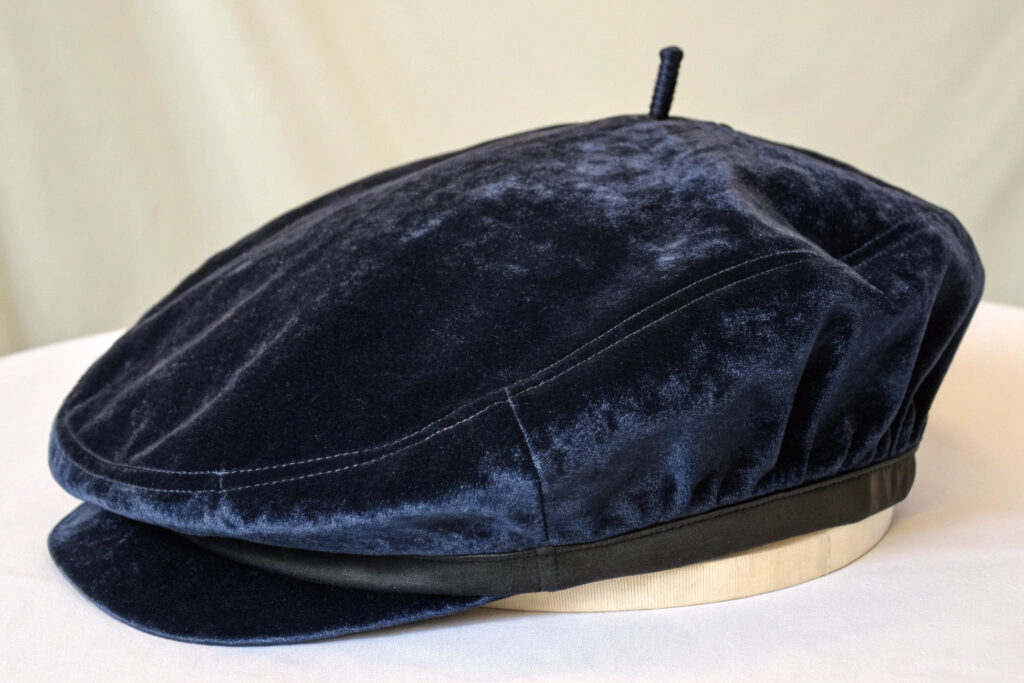
If you're looking for a velvet beret that complements your style without harming your hair, you're asking the right question. Traditional velvet, a synthetic fiber known for generating static electricity, can create friction against hair strands. This friction can lift and roughen the hair's protective outer layer (the cuticle), leading to a frizzy, unmanageable look and increasing the risk of breakage over time. For those with delicate, curly, or chemically treated hair, this is a particular concern.
The core challenge lies in finding berets made from velvet variants or treated with anti-static properties. While standard fashion retailers rarely prioritize this technical feature, sourcing them is possible by targeting specific types of suppliers and knowing what material details to look for.
What Material Properties Make a Beret "Hair-Healthy"?
A hair-healthy beret minimizes friction, allows for breathability, and avoids excessive tightness. The primary goal is to protect the hair's natural structure.
From a dermatological perspective, healthy hair depends on an intact cuticle and a thin, protective lipid layer (18-MEA) that minimizes static electricity. Materials that generate static directly work against this, roughing up the cuticle and making hair prone to breakage. Therefore, the ideal beret material either inherently lacks strong static charge or has been treated to dissipate it.
Why Is Friction and Static Control More Than Just a Nuisance?
Static electricity isn't just about annoying flyaways. It's a sign of physical friction that damages the hair. When the hair's cuticle is lifted repeatedly, it loses moisture, becomes dull, and the inner shaft is exposed and weakened. This is especially critical for those who regularly wear hats or have hair that is already fragile from coloring, heat styling, or natural dryness. Choosing a beret that reduces this friction is a proactive step in a broader hair health strategy, much like using a satin-lined cap for sleep.
How Does Breathability and Fit Play a Role in Scalp Health?
Beyond static, the hat's environment matters. While wearing a beret doesn't directly cause hair loss, consistently wearing a tight, non-breathable hat can create a warm, humid microenvironment on the scalp. This can potentially exacerbate conditions like seborrheic dermatitis or disrupt the healthy scalp ecosystem. A hair-healthy beret should fit comfortably without constriction and be made from or lined with a breathable material to allow for air circulation.
Where to Source Anti-Static Velvet Berets: A Targeted Approach
You won't typically find "anti-static velvet berets" on mainstream fast-fashion shelves. Sourcing them requires a targeted approach focusing on niche retailers, custom makers, and specific material keywords.
Your search should prioritize two channels: specialized hat retailers with a focus on natural materials and custom milliners or Etsy artisans. Many high-end or niche hat makers use superior materials like cotton velvets, silk blends, or velvets made from natural fibers which are less prone to static than standard polyester velvet. Directly contacting these sellers to ask about anti-static properties or custom lining requests is key.
Which Online Retailers and Search Terms Yield the Best Results?
When searching online, generic terms like "velvet beret" will flood you with standard options. You need to use more precise vocabulary:
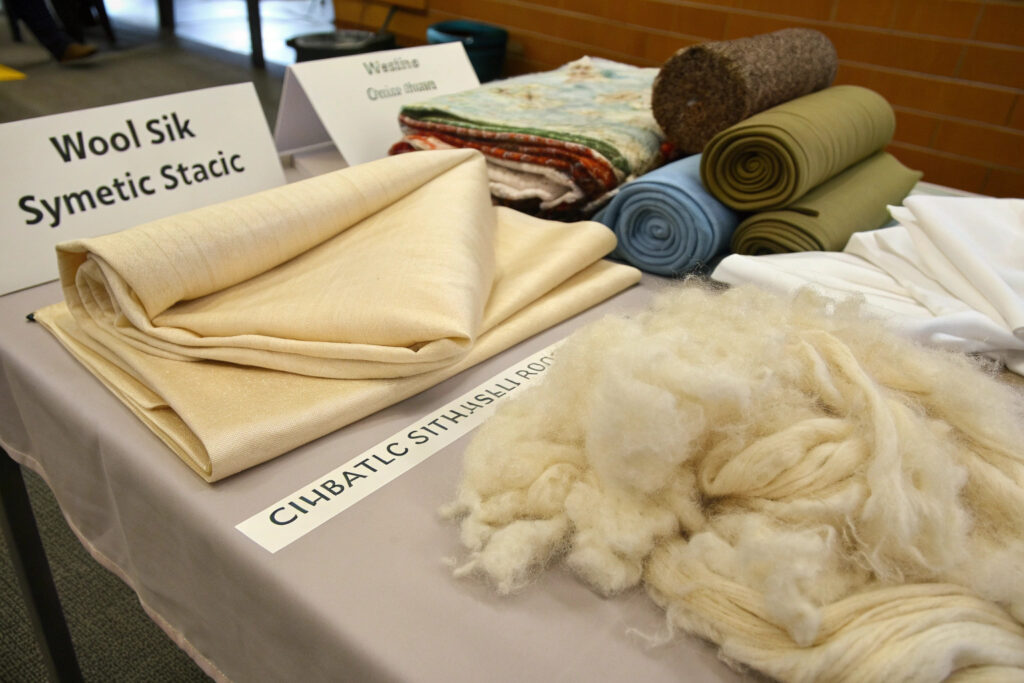
- Material-Focused Terms: Search for "cotton velvet beret," "silk velvet beret," or "natural fiber beret." These materials are inherently less static-prone.
- Feature-Focused Terms: Try "static-free beret," "anti-static hat lining," or "satin-lined beret." While satin isn't velvet, some artisans may line velvet berets with anti-static satin.
- Retailer Focus: Explore platforms like Etsy (filtering for "handmade” and contacting sellers), Wolf & Badger (which curates independent designers), or the online stores of millinery suppliers (who sometimes sell pre-made components or finished goods).
What Questions Should You Ask a Supplier or Artisan?
To ensure you're getting a truly hair-friendly product, engage with the seller. Ask these specific questions:
"What is the exact fiber composition of the velvet? Is it a natural blend?"
"Do you treat the material with any anti-static finishes?"
"Is an option available to line the beret with satin, silk, or a cotton sateen?" (These linings drastically reduce friction).
"Can the inner headband be made from a soft, absorbent material like cotton to improve comfort and breathability?"
How to Enhance Any Beret for Better Hair Health
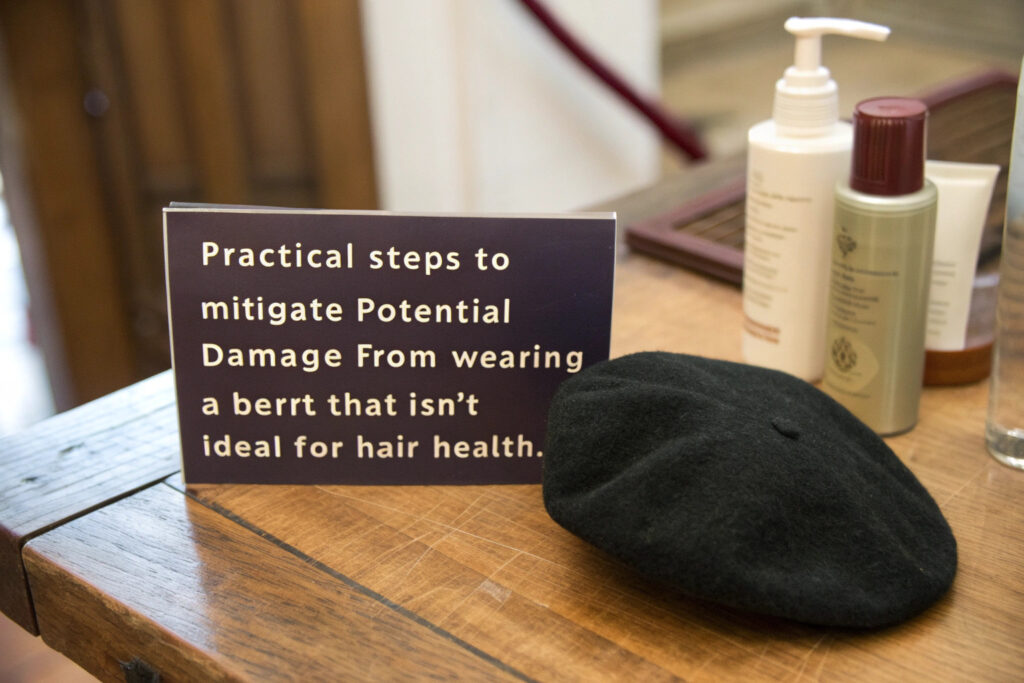
If you fall in love with a beret that isn't ideally designed for hair health, you can take several practical steps to mitigate potential damage.
The most effective action is to add a protective barrier between your hair and the beret. Wearing a simple, thin silk or satin scarf or an invisible satin liner cap underneath your beret completely eliminates friction from the velvet. This is a widely recommended protective styling technique.
Can You Make a Standard Velvet Beret Less Static-Prone?
Yes, you can treat the beret itself to reduce static:
- Fabric Spray: Lightly spray the inside with a commercial anti-static fabric spray designed for clothing. Always do a spot test first on an inconspicuous area.
- DIY Solutions: Lightly mist the inside with a mix of water and a drop of hair conditioner or fabric softener (use sparingly and test for stains).
- Hair Preparation: Apply a leave-in conditioner or a light hair oil to your own hair before donning the beret. This helps smooth the cuticle and reduces its tendency to generate static.
What Are the Best Practices for Wearing and Caring for Your Beret?
How you wear and care for the beret extends its life and protects your hair:
- Avoid Tightness: Ensure the beret is not squeezing your head. It should stay in place without a tight band.
- Limit Continuous Wear: Take the beret off periodically to let your scalp breathe.
- Keep it Clean: Regularly clean the beret according to its care label. Oil and product buildup on the inner lining can transfer back to your hair and scalp. A clean hat is a healthier hat.
Conclusion
Finding a static-free velvet beret requires moving beyond standard retail and focusing on material science and specialized suppliers. The key is to seek out berets made from natural fiber velvets (like cotton or silk), those treated with anti-static finishes, or custom pieces that can be lined with a protective satin or silk. Remember, the goal is to minimize friction against the hair's delicate cuticle to maintain shine, prevent breakage, and support overall hair health.
By applying this targeted sourcing strategy and using protective barriers like satin liners, you can confidently wear your favorite velvet beret as part of a style that truly cares for your hair. F If you are looking to develop a line of hair-healthy, specialty headwear with guaranteed material quality, we have the expertise to bring your vision to life. Contact our Business Director Elaine at elaine@fumaoclothing.com to start a conversation about building your specialized collection.