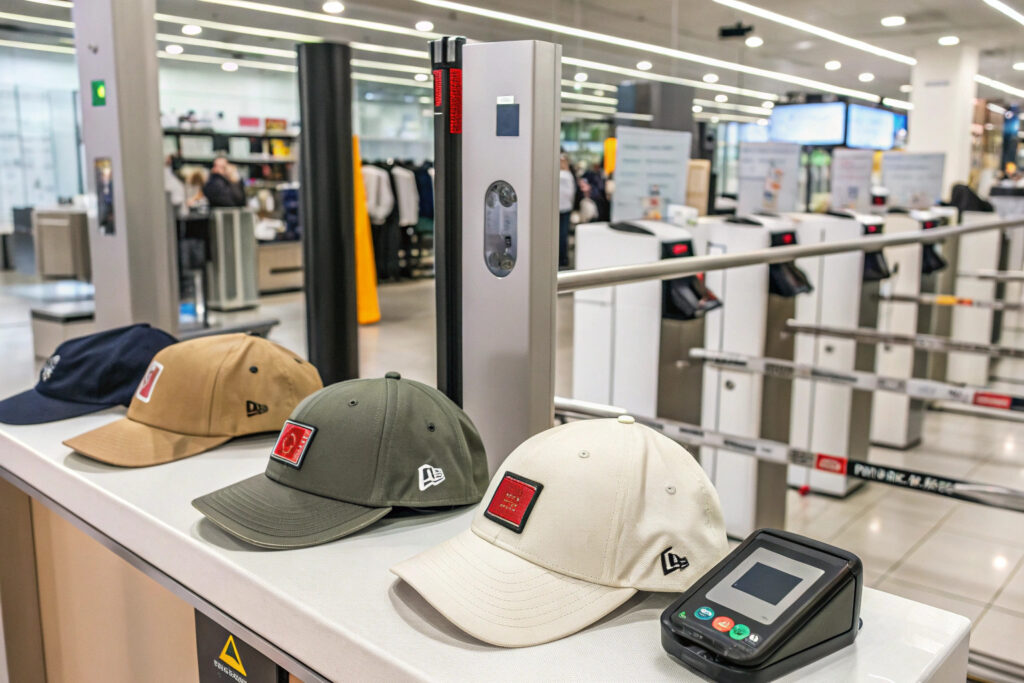
Retailers and hat brands face increasing challenges with inventory shrinkage and theft in today's retail environment. RFID-theft proof hat tags offer a sophisticated solution that combines inventory management with anti-theft protection. These specialized tags help prevent losses while providing valuable data analytics, making them essential for modern retail operations.
RFID-theft proof hat tags are specialized security devices that use radio frequency identification technology to track inventory and prevent theft. They combine EAS (Electronic Article Surveillance) functionality with RFID tracking capabilities, providing dual protection for your hat inventory. These tags are specifically designed for hat materials and can be integrated seamlessly into various hat styles without damaging the product.
Finding reliable suppliers requires understanding the technology, verification methods, and industry standards. This guide will help you navigate the supplier landscape and identify partners who can provide effective, reliable RFID-theft proof solutions for your hat products.
What Are RFID-Theft Proof Hat Tags?
Understanding the technology behind RFID-theft proof tags is crucial for selecting the right supplier. These tags serve dual purposes: they provide electronic article surveillance to prevent theft and enable efficient inventory management through RFID tracking. The technology has evolved significantly to offer better security and more reliable performance.
RFID-theft proof hat tags combine anti-theft technology with inventory management capabilities. They typically include both EAS components for security and RFID chips for tracking and data collection. This dual functionality makes them valuable tools for loss prevention and inventory optimization in retail environments.
How Do RFID Security Tags Work?
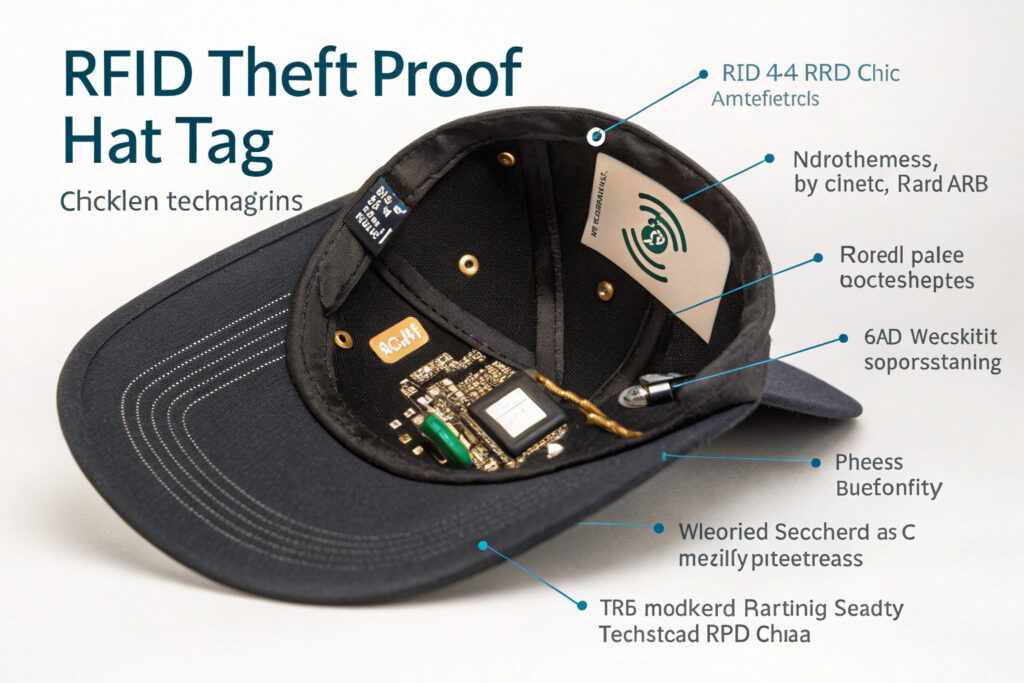
RFID security tags operate using radio frequency identification technology that communicates with store security systems. The tags contain tiny chips and antennas that respond to specific frequencies from security gates and handheld readers. When activated, these tags trigger alarms if someone attempts to remove unpaid merchandise from the store. The electronic article surveillance component works in conjunction with RFID technology to provide comprehensive protection. Modern systems use advanced encryption to prevent tag deactivation or cloning, ensuring reliable security performance.
What Types of RFID Tags Work Best for Hats?
Different hat materials and styles require specific tag types to ensure both security and preservation of product quality. Hard tags with pin attachments work well for structured hats like baseball caps and fedoras, while soft RFID labels are better for delicate materials and knit caps. Source tagging solutions that integrate tags during manufacturing provide the most seamless security integration. The choice depends on factors like hat material composition, retail environment, and inventory management needs.
How to Verify Supplier Reliability?
Selecting a reliable supplier requires thorough verification of their technical capabilities, product quality, and industry experience. The right supplier should understand both RFID technology and the specific requirements of the headwear industry. Due diligence in supplier selection prevents future problems with product performance and support.
Reliable suppliers demonstrate proven experience in RFID security solutions and understand retail operational requirements. They provide comprehensive technical support, quality assurance, and responsive customer service. Verification should include checking certifications, reviewing case studies, and testing product samples.

What Certifications Should RFID Suppliers Have?
Reputable RFID suppliers should hold relevant industry certifications that validate their product quality and manufacturing standards. ISO 9001 certification ensures consistent quality management systems, while ISO 14001 demonstrates environmental responsibility. For specific markets, FCC certification confirms radio frequency compliance, and CE marking indicates meeting European safety standards. Suppliers should also provide performance test reports from independent laboratories verifying their tag effectiveness and reliability.
How to Evaluate Supplier Technical Support?
Quality technical support is essential for successful RFID implementation and ongoing operation. Evaluate suppliers based on their implementation assistance, including site surveys and system configuration support. Check their training programs for staff education on system operation and troubleshooting. Assess their maintenance services response times and availability of spare parts. Many quality suppliers offer remote monitoring capabilities that allow proactive system maintenance and quick issue resolution.
What Technical Specifications Matter Most?
Understanding technical specifications ensures you select tags that work effectively in your specific retail environment. The right technical features depend on your store layout, inventory management needs, and security requirements. Proper specification matching prevents performance issues and ensures optimal system effectiveness.
Key technical considerations include frequency compatibility, read range, and integration capabilities. The specifications should align with your existing systems and operational processes. Understanding these technical aspects helps in selecting the most appropriate solution for your hat retail business.

What Frequency Ranges Are Most Effective?
Different frequency ranges offer distinct advantages for various retail applications. UHF RFID systems typically operate at 860-960 MHz and provide longer read ranges suitable for inventory management. HF systems at 13.56 MHz offer better performance near liquids and metals, making them suitable for certain retail environments. The choice depends on factors like store layout, inventory tracking needs, and existing infrastructure compatibility. Many modern systems support multiple frequencies to accommodate different operational requirements within the same retail space.
How Important Is Read Range and Accuracy?
Read range and accuracy directly impact system effectiveness and operational efficiency. Longer read ranges enable faster inventory counts but require careful system design to prevent false reads. High read accuracy rates of 99% or better are essential for reliable inventory management and theft prevention. Environmental factors like metal interference and liquid presence can affect performance and should be considered during system planning. Professional suppliers conduct site-specific testing to optimize antenna placement and ensure reliable coverage throughout the retail space.
How to Ensure Proper Integration and Support?
Successful RFID implementation requires careful planning and ongoing support. The integration process should consider both technical requirements and operational workflows. Proper installation, staff training, and maintenance planning are essential for long-term system effectiveness.
Integration involves coordinating hardware installation, software configuration, and staff training. The process should minimize disruption to normal operations while ensuring all components work together seamlessly. Ongoing support maintains system performance and addresses any issues that arise during daily use.
What Installation Services Are Essential?
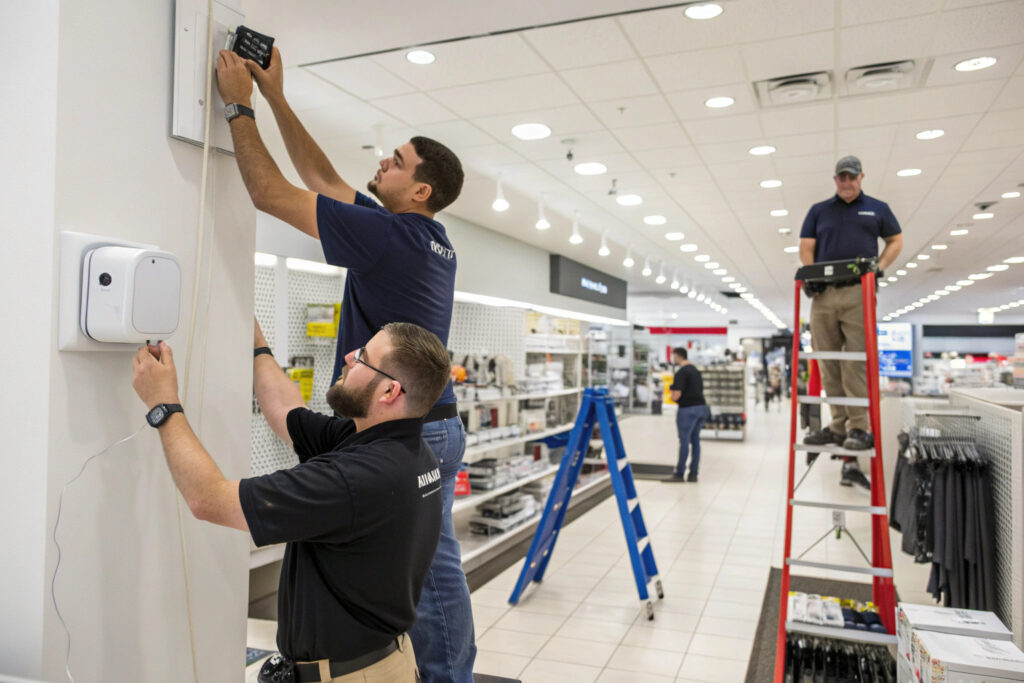
Professional installation services ensure proper system setup and optimal performance. Site survey and planning services assess specific store layouts and identify optimal equipment placement. Hardware installation should include antenna positioning, gateway setup, and system calibration. Software integration connects the RFID system with existing inventory and point-of-sale systems. Many suppliers offer post-installation optimization to fine-tune system performance based on actual usage patterns and store traffic flows.
What Training and Maintenance Support Is Needed?
Comprehensive training and maintenance programs ensure long-term system reliability and staff competence. Operator training should cover daily operations, basic troubleshooting, and system monitoring. Management training focuses on reporting, analytics interpretation, and system administration. Regular preventive maintenance services include system checks, software updates, and performance verification. Many suppliers offer service level agreements that guarantee response times and system availability for critical retail operations.
Conclusion
Finding reliable RFID-theft proof hat tag suppliers requires careful evaluation of technical capabilities, product quality, and support services. The right supplier should understand both security technology and retail operations, providing solutions that effectively protect your hat inventory while supporting efficient business processes. By focusing on verified suppliers with proven experience and comprehensive support, retailers can implement effective loss prevention systems that deliver long-term value.
Implementing the right RFID security system requires partnership with knowledgeable suppliers who can provide both quality products and reliable support. If you're looking to enhance your hat inventory security with RFID-theft proof tags, contact our team to discuss your specific requirements and schedule a demonstration of our proven security solutions.