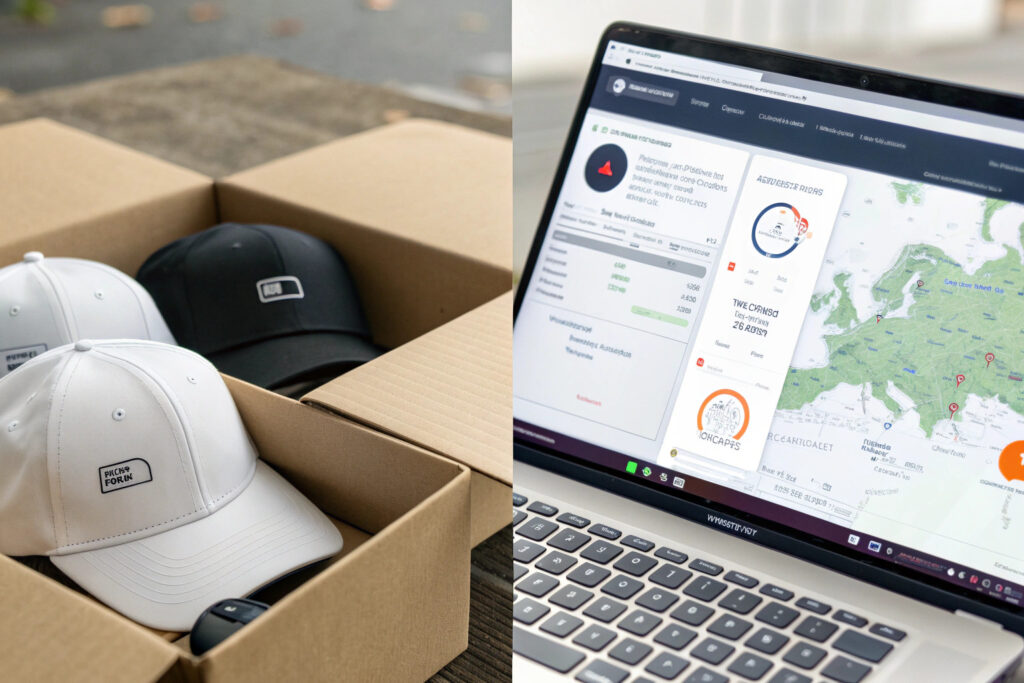
For anyone in the global hat trade, from large-scale buyers like Ron to boutique brand owners, a shipment lost in transit is more than an inconvenience—it's a direct hit to cash flow, customer trust, and operational rhythm. The black box between "shipped" and "delivered" is where anxiety builds. Real-time GPS tracking technology dissolves that uncertainty, transforming logistics from a reactive cost center into a proactive, strategic asset. This guide breaks down exactly where to find these tools and how to choose the right one for safeguarding your hat consignments.
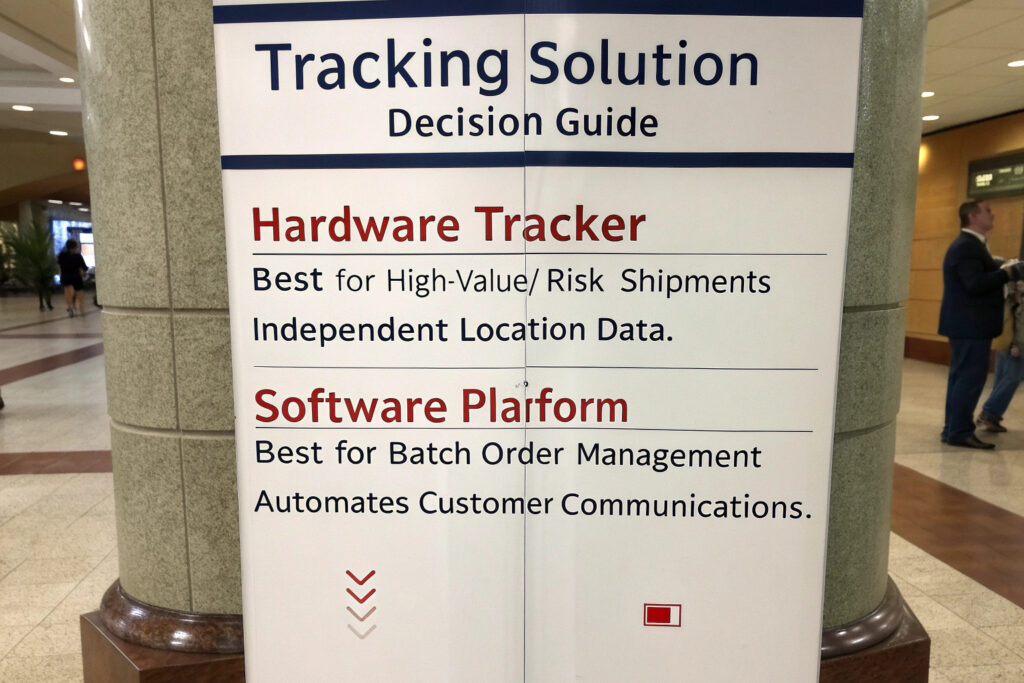
The core decision lies between active hardware trackers (physical devices that travel with your shipment) and software visibility platforms (digital services that aggregate data from carriers). Hardware gives you independent, detailed control for high-value or risky shipments. Software provides efficient, scaled oversight for all your orders by unifying carrier data. The best choice depends on what you're shipping, the level of detail you need, and your budget.
Hardware GPS Trackers: For Independent, Detailed Monitoring?
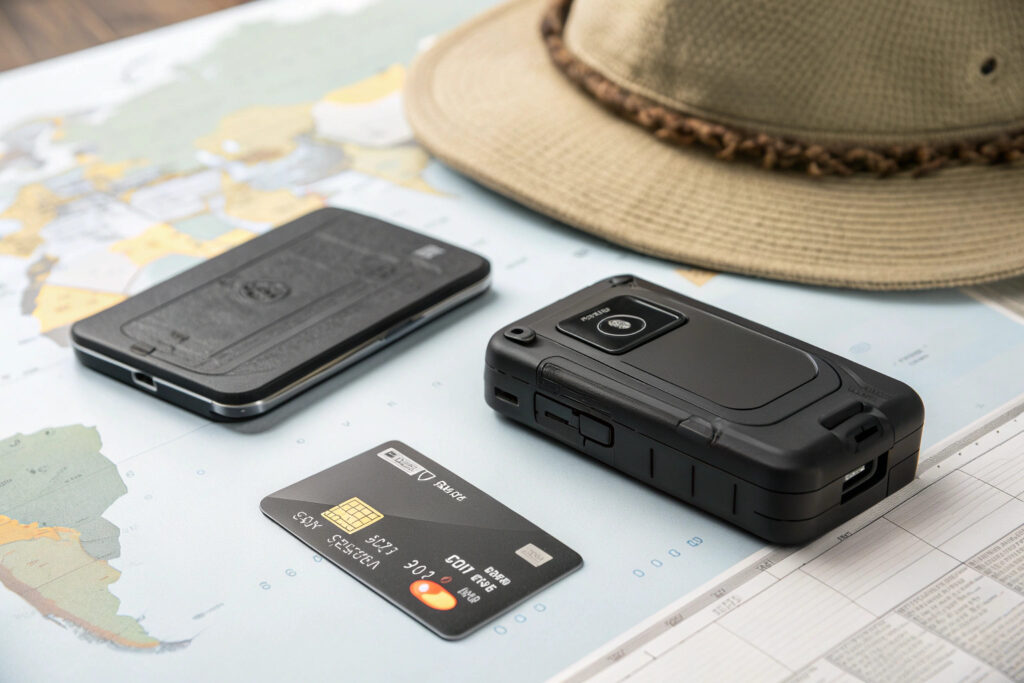
When you need to know the exact location of a specific, high-value shipment—like a batch of premium sample hats or a full container—a dedicated hardware tracker is your best solution. It provides a location feed independent of the shipping company.
Where to Source Reliable GPS Tracking Devices?
Finding a trustworthy supplier is the first critical step.
Your primary destination should be global B2B manufacturing platforms. Websites like Alibaba.com host hundreds of electronics manufacturers specializing in IoT and GPS tracking devices. Use specific search terms like "4G LTE GPS Tracker for Logistics," "Long Battery Life Asset Tracker," or "Waterproof GPS Tag." Prioritize suppliers with Verified status and proven export experience. Contact several to request product specifications and quotes.
For a vetted list of established manufacturers, review industry market research reports. Firms like QYResearch analyze the global tracker market and list key players such as Trackimo, Shenzhen Jimi IoT, and Teltonika. These companies often produce industrial-grade devices suitable for rigorous supply chain use and can be contacted directly for business inquiries.
What Technical Specs Are Crucial for Global Shipping?
Not all trackers are built for international logistics. These features are essential:
-
Global Network Support: The device must support modern, global cellular networks. Ensure it has 4G LTE Cat-M1/NB-IoT capability with multi-band frequency support for seamless connectivity from China to destinations like the US or EU. Avoid models that only work on outdated 2G/3G networks.
-
Multi-Mode Location Accuracy: Look for devices that combine GPS, LBS (Cell Tower Triangulation), and Wi-Fi Positioning. GPS works best outdoors, but LBS and Wi-Fi can provide location updates inside metal shipping containers, warehouses, or urban canyons where GPS signals fail.
-
Battery Life and Durability: For a typical ocean or air freight journey (15-40 days), the tracker must have a battery that can last the entire trip on a practical reporting interval (e.g., every 2-4 hours). Also, choose a device with a high Ingress Protection (IP) rating like IP67 for dust and water resistance, and ensure it has necessary certifications like CE, FCC, and RoHS for international shipment and use.
Software Tracking Platforms: For Unified, Efficient Oversight?
If you manage multiple orders simultaneously and need to track them efficiently, a software platform that pulls data from all your carriers into one dashboard is the optimal tool. It’s about scale and automation.
Which Platforms Aggregate Carrier Data Most Effectively?
These services solve the problem of juggling multiple tracking numbers across different websites.
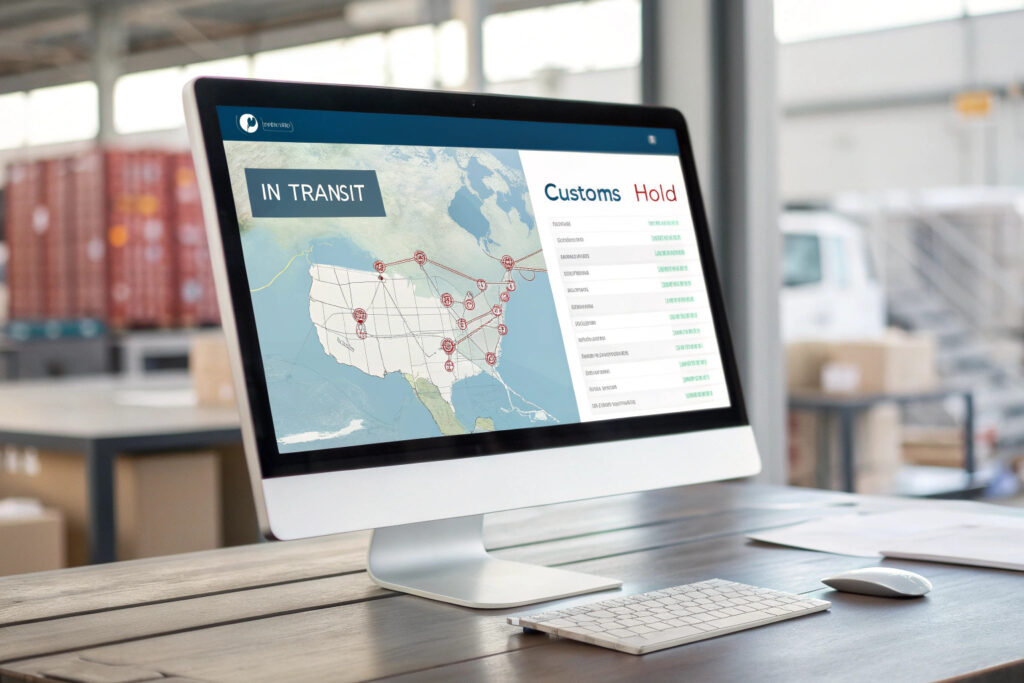
Leading dedicated tracking platforms like AfterShip or TrackingMore are designed for this exact purpose. They integrate with the APIs of hundreds of carriers worldwide—from global giants like DHL and UPS to regional postal services. Their value is in providing a single dashboard, generating automated tracking pages for your customers, and sending proactive delay alerts.
For businesses that primarily use a large global freight forwarder (like DSV, Kuehne+Nagel, or your partner's forwarder), inquire about their proprietary tracking portals. These often provide deeper, more customized visibility for your specific shipments, including customs status and milestone updates, as part of their service offering.
How Can These Platforms Streamline Your Operations?
The real power is in automating manual tasks and improving communication.
The primary benefit is workflow integration via API. By connecting a platform like AfterShip to your e-commerce store or order management system, tracking numbers and status updates flow automatically. This enables:
-
Automated Customer Updates: Tracking links and status changes can be automatically emailed or SMS-ed to your end customers, reducing "where is my order?" (WISMO) support tickets.
-
Proactive Exception Management: Set rules to be alerted if a shipment is stuck in customs for too long or misses its expected delivery date, allowing for early intervention.
-
Performance Analytics: Generate reports to identify which shipping lanes or carriers are most reliable and which have frequent delays, supporting data-driven decision-making for your logistics strategy.
Hybrid & Advanced Solutions for Specific Needs?
Some scenarios demand a more tailored approach that combines physical and digital tools or provides deeper supply chain intelligence.
When is a Full Supply Chain Visibility Platform Necessary?
For businesses where logistics is a core competitive advantage, more advanced systems are available.
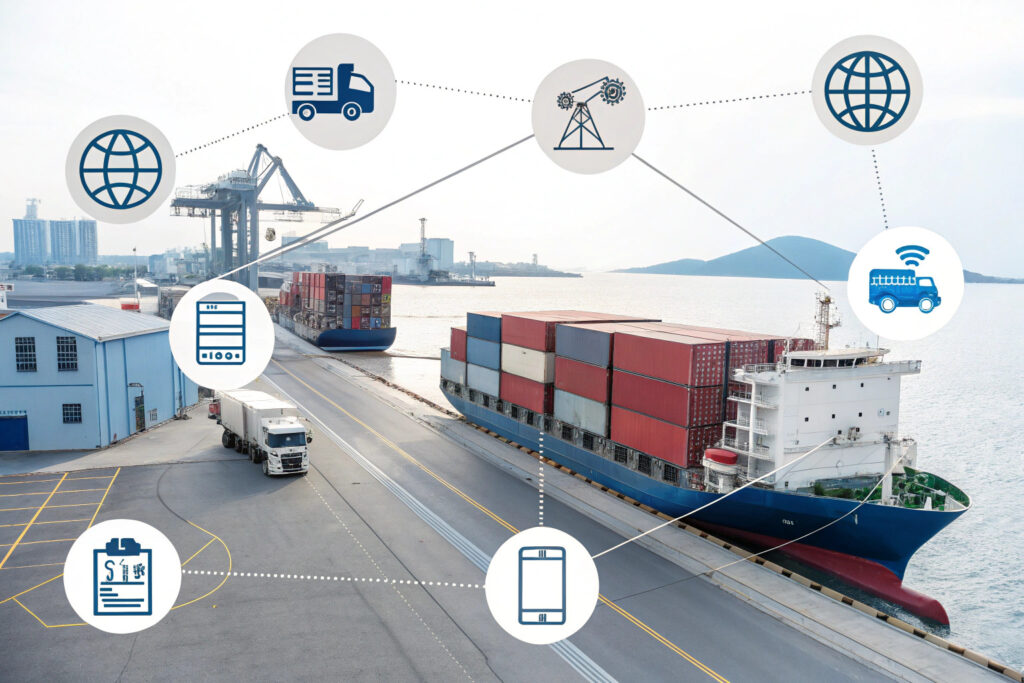
Comprehensive supply chain visibility platforms like project44 or FourKites are enterprise-grade solutions. They connect directly to the telematics systems of carriers, ports, and terminals, providing not just tracking but predictive analytics. They can forecast delays based on traffic, weather, and port congestion, allowing companies like Shanghai Fumao Clothing and their partners to proactively manage inventory and customer expectations. This is ideal for complex, multi-modal shipments and high-volume operations.
What About Disposable Trackers or Smart Labels?
Innovation is also creating lower-cost, single-use options for specific needs.
The market offers disposable Bluetooth Low Energy (BLE) tags and scan-based smart labels. These are more affordable than full GPS units and are designed for one-time use. They are typically scanned at key checkpoints (warehouse out, port in, delivery). While not providing continuous real-time location, they create a verifiable digital audit trail of a shipment's journey, which can be sufficient for many standard hat shipments and adds a layer of transparency for customers.
How to Choose and Implement the Right Solution?
Selecting a tracking tool is a strategic decision. Follow a structured process to ensure it meets your needs and delivers a clear return on investment.
What Are Your Primary Goals for Tracking?
Define your "why" before choosing the "how."
-
Goal: Security & Route Assurance: You are concerned about theft, loss, or verifying that a shipment takes the agreed route (especially for new partners or lanes). The Best Fit is a Hardware Tracker. Its independent data is irreplaceable for security audits.
-
Goal: Operational Efficiency & Customer Service: You need to save time manually tracking dozens of orders and want to proactively keep your customers informed. The Best Fit is a Software Platform. It automates the heavy lifting at scale.
-
Goal: Deep Supply Chain Insight & Forecasting: You need to predict delays to adjust production or marketing plans and want end-to-end visibility beyond simple "point A to B" tracking. The Best Fit is a Visibility Platform like project44.
What Steps Should You Take to Implement a Solution?
Start with a pilot to minimize risk and validate the choice.
-
Conduct a Focused Pilot Test: For hardware, buy 3-5 units and deploy them on your next critical shipments. For software, use a free trial to run a batch of orders through the platform. Evaluate ease of use, data accuracy, and reliability.
-
Analyze the True Total Cost: For hardware, calculate device cost + cellular data subscription + staff time for management. For software, it's usually a monthly SaaS fee. Weigh this against the potential savings from prevented losses, reduced admin time, and improved customer satisfaction.
-
Plan for Integration: Choose the solution that fits most smoothly into your existing workflow. The best tool is one your team will adopt consistently. Ensure it can integrate with your current systems (e.g., Shopify, ERP) to avoid double data entry.
Conclusion
Gaining real-time visibility into your hat shipments is a powerful upgrade to your supply chain management. Whether you choose the tangible security of a hardware GPS tracker for your most valuable consignments or the scalable efficiency of a software platform for daily operations, the goal is the same: to replace uncertainty with control and insight. This capability not only protects your assets but also strengthens your reputation as a reliable and professional partner in the global marketplace.
Implementing the right tracking solution is a clear signal that you value your products, your customers, and your own operational excellence.
If you are looking to build resilient, transparent logistics into your hat sourcing strategy, we can help. For a consultation on how to integrate tracking solutions with your production and fulfillment process, contact our Business Director, Elaine. She can guide you in selecting and implementing the right tools for your business needs, You can reach her at: elaine@fumaoclothing.com.