Finding a traditional Ramadan Kufi cap integrated with genuine moisture-wicking technology presents a specific challenge. While many caps are marketed as "breathable," they often use standard cotton, which absorbs sweat rather than actively transporting it away. A true moisture-wicking Kufi requires specialized performance fabrics or advanced textile treatments, which are rarely found in standard religious wear.
To find a Ramadan Kufi cap with moisture-wicking technology, your most viable option is to partner with a custom manufacturer. Mass-produced options are scarce. The path involves sourcing performance fabric or finding a factory capable of applying moisture-management treatments to traditional Kufi designs through an OEM/ODM process.
This is less about finding a finished product on a shelf and more about creating one. The good news is that manufacturers in Asia, particularly those experienced in activewear, possess this capability. Your task is to connect the traditional form with modern textile function.
What Defines True Moisture-Wicking Fabric for a Kufi?
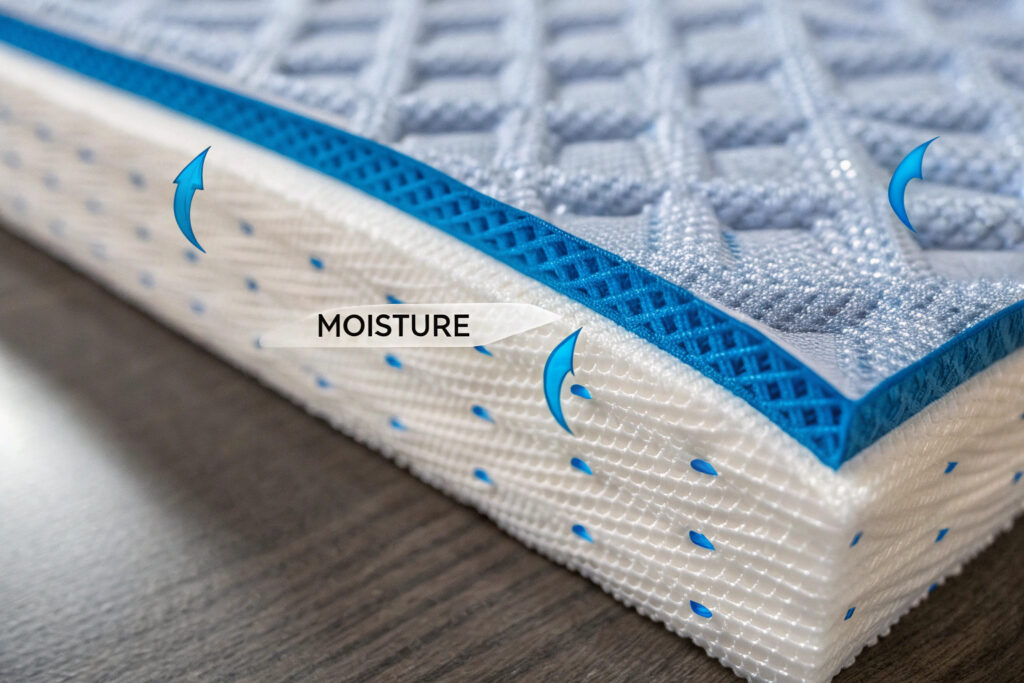
Before sourcing, it's crucial to understand what "moisture-wicking" means beyond marketing terms. It refers to a fabric's engineered ability to pull liquid sweat away from the skin to the fabric's outer surface, where it can evaporate quickly[citation:6]. This is different from simple "breathability," which just allows air to pass through.
True wicking fabrics often use synthetic fibers like polyester or specialized polyamides engineered to be hydrophilic (water-attracting), or they feature a specific physical structure to move moisture[citation:8]. A common high-tech method involves creating a fabric with a defined pattern of hydrophobic (water-repelling) and hydrophilic regions that work together to pull sweat across the material[citation:6]. Another advanced approach is Janus fabric technology, which creates a one-way liquid transport system from the inner to the outer layer, preventing any damp feeling against the skin[citation:3].
Why does this matter for a Kufi? During long prayers, especially in warm climates or crowded mosques, comfort is key. A standard cotton Kufi will absorb sweat, become damp, and lose its shape. A cap with effective moisture-wicking keeps the head cooler and drier, maintaining dignity and comfort throughout religious observances. For a manufacturer like shanghaifumaoclothing, this is a functional upgrade to a classic product.
How Does Performance Fabric Differ from Standard Cotton?
Traditional Kufis are often made from cotton, valued for its natural softness and breathability[citation:4][citation:7]. However, cotton's moisture management is passive:
- Absorption: Cotton absorbs sweat into its fibers, which can make the fabric feel heavy and wet.
- Slow Drying: It retains moisture and dries slowly, which can cause a cooling chill after activity stops[citation:6].
In contrast, active moisture-wicking fabric is designed for dynamic management:
- Transport: It moves sweat away from the skin to a larger surface area for evaporation[citation:6].
- Quick Drying: The fabric itself dries rapidly, helping to regulate temperature and maintain comfort.
- Maintained Feel: The inner surface against the skin aims to stay relatively dry to the touch.
What Are the Key Technical Specifications to Request?
When discussing with suppliers, move beyond vague requests. Specify your needs using industry terms:
- Fiber Type: Request fabrics made from wicking polyester, polyamide (nylon), or advanced bio-based polyamides known for moisture management[citation:8]. Ask about blends.
- Fabric Construction: Knitted fabrics (like those used in athletic wear) often wick better than woven ones. Inquire about micro-knit or mesh-panel constructions for added breathability.
- Weight & GSM: A lighter fabric (lower grams per square meter or GSM) will be more breathable for indoor prayer, while a slightly heavier one might offer more structure.
- Treatment: Ask if the fabric has a permanent moisture-wicking finish (like those from chemical companies such as HeiQ[citation:1]) or is inherently wicking due to its polymer structure.
Where to Source or Manufacture This Specialized Kufi?
You will not find this niche product readily available for wholesale on standard retail websites. Descriptions like "breathable cotton" are common[citation:4][citation:7], but they do not equate to technical wicking performance. Your search must target manufacturers with specific expertise.
The most direct path is via B2B manufacturing platforms like Alibaba.com. Use precise keyword combinations beyond "Kufi cap." Search for "moisture wicking hat factory," "performance prayer cap OEM," or "technical headwear manufacturer." Filter for suppliers that offer OEM/ODM services and have a portfolio that includes sportswear, activewear, or performance hats. You are more likely to find a sportswear factory that can adapt a Kufi pattern than a traditional Kufi factory that understands moisture-wicking tech.
How to vet a specialized supplier? Their expertise is critical. Request information on:
- Performance Fabric Sources: Do they have direct access to moisture-wicking fabric rolls from reputable mills?
- Testing Capabilities: Can they provide lab test reports for wicking speed (e.g., AATCC 197 or 198)?
- Relevant Samples: Ask them to send samples of other performance hats they have made to assess the fabric quality and construction.
Attending trade shows focused on textiles or sports fashion (like ISPO or performance fabric expositions in Asia) can also connect you with innovative material suppliers and forward-thinking manufacturers.

What is the Most Effective Sourcing Strategy?
Given the product's hybrid nature, consider these approaches:
- Partner with a Technical Headwear Factory: This is the ideal scenario. A factory that already produces running caps, beanies for athletes, or hiking hats will have the fabric sourcing, pattern-making, and sewing expertise for performance wear. They can easily adapt a Kufi design.
- Fabric-First Sourcing: First, source rolls of certified moisture-wicking fabric from a specialized textile mill or distributor. Then, provide this fabric to a skilled Kufi manufacturer for cutting and sewing. This requires more coordination but gives you full control over the core material.
- Leverage a Sourcing Agent: An agent with deep connections in activewear manufacturing hubs (like in China or Vietnam) can efficiently identify and vet factories with the right cross-over skills, saving you significant time.
Can Traditional Kufi Factories Achieve This?
It's possible but less common. A traditional factory would need to:
- Source the correct performance fabric (a new supply chain for them).
- Handle and sew slippery, stretchy synthetic fabrics (different from stable cotton).
- Understand the functional design requirements (like minimizing interior seams for comfort).
While some adaptable factories exist, a manufacturer with a background in both domains, like shanghaifumaoclothing, is often better positioned to bridge this gap successfully.
How to Develop and Sample a Technical Kufi Cap?
Developing this product follows a technical sampling process. Your goal is to create a Pre-Production Sample (PPS) that perfectly balances traditional aesthetics with modern performance.
Start by providing your manufacturer with two key references: 1) A detailed tech pack for your desired Kufi style (dimensions, shape, embroidery placement), and 2) Specifications for the performance fabric (type, weight, GSM, wicking certification). The factory will then source appropriate fabric options and create initial prototypes.
What to test rigorously during sampling?
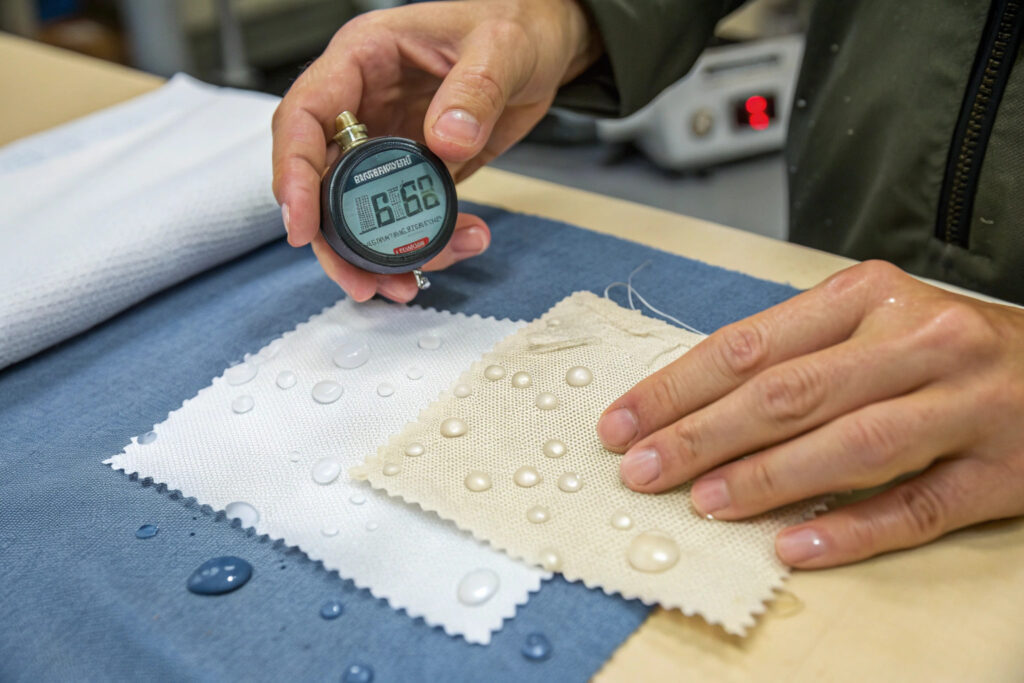
- Wicking Performance: Conduct a simple "drop test." Place a drop of water on the inner fabric and time how quickly it spreads and soaks in. Compare it to a cotton sample.
- Comfort & Fit: The cap must feel secure without being tight. The synthetic fabric should be soft against the skin.
- Breathability: Wear the sample in a warm environment. Does heat build up, or does it feel airy?
- Durability: Check the stitching on the stretchy fabric. Can it withstand being put on and taken off repeatedly?
Why is fabric testing so crucial? Not all "wicking" fabrics perform equally. Insist that your manufacturer provides a Material Composition & Performance Test Report from the fabric mill. This document is your proof of the material's technical claims.
What Does the Development Timeline Look Like?
Expect a multi-stage process:
- Fabric Sourcing & Approval (1-2 weeks): The factory submits 3-5 fabric swatches for your approval based on your specs.
- Prototype Sample (2-3 weeks): The first physical cap, focusing on shape and basic construction.
- Fit & Function Sample (2 weeks): An updated sample with the final approved fabric, tested for wicking and comfort.
- Pre-Production Sample (PPS) (1 week): The final sample from the production line, used to approve mass production.
How to Ensure Quality in Mass Production?
Before production begins, agree on Acceptable Quality Level (AQL) standards. For a technical product, defects are not just about stitching but also about performance failure. Your contract should state that random units from the production batch can be tested for wicking, and failure to meet the performance standard is grounds for rejection. Consider hiring a third-party inspection firm to conduct a Pre-Shipment Inspection that includes a functional check.
What Are the Cost and Market Considerations?
Producing a technical Kufi will have a higher unit cost than a standard cotton one. This is due to the more expensive performance fabric, potentially more complex sewing, and the R&D sampling involved.
Your landed cost per unit will include:
- Fabric cost (higher than cotton)
- Manufacturing cost
- Tooling/sampling fees
- Custom embroidery or branding
- Shipping and import duties
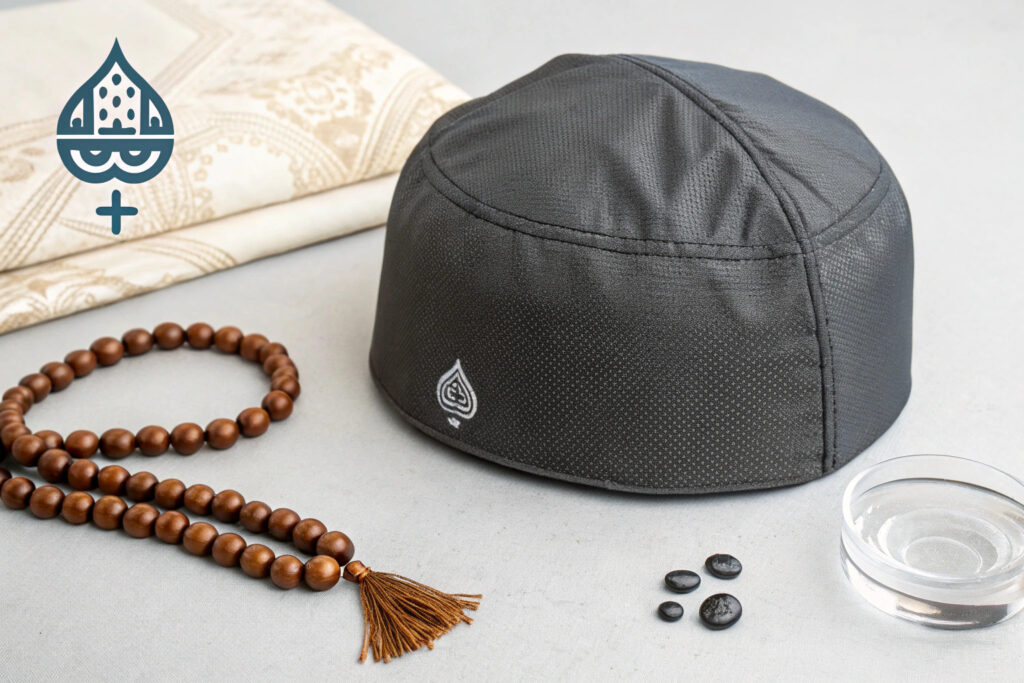
How to position this product in the market? This is a premium, niche product. Target segments include:
- Comfort-Conscious Congregants: Muslims living in hot/humid climates who prioritize comfort during long prayers.
- Athletic Muslims: Individuals who value performance wear and seek that technology in their religious attire.
- Premium Gift Markets: High-quality, innovative Islamic wear for gifting during Ramadan and Eid.
The value proposition is clear: enhanced comfort through technology while maintaining religious tradition. Effective marketing should educate the consumer on the tangible benefits of the moisture-wicking fabric compared to traditional options.
How to Calculate a Viable Retail Price?
Work backward from your target market. A common retail markup is 4-5x the landed cost. If your landed cost is $5 per cap, the retail price might be $20-$25. Conduct market research to see if consumers are willing to pay a premium (2-3x the price of a standard cotton Kufi) for the performance benefit. Your margin must account for the specialized nature and lower volume compared to mass-market items.
Is There Demand Beyond Ramadan?
Absolutely. While Ramadan is a peak season, demand for comfortable prayer caps exists year-round. The product also appeals for daily prayers (Salah), Hajj and Umrah pilgrimages (where comfort is paramount), and general wear for style-conscious Muslims who appreciate technical apparel. Positioning it as a "high-performance prayer cap" rather than just a "Ramadan cap" can extend its sales lifecycle.
Conclusion
Sourcing or creating a Ramadan Kufi cap with genuine moisture-wicking technology is an exercise in innovative product development. It requires bridging the gap between traditional religious attire and modern textile science. The path is clear: define precise technical requirements, seek out manufacturers with expertise in performance activewear, and rigorously manage the sampling process to ensure the final product delivers both spiritual form and physical function.
This is a perfect project for a manufacturer skilled in custom headwear solutions. If you are looking to develop this innovative product line, partnering with an experienced OEM/ODM provider is essential. For a specialized project like this, I recommend contacting the team at Shanghai Fumao Clothing. You can discuss your technical Kufi cap requirements in detail with their Business Director, Elaine, at elaine@fumaoclothing.com.