Finding reliable quick-release snapbacks for safety helmets can be challenging for safety managers and procurement specialists. You need systems that provide instant release capability while maintaining secure protection during normal use. Many companies struggle with complicated mechanisms that fail during emergencies or don't meet industry safety standards.
The key to finding quality quick-release snapbacks lies in identifying specialized manufacturers who understand both safety requirements and ergonomic design, while holding proper certifications for industrial applications. Effective quick-release systems must balance immediate release capability with secure daily operation. At AceAccessory, a core brand of shanghaifumaoclothing https://shanghaiGarment.com.
This guide will help you navigate the sourcing process for quick-release snapback systems, covering supplier types, certification requirements, and quality verification methods.
What types of manufacturers produce quick-release helmet systems?
Different manufacturers specialize in various types of quick-release systems based on their industry focus and technical expertise. Understanding these specializations helps you target the right suppliers for your specific application needs.
Industrial safety equipment manufacturers, specialized helmet system producers, and military/emergency response gear companies are the primary sources for reliable quick-release snapback systems. Each category offers different levels of customization, certification, and technical support.
The manufacturing landscape for these specialized systems varies significantly by application and technical requirements. Here's how to identify the right type of supplier for your needs.
Which industrial safety manufacturers offer quick-release options?
Major industrial safety manufacturers often include quick-release systems in their premium helmet lines. Companies like 3M Safety and MSA Safety frequently incorporate quick-release mechanisms in their full-face helmet models and specialized industrial head protection systems.
These established manufacturers typically provide comprehensive technical documentation and third-party certification for their quick-release systems. The mechanisms are designed for gloved-hand operation and are tested for reliability in various industrial environments, including extreme temperatures and challenging weather conditions.
Are there specialized quick-release mechanism suppliers?
Several companies specialize specifically in helmet retention and quick-release systems. These specialized suppliers often provide components to larger helmet manufacturers and may offer custom engineering services for unique applications requiring specific release mechanisms.
Specialized suppliers typically offer more technical expertise in mechanism design and can provide detailed performance data. When evaluating these suppliers, look for evidence of third-party testing and specific industry certifications relevant to your application requirements and safety standards.
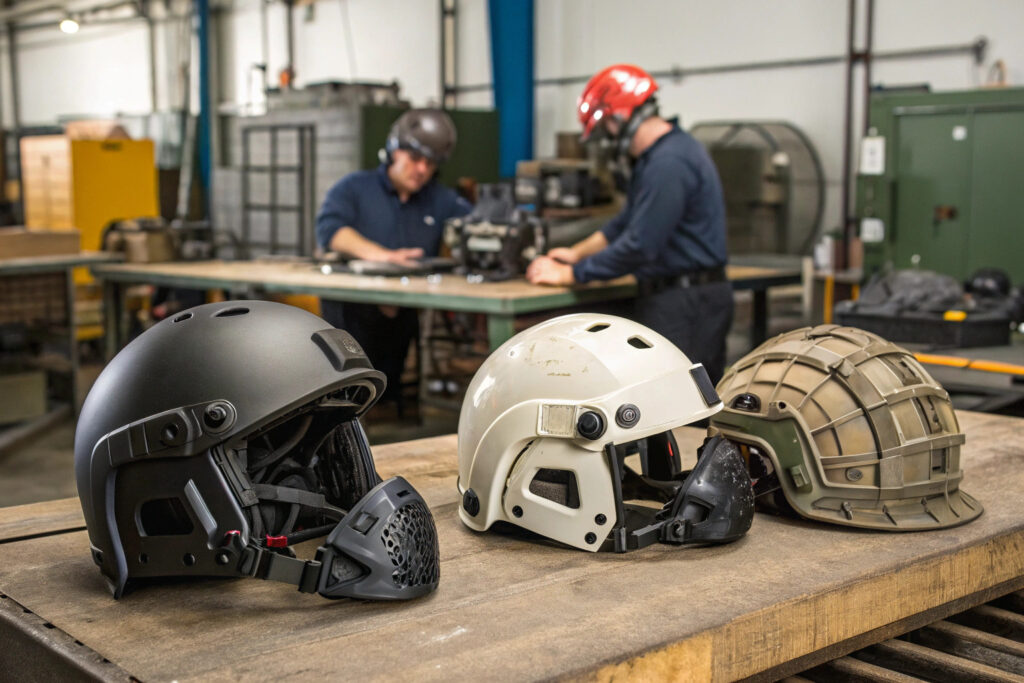
What certifications ensure quick-release system reliability?
Certifications are crucial for verifying that quick-release systems meet established safety and performance standards. Without proper certification, you risk using systems that may fail during critical situations or not provide adequate protection.
Essential certifications include ANSI Z89.1 for industrial head protection, EN 397 for European industrial helmets, and specific military standards like MIL-STD for tactical applications. These certifications ensure the systems undergo rigorous testing for release reliability and overall safety performance.
Certification requirements vary by industry and geographic region. Understanding these differences helps ensure compliance and worker safety across different operational environments.
How does ANSI certification apply to quick-release systems?
ANSI Z89.1 certification for industrial head protection includes requirements for retention system performance, though it doesn't specifically address all quick-release mechanism aspects. Manufacturers of certified systems must demonstrate that the release function doesn't compromise overall helmet security during normal use.
For industrial applications, systems should maintain their protective capability while providing reliable quick-release functionality. When evaluating suppliers, request documentation showing how their quick-release systems meet or exceed ANSI standards through independent testing and verification processes.
What international standards govern quick-release mechanisms?
International standards vary significantly by region and application. European standards under the PPE Regulation require CE marking with specific testing for quick-release mechanisms, while specialized applications may require additional certifications for specific industries or use cases.
For global operations, ensure suppliers can demonstrate compliance with relevant standards in all regions where equipment will be used. This may include multiple certifications for different markets, with documentation available for each specific standard and application requirement.

How to evaluate quick-release mechanism performance?
Evaluating quick-release system performance requires both standardized testing and practical application assessment. The mechanisms must balance easy release during emergencies with secure retention during normal operations.
Effective evaluation includes testing release force requirements, mechanism durability, gloved-hand operation capability, and environmental resistance. Performance should be verified through both manufacturer testing data and practical field evaluation in real-world conditions.
A comprehensive evaluation process helps identify potential issues before full-scale implementation. Here are key factors to consider during your assessment.
What testing verifies release mechanism reliability?
Reliable quick-release mechanisms undergo rigorous testing for consistent operation across multiple cycles and environmental conditions. Standard testing includes cycle testing (typically thousands of operations), force measurement to ensure appropriate release pressure, and failure mode analysis.
Look for suppliers who provide detailed testing data showing performance under various conditions, including temperature extremes, moisture exposure, and simulated wear conditions. Independent testing laboratory reports provide additional verification beyond manufacturer claims.
How important is gloved-hand operation capability?
Gloved-hand operation is critical for most industrial and emergency response applications. Effective quick-release systems must be operable with various types of work gloves, including bulky winter gloves and chemical-resistant varieties, without compromising security or release capability.
During evaluation, test samples with the specific glove types used in your operations. The mechanism should provide adequate tactile feedback and require reasonable force while remaining secure against accidental release during normal activities and minor impacts.
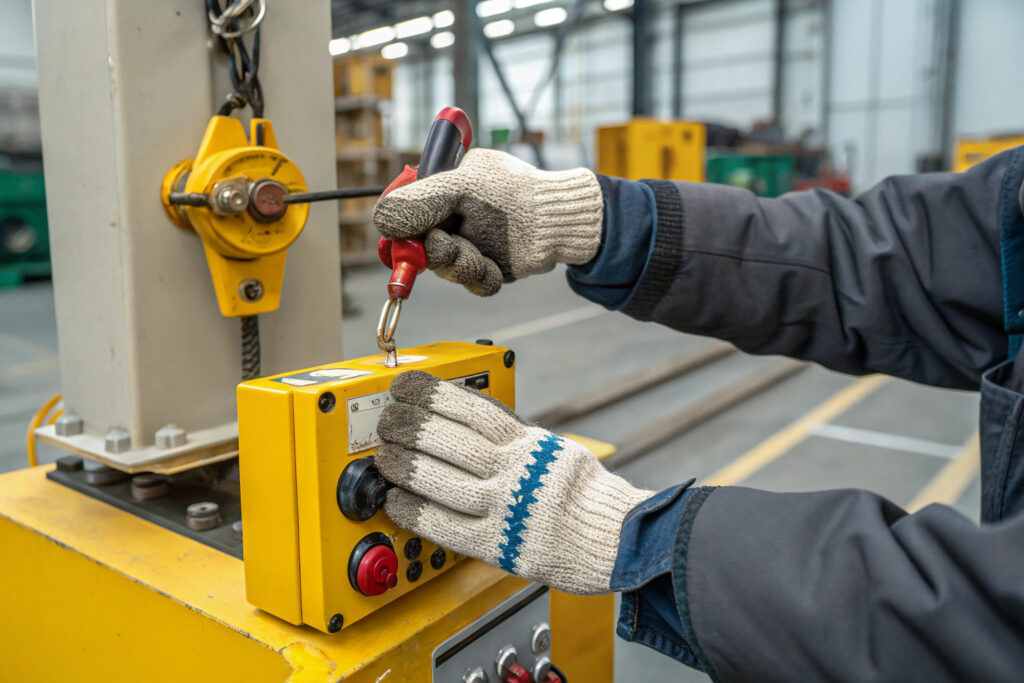
What industries commonly use quick-release helmet systems?
Quick-release helmet systems serve critical functions across multiple industries where rapid helmet removal is necessary for safety or operational efficiency. Understanding industry-specific requirements helps identify appropriate suppliers and system features.
Common applications include firefighting and emergency response, industrial confined space work, military and tactical operations, and specific manufacturing environments. Each industry has unique requirements for release speed, gloved-hand operation, and environmental resistance.
Industry-specific requirements drive system design and feature priorities. Here's how different applications influence quick-release system selection.
Why do emergency services require quick-release systems?
Firefighting and emergency response applications require rapid helmet removal when donning breathing apparatus or when helmets become entangled in debris. These systems must function reliably in high-stress situations while exposed to extreme temperatures, water, and physical impacts.
Suppliers serving emergency services markets typically offer systems tested to NFPA standards with specific requirements for heat resistance, chemical exposure, and reliability under stressful conditions. These systems often incorporate redundant release mechanisms for maximum reliability.
What industrial applications benefit from quick-release capability?
Industrial applications including confined space entry, chemical processing, and construction often utilize quick-release systems for safety and practical reasons. Workers may need rapid helmet removal when transitioning between different types of personal protective equipment or when helmets become contaminated.
For industrial applications, systems should be compatible with other PPE and designed to prevent accidental release during normal work activities. Evaluation should include specific hazard assessments for each application environment and potential entanglement risks.
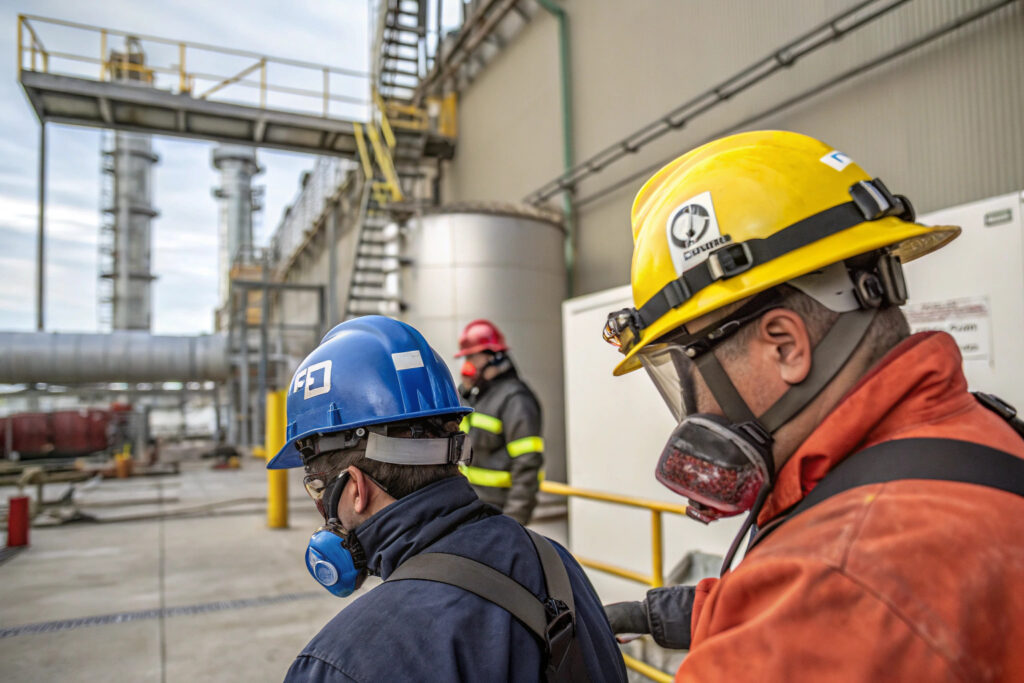
Conclusion
Finding reliable quick-release snapbacks for safety helmets requires careful evaluation of manufacturer capabilities, certification compliance, and performance testing. The right systems provide immediate release when needed while maintaining secure protection during normal operations across various industrial environments.To explore bulk pricing, download full performance test reports, or request free product samples for on-site evaluation, visit shanghaiGarment.com’s quick-release snapback sourcing hub.
If you're looking for manufacturing partners for quick-release helmet systems, Global-Caps can connect you with certified suppliers who meet international safety standards. Our technical team can help you identify appropriate systems for your specific application requirements. Contact our Safety Equipment Specialist Elaine at elaine@fumaoclothing.com for technical consultation and supplier recommendations.