Firefighters need gear that protects them and allows fast action in emergencies. A key piece is the helmet liner. Quick-release liners are special because they let a firefighter remove the helmet in seconds. This is vital if a firefighter is trapped, hurt, or needs immediate medical help. The problem is finding these liners from makers who meet strict safety rules, fit different helmets, and are truly reliable.
Quick-release liners have a special buckle or tear-away strap. A hard pull on a tab detaches the liner from the hard helmet shell. This gives rescuers quick access to the firefighter's head and neck. Finding them means looking in the niche market of safety gear makers. These manufacturers must know firefighting needs and use materials that resist heat and impact.
The best source is a maker with proper certifications, the ability to customize for your helmet model, and a steady supply chain. This guide will show you where to look and what to check when sourcing these critical safety liners.
What Are Quick-Release Helmet Liners and Why Are They Critical?
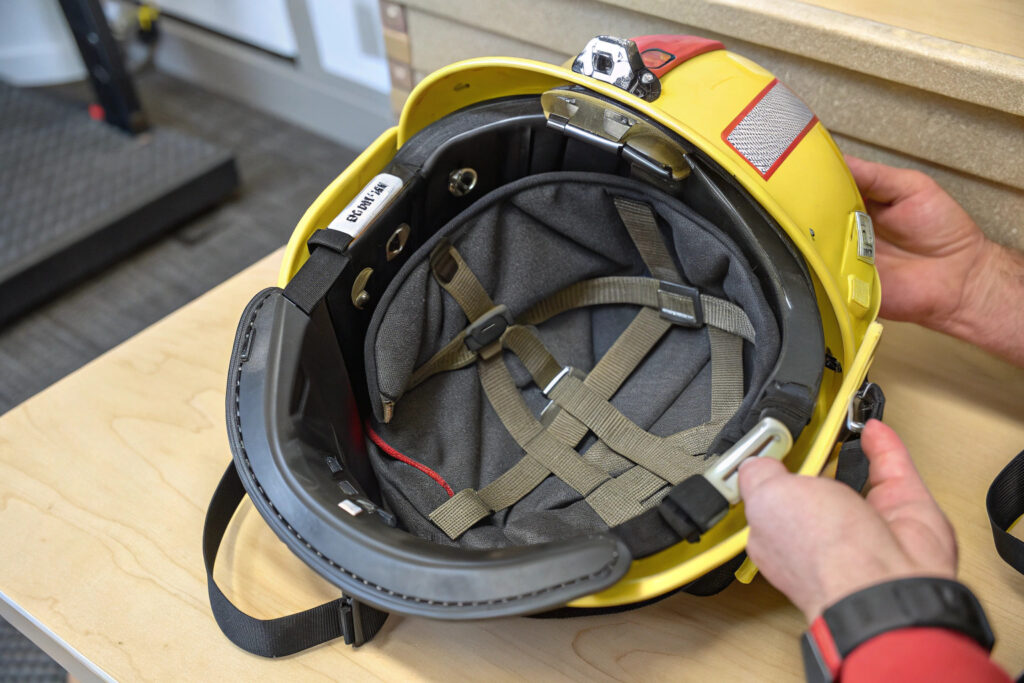
Quick-release helmet liners are the inner padding of a firefighter's helmet designed to detach fast. They have special clips or break-away straps. The main job is emergency removal. If a firefighter is pinned down or needs CPR, every second matters. A standard helmet can get in the way. A quick-release liner lets you take the helmet off fast without hurting the firefighter more.
These liners are critical because they address real rescue situations. Firefighting is dangerous. Gear can get caught on wires or debris. A hurt firefighter might have a neck injury. Removing a heavy helmet carefully is hard. A quick-release system makes it simpler and safer. It is a direct response to saving lives in the worst moments.
When you look for these liners, remember they must still do the normal job. They must be comfortable, soak up sweat, and protect the head from bumps and heat. The quick-release feature cannot make the liner weak during everyday use. Finding a maker who balances emergency function with daily durability is the goal.
How Do Quick-Release Mechanisms Work?
Most mechanisms work in one of two ways:
Quick-Connect Buckles: These are like strong plastic buckles on a backpack. A sharp pull on a special tab makes them snap open. The liner comes off the helmet. You can usually snap it back on if it is not broken.
Tear-Away Straps: These straps are sewn or connected with weak links. In an emergency, you pull a tab hard. The stitches tear or the links break, freeing the liner. This is often for one-time emergency use.
Both systems are made to work with gloved hands. Another firefighter can do it to help their teammate. The release must be easy to find and pull. It must not open by accident during a firefight, like when crawling or hitting something. Good manufacturers test this thoroughly.
What NFPA Standards Apply to These Liners?
All gear for structural firefighting must follow NFPA 1971. This is the main rule from the National Fire Protection Association. It covers helmets, coats, pants, and more.
The standard does not say you must have a quick-release liner. But if your liner has this feature, it still must pass all NFPA 1971 tests for:
- Heat and Flame: It cannot melt or catch fire easily.
- Impact Protection: It must cushion the head from a blow.
- Strength: The attachment points must be strong during normal work.
- Labeling: It must have a permanent label proving it meets the standard.
When you source liners, ask for the certification report. It should show the liner model passed tests at an approved lab like UL or SEI. The report should also list which helmet models it works with. Never assume a liner fits your helmet. The combination must be tested. Trusted manufacturers know these rules inside out.
Where to Source Certified Quick-Release Liners?
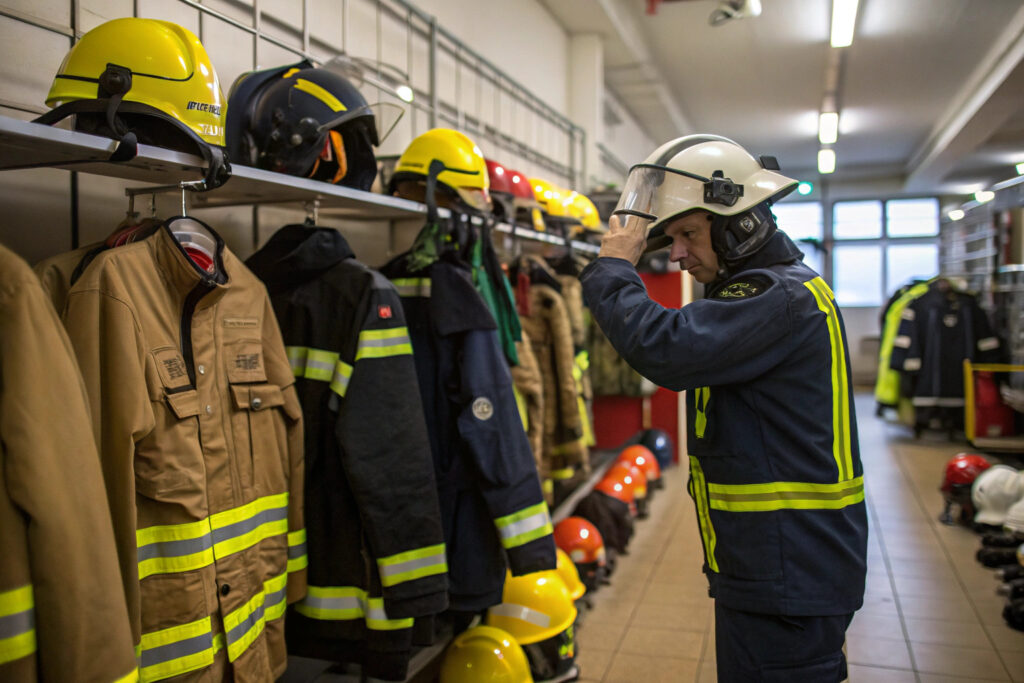
You need to look in specific places. General safety suppliers might not have them. The best sources are helmet makers themselves, authorized safety dealers, and specialized textile companies that make gear for firefighters.
1. Original Helmet Manufacturers: Companies like MSA Safety, Honeywell, and CairnsHELMET make helmets. They also sell replacement parts, including quick-release liners made just for their helmets. This is the safest way. It guarantees the liner fits and keeps the helmet's certification. Check their websites or call their customer service for departments.
2. Specialized PPE Distributors: These companies sell all kinds of firefighter gear. They often work with many brands. They can help you find a liner that fits your specific helmet model, even if it is an older one. They might also offer custom options.
3. OEM Suppliers and Technical Fabricators: These are factories that make the parts for bigger brands. Working with them can be good for large orders or custom designs. You need to be careful. You must check their quality and certifications very closely. Sometimes, a company that connects buyers with good factories, like shanghaifumaoclothing, can help find a reliable maker.
How to Evaluate a Manufacturer's Credentials?
Ask these questions and demand proof:
- Can you show the NFPA 1971 certification? Get the official test report. Check the lab's name and the date.
- Do you have compatibility charts? They should list exactly which helmet models the liner fits.
- Can I get a sample? Always test a sample before buying many. Try the release mechanism. Check the comfort.
- What materials do you use? They should use inherently flame-resistant fabrics like Nomex, Kevlar, or FR (Flame-Resistant) polyester. Avoid materials that are only coated with a chemical, as it can wash out.
- Who are your other customers? Ask for references from other fire departments.
A good manufacturer is proud of their work. They will give you all this information. They understand the NFPA standards and the dangers of firefighting.
What is the Role of OEM Suppliers and Custom Fabricators?
OEM means "Original Equipment Manufacturer." These are the factories that produce the parts. A big brand might design the liner but have an OEM factory make it.
- Advantage: Buying directly from a good OEM can save money, especially for big orders. You might also get to customize small details.
- Disadvantage: You are responsible for checking quality. The OEM might not handle the final NFPA certification. You need to be sure the final product is compliant.
Working with a partner who knows the industry can help. They can find OEMs with a proven record of making safe, certified firefighter gear. They make sure the factory understands this is life-saving equipment, not just a sewing job.
What Design and Customization Options Are Available?
Even though the release feature is most important, you can customize liners for better fit and comfort. Firefighters wear this gear for hours. A comfortable liner is a safer liner.
Common customization options include:
- Sweatbands: Choose from terry cloth, cool gel, or high-tech wicking fabric.
- Crown Padding: Get different thicknesses or shapes to fit various head shapes better.
- Nape Strap: Adjust the length for a snug fit at the back of the neck.
- Color: Match your department's colors for a professional look.
- Antimicrobial Treatment: Helps reduce odor and bacteria growth.
You can sometimes customize the release system too. Ask if the pull tab can be placed on the side or back, depending on what your department prefers. Just make sure any change is tested and does not break the certification.
What Material Innovations Enhance Performance?
New materials make liners better:
- Moisture-Wicking Fabrics: Pull sweat away from the forehead faster than old terry cloth. This keeps vision clear and skin drier.
- Phase-Change Materials (PCM): Built into pads. They absorb body heat when the firefighter is hot and release it when they cool down, helping with temperature control.
- Multi-Density Foams: Use different soft and hard foams together. They handle a hard hit and the small bumps of daily wear better.
These innovations come from the field of technical textiles. Makers who use these advanced materials offer a better product.
How to Ensure Compatibility with Existing Helmets?
This is a crucial step. Do not skip it.
Know Your Helmet: Write down the exact brand, model name, and model number. Find the manufacture date inside the helmet.
Check the Chart: The liner maker should have a chart saying "This liner fits these helmet models." Make sure your helmet is on the list.
Test a Sample: Install the sample liner in your helmet. Have a firefighter wear it. They should:
Move their head sharply. The helmet should feel secure, not loose.
Check their field of vision. The liner should not block their view.
Practice the quick-release pull in training.
Verify Certification: Ask the manufacturer for a document stating that using their liner with your specific helmet model keeps the NFPA 1971 certification valid.
What Are the Procurement and Logistics Considerations?
Buying safety gear is a process. You need to plan for specs, lead time, inspection, and budgeting.
Start by making a Product Specification Sheet. List everything you need:
- Must comply with NFPA 1971.
- Must fit [Your Helmet Model Name/Number].
- Quick-release type: [Buckle or Tear-Away].
- Material: [e.g., Nomex fabric, specific foam].
- Desired custom features: [e.g., blue color, wicking sweatband].
Use this sheet when asking suppliers for quotes.
Lead Time: These are not always ready-to-ship items. Custom or certified products can take 8 to 16 weeks to make and deliver. Plan your purchase ahead of time. Order before your old liners are completely worn out.
Inspection: When the liners arrive, inspect them immediately. Check stitching, material quality, and the release mechanism. Reject any that look poorly made. Also, set a schedule to check liners in use every few months for wear and tear.
How to Manage Costs and Budgets Effectively?
- Group Purchasing: Team up with nearby fire departments. A bigger order often gets a better price. Look for local government purchasing cooperatives.
- Think Long-Term: A cheaper liner might wear out in a year. A more expensive, durable one might last three years. The cost over time might be lower for the better product.
- Grants: Look for safety equipment grants. Organizations like FEMA offer Assistance to Firefighters Grants (AFG). A quick-release liner is a strong safety upgrade to justify in a grant application.
Budget for Training. When you get new liners, you must train everyone. Firefighters need to practice using the quick-release. They need to know when to use it. Include this training cost in your budget.
What About Import Regulations and Supply Chain Resilience?
If you buy from an international manufacturer (like an OEM in Asia), consider:
- Import Duties: The product will have a Harmonized System (HS) code, likely 6506.90 for helmet parts. Your customs broker can help. Factor duty costs into your total price.
- Product Liability: Make sure your contract is clear. Who is responsible if the product fails? The manufacturer should have product liability insurance.
- Supply Chain Backup: For critical safety items, it is smart to have a second approved supplier. This way, if one factory has a problem, you are not stuck.
Conclusion
Finding quick-release firefighter helmet liners requires focusing on certified safety gear specialists. The best path is to work with the original helmet maker or a vetted distributor who guarantees NFPA 1971 compliance and perfect fit. Thorough evaluation—checking certifications, testing samples, and verifying compatibility—is non-negotiable for this life-saving equipment.
Investing in these liners also means investing in training. Proper use of the quick-release feature is as important as the gear itself. By sourcing carefully and integrating the equipment into your safety drills, you add a vital layer of protection for your team.
If you are looking for a reliable manufacturing partner for quick-release helmet liners or other custom firefighter PPE components, we can connect you with experienced, certified producers. For support in sourcing these critical safety items, please contact our Business Director, Elaine, at elaine@fumaoclothing.com.