
If you're sourcing deerstalker hats for a Sherlock Holmes museum gift shop, you're looking for much more than a simple costume piece. These hats are a cultural icon, embodying the spirit of the world's most famous detective. Your visitors expect a product that feels authentic, historical, and of high quality.
To source authentic deerstalker hats, focus on specialized milliners who craft historical reproductions, or work directly with suppliers experienced in museum-quality replica production. The key is to move beyond costume-level items and find partners who understand the traditional construction, use quality materials like British tweed, and can deliver products suitable for a museum's gift shop.
Finding the right supplier involves understanding the market tiers, from basic costume items to true historical reproductions. Let's explore the different sourcing avenues and what each can offer to a museum setting.
Where can you find costume-level and basic souvenir deerstalker hats?
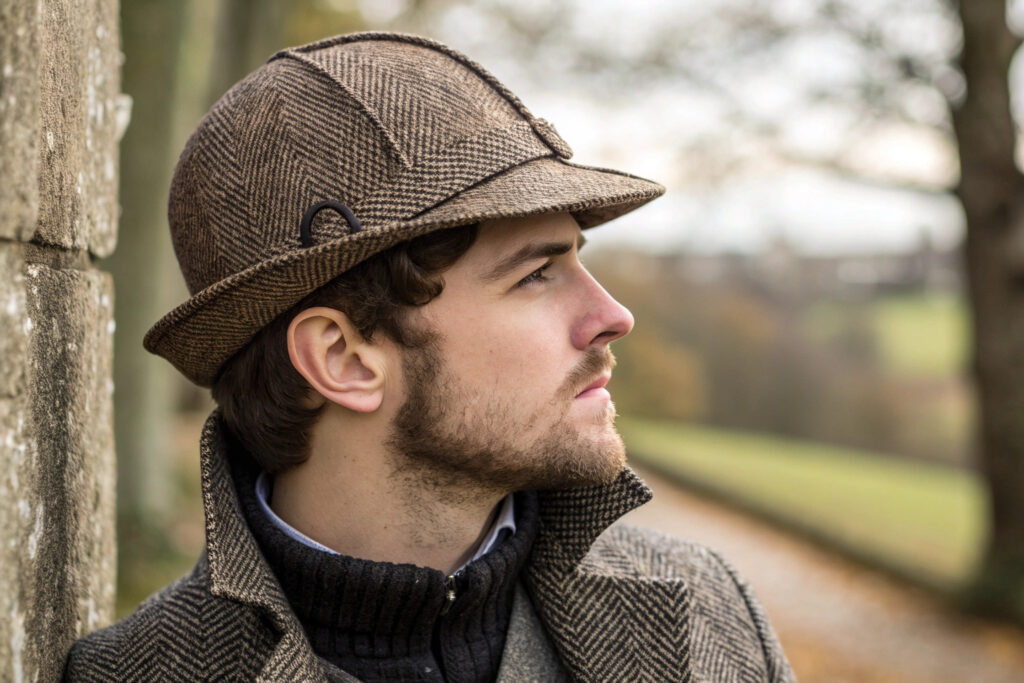
For souvenir shops looking for affordable, recognizable merchandise, basic costume deerstalkers are widely available online. These hats serve the purpose of a classic "Sherlock Holmes hat" for photos and casual fans. One prominent example is a "Sherlock Holmes Costume Hat for Adults" sold by a costume retailer. It is made from 100% cotton herringbone tweed, features the classic double brim and ear flaps, and includes a unique "secret pocket" in the lining, playing into the detective theme. These are typically marketed as "one size fits most" for Halloween or costume parties. General e-commerce platforms like eBay also list similar items, often bundled with other Sherlockian accessories like Inverness capes.
What defines a costume-level deerstalker hat?
Costume-level deerstalkers prioritize visual recognition and low cost over historical accuracy or durability. They are often mass-produced using less expensive materials like cotton-polyester blends instead of traditional wool tweed. The construction is simple, with minimal lining and generic sizing. For a museum shop, these items are perfect as impulse buys or fun photo props for a broad audience, especially families with children. They fulfill the basic desire for a tangible "Sherlock" souvenir without a major investment.
How do you vet suppliers for basic souvenir stock?
When sourcing these items in bulk, reliability and consistency are key. Look for wholesale suppliers on platforms like Alibaba or Global Sources with proven export experience and clear product specifications. Request physical samples before placing a large order to check the material feel, stitching quality, and overall look. Ensure the supplier can provide secure packaging suitable for retail display and has a reliable logistics chain to deliver on schedule. As a seasoned headwear supplier, Shanghai Fumao Clothing understands these critical supply chain checks and can help navigate the sourcing process efficiently.
How can you source higher-quality or historically-informed deerstalkers?
To source hats with better materials and more historical accuracy, you need to target craftspeople and suppliers who specialize in heritage or historical clothing. The Victoria and Albert Museum (V&A) in London holds a deerstalker in its collection from the 1920-1930s, made of wool tweed and lined with sateen, which folds in half for storage. While this specific hat is not for sale, it illustrates the traditional construction and materials (like quality tweed) you should seek. The Smithsonian Craft Show directory lists numerous independent artisans, including milliners who create custom, hand-felted wool hats using professional techniques. Partnering with such an artisan allows for small-batch production of higher-quality pieces.
Another valuable source is historical reenactment suppliers or specialty tailors. The historical record shows that famous stage actor William Gillette, who defined Sherlock Holmes for early 20th-century audiences, owned finely made top hats from retailers like The Luke Horsfall Company. Modern equivalents to such bespoke retailers are ideal for museum-quality replicas. Furthermore, detailed historical analysis, such as that found on Baidu Baike, confirms the traditional material is British tweed and describes the hat's functional design elements like the dual brims for sun and rain protection, and the buttoned ear flaps. A supplier who references these details is likely more authentic.
What key features indicate a historically-informed deerstalker?
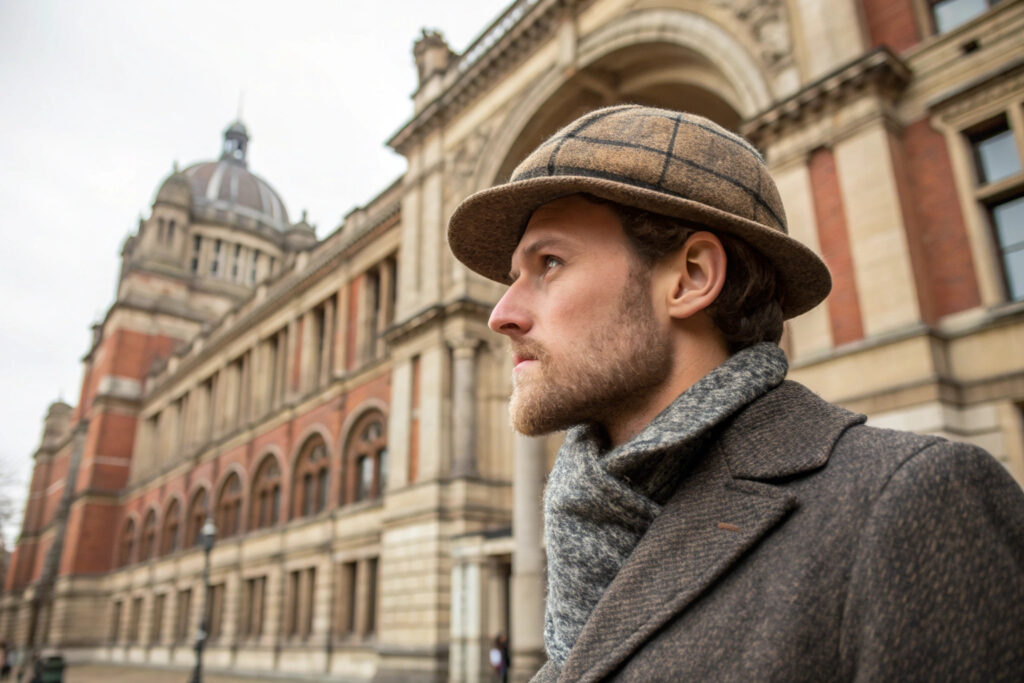
A historically-informed deerstalker goes beyond the silhouette. Key features include:
- Material: The use of genuine, woven wool tweed (often herringbone or check), not printed fabric.
- Construction: Functional details like buttoned ear flaps (not just decorative), a lining (often cotton sateen or silk), and a sturdy leather sweatband.
- Design: Accurate proportions—the front and rear brims should be distinct, and the crown should have the correct panel structure. The iconic "cape" pattern of the original deerstalker is a mark of higher authenticity.
Where do you find craftsmen for custom or small-batch production?
Beyond craft show directories, platforms like Etsy are excellent for discovering independent milliners who offer custom work. Searching for "handmade deerstalker hat" or "bespoke tweed cap" can yield talented artisans, often based in the UK or Europe. When contacting them, be prepared to discuss minimum order quantities (which can be as low as one piece for prototypes), lead times, and the possibility of creating a exclusive design for your museum. This path offers the highest level of authenticity and allows you to tell a compelling "craftsmanship" story to your visitors.
What are the practical considerations for museum gift shop sourcing?
For a museum gift shop, balancing authenticity, cost, and practicality is crucial. Consider these points:
- Material and Quality: Prioritize natural materials like wool tweed over synthetic blends for a premium feel. Check the stitching and lining.
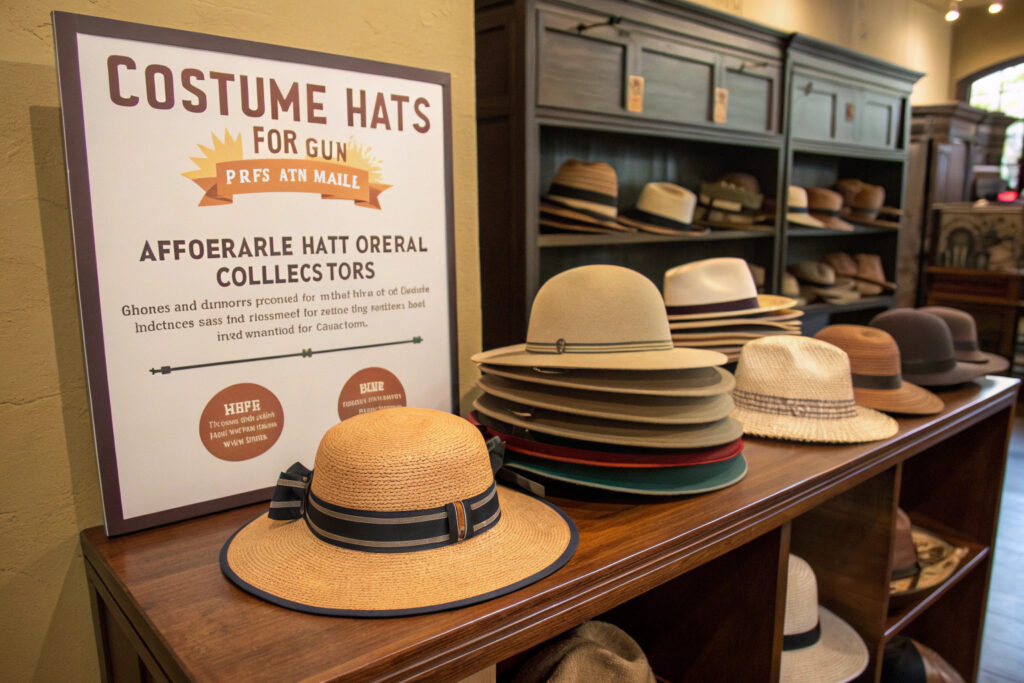
- Target Audience: Stock a range. Have affordable, fun costume hats for children and general tourists, alongside a smaller selection of higher-end, historically accurate versions for serious collectors.
- Supplier Story: A hat's provenance adds value. Partner with suppliers who can share the craft story—this aligns perfectly with a museum's educational mission.
- Sizing and Packaging: Offer multiple sizes if possible, as "one size fits most" often doesn't. Consider attractive packaging that complements your museum's brand.
How should you price and position different hat tiers?
Develop a clear pricing strategy that reflects the value of each tier. The costume hats can be positioned as accessible souvenirs (e.g., $15-$30). The mid-range, better-quality hats can be marketed as "premium souvenirs" or "collector's editions" ($50-$120). The top-tier, artisan-made hats should be presented as "museum-quality replicas" or "limited editions" ($150+). This tiered approach maximizes revenue by catering to all visitor segments.
What logistical and partnership factors are important?
Reliable supply and clear communication are paramount. Whether working with a wholesaler or an artisan, establish agreed-upon timelines for production and shipping. Discuss payment terms, quality control processes (requesting pre-shipment photos is standard), and responsibilities for customs clearance and import duties. Building a strong, communicative partnership with your supplier, like the integrated service offered by Shanghai Fumao Clothing, ensures a smooth supply chain and allows you to focus on retail operations and visitor experience.
How can you directly purchase from a major Sherlock Holmes museum?
The most direct source for officially branded merchandise is from the museum's own shop. For instance, the Sherlock Holmes Museum at 221b Baker Street in London has a dedicated museum shop that sells a variety of Sherlock Holmes memorabilia. While the available product mix isn't detailed in the search results, visiting their official website or contacting them directly is the best way to inquire about purchasing their specific line of deerstalker hats, either for resale or as a reference for your own products. Note that multiple tourist guides confirm the shop is located next to the museum itself and is open to the public. As a world-famous institution dedicated to the character, their products carry significant brand authority.
What are the benefits and challenges of white-label or licensing?
Purchasing from the official museum shop for resale is a form of white-labeling. The benefit is instant brand recognition and trust. The challenge may be higher wholesale costs and less control over the product specifications. Alternatively, exploring a formal licensing agreement to produce "Official Sherlock Holmes Museum" hats is a more advanced option. This would involve negotiations but could result in a unique, high-margin product line exclusively for your shop. It requires finding a manufacturing partner capable of meeting the museum's quality standards, a role for which a professional OEM supplier is ideally suited.
Can you use official merchandise as a design benchmark?
Absolutely. Even if you don't resell their products, purchasing an official museum deerstalker is an invaluable reference. It sets a benchmark for what the institution considers an acceptable representation. You can analyze its materials, construction, and labeling to inform your own sourcing or product development briefs to your manufacturing partners, ensuring your offerings meet a respected standard in the Sherlock Holmes community.
Conclusion
Sourcing the right deerstalker hats for your museum involves matching the product to your visitors' expectations. You have clear paths: affordable costume hats from general retailers for casual fans, and higher-quality, historically-informed pieces from specialty milliners or historical clothing suppliers for discerning collectors. Don't overlook the official merchandise from the Sherlock Holmes Museum in London as a potential supplier or benchmark.
At Shanghai Fumao Clothing, we are experts in headwear manufacturing and supply chain management. We can help you navigate the process from concept to delivery, whether you need a basic souvenir line or a more refined product. For a conversation about developing custom headwear for your museum, contact our Business Director, Elaine, at elaine@fumaoclothing.com.