The integration of traditional safety helmets with attached caps represents a significant advancement in personal protective equipment (PPE), combining mandatory head protection with the comfort and branding potential of traditional headwear. These hybrid systems are increasingly demanded across industries where both safety compliance and professional appearance are priorities.
Customizable safety helmets with attached caps typically feature a certified hard hat base with integrated or attachable cap components that allow for branding, sun protection, and improved wearer acceptance. The most effective designs maintain all safety certifications while offering various attachment methods, material options, and customization capabilities that meet both OSHA requirements and corporate identity needs. These systems are particularly valuable in construction, oil and gas, utilities, and event management industries where workers benefit from both overhead protection and sun/weather shielding.
This comprehensive guide explores sourcing options, customization processes, certification requirements, and application considerations for safety helmet-cap combinations that meet regulatory standards while providing the branding and comfort features organizations require.
What Design Configurations Are Available?
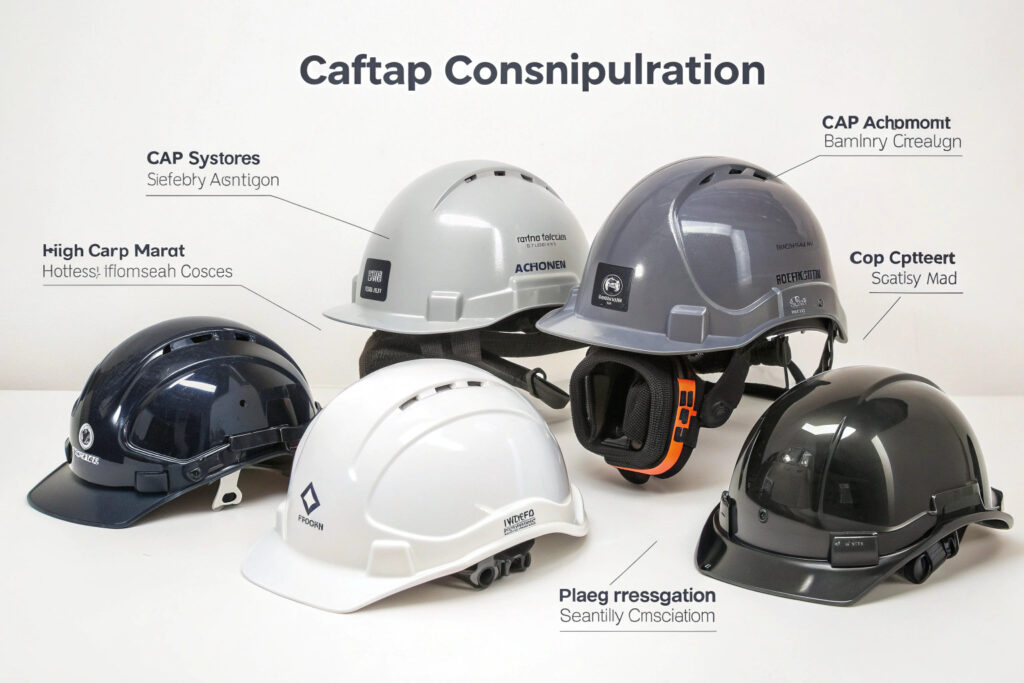
Safety helmets with attached caps come in several design configurations, each offering different advantages for specific applications and customization needs. Understanding these options helps select the most appropriate system for particular workplace requirements and branding objectives.
The integration methods range from permanent constructions to modular systems that allow cap interchangeability, with each approach offering distinct benefits for durability, customization flexibility, and compliance maintenance. The most sophisticated designs ensure the cap component never compromises the helmet's protective function.
How Do Integrated Versus Modular Systems Compare?
Permanently integrated systems feature caps that are factory-bonded to safety helmets, creating a unified product that ensures consistent performance and eliminates attachment failure risks. These systems typically offer superior durability since the connection points are engineered during manufacturing rather than added post-production. Modular attachment systems use mechanical fasteners, magnetic interfaces, or specialized clips that allow cap components to be interchanged on a single helmet base. These systems provide maximum customization flexibility, enabling different cap styles, colors, or branding elements to be used with the same safety helmet. The choice between integrated and modular approaches depends on factors including workplace environment severity, branding change frequency, and budget considerations.
What Attachment Methods Ensure Safety Compliance?
Non-penetrating attachment systems that secure cap components without drilling or modifying the helmet shell preserve the original safety certification integrity. These systems typically use external clamping mechanisms or adhesive-backed interfaces specifically engineered for safety helmet applications. Suspension-integrated attachments connect cap components to the helmet's internal suspension system rather than the external shell, eliminating potential compromise points in the protective structure. Manufacturers should provide certification documentation verifying that attachment methods don't void the helmet's original safety ratings, particularly for Type I and Type II helmets subject to different impact protection requirements.
Which Manufacturers Specialize in These Hybrid Systems?
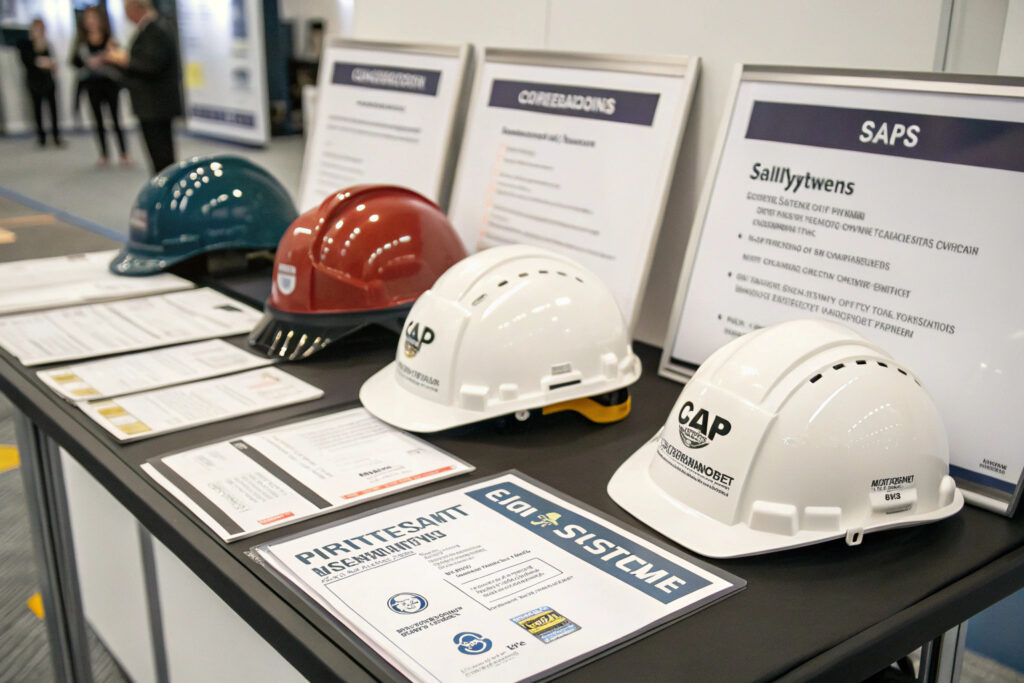
Several manufacturers have developed specialized expertise in safety helmet-cap combinations, offering products that balance regulatory compliance with customization capabilities. These suppliers typically combine safety equipment manufacturing experience with apparel industry knowledge.
Specialized manufacturers understand both the rigorous certification requirements for safety helmets and the branding, comfort, and aesthetic considerations important for cap components. This dual expertise ensures products meet all necessary standards while providing the desired professional appearance.
What Established Safety Equipment Brands Offer These Systems?
MSA Safety offers the Advantage® Cap Attachment System specifically designed for their popular V-Gard® helmets, providing secure cap integration with maintained safety ratings. 3M/Peltor manufactures cap attachment brackets compatible with their H-series helmets, allowing various cap styles to be mounted while preserving certification compliance. Kask produces integrated helmet-cap systems specifically for the construction industry, combining Italian design with rigorous safety standards. These established brands provide comprehensive certification documentation and typically offer customization services for corporate branding applications while maintaining regulatory compliance.
How Do Specialty Customization Providers Compare?
Corporate identity specialists like Aearo (now part of 3M) focus specifically on branded safety products, offering extensive customization options while maintaining safety certifications. Promotional safety suppliers bridge the gap between safety equipment and branded merchandise, often working with multiple helmet manufacturers to provide customized solutions. Asian manufacturing partners offer cost-effective solutions for large-volume orders but require careful verification of certification authenticity and manufacturing quality controls. These specialty providers typically excel at high-volume customization and rapid turnaround times but may have more limited technical support compared to established safety equipment manufacturers.
What Customization Options Are Available?
The customization potential of safety helmet-cap combinations represents a significant advantage for organizations seeking to enhance brand visibility while maintaining workplace safety standards. Understanding available customization options helps maximize both branding impact and functional benefits.
Customization spans aesthetic elements, functional features, and compliance markings that collectively create helmet-cap systems reflecting organizational identity while meeting all safety requirements. The most effective customizations enhance rather than compromise the protective function.
What Branding Methods Maintain Safety Integrity?
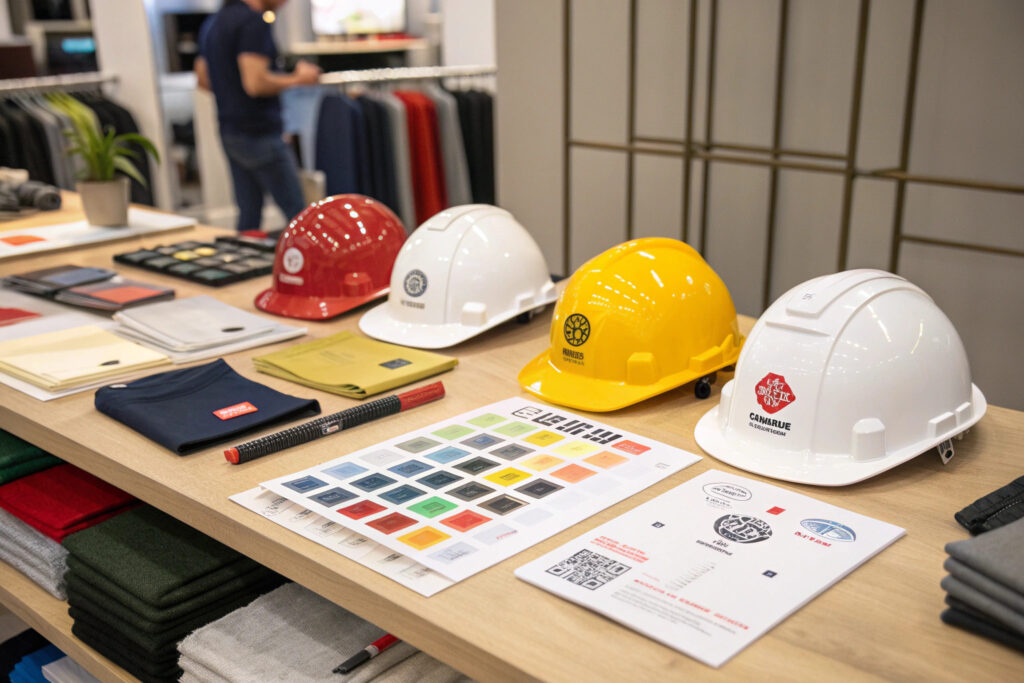
Non-penetrating decoration techniques including heat transfers, screen printing, and pressure-sensitive labels applied according to manufacturer guidelines preserve helmet shell integrity. Embroidery on removable cap components allows detailed branding without any modification to the safety helmet itself, maintaining original certifications. Color-matched helmet shells produced through co-molding or approved painting processes ensure brand consistency without compromising material properties. These methods should always be implemented following manufacturer decoration guidelines to ensure safety certifications remain valid and protective performance isn't compromised.
What Functional Customizations Enhance Usability?
Integrated accessory mounts for face shields, hearing protection, or lighting systems that maintain the cap component while adding practical functionality. Climate-specific materials including moisture-wicking fabrics, mesh ventilation panels, or insulated liners tailored to particular work environments. Specialized brim configurations offering enhanced sun protection, weather resistance, or compatibility with other PPE elements. Modular component systems allowing different cap styles to be interchanged based on seasonal needs or specific job requirements. These functional customizations address the practical challenges identified by safety professionals while maintaining compliance with relevant standards.
How to Ensure Regulatory Compliance?
Safety helmet-cap combinations must maintain compliance with applicable safety standards despite the addition of cap components and customization elements. Understanding certification requirements and verification processes ensures selected systems meet all necessary regulations.
Compliance involves both the base helmet meeting relevant safety standards and the attachment method/cap component not compromising that certification. The most reliable approach involves selecting systems that have been tested and certified as complete units rather than as separate components.
What Safety Standards Apply to These Systems?
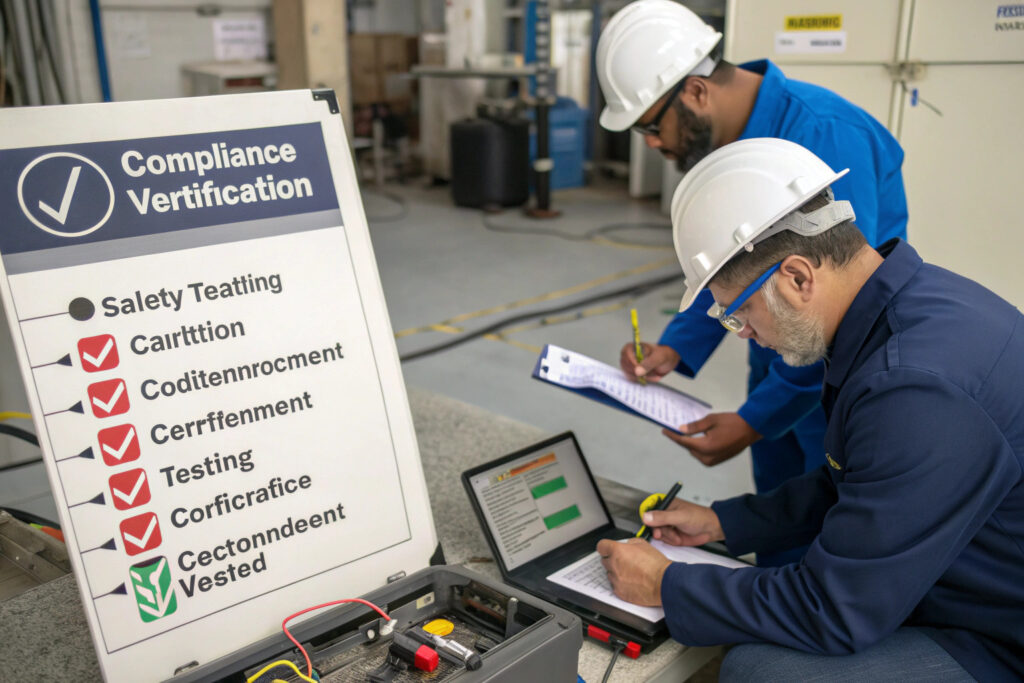
ANSI/ISEA Z89.1-2014 establishes performance requirements for industrial head protection in the United States, classifying Type I and Type II helmets with specific impact protection criteria. OSHA 29 CFR 1910.135 mandates that head protection comply with the applicable ANSI standard, creating the regulatory framework for workplace enforcement. CSA Z94.1-15 provides the Canadian standard for industrial protective headwear, with similar but distinct requirements from the ANSI standard. EN 397:2012+A1:2012 establishes the European standard for industrial safety helmets, with specific requirements for impact resistance, penetration resistance, and flammability. Manufacturers should provide current certification documentation for the complete helmet-cap system, not just the base helmet component.
How Can Compliance Be Verified Throughout Customization?
Manufacturer decoration guidelines specify approved customization methods that maintain certification compliance, typically limiting decoration area, method, and materials. Third-party certification verification from organizations like UL or Intertek provides independent confirmation that customized products maintain stated safety ratings. Batch testing protocols for customized products ensure consistency across production runs, particularly important for large orders with multiple customization elements. Documentation retention systems maintaining records of customization methods, materials, and compliance verification for audit purposes. These verification processes ensure that customization doesn't compromise protection despite the addition of branding and aesthetic elements.
Conclusion
Sourcing customizable safety helmets with attached caps requires balancing safety compliance, functional requirements, and branding objectives through careful supplier selection, customization method evaluation, and compliance verification. The most successful sourcing strategies identify manufacturers with proven expertise in both safety equipment and customization, selecting systems that have been tested and certified as complete units rather than as separate components.
As workplaces increasingly recognize the value of combining mandatory protection with professional appearance and brand visibility, helmet-cap systems offer a practical solution that enhances both safety and organizational identity. By understanding the available options, customization possibilities, and compliance requirements, organizations can implement these hybrid systems effectively across various applications while maintaining the highest safety standards.