The fashion industry is experiencing a significant shift toward sustainable materials, with biodegradable straw boater hats emerging as a popular eco-friendly alternative to traditional synthetic and treated natural straw headwear. Sourcing these specialized hats requires understanding both sustainable material science and traditional millinery techniques to ensure products meet both environmental and quality standards.
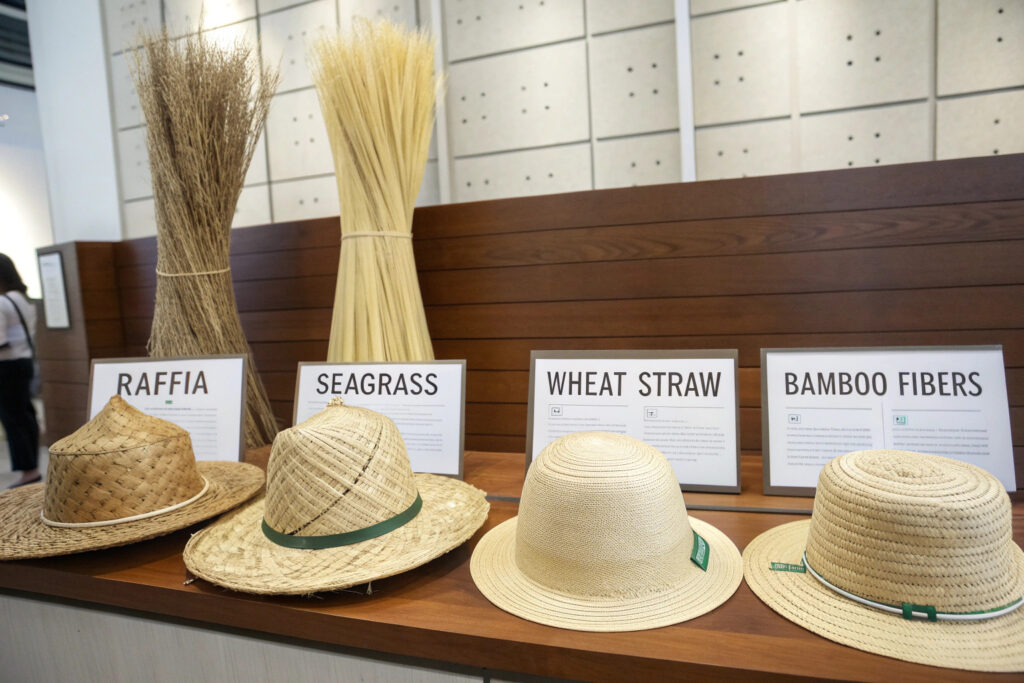
Biodegradable straw boater hats utilize natural, untreated plant fibers that break down completely in composting conditions while maintaining the structural integrity and aesthetic appeal of traditional boaters. The most reliable suppliers combine traditional weaving expertise with modern sustainable practices, offering hats made from materials like raffia, seagrass, wheat straw, and bamboo that decompose naturally without leaving microplastic residues.
This comprehensive guide explores the global landscape of biodegradable straw boater hat suppliers, covering material verification, manufacturing standards, and sourcing channels that ensure both environmental integrity and product quality.
What Materials Qualify as Truly Biodegradable?
Understanding the specific materials used in biodegradable straw hats is crucial for verifying environmental claims and ensuring product performance. Not all natural materials offer the same biodegradability characteristics or structural properties suitable for boater hat production.
True biodegradable straw materials break down into natural components within a reasonable timeframe under proper composting conditions, leaving no toxic residues or microplastic particles. The best materials balance decomposition rates with sufficient durability for practical wear.
How Does Natural Raffia Perform?
Raffia palm fibers offer excellent pliability for intricate weaving patterns while decomposing completely within 2-4 months in industrial composting facilities. The material's natural water resistance allows hat structures to maintain shape in humid conditions without chemical treatments. Traditional Madagascar raffia provides the highest quality for millinery applications, with fibers reaching up to 2 meters in length for seamless weaving. Suppliers should provide biodegradation certification from recognized organizations like TÜV or DIN CERTCO to verify decomposition claims. The material's natural tan and brown hues eliminate the need for synthetic dyes that could impede biodegradation.
What Are the Advantages of Seagrass and Wheat Straw?
Seagrass fibers contain natural silica that provides structural rigidity similar to traditional straw while being completely biodegradable in marine and terrestrial environments. The material's natural salt resistance makes it particularly suitable for nautical-themed boater hats that might encounter ocean spray. Wheat straw, an agricultural byproduct, offers excellent sustainability credentials while providing the stiff structure required for boater hat crowns and brims. These materials typically carry cradle-to-cradle certification verifying their safe return to biological cycles after use. The natural golden hues of these materials often require no additional coloring, maintaining their complete biodegradability.
How to Verify Supplier Sustainability Claims?
The growing demand for eco-friendly products has led to increased "greenwashing," making verification of sustainability claims essential when sourcing biodegradable straw hats. Understanding certification systems and asking the right questions separates genuinely sustainable suppliers from those making empty marketing claims.
True sustainable suppliers provide transparent documentation about material sourcing, manufacturing processes, and end-of-life characteristics that support their biodegradability claims. Verification involves examining multiple aspects of the supply chain and production methods.

What Certifications Validate Biodegradability Claims?
ASTM D6400 certification specifies requirements for plastics and products claiming compostability in municipal and industrial aerobic composting facilities. EN 13432 certification provides European standards for packaging recovery through composting and biodegradation, applicable to natural fiber products. OK Biodegradable WATER certification from TÜV Austria verifies complete biodegradation in fresh water within specified timeframes. Seedling logo certification indicates compliance with European norm EN 13432 for industrial compostability. Suppliers should provide current certification documentation from recognized third-party organizations rather than self-declared compliance.
How to Assess Overall Environmental Impact?
Life cycle assessment (LCA) reports provide comprehensive environmental impact data from raw material extraction through production, use, and disposal phases. Carbon footprint calculations should account for transportation distances from fiber sources to manufacturing facilities to final markets. Water usage documentation is particularly important for natural fiber production, with some materials requiring significant irrigation. Social responsibility verification ensures ethical working conditions throughout the supply chain, complementing environmental considerations. These comprehensive assessments provide a more complete picture of sustainability than biodegradability claims alone.
Where Are the Best Global Sourcing Regions?
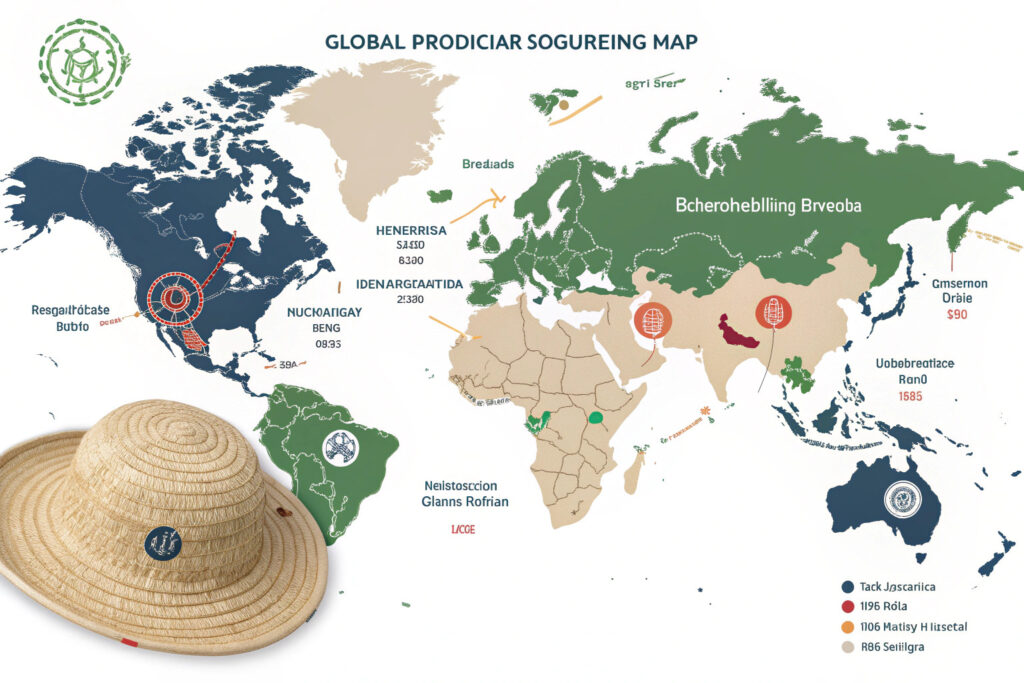
Biodegradable straw boater hat production clusters in specific global regions where traditional weaving techniques meet modern sustainable practices. Understanding these regional specialties helps identify suppliers with the right combination of craftsmanship and environmental consciousness.
Different regions offer distinct advantages in material availability, artisan skills, and sustainability certifications. The most effective sourcing strategy often involves partnering with suppliers who leverage local material resources and traditional techniques.
Why Consider European Artisan Suppliers?
Italian milliners in the Montecatini region have centuries of experience with natural straw weaving techniques adapted for modern biodegradable requirements. French artisans in the Dordogne valley specialize in raffia and wheat straw boaters using traditional methods that minimize environmental impact. British hatmakers have revived heritage techniques using locally sourced willow and rye straw for completely biodegradable boaters. These European suppliers typically hold multiple environmental certifications and provide detailed material traceability from field to finished product. The combination of traditional craftsmanship and modern sustainability practices makes European suppliers particularly reliable for quality biodegradable boaters.
What Advantages Do Asian Manufacturers Offer?
Vietnamese weaving communities in the Mekong Delta have generations of experience with water hyacinth and seagrass weaving techniques that produce durable yet biodegradable hats. Chinese manufacturers in Fujian province have developed advanced processing methods for bamboo straw that maintain natural biodegradability while enhancing durability. Philippine artisans specialize in abaca and raffia weaving using traditional patterns adapted for contemporary boater hat styles. These Asian suppliers often offer competitive pricing due to local material availability and established production ecosystems while maintaining strong environmental practices. The region's rich weaving heritage combined with modern manufacturing capabilities creates unique sourcing opportunities.
How to Evaluate Production Methods and Quality?
Beyond materials and certifications, understanding production methods is essential for ensuring biodegradable straw boaters meet quality expectations while maintaining environmental integrity. The manufacturing process significantly impacts both product durability and biodegradability.
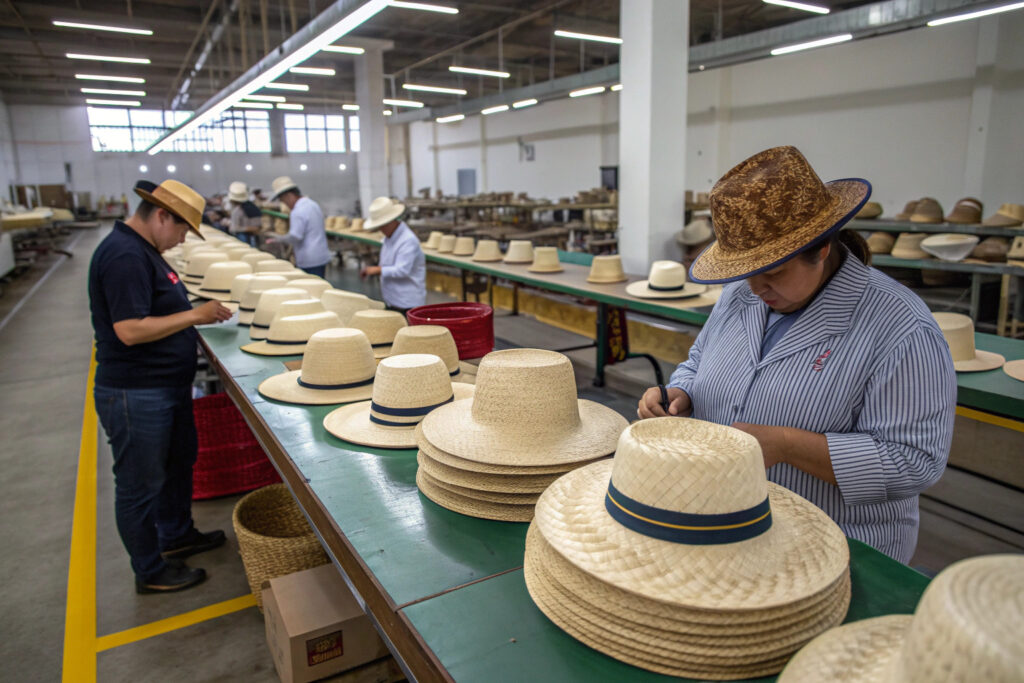
Traditional hand-weaving techniques often produce higher quality biodegradable hats than machine production, though modern manufacturers have developed hybrid approaches that maintain quality while increasing efficiency. Evaluating these methods ensures sourced products meet both aesthetic and environmental standards.
What Traditional Techniques Ensure Quality?
Hand-blocking methods using wooden forms create the distinctive flat boater crown and brim while maintaining natural fiber integrity better than heat-based shaping processes. Traditional braiding techniques like the Lebanon wave and English plat create the characteristic boater pattern without synthetic stabilizers that could impede biodegradation. Natural stiffening methods using plant-based gums and resins maintain shape without introducing synthetic chemicals. Hand-stitched finishing with natural cotton or linen thread ensures all components biodegrade at similar rates. These time-honored techniques often produce superior results to mass-production methods while supporting artisanal communities.
How Do Modern Methods Enhance Sustainability?
Water-based natural dyes derived from plant sources provide color options without heavy metals or synthetic compounds that could slow decomposition. Laser cutting technology reduces material waste during brim and crown formation compared to traditional cutting methods. Energy-efficient drying systems powered by renewable sources minimize carbon footprint during moisture removal from natural fibers. Digital inventory management reduces overproduction and waste through precise demand forecasting and made-to-order manufacturing. These modern approaches complement traditional techniques to create a more sustainable production ecosystem.
Conclusion
Sourcing biodegradable straw boater hats requires careful evaluation of materials, certifications, manufacturing methods, and supplier transparency to ensure both environmental integrity and product quality. The most successful sourcing strategies identify partners who balance traditional craftsmanship with modern sustainable practices, providing detailed documentation to support their environmental claims while delivering hats that meet aesthetic and functional expectations.
As consumer demand for genuinely sustainable products continues growing, suppliers offering transparently sourced and manufactured biodegradable straw boaters will increasingly distinguish themselves in the marketplace. By thoroughly vetting potential partners across multiple sustainability dimensions, buyers can source boater hats that align with environmental values without compromising on the style and quality that make these timeless accessories enduringly popular.