The global packaging industry is undergoing a green revolution, with consumers and brands increasingly demanding sustainable alternatives to traditional plastic packaging. For hat manufacturers and retailers, finding reliable biodegradable packaging solutions that protect products while minimizing environmental impact has become both a challenge and a competitive advantage.
The most effective biodegradable hat packaging solutions can be sourced from specialized eco-packaging manufacturers offering materials like molded pulp, cornstarch-based bioplastics, mushroom packaging, and recycled paper products that provide adequate protection while completely breaking down in commercial composting facilities.These solutions combine functional performance with environmental responsibility, meeting both consumer expectations and regulatory requirements for sustainable packaging.
This comprehensive guide explores the various biodegradable packaging options available for headwear, identifies reliable suppliers, evaluates material performance, and provides practical implementation strategies for transitioning to eco-friendly packaging solutions.
What materials work best for biodegradable hat packaging?
Selecting the right biodegradable materials is crucial for ensuring both product protection and environmental compatibility. Different materials offer varying levels of protection, decomposition rates, and aesthetic appeal for hat packaging applications.
The most effective biodegradable packaging materials for hats include molded fiber from recycled paper, PLA (polylactic acid) bioplastics from cornstarch, mushroom-based packaging, and seaweed derivatives that provide cushioning, structure, and moisture resistance while maintaining complete biodegradability.
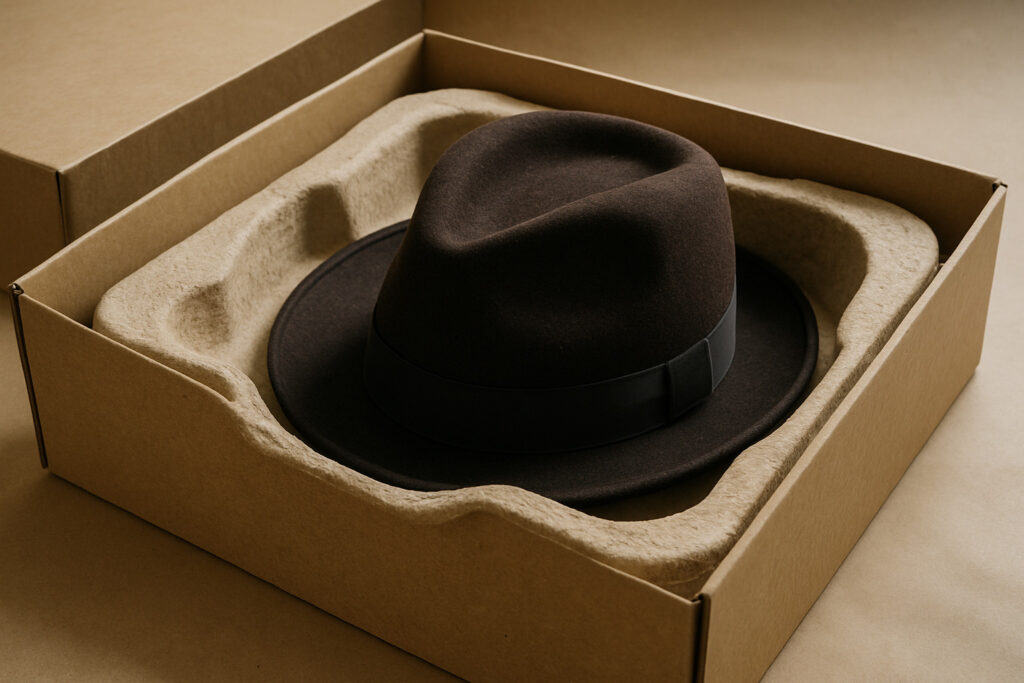
How does molded pulp protect hats during shipping?
Molded pulp packaging, created from recycled paperboard or agricultural waste, offers excellent protection for hats through its custom-formfitting capabilities. The molding process allows manufacturers to create precise shapes that cradle hat crowns and brims, preventing deformation during transit. This material provides superior shock absorption compared to many plastic alternatives, with the added benefit of being both recyclable and compostable. For premium hat brands, molded pulp can be finished with water-based coatings for enhanced durability while maintaining biodegradability. The material typically decomposes within 90 days in commercial composting facilities, leaving no toxic residues.
What are the advantages of mushroom-based packaging?
Mushroom packaging, grown from mycelium and agricultural waste, represents a breakthrough in sustainable packaging technology. This biofabrication process creates custom-shaped packaging that's both lightweight and remarkably protective. The material naturally bonds to form protective structures around hat forms, creating a perfect fit without additional manufacturing steps. Mushroom packaging is completely home-compostable, breaking down within 45 days in garden soil, and requires significantly less energy to produce than traditional packaging materials. Its natural antimicrobial properties also help protect hats from mildew and odors during storage and shipping.
Which suppliers specialize in eco-friendly packaging solutions?
Finding reliable suppliers for biodegradable packaging requires careful evaluation of their material sourcing, manufacturing processes, and certification credentials. The most reputable suppliers combine technical expertise with genuine environmental commitment.
Trusted biodegradable packaging suppliers typically hold recognized environmental certifications, maintain transparent supply chains, offer custom design services, and provide comprehensive documentation about their products' decomposition processes and environmental impact.
What certifications indicate genuine biodegradable packaging?
Several key certifications help identify truly biodegradable packaging solutions. The BPI Certification verifies that products will compost in commercial facilities, while the TUV Austria OK compost HOME certification indicates home compostability. For paper-based packaging, FSC (Forest Stewardship Council) certification ensures responsible forestry practices. The USDA Certified Biobased Product label confirms the renewable content percentage. Suppliers holding these certifications typically undergo regular audits and testing to maintain their status, providing assurance that their packaging meets strict environmental standards. We recommend prioritizing suppliers with multiple certifications to ensure comprehensive environmental compliance.
How to evaluate supplier sustainability claims?
Evaluating supplier sustainability requires examining their entire production chain rather than just final product claims. Reliable suppliers provide Life Cycle Assessment reports detailing their products' environmental impact from raw material extraction to end-of-life disposal. They should transparently share their energy sources, water usage statistics, and waste management practices. Additionally, reputable suppliers often participate in circular economy initiatives like take-back programs or packaging recycling schemes. When vetting potential suppliers, request documentation of their material sourcing policies, manufacturing emissions data, and third-party verification of their biodegradability claims to ensure genuine environmental responsibility.
How to implement biodegradable packaging effectively?
Successful implementation of biodegradable packaging requires strategic planning around cost management, supply chain integration, and customer education. A phased approach helps minimize disruption while maximizing environmental benefits.
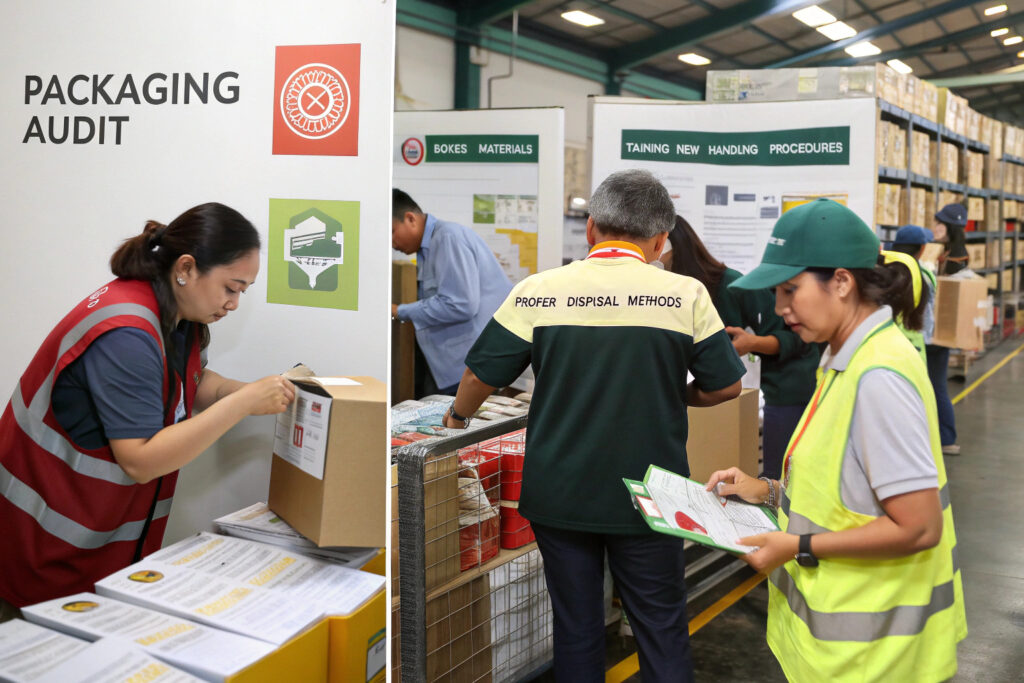
Effective implementation involves conducting packaging audits, selecting appropriate materials for specific hat types, training staff on new handling procedures, and developing clear communication strategies to educate customers about proper disposal methods.
What are the cost considerations for switching to biodegradable packaging?
Transitioning to biodegradable packaging typically involves higher material costs but can yield long-term savings and brand benefits. Initial costs include mold development fees for custom-shaped packaging, which range from $2,000-$8,000 depending on complexity. Material costs per unit are generally 15-40% higher than conventional plastics but decreasing as production volumes increase. However, these costs are often offset by reduced shipping expenses due to lighter materials, potential tax incentives for sustainable businesses, and increased sales from environmentally conscious consumers. We recommend calculating total cost of ownership rather than just unit price to accurately assess the financial impact.
How to ensure packaging protects hats throughout the supply chain?
Ensuring adequate protection requires thorough testing of biodegradable packaging under real-world conditions. Conduct distribution testing that simulates vibration, compression, and drop impacts during shipping. For hat packaging specifically, test how well the packaging maintains crown shape and protects delicate materials like straw, felt, or structured fabrics. Many biodegradable materials have different performance characteristics than plastics—for example, some may be more susceptible to moisture or have different compression strength. Work with your supplier to conduct these tests and modify designs as needed. Implementing additional protective elements like tissue paper wraps or hat forms made from recycled cardboard can provide extra security while maintaining sustainability.
What are the latest innovations in sustainable packaging?
The biodegradable packaging field is rapidly evolving, with new materials and technologies emerging regularly. Staying informed about these developments can provide competitive advantages and further enhance environmental performance.
Recent innovations include algae-based packaging films, water-soluble polymers, self-fertilizing packaging containing seeds, and smart packaging that indicates decomposition readiness through color-changing indicators.
How are seaweed and algae transforming packaging?
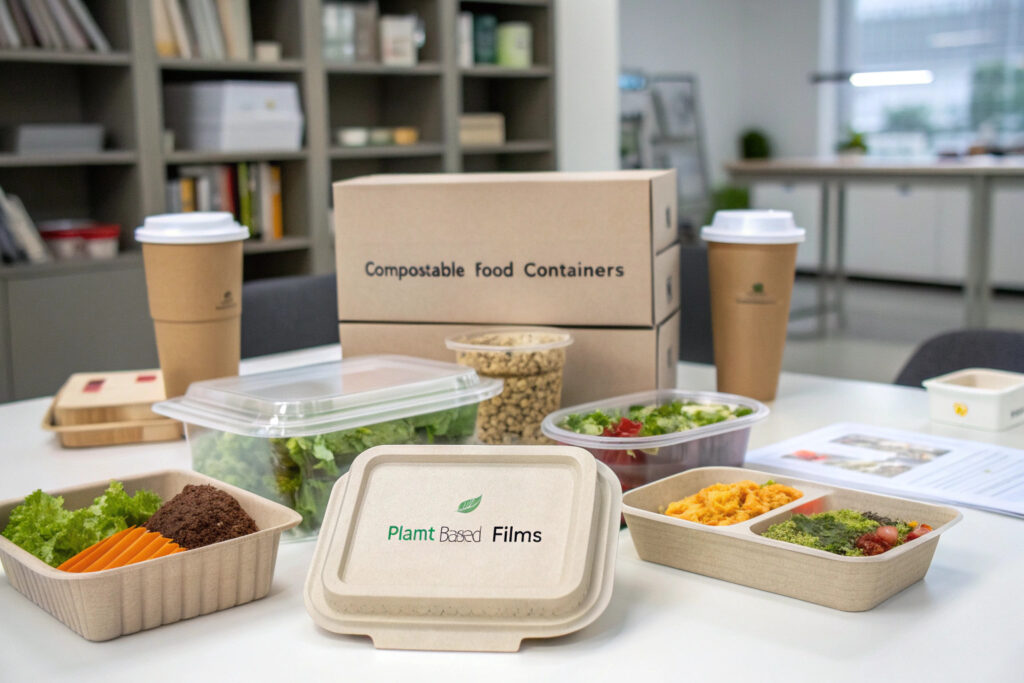
Seaweed and algae represent the next frontier in biodegradable packaging, offering carbon-negative production while utilizing abundant marine resources. These materials can be processed into flexible films that provide excellent moisture barrier properties—crucial for protecting hats from humidity during shipping and storage. Unlike land-based crops, seaweed requires no freshwater, fertilizer, or arable land to grow, making it exceptionally sustainable. Some algae-based packaging actually absorbs carbon dioxide during decomposition, creating a net positive environmental impact. Several forward-thinking packaging suppliers now offer seaweed-based options that decompose in water within hours or in soil within weeks.
What role do smart technologies play in sustainable packaging?
Smart technologies enhance sustainable packaging by improving functionality and ensuring proper end-of-life handling. QR codes printed with soy-based inks can direct consumers to local composting facilities or provide disposal instructions in multiple languages. Some advanced biodegradable materials incorporate temperature-sensitive indicators that change color when the packaging is ready for composting. RFID tags made from paper or bioplastic can track packaging through the supply chain and recycling streams, providing valuable data for optimizing sustainability performance. These technologies help bridge the gap between innovative materials and consumer behavior, ensuring packaging achieves its intended environmental benefits.
Conclusion
Transitioning to biodegradable hat packaging requires careful supplier selection, material evaluation, and implementation planning, but offers significant environmental and brand benefits. The most successful approaches combine technical performance with genuine sustainability, creating packaging solutions that protect both your products and the planet.
At Global-Caps, we've implemented comprehensive biodegradable packaging across our product lines, reducing our plastic usage by 85% while maintaining excellent product protection. Our experience with various sustainable materials allows us to recommend the most effective solutions for different hat types and shipping requirements. To discuss biodegradable packaging options for your headwear collection, contact our Business Director Elaine at elaine@fumaoclothing.com. Let us help you make your packaging as sustainable as your products.