
Stadium merchandise operations face unique security challenges, with high-value branded hats being particularly vulnerable to theft during crowded events. Traditional security tags often detract from product appearance and can be easily removed, creating the need for discreet yet effective anti-theft solutions that integrate seamlessly with headwear.
Anti-theft RFID labels provide the ideal solution for stadium merchandise, combining inventory management capabilities with theft prevention in a single, discreet package. These specialized tags incorporate EAS (Electronic Article Surveillance) technology within RFID labels that can be seamlessly integrated into hat construction. The most effective solutions are specifically designed for textile applications, offering durability through washing and wear while maintaining reliable security performance.
Finding the right supplier requires understanding the specific requirements of stadium retail environments and the technical specifications that ensure both security and customer convenience.
What Technical Specifications Matter for Stadium RFID Labels?
Stadium environments demand RFID labels that balance security effectiveness with practical considerations for high-volume retail operations. Understanding the technical requirements ensures you select labels that perform reliably under specific stadium conditions.
The most critical specifications for stadium RFID hat labels include operating frequency, detection range, physical durability, and integration method. UHF RFID labels operating at 860-960 MHz provide the best combination of read range and inventory management capabilities, while integrated EAS systems trigger standard security alarms. The technical performance of these labels must be verified for consistency across varied stadium environments with potential interference from metal structures and electronic devices.

How Does Frequency Selection Impact Stadium Performance?
Frequency selection directly affects read reliability and detection range in stadium environments. UHF RFID systems offer superior read ranges of 5-10 meters, enabling efficient inventory management from a distance, while HF systems provide shorter ranges but better performance near liquids and metals. For stadium merchandise operations, UHF Gen 2 RFID typically delivers the optimal balance, allowing for both security gates and handheld inventory scanning without direct line-of-sight requirements. This flexibility is crucial for managing backstock and performing quick inventory counts during busy events.
What Durability Requirements Ensure Long-Term Performance?
Stadium RFID labels must withstand handling, moisture exposure, and potential cleaning while maintaining functionality. Key durability specifications include IP67 waterproof ratings for outdoor stadium conditions, temperature resistance for storage variations, and flex endurance to prevent damage when hats are tried on. Labels should maintain performance standards through typical product lifespan, with specialized adhesive systems ensuring secure attachment to various hat materials without damaging fabrics or leaving residue upon authorized removal.
Which Suppliers Specialize in Textile RFID Solutions?
The RFID market includes numerous suppliers, but only a subset specializes in solutions specifically designed for textile and apparel applications, including headwear. These specialized providers offer products optimized for integration with fabric-based products.
Leading suppliers of textile RFID solutions include companies with expertise in label engineering for fashion and apparel applications. These suppliers understand the unique requirements of merchandise retail, including aesthetic considerations, washing durability, and integration methods that preserve product quality while providing security functionality. Their industry expertise ensures solutions that work within the constraints of hat manufacturing and merchandising.

What Differentiates Textile RFID Specialists from General Suppliers?
Textile RFID specialists offer products specifically engineered for integration with fabrics, featuring flexible substrates that move with materials, specialized adhesives that bond with textiles without staining, and form factors designed for discreet placement in headwear. These suppliers typically provide custom integration services that help manufacturers incorporate RFID during production rather than as an afterthought. This approach results in more reliable performance and better preservation of product aesthetics compared to generic RFID labels adapted for textile use.
How Can You Verify Supplier Capabilities and Reliability?
Evaluating RFID suppliers requires checking their experience with similar stadium or retail clients, requesting performance data from independent testing, and reviewing case studies demonstrating successful implementations. Reputable suppliers should provide certification documentation showing compliance with relevant standards, samples for testing in your specific environment, and references from other merchandise operations. This due diligence is essential for ensuring the selected solution will perform reliably during high-pressure stadium events.
What Integration Methods Work Best for Hat Labeling?
Successful implementation of anti-theft RFID labels in stadium merchandise requires careful consideration of integration methods that balance security, aesthetics, and customer experience. The placement and attachment method significantly impact both effectiveness and merchandise appeal.
The most effective integration methods for hats include label placement in discreet yet secure locations that don't interfere with wearability or design aesthetics. Common approaches include embedding labels under fabric layers, attaching to size tags or brand labels, and incorporating within hat construction elements like sweatbands or crown reinforcement. These integration techniques ensure security functionality while maintaining product quality and appearance.

Which Placement Locations Offer Optimal Security and Discretion?
Strategic placement is crucial for effective RFID implementation in headwear. The most secure locations include inside the sweatband where detection is consistent but removal is difficult, between crown fabric and lining where labels are completely concealed, and integrated into size tags where they appear to be standard product information. These placement strategies ensure labels remain functional throughout the customer try-on process while being difficult to locate and remove without authorization. The optimal location varies by hat style, with different approaches needed for baseball caps, beanies, and structured headwear.
How Does Integration Method Impact Customer Experience?
The integration method directly affects how customers interact with merchandise and their perception of product quality. Visible or bulky security tags can deter trying on and purchasing, while poorly placed labels may cause discomfort during wear. Well-integrated RFID solutions should be completely undetectable during normal use, preserving the shopping experience while providing security. This consideration is particularly important for high-value stadium merchandise where customer experience directly impacts sales conversion and brand perception.
What Are the Implementation Considerations for Stadium Operations?
Successful deployment of anti-theft RFID systems requires planning beyond simply selecting and applying labels. Stadium environments present unique operational challenges that must be addressed during implementation planning.
Key implementation considerations include detection system placement, staff training, deactivation processes, and system integration with existing point-of-sale and inventory management systems. The operational workflow must be designed to maintain security while enabling efficient sales during peak periods when stadium shops experience intense customer traffic.
How Should Detection Systems Be Configured for Stadium Environments?
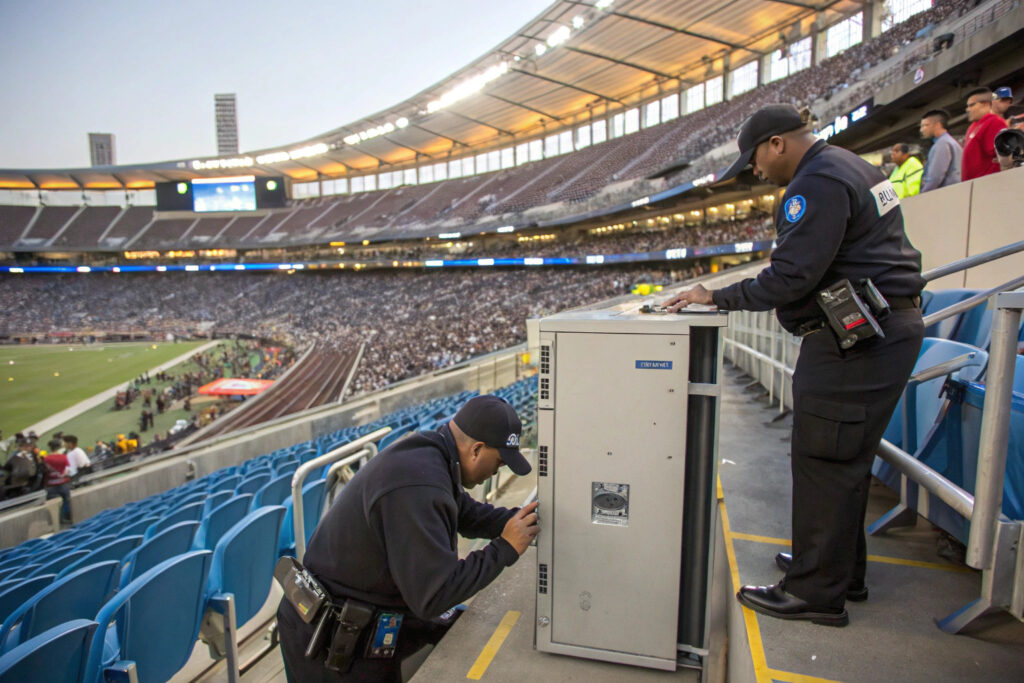
Stadium merchandise locations present unique challenges for RFID detection systems, including high foot traffic, architectural features that may create blind spots, and potential interference from other electronic systems. Optimal configuration typically involves strategic placement of detection gates at all exits, including secondary and staff exits that may be overlooked. Systems should be calibrated to account for metal infrastructure common in stadium construction and tested under realistic crowd conditions to ensure reliable performance during actual events.
What Staff Training and Process Changes Are Required?
Effective RFID implementation requires comprehensive staff training covering tag application, system operation, exception handling, and customer communication. Frontline staff should understand response protocols for alarm events that maintain customer service standards while ensuring security. Cashier training must include proper deactivation procedures to prevent false alarms after purchase, and management should have tools to monitor system performance and identify potential issues before they impact operations.
Conclusion
Implementing anti-theft RFID labels for stadium merchandise requires careful consideration of technical specifications, supplier capabilities, integration methods, and operational implementation. The right solution provides effective theft prevention while seamlessly integrating with merchandise appearance and stadium retail operations, protecting revenue without compromising customer experience.
If you're looking to implement RFID security solutions for your stadium merchandise operations, our expertise in textile-integrated RFID systems can help develop a customized approach. Contact our Business Director Elaine at elaine@fumaoclothing.com to discuss how anti-theft RFID labels can protect your hat inventory while maintaining product quality and customer experience.