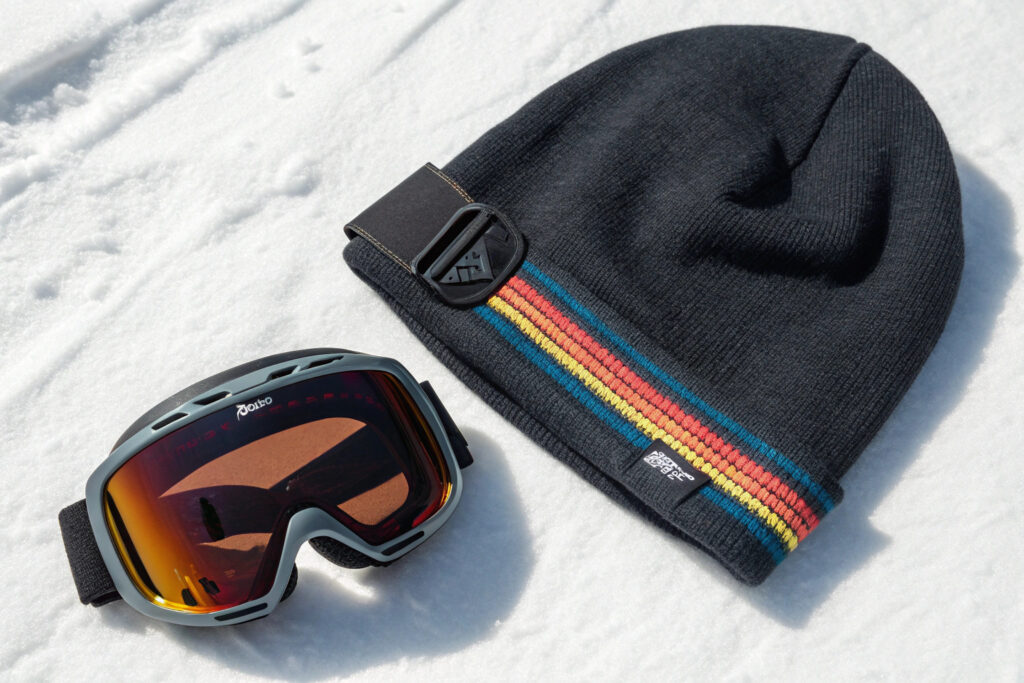
For skiers and snowboarders, few things are more frustrating than a beanie that ruins your day on the slopes. A standard hat that fits poorly can push your goggles up, break their seal against your face, and force warm, moist air from your forehead directly onto the cold lens. This is a perfect recipe for fogging, a common problem in cold climates, which can completely ruin your vision and safety. Finding the right beanie is crucial for keeping your goggles clear and your head warm.
To source anti-fogging ski goggle-compatible beanies, you need to identify manufacturers that specialize in performance headwear, understand the key material and design features that ensure compatibility, and leverage platforms that connect brands with OEM/ODM factories. The ideal beanie is a technical accessory, not just a casual winter hat. It must be designed for a low-profile fit under goggles, use high-performance moisture-wicking materials to manage the sweat that causes fogging, and meet the quality standards expected by outdoor enthusiasts.
The good news is that manufacturers for this niche product exist within the broader outdoor and sportswear industry. While no search result provided a single, definitive source, the information available points to clear pathways for finding and developing this product, whether you are looking for a branded item for retail or a custom design for your own label.
Where to Find OEM Suppliers for Custom Beanies?
Your search for a manufacturing partner should focus on regions and platforms known for technical apparel production. A general knitwear factory likely lacks the expertise for this niche, so targeting specialists is key.
The most efficient starting point is major B2B manufacturing platforms like Alibaba.com. Use specific keyword combinations such as "ski beanie OEM," "performance beanie factory," or "technical winter hat manufacturer." Filters like "Trade Assurance," "Verified Supplier," and those offering "OEM/ODM" services are crucial. Review supplier profiles for evidence of work with outdoor or sports brands.
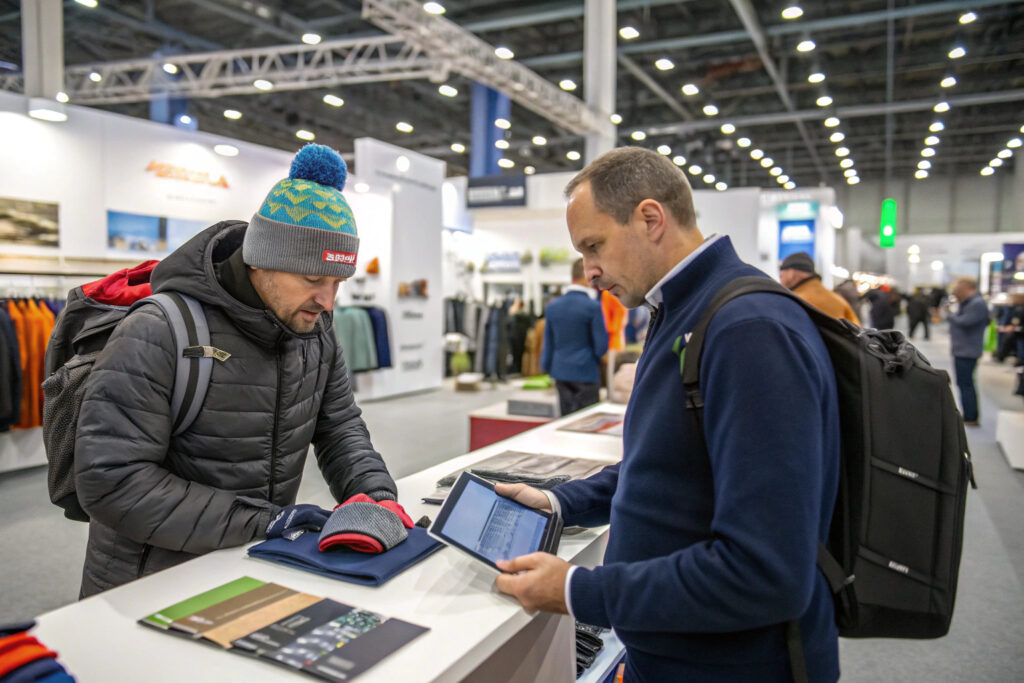
Attending international trade shows is highly effective for building relationships. Events like ISPO (Munich) or Outdoor Retailer (USA) allow you to meet factory representatives, inspect sample quality, and discuss customization capabilities face-to-face. This direct interaction is invaluable for vetting a supplier's true expertise in performance wear.
How do you vet a potential factory? Beyond quoting minimum order quantities (MOQs), assess their material sourcing capability. Can they access or recommend high-performance fabrics like Merino wool or advanced synthetics? Request to see past projects involving technical apparel or collaborations with known brands. For a project requiring precise fit and function, partnering with an experienced headwear manufacturer like shanghaifumaoclothing can provide the necessary expertise from design to production.
What's the Best Sourcing Strategy for This Niche Product?
Given the product's specific requirements, a targeted sourcing strategy works best:
- Partner with a Technical Headwear Specialist: The ideal partner is a manufacturer with proven experience in ski, cycling, or running accessories. They understand the importance of fit, moisture management, and low-profile construction.
- Component-Driven Approach: If a perfect factory isn't found, you might source the specialized fabric yourself (e.g., from a Merino wool mill) and partner with a skilled knitting factory for assembly. This offers control but requires more supply chain management.
- Leverage Industry Networks: Use guides and contacts from related industries. For instance, factories that specialize in ski goggles often have connections to complementary accessory manufacturers. Inquiring with them can lead to qualified referrals.
Which Certifications and Factory Audits Are Important?
For performance and ethical credibility, prioritize factories with relevant certifications:
- Material Certifications: OEKO-TEX Standard 100 ensures fabrics are free from harmful substances. RWS (Responsible Wool Standard) or GRS (Global Recycled Standard) can verify sustainable material claims.
- Social Compliance: Audits like BSCI or SMETA ensure ethical labor practices.
- Quality Management: An ISO 9001 certification indicates a structured quality management system.
A factory audit, either in-person or virtual, should check their sample development process, quality control checks, and stitching capabilities for technical garments.
What Are the Key Design Features for Goggle Compatibility?
The concept of "goggle-compatibility" is engineered through specific design and material choices. When evaluating samples or creating a tech pack, these features are non-negotiable.
Fit and silhouette are paramount. The beanie must have a slim, low-profile design to prevent lifting the goggle frame. Key terms to look for or specify include "helmet-compatible," "low-volume," or "regular fit." The crown should not be too tall, and the overall silhouette should be smooth to avoid creating gaps in the goggle's facial seal.
Seam placement and construction are critical details. Thick or poorly placed seams on the forehead can create pressure points and break the goggle seal. Ideally, the forehead area should be seamless or use flat-lock stitching to minimize bulk. The beanie should also have enough inherent stretch to conform to the head without being tight, and a silicone gripper or similar feature on the inner band can help prevent it from riding up.
How do you test the fit during sampling? The fit sample must be tested with the actual goggles you intend to pair it with. Wear the combination for at least 30 minutes during moderate activity. Check for any upward pressure on the goggles, discomfort at the temples or forehead, and whether your peripheral vision is obstructed. This practical test is the only way to truly validate the design.
How Does Material Choice Directly Affect Anti-Fog Performance?
Fog forms when sweat vapor condenses on a cold lens. Therefore, the beanie's core function is moisture management. The right material wicks sweat away from the skin quickly.
- Merino Wool: Widely recognized as a premium choice, it offers excellent natural moisture-wicking, temperature regulation, and odor resistance. It's a common feature in products like the Jura Alpine Gear Merino Wool Touring Beanie.
- Technical Synthetics: Fabrics like polyester or nylon can be engineered for high wicking speeds and quick drying. Blends with wool combine benefits.
- Lining Technologies: Some beanies use a distinct inner layer, such as a "Dryarn® interior," which is specifically designed to pull moisture away from the skin.
A supplier should be able to provide or source fabrics with documented wicking performance data.
What Technical Details Must Be in a Tech Pack?
A comprehensive tech pack eliminates guesswork. For a goggle-compatible beanie, it must include:
- Detailed Dimensions: Specify finished head circumference, hat height (from band to crown), and depth.
- Material Specifications: List exact fabric composition (e.g., "100% 19.5-micron Merino Wool, 220gsm"), supplier codes if available, and required certifications (OEKO-TEX).
- Construction Details: Specify stitch type (e.g., "flat-lock seam in forehead panel"), the presence of a grip band, and any branding placement.
- Performance Criteria: Define measurable targets for moisture-wicking (e.g., "vertical wick test result < 30 sec") and pilling resistance.
How to Evaluate and Test Product Samples?
The sampling phase transforms your specifications into a tangible product. It's an iterative process where you verify both design and performance before approving mass production.
Begin by reviewing fabric swatches from the shortlisted factory. Assess the hand feel, thickness, stretch, and overall quality. Once approved, the factory will produce a prototype or fit sample. This sample tests the pattern, size, and basic shape. Your primary test is to wear it with goggles to check for the issues described earlier.
The most important sample is the Pre-Production Sample (PPS). It must be made with the final approved fabrics and construction methods. This is the sample you subject to rigorous functional testing. Beyond fit, you need to assess its moisture management under simulated or real conditions.
Why can't you skip rigorous sample testing? Fogging is a complex interplay of human physiology, gear, and environment. A beanie that looks right in a photo might fail in real use. Testing is your quality assurance and risk mitigation step. It ensures the factory has correctly interpreted your tech pack and that the product will perform as intended for the end-user.

What Does a Functional Testing Protocol Look Like?
Implement a structured test plan for your PPS:
- Integrated Fit & Comfort Test: Wear the beanie and goggles together for an extended period (1-2 hours) during light activity. Monitor for pressure points, goggle slippage, and overall comfort.
- Moisture-Wicking Simulation: During a workout or in a warm environment, observe how the inner surface of the beanie feels. Does it become damp quickly, or does it stay relatively dry? Compare against a control, like a cotton beanie.
- Durability Check: Perform a basic pilling test by rubbing the fabric against itself repeatedly to see if it pills easily, which can affect performance and appearance over time.
How to Ensure Consistency in Bulk Production?
Before full production, use the approved PPS as your gold standard reference. Hire a third-party inspection company to conduct a Pre-Shipment Inspection (PSI) on the bulk order. Their report should verify:
- Material Conformity: The fabric matches the PPS and approved swatches.
- Size and Construction Consistency: Measurements are within tolerance, and stitching is consistent.
- Function: A random subset of beanies should be checked for basic construction integrity.
Agreeing on an AQL (Acceptable Quality Level) standard with the factory beforehand defines the acceptable defect rate.
How to Manage Branding, Logistics, and Costs?
The final stage involves finalizing your product identity, getting it shipped efficiently, and understanding the full financial picture.
Branding and packaging are your finishing touches. Decide on label placement (often a small, flat label on the inside to avoid bulk), hangtag design, and any custom packaging. For a performance product, the packaging should reflect its technical nature. Ensure all branding is executed cleanly and does not affect the beanie's comfort or fit.
Plan logistics with foresight. For shipping from Asia, common terms are FOB (Free On Board) or EXW (Ex-Works). Using a freight forwarder is recommended to handle international shipping, customs clearance, and final delivery. Be aware of the correct Harmonized System (HS) code for "knitted hats" in your destination country to ensure smooth customs processing and accurate duty calculations.
How to calculate the true landed cost? Your total cost per unit is not just the factory's quoted price. You must add:
- Sample development costs
- Tooling costs for any custom labels or tags
- International shipping and insurance
- Import duties and taxes
- Any fees for sourcing agents or third-party inspections
Only by calculating this "landed cost per unit" can you set a viable retail price and understand your profit margin.
What Are the Key Considerations for Branding and Packaging?
For a technical product, branding should be subtle and functional:
- Labels: Use soft, printed labels or minimal embroidery to avoid skin irritation.
- Hangtags: Include key selling points like "Goggle-Compatible Fit," "Merino Wool," and "Moisture-Wicking" prominently.
- Packaging: Consider recyclable materials and compact design to reduce shipping volume and align with outdoor industry sustainability trends.
How to Choose the Right Logistics Partner and Incoterm?
Select a freight forwarder with experience in apparel and accessories. Discuss:
- Shipping Mode: Air freight is faster but more expensive; sea freight is cost-effective for large volumes but slower.
- Incoterms: FOB is common, where the factory is responsible for getting goods to the port of departure. You are responsible for main shipping and insurance.
- Customs Broker: Your forwarder can usually recommend or act as your customs broker to ensure all documentation (commercial invoice, packing list, certificate of origin) is correct.
Conclusion
Sourcing an anti-fogging, goggle-compatible beanie is a detailed process that blends product design insight with supply chain management. Success requires targeting specialized manufacturers, specifying precise technical features related to fit and moisture management, and rigorously testing samples to validate performance. Whether you aim to develop a custom product or source a ready-made design, prioritizing these engineering principles over basic aesthetics is essential for creating a reliable piece of winter sports gear.
For a project that demands this level of technical specification and quality execution, partnering with an experienced manufacturer is crucial. If you are looking to develop a high-performance beanie line, I recommend contacting the team at Shanghai Fumao Clothing. You can discuss your specific requirements with their Business Director, Elaine, at elaine@fumaoclothing.com.