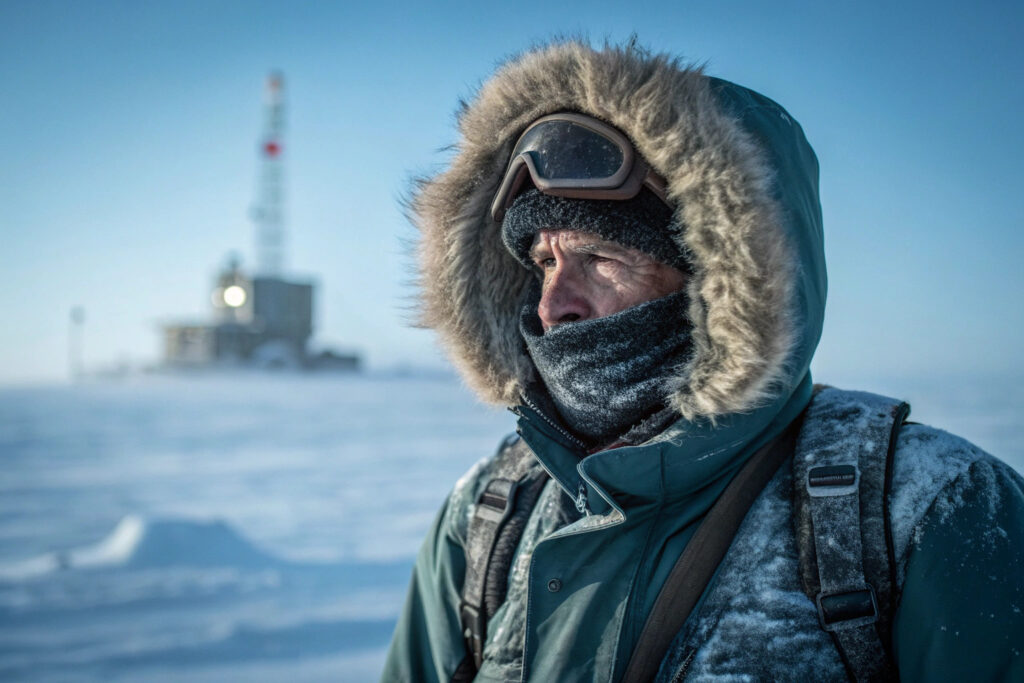
You're sourcing gear for one of the most extreme environments on Earth: an Antarctic research station. When it comes to personal equipment, headwear isn't just about comfort; it's a critical piece of survival gear. You need a hat that can withstand catastrophic wind chills, deep-freeze temperatures, and blizzard conditions. You're looking for the iconic, high-performance fur hat, often known as an Ushanka or Trapper hat, but built to a standard far beyond any fashion accessory.
The primary and most reliable source for genuine Antarctic-grade fur hats is to partner directly with specialized cold-weather outfitters and manufacturers who have a history of supplying polar expeditions and national Antarctic programs. These are not fashion brands; they are industrial suppliers who build gear to exacting technical specifications, often using a combination of real fur, high-performance synthetic insulation, and durable, windproof shells.
As a hat manufacturer with over two decades of experience at Shanghai Fumao Clothing, I have immense respect for gear designed for such uncompromising conditions. This is the pinnacle of functional design, where every stitch and material choice is a matter of safety. Sourcing these hats isn't like buying regular apparel. It involves engaging with a small, specialized group of experts who understand the science of cold. Let's explore where to find these elite suppliers.
Why Is Real Fur Still the Gold Standard in Antarctica?
In an era of advanced synthetic materials, you might wonder why real fur is still used for the most critical applications. While modern synthetics are excellent, real fur possesses a unique combination of properties that are incredibly difficult to replicate.
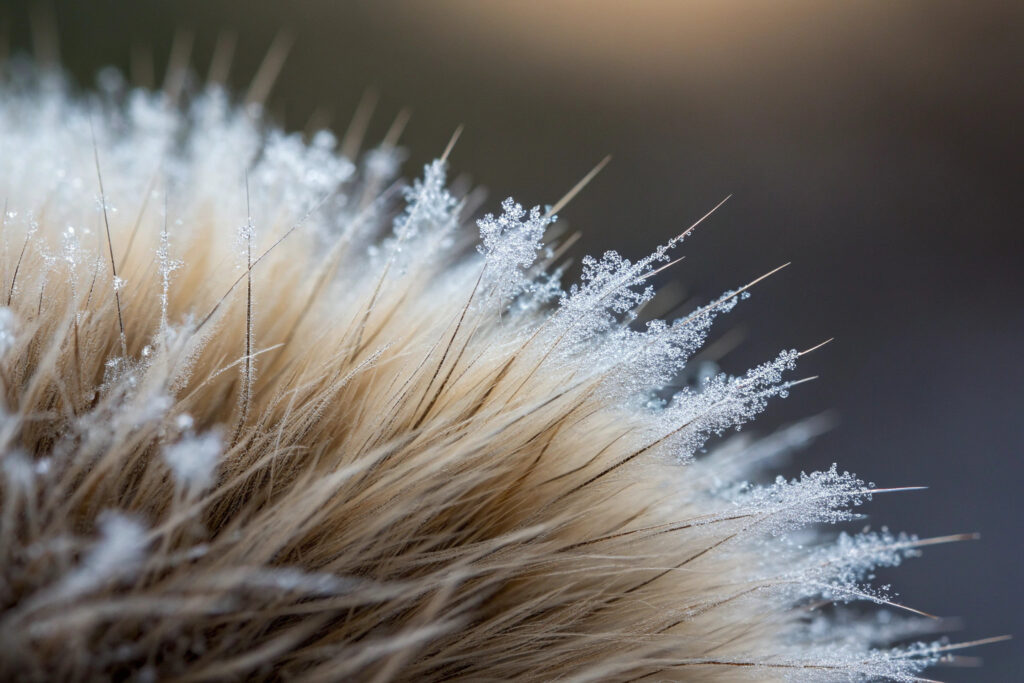
Real fur, particularly from animals adapted to cold climates like coyote or wolf, is the material of choice for the ruffs on parkas and the lining of extreme-weather hats for one primary reason: its unparalleled ability to manage moisture and frost in freezing temperatures. The complex structure of natural fur hairs—with a dense underfur for insulation and long guard hairs that shed snow and ice—is remarkably effective. Unlike synthetics, ice and frost do not readily adhere to the guard hairs, allowing it to be easily brushed away. This prevents a dangerous buildup of ice right next to the skin.
How Does Fur Handle Breath and Frost?
When you exhale in sub-zero temperatures, the moisture in your breath instantly freezes on any surface it touches. On a synthetic ruff, this moisture freezes into a solid, icy mass that blocks airflow and feels like a block of ice against your face. The natural oils and tapered structure of real fur guard hairs resist this. The ice crystals form on the very tips of the hairs, far from your skin. This creates a microclimate of warmer air around your face and allows the frozen condensation to be easily brushed off without damaging the material. This is a critical safety feature for preventing frostbite on the face.
What Makes Fur a Superior Windbreak?
The dense, multi-layered structure of a natural fur ruff creates a turbulent boundary layer of air. This effectively disrupts and slows down the wind before it can reach your face, significantly reducing the brutal effect of wind chill. While a fleece or synthetic pile lining can provide insulation, it doesn't manage airflow in the same sophisticated way. This is why the fur ruff on a parka hood and the fur trim on a hat are considered essential parts of a complete polar clothing system.
Who Are the Specialized Suppliers for Polar Programs?
You won't find these hats on Amazon or in a typical outdoor store. This is specialized industrial gear, often procured through government contracts or directly from a handful of expert manufacturers.
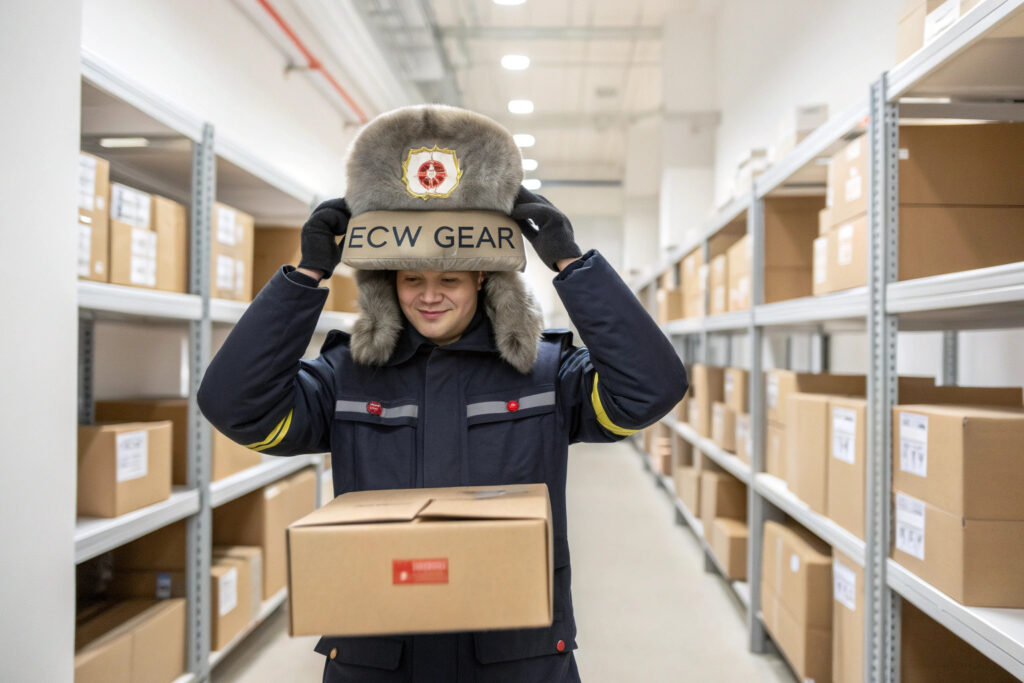
The most reputable suppliers are companies that have a long and proven history of outfitting national Antarctic programs, such as the United States Antarctic Program (USAP) or the British Antarctic Survey (BAS). These organizations issue their personnel with Extreme Cold Weather (ECW) gear that has been rigorously tested. The manufacturers who win these contracts are the gold standard. Companies like Canada Goose (specifically their expedition/industrial division) and smaller, more specialized makers are the primary sources.
How Do National Antarctic Programs Source Their Gear?
National programs like the USAP typically issue a complete set of ECW gear to their personnel. They source this gear through competitive government contracts. While the specific supplier can change from year to year, they are always chosen from a list of manufacturers who can meet incredibly strict technical specifications. In the past, this has included major brands known for their expedition-grade outerwear. To find current or past suppliers, you can research public procurement records or look for information on the official websites of these national programs.
Are There Independent Makers for This Niche?
Yes, and these are often your best bet for smaller orders or custom designs. There are a number of small, highly skilled workshops, particularly in Canada and the northern United States, that specialize in crafting custom fur hats and parka ruffs for mushers, Arctic bush pilots, and polar explorers. Companies like Alaska Tent & Tarp or Apocalypse Design are known for building gear that is trusted by people whose lives depend on it. These makers often offer more flexibility in design and material choices than the large-scale government contractors.
What Are the Key Specifications for an Antarctic Hat?
When you are sourcing or commissioning these hats, you need to speak the language of performance. The design is not arbitrary; every element is a solution to a specific environmental problem.
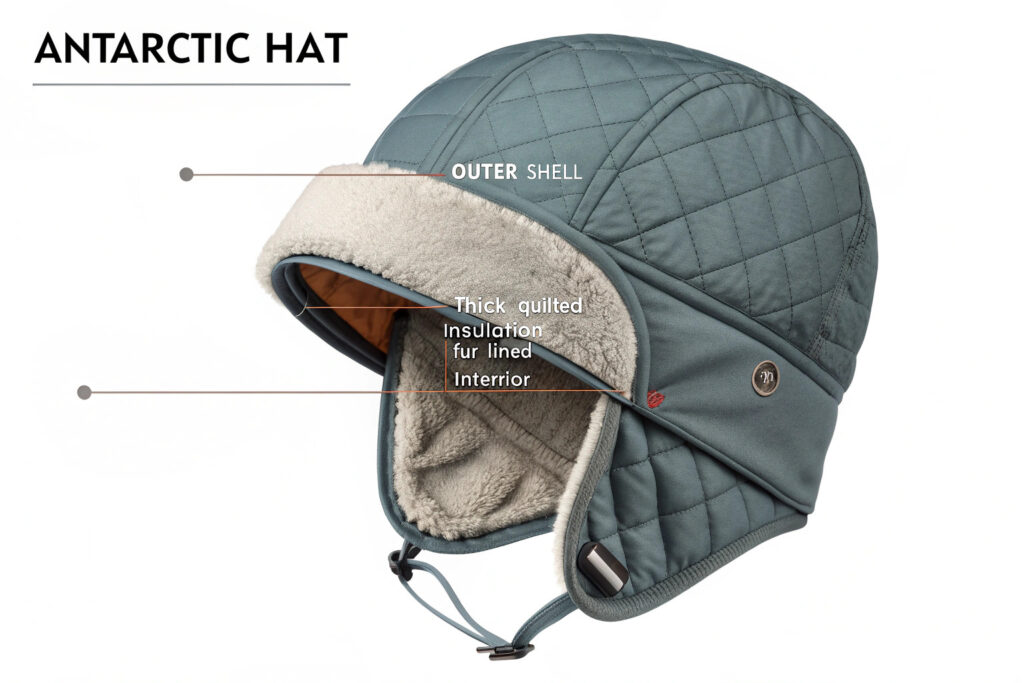
An authentic Antarctic-grade hat is a multi-component system. It must have a durable, windproof outer shell, a substantial layer of insulation, and a functional fur lining and trim. The construction must be robust, with reinforced stitching and no thermal weak points.
What Materials Should Be Used for the Shell and Insulation?
The outer shell must be completely windproof and highly water-resistant. A heavy-duty nylon or a poly-cotton blend, often with a DWR (Durable Water Repellent) finish, is a common choice. The material needs to be durable and remain flexible in extreme cold. For insulation, a thick layer of high-quality synthetic fill (like PrimaLoft® or Thinsulate™) or down is used in the crown of the hat. Synthetic insulation is often preferred as it retains its insulating properties better if it happens to get damp.
What Are the Most Important Design Features?
The design must be a classic Ushanka or Trapper hat style. This includes long ear flaps that can be fastened securely under the chin to protect the cheeks and chin, or tied up on top of the head in milder conditions. The closure system must be robust and easy to operate with gloved hands—large buttons, snaps, or a sturdy buckle are essential. The fit should be snug enough to prevent wind from getting in but not so tight that it restricts blood flow. This is a piece of engineering where ergonomics and thermal science meet.
What Are the Ethical and Sustainable Alternatives?
The use of real fur is a sensitive issue, and many organizations and individuals prefer to use non-animal products. While real fur has unique properties, modern technology has produced some high-performance synthetic alternatives that are suitable for all but the most extreme polar conditions.
When sourcing alternatives, it's crucial to look for the highest-grade synthetic fur and performance fabrics available. You cannot simply replace real fur with the cheap faux fur found on a fashion jacket. You need a technical material specifically designed to mimic the properties of real fur.
What Defines a "High-Performance" Faux Fur?
A high-performance synthetic fur, suitable as an alternative, will have a very dense pile and a mix of different fiber lengths and thicknesses to try and replicate the underfur/guard hair structure of real fur. It will be treated with hydrophobic coatings to help it shed moisture and resist frosting. While it may not perform at the absolute peak level of real fur in managing breath condensation, a top-quality synthetic from a reputable textile mill like Polartec is a viable and ethical choice for the vast majority of Antarctic work.
Are There Other Design Considerations for Non-Fur Hats?
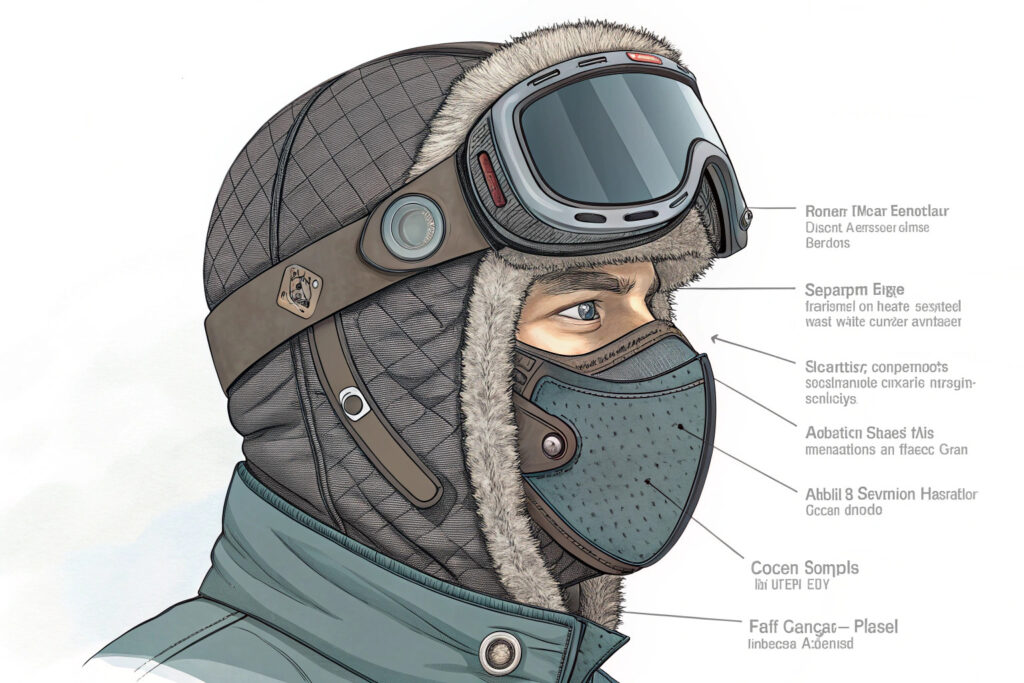
If you opt for a completely fur-free design, the hat must compensate in other areas. It might incorporate a more structured face mask or a neoprene nose and cheek cover to provide the wind-blocking and frost-protection functions that a fur ruff would normally handle. The design becomes more of a modular system, where different pieces (hat, balaclava, face mask, goggles) must integrate perfectly to provide complete protection.
Conclusion
Sourcing hats for an Antarctic research station is a serious undertaking that requires a focus on function over all else. The most reliable suppliers are the specialized manufacturers and custom workshops that provide gear for national polar programs and professional explorers. When specifying a hat, you must demand a design—typically a fur-lined Ushanka or Trapper hat—that incorporates a windproof shell, substantial insulation, and high-quality fur or a top-tier synthetic alternative for managing frost and wind. This is not an accessory; it's a piece of life-sustaining equipment. Engaging with the right expert supplier is the only way to ensure the safety and well-being of personnel in the harshest environment on the planet.
If you are a procurement officer for an expedition or a retailer specializing in extreme-weather gear, and you need to develop a line of headwear that meets these exacting standards, my company has the technical expertise and manufacturing capability to assist. Please contact our Business Director, Elaine, at elaine@fumaoclothing.com to discuss your specific requirements.