Are you preparing for safari adventures and wondering which hat styles best combine sun protection, durability, and professional appearance for tour guides? The right safari hat must withstand harsh African conditions while maintaining comfort during long game drives and walking tours.
The top hat styles for safari tour guides include wide-brimmed bush hats, technical safari caps, ventilated bucket hats, and classic safari helmets. These styles prioritize UPF 50+ sun protection, breathable construction, secure fit in windy conditions, and practical features like moisture-wicking bands and insect protection while maintaining a professional guiding appearance.As a leading manufacturer of professional outdoor headwear, shanghaifumaoclothing https://shanghaiGarment.com specializes in safari hat production for global hunting camps, tour operators, and outdoor.
Choosing appropriate headwear for safari guiding requires balancing multiple factors from sun protection to client expectations. Let's explore the specific hat styles that excel in the challenging safari environment.
Why Are Wide-Brimmed Bush Hats Essential for Sun Protection?
Full-brim designs provide comprehensive protection against the intense African sun while offering practical features for extended outdoor exposure.
What Design Features Maximize Sun Protection?
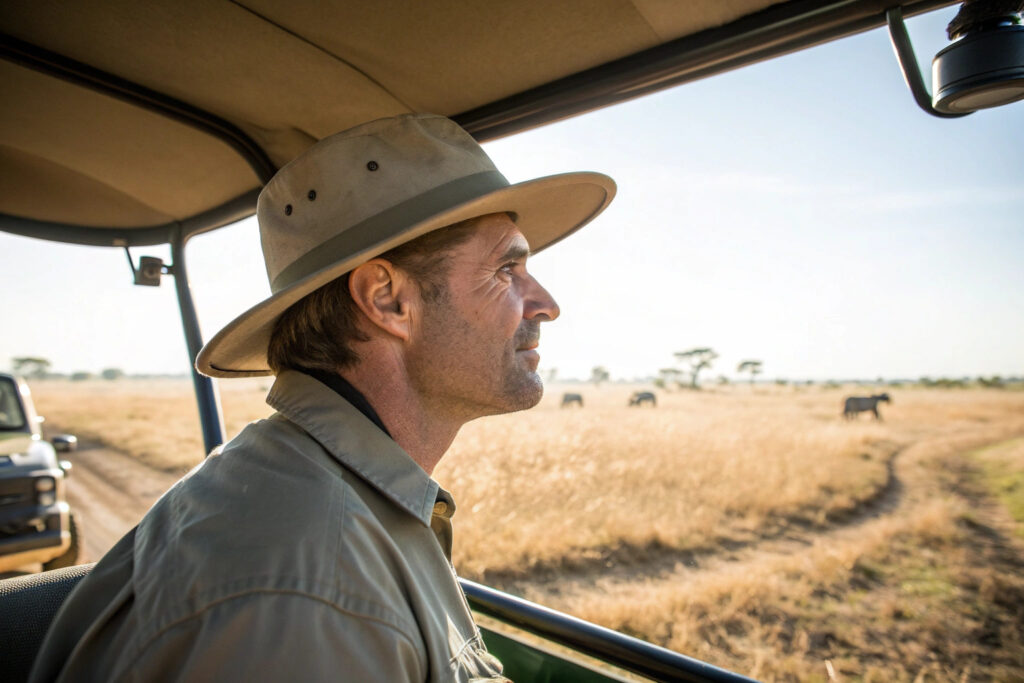
Wide-brimmed safari hats incorporate specific elements that provide superior sun defense. 4-5 inch brim circumference ensures complete ear, neck, and facial coverage from all sun angles. Dark-colored underbrims reduce ground glare and eye strain when scanning terrain. UPF 50+ rated materials block over 98% of harmful UV radiation, crucial for all-day exposure. Ventilated crown design prevents overheating while maintaining protection. These features are essential given the intense UV exposure in equatorial regions where most safaris operate, particularly during peak viewing hours.
How Do They Enhance Professional Guiding Performance?
Beyond basic protection, well-designed bush hats contribute directly to guiding effectiveness. Unobstructed peripheral vision allows continuous environmental scanning for wildlife spotting. Secure chin straps maintain position during vehicle movement and sudden head turns. Moisture management systems prevent sweat distraction during critical viewing moments. Quick-dry materials handle sudden rain showers without compromising comfort. These performance aspects support the professional guiding standards required for excellent client experiences and safety management. Explore our best-selling wide-brimmed bush hats for safari guides: UPF 50+ professional bush hats, moisture-wicking safari headwear.
What Makes Technical Safari Caps Ideal for Active Guides?
Baseball-style caps with safari-specific modifications offer practical advantages for guides requiring maximum mobility and equipment compatibility.
Which Technical Features Support Mobile Guiding?
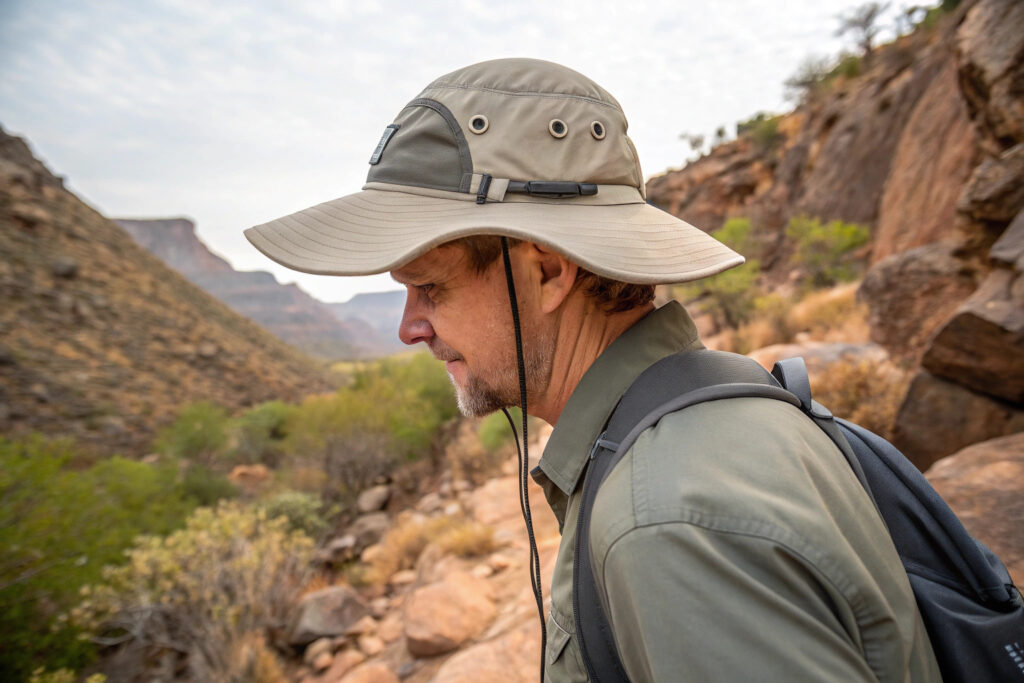
Modern safari caps incorporate specialized elements for active guiding scenarios. Extended neck flaps provide crucial nape protection without the bulk of full brims. Magnetic accessory clips secure sunglasses, radio accessories, or identification tags. Moisture-wicking technology manages perspiration during physical activities like walking tours. Compatible with communication headsets without creating pressure points or interference. These technical enhancements are particularly valuable for guides conducting walking safaris or managing multiple equipment items simultaneously.
How Do They Balance Protection and Practicality?
Technical caps strike an optimal balance for guides needing both protection and unimpeded movement. Low-profile design prevents interference with vehicle roofs and camera viewfinders. Adjustable fit systems accommodate different head sizes while maintaining security. Lightweight construction reduces neck strain during full-day wear. Quick-drying capabilities handle both perspiration and unexpected rainfall. This balance makes technical caps ideal for guides who frequently transition between vehicle-based and foot-based activities throughout their workday.
Why Choose Ventilated Bucket Hats for Humid Conditions?
Bucket hats provide excellent airflow and reliable protection in humid, tropical safari destinations where heat management is crucial.
What Ventilation Systems Work Best?
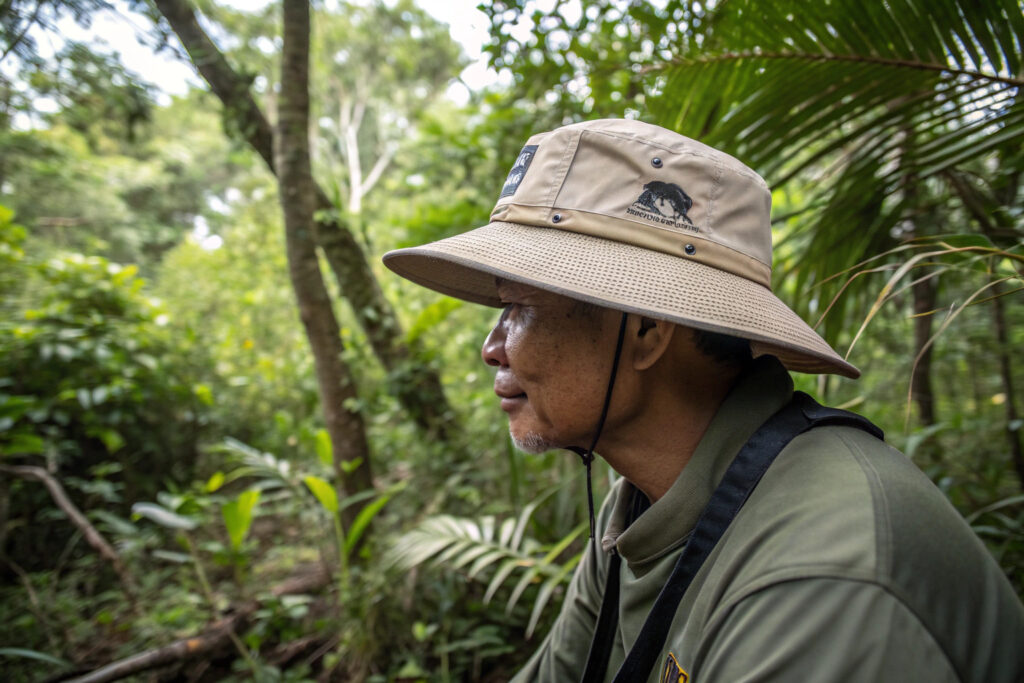
Effective airflow management distinguishes quality safari bucket hats. Mesh panel inserts in crown sections facilitate continuous air circulation. Multiple grommet systems create chimney effects that draw heat upward. Breathable moisture-wicking liners prevent sweat accumulation and skin irritation. Strategic perforations maintain structural integrity while maximizing ventilation. These systems are essential for maintaining comfort in high-humidity safari destinations where traditional hats can become unbearably hot.
How Do They Handle Variable Safari Conditions?
Versatile bucket hats adapt to changing safari environments and activities. Collapsible design allows easy storage during vehicle-based viewing sessions. All-around medium brim provides consistent protection during rotational wildlife scanning. Quick-dry materials handle both perspiration and sudden tropical downpours. Insect-resistant treatments offer protection in mosquito-prone areas. This adaptability makes bucket hats particularly suitable for guides working in diverse ecosystems with rapidly changing environmental conditions.
What Specialized Features Do Safari Hats Require?
Beyond basic style categories, successful safari hats incorporate specific features addressing unique guiding challenges and environmental factors.
How Do Weather-Specific Designs Enhance Performance?
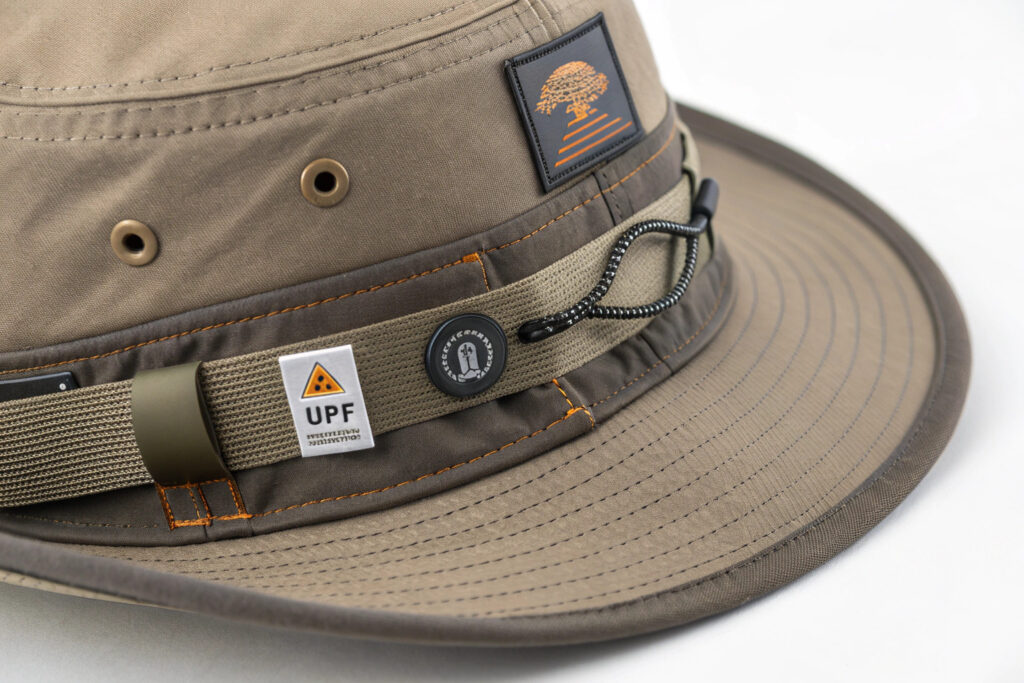
Safari hats must perform across diverse African climates and seasonal conditions. Water-resistant treatments protect against sudden rain showers without compromising breathability. Wind-resistant construction maintains secure fit during open-vehicle game drives. Insulated versions provide warmth during early morning and evening drives in cooler seasons. Sand and dust protection includes secure closures and smooth surfaces that don't trap particulate matter. These weather adaptations ensure guides remain comfortable and professional throughout seasonal variations in popular safari regions.
What Safety and Communication Features Matter Most?
Professional guiding requires integrated safety and communication elements. High-visibility elements ensure visibility to other guides and vehicles in dense terrain. Compatibility with radio equipment allows clear communication without removing headwear. Emergency whistle integration provides safety backup during walking excursions. Document storage includes discreet pockets for essential permits and identification. These features support the comprehensive safety protocols required for professional safari operations and client protection.
Conclusion
The top hat styles for safari tour guides—wide-brimmed bush hats, technical safari caps, ventilated bucket hats, and specialized safari helmets—each excel in specific guiding scenarios while sharing essential features like superior sun protection, secure fit, and professional appearance. The best choice depends on the specific safari environment, guiding activities, and seasonal conditions, with many professional guides maintaining multiple styles for different situations. To source professional-grade safari hats—visit shanghaifumaoclothing’s safari hat procurement page.
If you're looking to source or develop professional-grade safari headwear for guiding operations, we invite you to explore our specialized manufacturing capabilities. Our expertise in technical outdoor headwear and understanding of safari requirements can help you create hats that meet the demanding needs of professional guides. For more information about our safari hat production and customization options, please contact our Business Director Elaine at elaine@fumaoclothing.com. Let's create headwear that supports exceptional safari experiences.