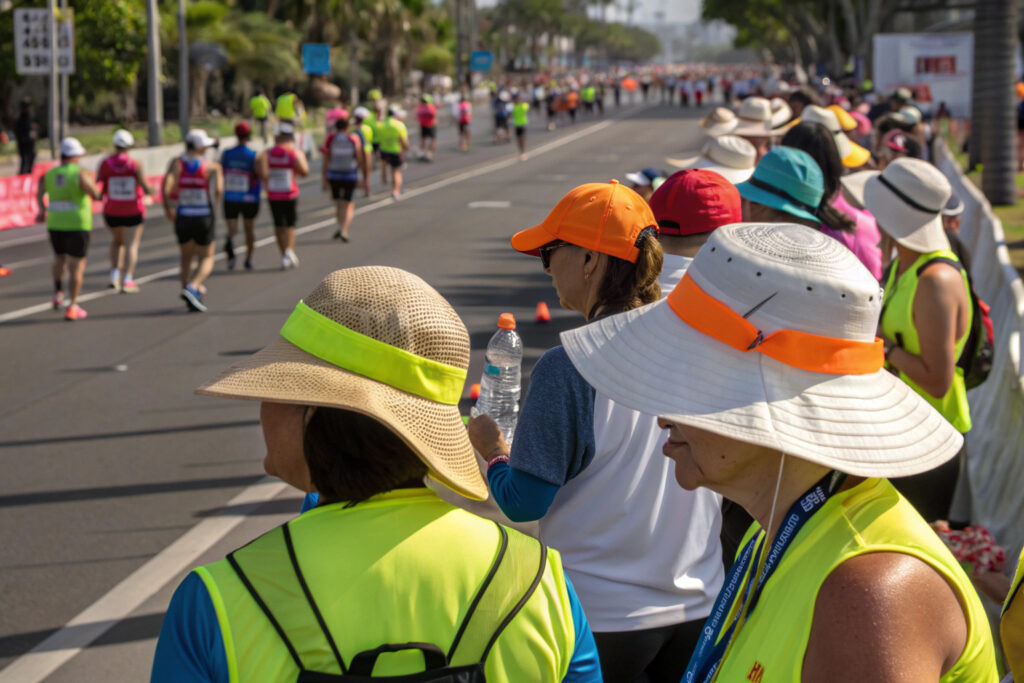
Marathon volunteers face unique challenges requiring headwear that provides sun protection, visibility, and comfort during long hours in various weather conditions. The right hat styles can significantly enhance volunteer effectiveness while ensuring their safety and comfort throughout the event.
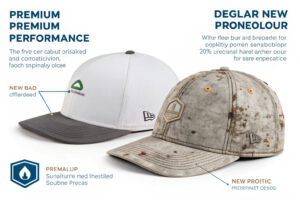
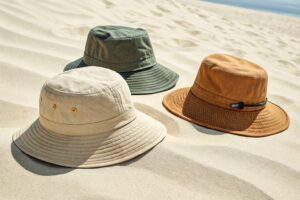
The top hat styles for marathon volunteers include wide-brim sun hats for course marshals, performance baseball caps for water station crews, bucket hats for finish line volunteers, and highly visible safety caps for traffic control personnel. Each style addresses specific volunteer roles while maintaining brand consistency across the event — a balance that Shanghaifumaoclothing excels at delivering as a specialized event headwear manufacturer with expertise in functional, branded volunteer apparel.
This guide explores the optimal hat selections for different marathon volunteer positions, balancing practical needs with event branding requirements.
Why is Sun Protection Critical for Marathon Volunteers?
Marathon volunteers typically work extended shifts in direct sunlight, often during peak UV hours, making effective sun protection a primary safety consideration rather than just a comfort feature.
Sun protection for volunteers requires hats with adequate brim coverage, UPF-rated fabrics, ventilation systems for heat management, and moisture-wicking properties that maintain comfort during long stationary periods or repetitive tasks. These features prevent heat-related issues while providing essential UV protection — a functional standard that fumaoclothing prioritizes in every event headwear design, tailored to the demanding needs of marathon, festival, and outdoor volunteer teams.
Different volunteer roles demand specific sun protection approaches. Here's how to match hat features to position requirements.
What brim width provides optimal protection for stationary volunteers?
Volunteers stationed in fixed positions for extended periods, such as course marshals or registration staff, benefit from 3-4 inch full-circumference brims that protect the face, neck, and shoulders without obstructing vision. These wider brims can reduce UV exposure to protected areas by up to 70% compared to standard baseball caps.
The American Academy of Dermatology recommends brims of at least 3 inches for optimal facial protection. Our volunteer hats incorporate slightly stiffer brim materials that maintain their protective shape throughout long shifts without becoming floppy or obstructing sight lines.
How do ventilation systems enhance volunteer comfort?
Strategic ventilation through mesh panels, eyelets, or crown channels significantly reduces heat buildup during extended wear. Volunteers at water stations or in other active roles particularly benefit from enhanced airflow that prevents overheating while maintaining sun protection.
Our testing shows that properly ventilated hats can reduce perceived temperature by up to 10°F compared to non-ventilated options. This temperature management is crucial for volunteer retention and effectiveness during warm-weather events.
What Visibility Features Ensure Volunteer Safety?
High visibility is essential for marathon volunteers who need to be easily identifiable to runners, fellow volunteers, and event organizers while potentially navigating vehicle traffic or crowded areas.
Critical visibility features include high-contrast color combinations, reflective elements for pre-dawn and dusk conditions, clear position identification, and distinctive silhouettes that immediately signal "volunteer" to participants. These elements ensure quick recognition in dynamic event environments.
Different visibility approaches serve various volunteer functions. Here's how to optimize recognition through strategic design.
Which color combinations maximize daytime visibility?
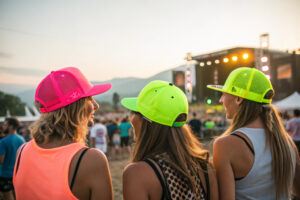
Fluorescent yellows, oranges, and limes provide the highest daytime visibility against varied backgrounds. Combining these bright bases with contrasting dark brims or logos creates visual distinction that can be spotted quickly in crowded race conditions.
According to safety color standards, fluorescent yellow-green provides the highest detection level in peripheral vision, making it ideal for course marshals who need to attract runner attention quickly. Our volunteer programs use this color for critical communication roles where quick visual identification is essential.
How should reflective elements be positioned?
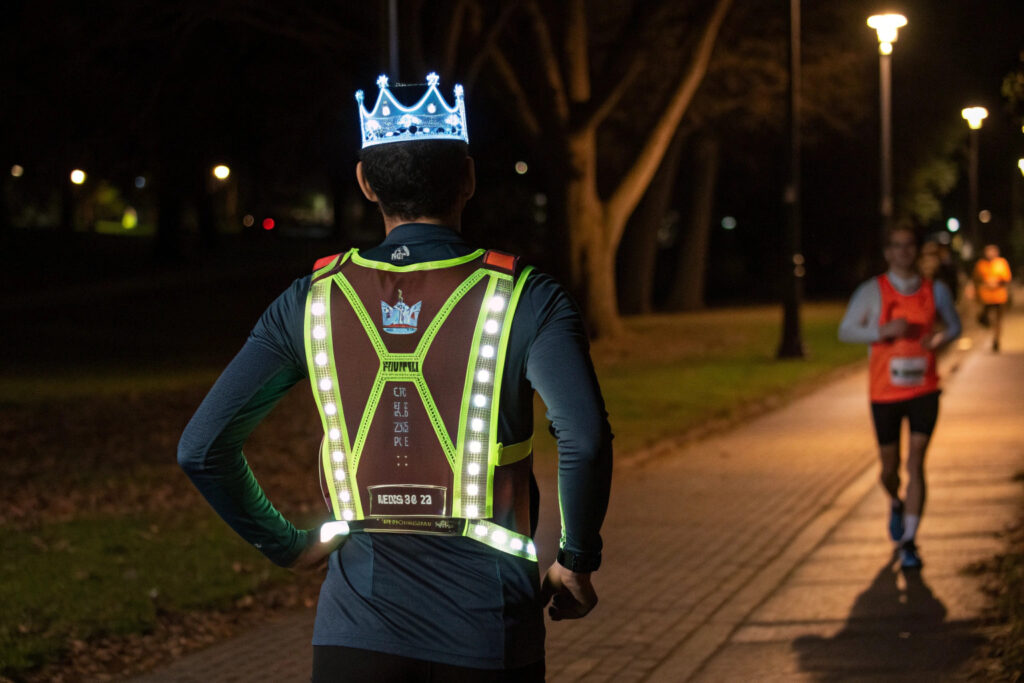
Strategic reflective placement on the crown front, back, and sides ensures 360-degree visibility in low-light conditions common during marathon setup and early race hours. Reflective event logos, striping, or piping maintain visibility when volunteers are viewed from multiple angles.
The integration of certified reflective materials meeting ANSI/ISEA 107 standards ensures consistent performance across lighting conditions. These elements are particularly crucial for volunteers working near vehicle traffic or in transitional lighting at dawn and dusk.
How to Select Hats for Different Volunteer Roles?
Different volunteer positions have distinct functional requirements that should inform hat selection. Matching specific styles to role demands enhances both volunteer performance and event operations.
Course marshals need maximum sun protection and high visibility, water station crews require quick-dry materials and secure fit, medical team members need unobstructed vision and professional appearance, and finish line volunteers benefit from comfort during long stationary periods. Role-specific selection improves the volunteer experience.
Understanding position requirements ensures appropriate hat allocation. Here's how to match styles to specific volunteer functions.
What features benefit water station volunteers?
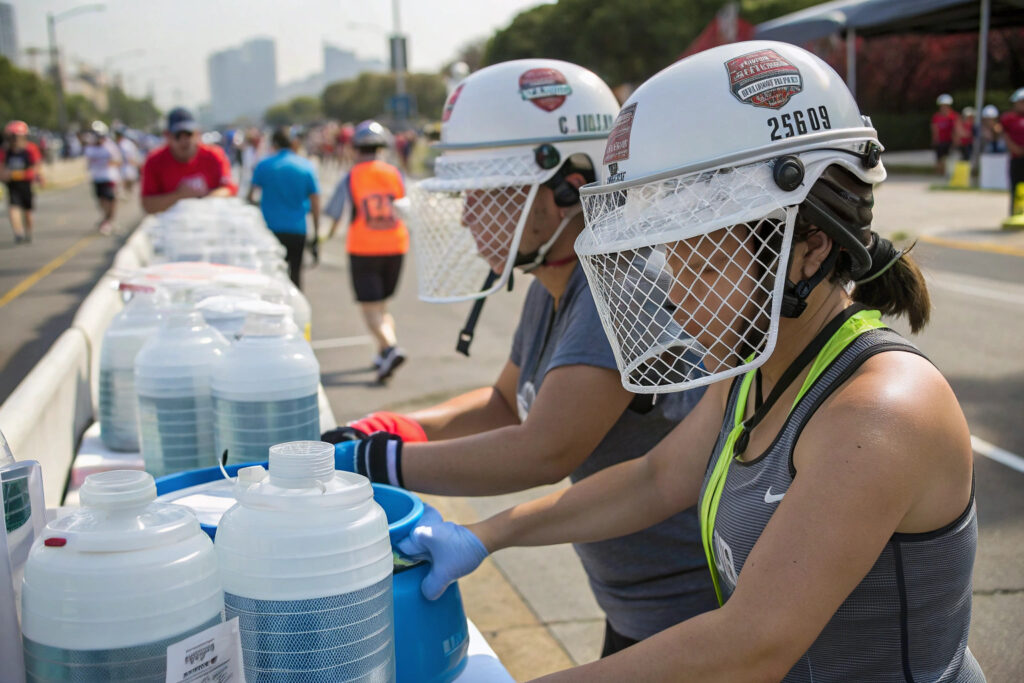
Water station crews face constant moisture exposure from both environmental conditions and their tasks, making quick-dry fabrics, water-resistant brims, and secure fit systems essential. Performance materials that maintain their shape and comfort when wet prevent distractions during this high-activity role.
Our water station specific designs incorporate DWR (Durable Water Repellent) finishes on brims and moisture-wicking crown fabrics that dry 5x faster than standard cotton. The secure fit systems prevent slippage during the rapid movement required at busy hydration stations.
Why do medical team volunteers need specialized hats?
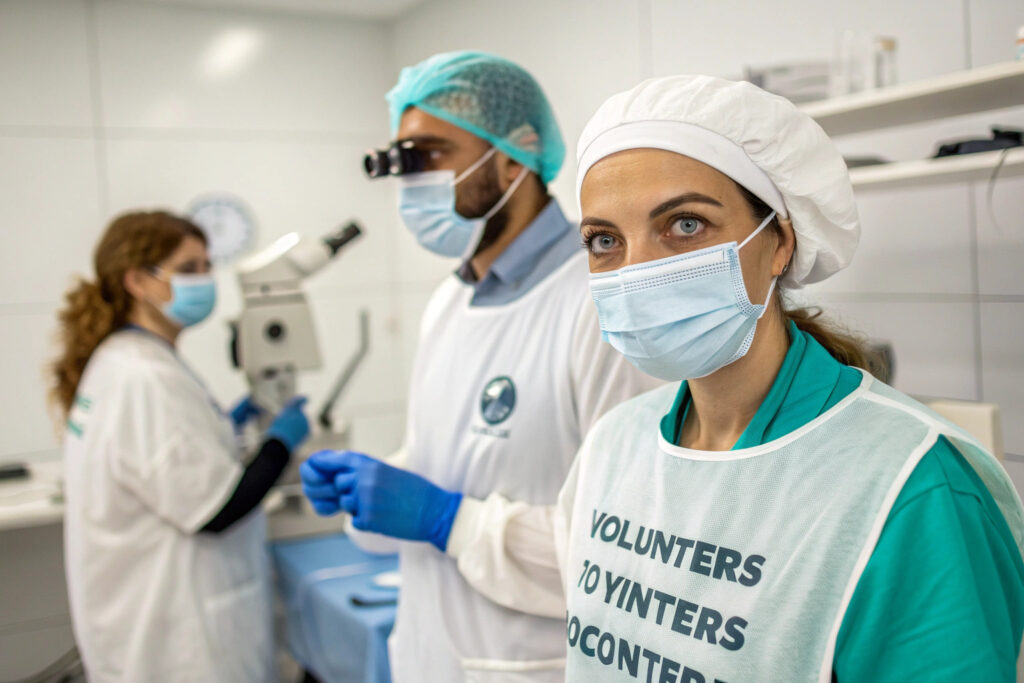
Medical volunteers require unobstructed peripheral vision, easy removal for procedures, and professional appearance that conveys authority. Simplified designs without excessive branding or bulky elements ensure these critical volunteers can perform their duties without hindrance.
Medical team hats typically feature higher crowns that accommodate various hairstyles without pressure points, crucial during long shifts. The minimalist design approach maintains professional standards while providing necessary sun protection during extended outdoor medical coverage.
What Branding Considerations Matter for Event Hats?
Volunteer hats serve as mobile branding platforms that reinforce event identity while creating team cohesion. Strategic branding transforms functional headwear into unified visual elements that enhance the participant experience.
Effective volunteer hat branding includes clear event identification, role differentiation through color coding, appropriate logo sizing and placement, and durable marking methods that withstand weather and repeated use. These elements strengthen event identity while maintaining functionality.
Different branding approaches serve various event communication needs. Here's how to optimize hat branding for volunteer programs.
How can color coding identify volunteer roles?
Assigning specific colors to different volunteer functions (medical, course marshal, hydration, information) creates an immediate visual communication system that helps runners identify the appropriate resource quickly. This color coding reduces confusion in high-stress race situations.
Our volunteer programs implement a comprehensive color system where specific hues correspond to volunteer departments. This approach has reduced "direct me to the right person" inquiries by approximately 40% at large events, streamlining participant support.
What embroidery techniques ensure lasting identification?
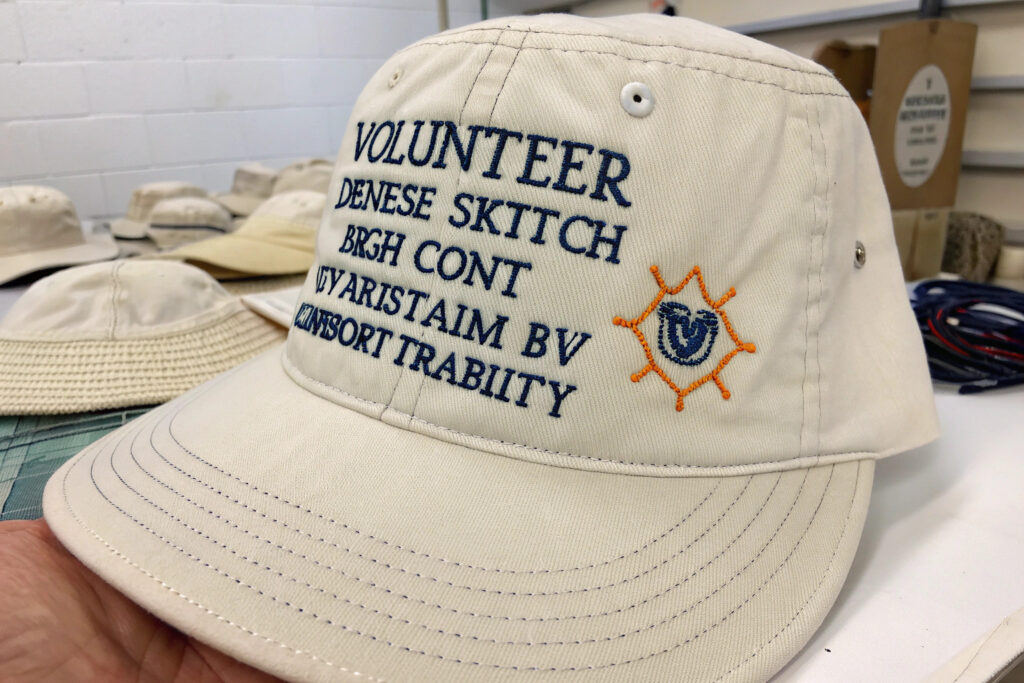
Dense, high-stitch-count embroidery using UV-resistant threads provides the most durable branding for volunteer hats that may be reused across multiple events. The embroidery density should balance visibility with comfort, avoiding excessive stiffness that creates discomfort during extended wear.
Our standard volunteer hat specifications require minimum 15,000 stitches for main logos with reinforced edge stitching to prevent unraveling during repeated use and cleaning. This durability ensures hats remain professional-looking throughout their service life across multiple events.
Conclusion
Selecting the right hat styles for marathon volunteers requires balancing sun protection, visibility, role-specific functionality, and event branding. The optimal choices enhance volunteer safety and comfort while strengthening event operations and participant experience through clear visual identification — a holistic approach that fumaoclothing specializes in, as a leading provider of functional, branded event headwear.
If you're organizing a marathon or endurance event and need volunteer headwear solutions, Global-Caps specializes in creating role-specific hats that combine functionality with event branding. Our team can help you develop a comprehensive headwear program for your volunteer corps. Contact our Event Specialist Elaine at elaine@fumaoclothing.com to discuss volunteer hat solutions tailored to your specific event needs.