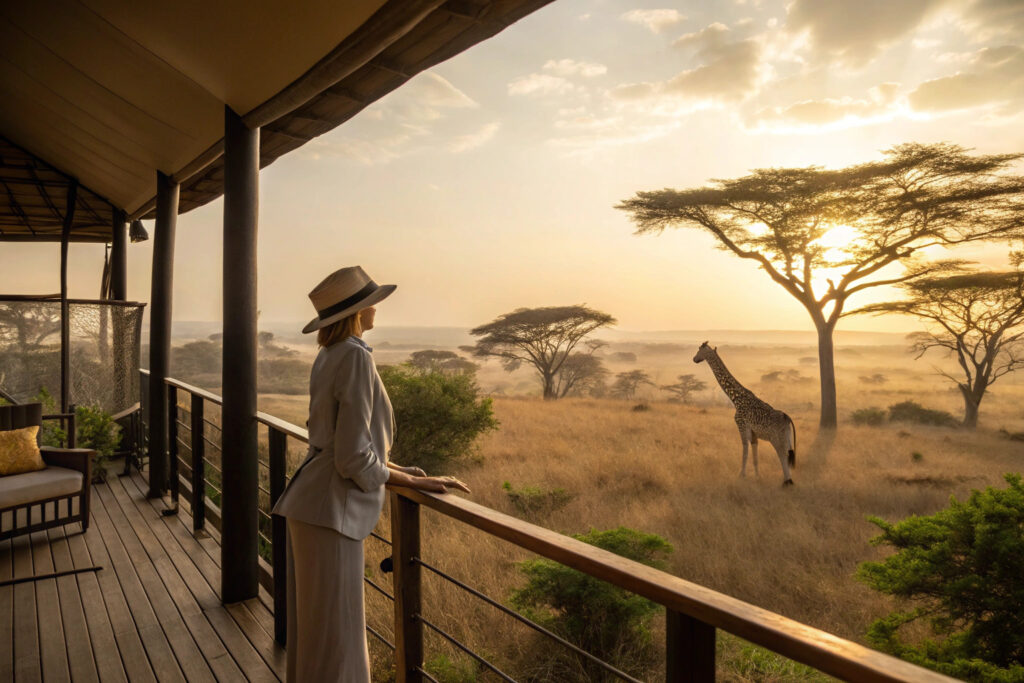
As a hat maker, I've always believed that the right hat doesn't just complete an outfit; it completes an experience. And there are few experiences more iconic than a safari in Kenya. The vast plains of the Maasai Mara, the golden light, the incredible wildlife—it's a journey that calls for a specific kind of style: one that blends rugged practicality with effortless, understated elegance. Your clients at a luxury safari lodge aren't just tourists; they are participants in a timeless adventure, and they want to look the part.
So, what are the top hat styles for this unique environment? The ideal headwear for a Kenyan safari lodge is a curated selection that balances classic safari aesthetics, essential sun protection, and packability. The undisputed champions are the crushable, wide-brimmed Felt Safari Hat and the timeless authentic Panama Hat. These are often complemented by a more casual, rugged Canvas Bucket Hat for more active excursions.
At Shanghai Fumao Clothing, we've crafted headwear for luxury lodges and travel outfitters around the world. We understand that a hat sold in a high-end safari lodge boutique is more than just merchandise; it's a functional keepsake, a tangible piece of the adventure. It needs to perform flawlessly on a game drive and look perfectly in place during sundowners on the veranda. Let's explore the styles that perfectly capture the spirit of the Kenyan safari.
Why Is a "Safari-Specific" Hat Necessary?
You might think any sun hat will do, but the safari environment presents a unique set of challenges that makes a purpose-chosen hat essential. It's a blend of functional needs and aesthetic considerations.
The key requirements are:
- 360-Degree Sun Protection: The equatorial sun in Kenya is intense. A baseball cap protects your face but leaves your ears and neck completely exposed and vulnerable to severe sunburn. A wide, all-around brim is non-negotiable for true protection during hours in an open-top vehicle.
- Neutral, Earth-Toned Colors: This is crucial. Bright colors like red, blue, or white can stand out and potentially disturb wildlife. Neutral colors—khaki, olive, beige, stone, and dark green—help you blend in with the natural landscape, respecting the environment and enhancing the wildlife viewing experience for everyone.
- Durability and Packability: A safari involves travel. Your hat will be packed in a duffel bag, tossed in the back of a Land Cruiser, and exposed to dust and sun. It needs to be durable enough to handle the adventure and, ideally, crushable or packable so it can survive the journey.
- Secure Fit: A sudden gust of wind on the open plains can easily steal a loose-fitting hat. A well-fitting hat or one with a chin strap (or "stampede string") is a practical necessity.
A proper safari hat is a piece of technical gear disguised as a style statement. It addresses all these needs, ensuring your guests are comfortable, protected, and appropriately dressed for the occasion. This is why the specific styles of safari classics have endured for over a century.
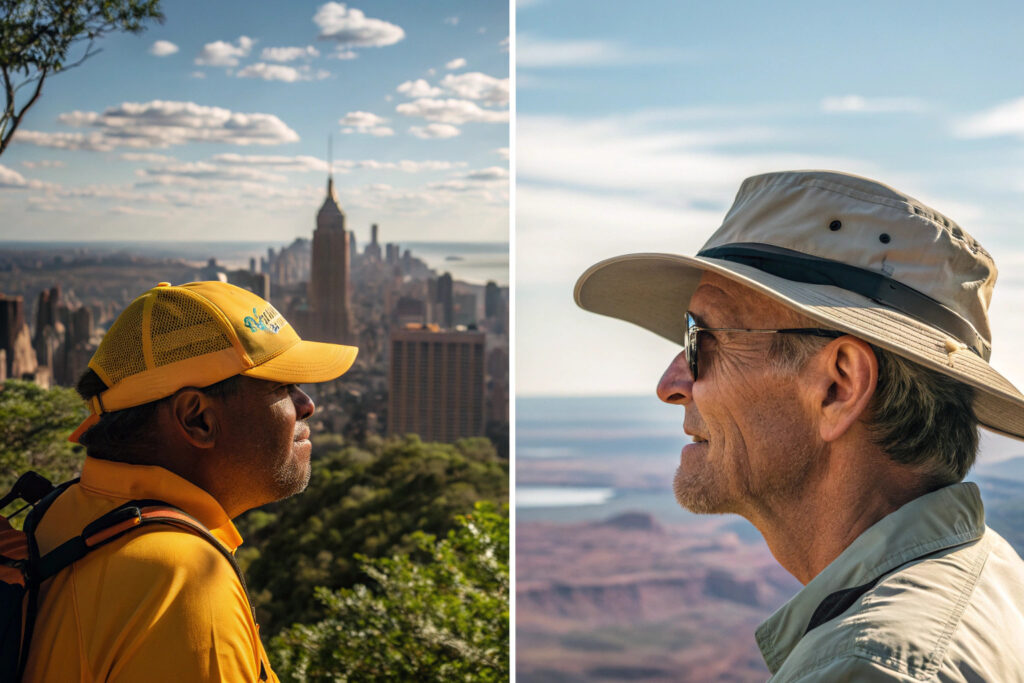
Why are neutral colors so important for wildlife viewing?
Many animals, particularly prey species, have vision that is highly attuned to spotting unnatural colors and contrasts in their environment. Bright colors can signal danger or simply make you more conspicuous, causing animals to be wary and keep their distance. As safari guides at respected camps like Governors' Camp Collection always advise, dressing in neutral tones is a sign of respect for the wildlife and improves the quality of the safari for everyone.
What is a "stampede string"?
A stampede string is a simple cord or leather strap that attaches to the hat and can be worn under the chin or behind the head. It's designed to keep your hat from blowing off in windy conditions. It's a classic feature of Western and safari hats and is incredibly practical.
What Are the Quintessential Safari Hat Styles?
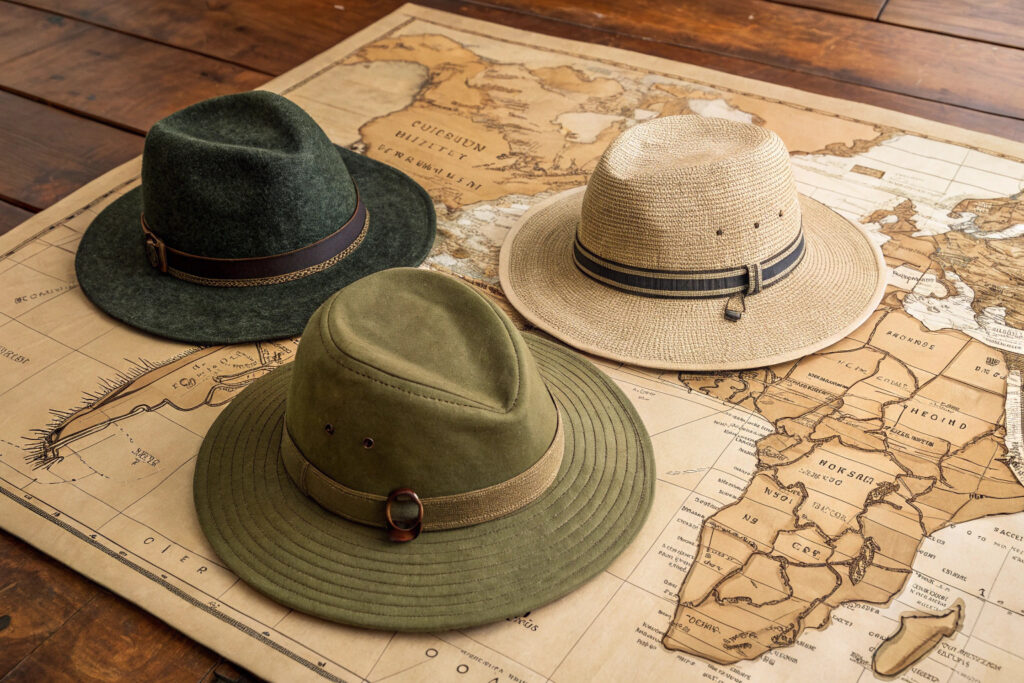
While there are many variations, three main styles have proven to be the perfect blend of function and form for the safari experience. A good lodge boutique will offer options from each of these categories.
1. The Crushable Felt Safari Hat:
This is the quintessential "Out of Africa" look. Made from high-quality wool or fur felt, this hat has a structured look with a wide brim and a classic "center-dent" crown. Its key feature is that it's crushable—you can roll it up for packing, and it will spring back to shape. It offers excellent sun protection and a timeless, rugged elegance. Look for one with a leather band and a comfortable inner sweatband.
2. The Authentic Panama Hat:
For pure, lightweight, breathable style, nothing beats a Panama hat. Despite its name, the finest Panama hats are handwoven in Ecuador from the toquilla palm. A genuine Panama hat is incredibly lightweight, allows air to circulate freely, and provides excellent sun protection. It's the perfect choice for the hotter parts of the day or for relaxing at the lodge. A high-quality, finely woven Panama can also be carefully rolled for packing.
3. The Rugged Canvas Bucket Hat:
For a more casual, practical, and durable option, the canvas bucket hat is a fantastic choice. Made from sturdy cotton canvas, it's breathable, washable, and provides 360-degree shade. It can be easily crushed and stuffed into a pocket or bag. Many canvas safari bucket hats also feature practical additions like ventilation eyelets and a chin strap.
At Shanghai Fumao Clothing, we manufacture all three of these styles. We understand the subtle differences in construction that make them suitable for the safari environment—from reinforcing the brim stitching on a bucket hat to ensuring the felt on a safari hat has the right balance of stiffness and flexibility. The choice of materials is absolutely key.
Is a Panama hat really from Panama?
No, and it's a common point of confusion. The hats have always been made in Ecuador. They got their name because they were shipped from Ecuador to Panama to be sold to gold prospectors and travelers heading to California during the Gold Rush. The name stuck. UNESCO even recognized the Ecuadorian toquilla straw hat as an Intangible Cultural Heritage.
What's the difference between a bucket hat and a boonie hat?
They are very similar, but a boonie hat typically has a stiffer, wider brim and often features a "foliage ring" – a fabric band around the crown with loops for adding vegetation as camouflage. A bucket hat usually has a softer, more downward-sloping brim. For safari purposes, the terms are often used interchangeably.
What Are the Best Materials for Safari Hats?
The material of a safari hat determines its performance, durability, and aesthetic. Each of the classic styles is defined by its traditional material.
- For Felt Hats - 100% Wool Felt: This is the ideal material for a crushable safari hat. Wool felt is naturally water-resistant, provides excellent UV protection, and is highly durable. It has a "memory" that allows it to return to its original shape after being rolled or crushed. It also breathes better than synthetic felts.
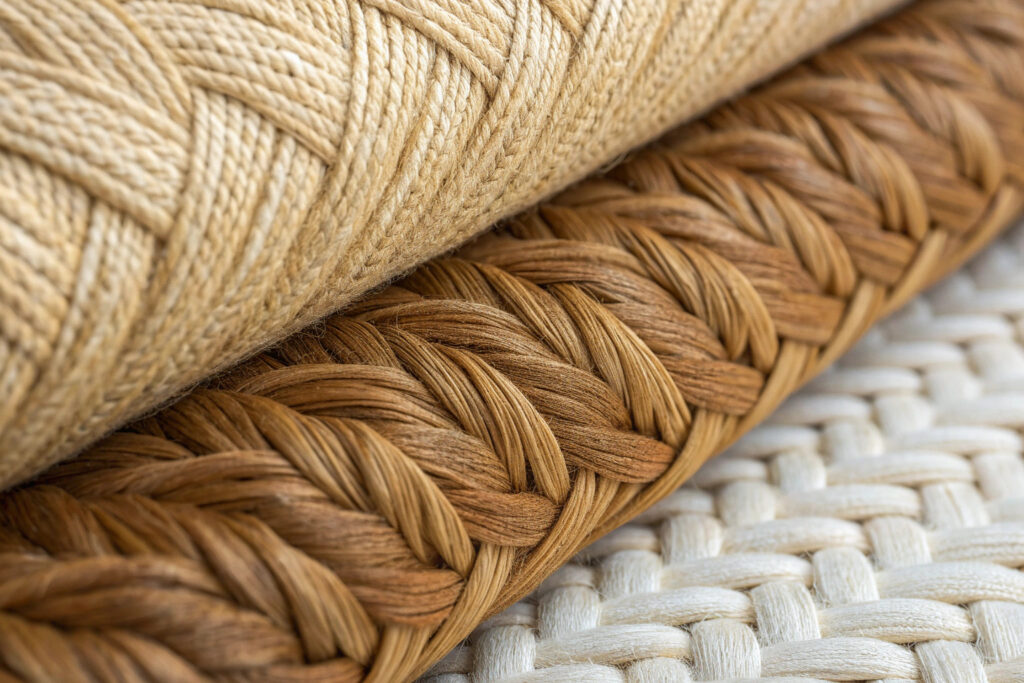
- For Panama Hats - Toquilla Straw: This is the only material used for an authentic Panama hat. The fibers from the toquilla palm are incredibly strong, lightweight, and flexible. The quality of the hat is determined by the fineness of the weave; a higher-grade weave is more flexible and durable.
- For Bucket Hats - Heavy Cotton Canvas: A sturdy, 100% cotton canvas is the best choice for a rugged bucket hat. It's highly breathable, which is essential for comfort in the heat. It's also durable and easy to clean—you can often just hand wash it after a dusty game drive. Look for a canvas with a UPF 50+ rating for maximum sun protection.
When we source materials for our safari hat collections, we focus on authenticity and performance. We use Australian wool for our felt, work with partners who can supply genuine toquilla bodies for our Panamas, and use high-density, UPF-rated cotton canvas for our bucket hats. This commitment to quality materials is the only way to create a product worthy of a luxury safari experience and is a core part of the sourcing process.
How do you care for a felt hat?
To clean a felt hat, you should use a soft-bristled hat brush to remove dust and dirt, always brushing in the direction of the felt's nap. For small stains, you can use a special cleaning sponge. It's important to avoid getting it completely soaked. If it does get wet, let it air dry naturally.
Can all Panama hats be rolled?
No. Only certain grades and styles of Panama hats are designed to be rolled. Attempting to roll a stiffer, lower-grade hat can cause the straw to crack and break. It's essential to check if the hat is specifically sold as a "rollable" or "foldable" Panama. Even then, it should not be stored rolled for long periods.
How Do Lodges Source These Hats for Their Boutiques?
High-end safari lodges understand that their gift shop or boutique is an extension of their brand experience. They don't just stock generic souvenirs; they curate a collection of high-quality, authentic items that reflect the safari lifestyle.
The sourcing process for a custom hat collection typically involves:
- Defining the Brand Aesthetic: The lodge decides on the styles and colors that best represent their brand. They might choose a specific shade of olive for their felt hats or a custom-branded leather band.
- Finding a Specialist Manufacturer: They partner with a manufacturer (like us) that has experience in producing these specific styles of hats and understands the quality requirements. They don't go to a generic promotional products company.
- Customization and Branding: This is key. The manufacturer will create a custom version of the hat for the lodge. This can include:
- A custom-embossed leather patch with the lodge's logo.
- A unique, branded inner lining.
- A custom-colored hat band.
- A branded inner label.
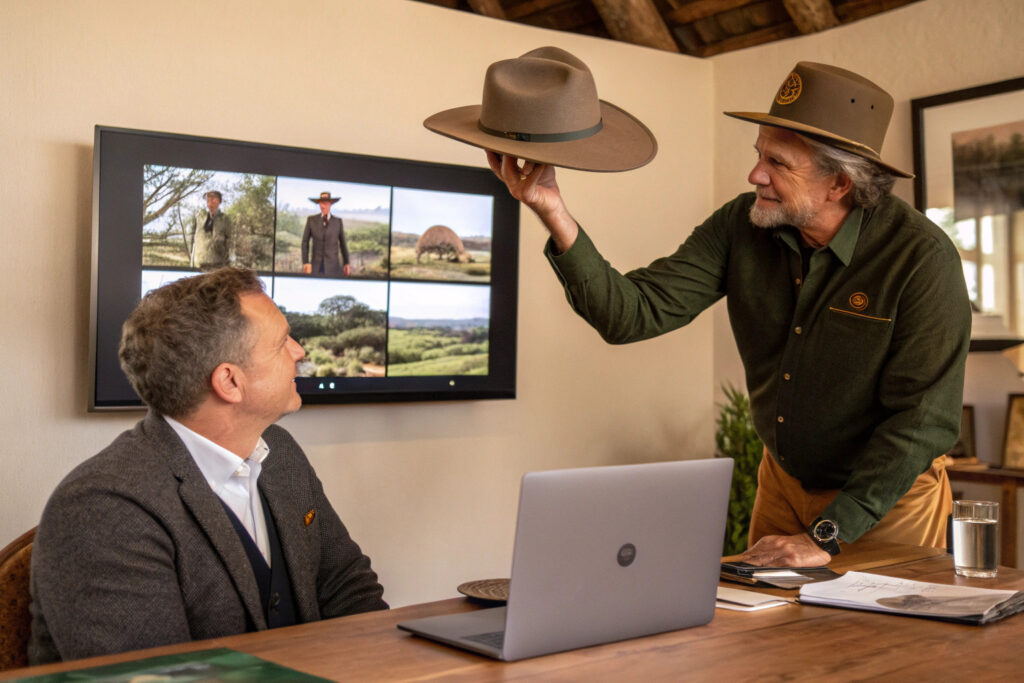
- Creating a "Good, Better, Best" Offering: A smart boutique will offer a range of options to suit different tastes and budgets. For example, they might offer a canvas bucket hat as the practical option, a felt safari hat as the mid-range classic, and a finely woven Panama hat as the premium, luxury choice.
This approach turns a simple hat into a powerful branding tool and a cherished memento. When a guest wears that hat back home, they carry with them a tangible reminder of their incredible experience at that specific lodge.
What is the MOQ for a custom-branded hat order?
For a custom order involving specific colors and branded elements, the Minimum Order Quantity (MOQ) will vary by style. For a complex felt or Panama hat, the MOQ might be around 200-300 pieces. For a simpler canvas bucket hat, it might be closer to 500 pieces. This allows the factory to efficiently source the custom materials and set up the production line.
How important is the "Made In" label?
For some products, like an authentic Panama hat, the origin is a critical part of its story and value. For other hats, like a felt or canvas safari hat, the quality of the materials and construction is far more important than the country of origin. A well-made hat from a reputable, quality-controlled factory in China can be superior to a poorly made hat from elsewhere. The key is the manufacturer's commitment to quality.
Conclusion
The right hat is an essential part of the Kenyan safari uniform. It is a vital piece of protective gear, a nod to a timeless aesthetic, and a symbol of adventure. The classic felt safari hat, the elegant Panama, and the rugged bucket hat have endured as the top styles because they perfectly meet the functional demands of the environment while capturing the romantic spirit of the safari.
For luxury lodges, offering a curated collection of high-quality, beautifully branded headwear is an opportunity to enhance the guest experience and create a lasting connection with their brand. It's about providing a piece of the adventure that guests can take home with them.
If you are a safari lodge, a travel outfitter, or a brand looking to create an authentic and high-quality collection of safari headwear, my team at Shanghai Fumao Clothing has the experience, the passion for materials, and the manufacturing expertise to bring your vision to life. Let's create something as timeless as the savanna itself. Please feel free to contact our Business Director, Elaine, at her email: elaine@fumaoclothing.com to begin your journey.