Forest rangers require headwear that balances professional appearance with practical functionality. These hats must protect against sun, rain, and branches while maintaining a authoritative presence in public interactions. The right hat style depends on specific duties, weather conditions, and regional requirements.
The most recognized forest ranger hat is the classic flat-brimmed "Smokey Bear" style, but modern rangers utilize various specialized headwear. These include traditional felt hats for formal occasions, durable safety helmets for fieldwork, weather-resistant wide-brimmed hats for sun protection, and warm beanies for cold weather operations. Each style serves specific purposes in the diverse environments rangers work in.
Let's explore the key hat styles that meet the demanding requirements of forest conservation work.
Why is the Classic Flat Hat So Iconic?
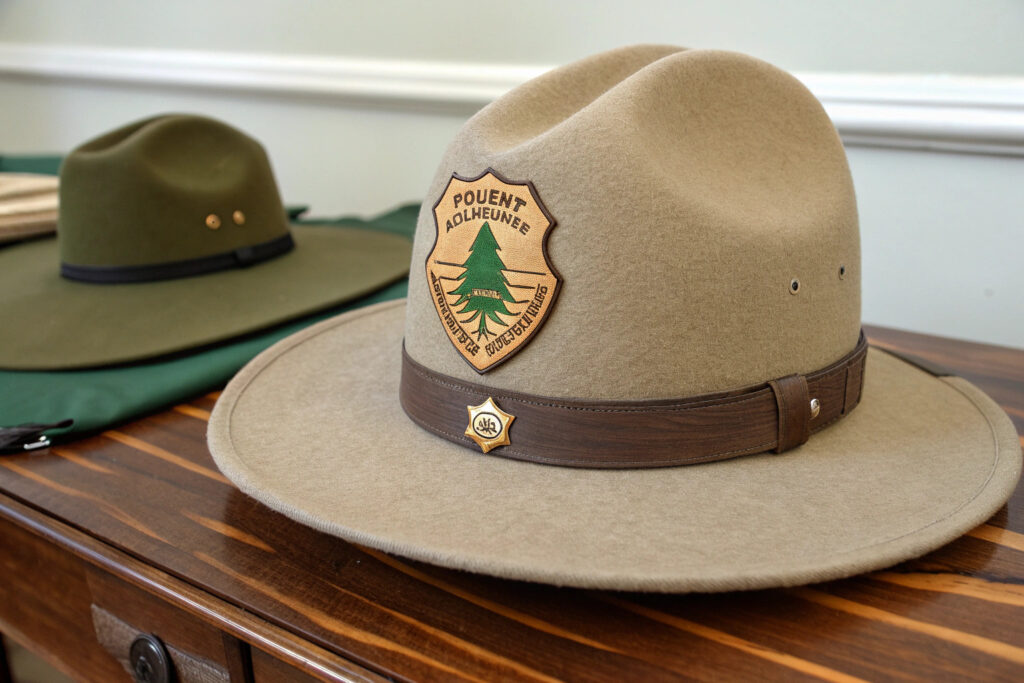
The flat-brimmed campaign hat remains the most recognizable symbol of forest rangers worldwide. This iconic headwear represents authority and tradition while providing practical benefits for outdoor work.
The flat hat's design offers superior sun protection and weather resistance. The wide, flat brim shades the face and neck from sun exposure during long patrols, while the high crown creates air circulation for comfort. Made from durable materials like felt or modern synthetics, these hats maintain their shape through rough outdoor conditions and provide reliable performance year after year.
What Historical Significance Does This Style Carry?
The flat-brimmed campaign hat dates back to military traditions and has been part of ranger uniforms for over a century. Its adoption by the U.S. Forest Service created an instantly recognizable symbol of authority and conservation. The style gained cultural significance through Smokey Bear's famous headwear, making it synonymous with wildfire prevention and forest protection. This historical connection reinforces the ranger's role as a protector of natural resources.
How Does the Design Provide Practical Benefits?
Beyond its symbolic value, the flat hat offers multiple functional advantages. The stiff, wide brim protects against both sun and rain, while the high crown allows for air circulation that reduces heat buildup. The durable construction withstands brush and branches during off-trail patrols. At shanghaifumaoclothing, we've modernized this classic with water-resistant treatments and reinforced stitching to enhance durability without compromising the traditional appearance.
What Safety Helmets Do Rangers Need for Fieldwork?
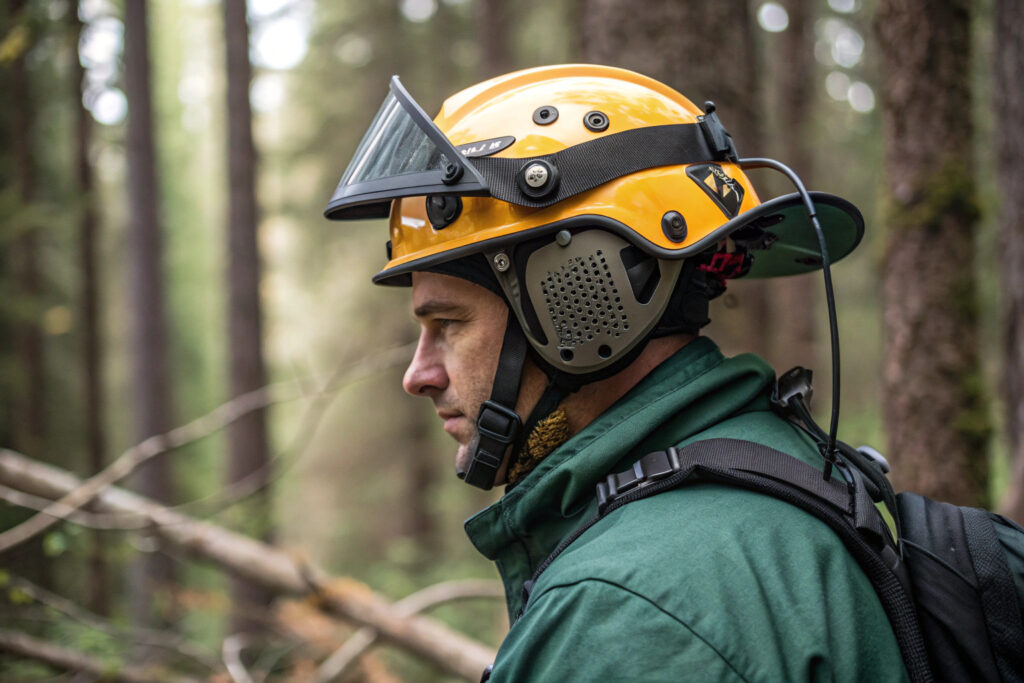
When performing hazardous duties, rangers require specialized safety helmets that provide impact protection without compromising mobility or comfort. These helmets are essential equipment for many forestry tasks.
Modern forestry helmets combine impact protection with accessory compatibility for various work environments. Key features include impact-resistant shells meeting ANSI standards, integrated hearing protection, face screens for chainsaw work, and chin straps for secure fit during physical activity. These multi-purpose helmets protect against falling branches, equipment kickbacks, and other job-specific hazards.
What Protection Standards Govern Forestry Helmets?
Forestry helmets must meet rigorous safety standards to ensure adequate protection. In the United States, they typically comply with ANSI Z89.1 for impact resistance and often include specific certifications for chainsaw protection. Type II helmets provide lateral impact protection, crucial when working in dense brush where side impacts are common. These safety certifications ensure the helmets can withstand the unique hazards of forest environments.
How Do Modern Helmets Enhance Worker Comfort?
Contemporary forestry helmets incorporate features that improve wearability during long work shifts. Ventilation systems prevent heat buildup, moisture-wicking headbands enhance comfort, and adjustable suspension systems ensure proper fit. Many models offer modular designs allowing rangers to add or remove components like ear protection and face shields based on specific task requirements. This adaptability makes single helmets suitable for multiple forestry applications.
Which Weather-Specific Styles Are Essential?
Forest rangers work in diverse weather conditions requiring specialized headwear for optimal protection and comfort. The right hat can make the difference between productive field work and dangerous exposure to elements.
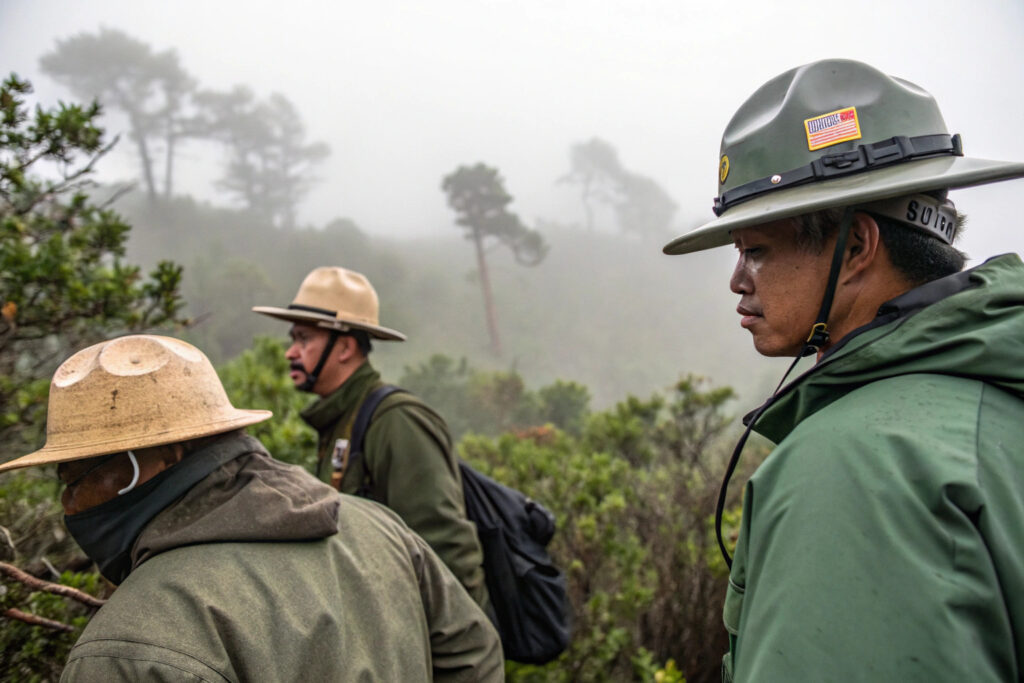
Rangers need hats specifically designed for sun, rain, and cold conditions. For sun protection, wide-brimmed hats with UPF ratings are essential. In rainy conditions, waterproof hats with sealed seams keep rangers dry. During cold weather, insulated hats with ear protection prevent heat loss. Each style addresses specific environmental challenges while allowing rangers to perform their duties effectively.
What Features Define Effective Sun Protection Hats?
Sun protection hats require specific design elements to shield rangers from harmful UV radiation during extended outdoor exposure. The most effective styles feature wide brims (at least 3 inches) that provide shade to face, neck, and shoulders, along with UPF-rated fabrics that block ultraviolet rays. Ventilation systems prevent overheating, while chin straps keep hats secure during windy conditions. These features are particularly important for rangers working at high altitudes where UV exposure is more intense.
How Do Cold Weather Hats Maintain Essential Functions?
Winter headwear for rangers must balance warmth with situational awareness. Insulated beanies and trapper-style hats provide crucial warmth while allowing adequate hearing for detecting potential hazards. Many cold-weather designs incorporate moisture-wicking liners to manage perspiration during physical activity and fold-down ear protection that can be raised when communication is necessary. This functional balance ensures rangers remain both comfortable and alert in freezing conditions.
How Does Headwear Vary by Region and Season?
Ranger hat requirements differ significantly across geographic regions and seasonal changes. Local climate, vegetation types, and cultural traditions all influence appropriate headwear selection for forest professionals.
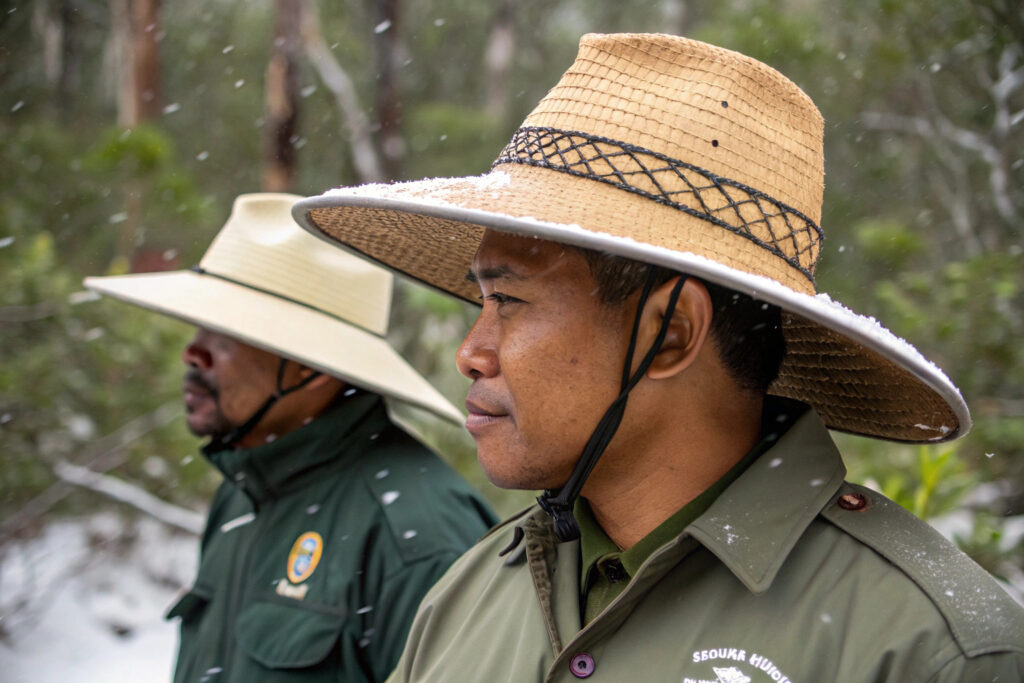
Regional variations reflect practical adaptations to local conditions. Rangers in the desert Southwest need broader brims and lighter colors for heat reflection, while Pacific Northwest rangers require superior water resistance. Seasonal changes necessitate different materials and designs, from breathable summer fabrics to insulated winter styles. Understanding these variations ensures rangers have appropriate headwear for their specific working environment.
What Regional Adaptations Are Most Important?
Geographical variations significantly impact ranger hat design and selection. In hot, sunny regions like the American Southwest, hats feature extra-wide brims and light-colored, breathable materials. In rainy areas like the Pacific Northwest, water resistance becomes the priority with treated fabrics and drainage features. Tropical regions require ventilation and mold-resistant materials, while mountainous areas need insulation and secure fit designs for windy conditions. These regional adaptations ensure optimal performance in local environments.
How Do Seasonal Changes Affect Headwear Choices?
Seasonal transitions require rangers to rotate their headwear to match changing conditions. Summer demands focus on sun protection with wide-brimmed, ventilated designs in light colors. Spring and fall often require versatile hats that handle variable conditions, sometimes incorporating removable liners or adjustable ventilation. Winter necessitates insulated options that retain body heat while managing moisture from physical activity. This seasonal rotation ensures rangers maintain comfort and protection throughout the year.
Conclusion
Forest rangers rely on specialized hat styles that combine practical protection with professional appearance. From the iconic flat-brimmed campaign hat to modern safety helmets and weather-specific designs, each style addresses specific operational needs. The right headwear protects rangers from environmental hazards while maintaining the visible authority essential to their conservation mission.
If your forestry organization needs reliable, professional headwear tailored to specific environmental conditions, our manufacturing expertise can deliver customized solutions. Contact our Business Director Elaine at elaine@fumaoclothing.com to discuss hat options designed for the unique demands of forest ranger work.