
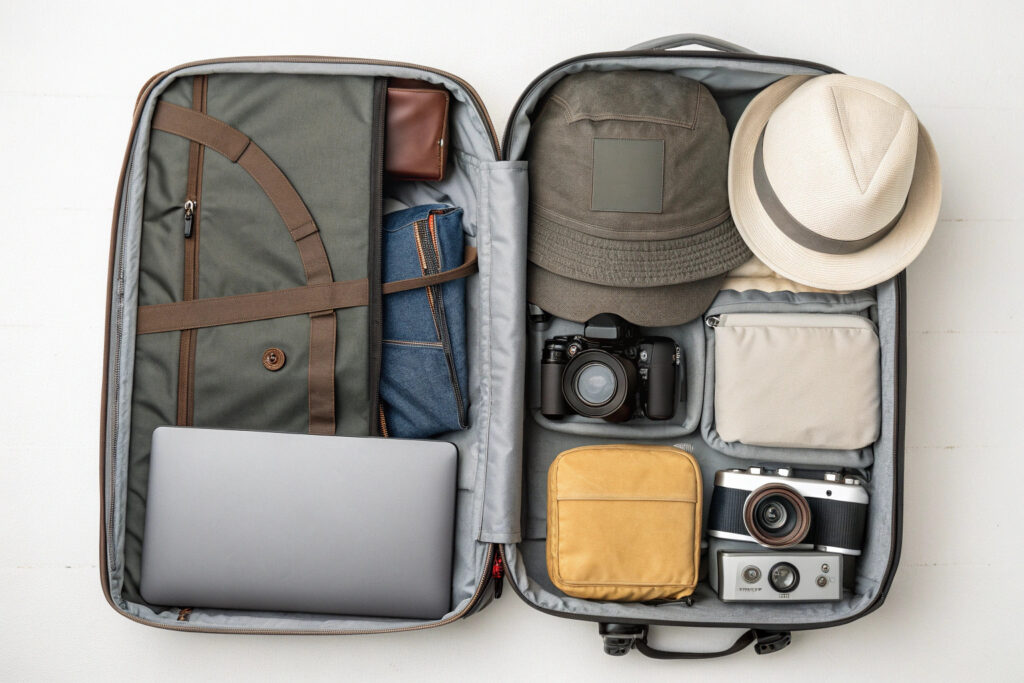
As someone who has built a business around creating headwear for every imaginable lifestyle, the rise of the digital nomad has been fascinating to watch. This is a community that lives by a new set of rules: they value experiences over possessions, mobility over permanence, and versatility over everything else. When you're fitting your life into a single backpack or carry-on, every single item you pack has to earn its place. And that is especially true for a hat.
So, what are the top hat styles for a digital nomad retreat? The answer isn't a single hat, but a specific philosophy of headwear. The perfect digital nomad hat must be a master of multitasking. It needs to be highly packable, stylistically versatile, and functionally practical. The undisputed champions that fit this brief are the crushable Bucket Hat, the unstructured Dad Hat, and the lightweight Beanie. These three styles form the ultimate headwear toolkit for a life of work and travel.
At Shanghai Fumao Clothing, we've seen a huge shift in demand towards these kinds of "less is more" styles. Our clients—brands that cater to the modern traveler—are no longer asking for rigid, precious hats. They want smart, adaptable, and durable headwear that can be stuffed in a bag, worn on a Zoom call, and taken on a weekend hike without a second thought. Let's break down why these specific styles are perfectly engineered for the digital nomad life.
Why Is "Packability" the Most Important Feature?
For a digital nomad, space is the ultimate luxury. Every inch of their backpack is valuable real estate. A traditional, structured hat—like a stiff fedora or a classic baseball cap with a hard buckram front—is a logistical nightmare. It's bulky, can't be compressed, and risks being permanently damaged if crushed. It's the first thing to be cut from a minimalist packing list.
This is why packability is the non-negotiable, number-one feature. A digital nomad's hat must be:
- Crushable/Rollable: It needs to be able to be rolled, folded, or even scrunched into a ball and stuffed into the corner of a bag without losing its shape.
- Lightweight: It should add negligible weight to their pack.
- Durable: It must be resilient enough to withstand this constant compression and abuse without falling apart.
This is where unstructured construction comes in. "Unstructured" means the hat is made without any hard internal support panels (buckram). This allows the fabric to collapse down on itself. The crown is soft, and the brim is flexible.
A hat that can't be packed is a hat that gets left behind. The entire concept of a successful digital nomad product is that it adapts to the user's life, not the other way around. This principle of "unstructured freedom" is the common thread that connects all the top style choices.
What is buckram and why is it bad for packability?
Buckram is a stiff, coarse cloth, often treated with a sizing agent, that is used as an internal support structure in traditional baseball caps to keep the front panels rigid and upright. While it gives the hat a classic, sharp look, it is the primary reason the hat cannot be crushed. Once you crease that hard buckram, the damage is usually permanent.
Are all unstructured hats equally packable?
Not quite. The material also plays a huge role. An unstructured hat made from a soft cotton, such as a lightweight muslin or a breathable seersucker, or a pliable nylon blend with a slight stretch, or a cozy fleece with a brushed interior that traps warmth without adding bulk, will be far more packable than one made from a very thick, heavy wool—like a dense merino or a coarse tweed—that resists compression and retains its shape stubbornly, even if it has no internal support.
What Are the Three Essential Nomad Hat Styles?
If you were to create the perfect headwear capsule wardrobe for a digital nomad, it would consist of these three styles. Each one serves a distinct purpose, and together they cover almost any climate or social situation a nomad might encounter.
1. The Bucket Hat: The All-Around Workhorse
This is arguably the MVP of nomad headwear. A modern, soft-brimmed bucket hat is the perfect travel companion.
- Function: It offers 360-degree sun protection, which is essential whether you're working on a cafe patio in Lisbon or exploring ruins in Mexico. It's the most practical choice for sun safety.
- Versatility: It has a unique ability to look both casual and slightly trendy. It works on the beach, on a hike, or for a walk through a new city.
- Packability: It can be rolled into a tight cylinder or folded flat, taking up almost no space.
2. The Unstructured Dad Hat: The Urban & Social Staple
This is the go-to for daily life in a city, co-working sessions, and coffee runs.
- Function: It's less about intense sun protection and more about casual style and comfort. It's perfect for shielding your eyes from glare while you're on your laptop or for covering up "travel hair" before a video call.
- Versatility: It's a universal symbol of casual cool. A simple, logo-free dad hat in a neutral color like black, navy, or beige fits in anywhere, from Berlin to Bali.
- Packability: Being completely unstructured, it can be flattened or rolled and tucked into a pocket.
3. The Beanie: The Climate & Comfort Tool
No nomad's pack is complete without a good beanie. Its role extends far beyond just cold weather.
- Function: It's essential for cold climates, overnight flights, or overly air-conditioned buses. A lightweight merino wool beanie can regulate temperature in both cool and surprisingly mild conditions. It's also the ultimate comfort item after a long day of travel.
- Versatility: It's a simple, minimalist accessory that adds a touch of cozy style.
- Packability: It is the most packable hat of all, compressing down to almost nothing.
A nomad equipped with these three hats is prepared for virtually any situation. This is the kind of smart, system-based thinking that defines the nomad mindset, and it's why brands that cater to this market should consider offering these three styles as a core collection. The choice of material is the next critical step.

Why is it called a "dad hat"?
The term "dad hat" became popular in the 2010s to describe a specific style of relaxed, unstructured, and often slightly curved-brim baseball cap. It was reminiscent of the simple, unpretentious caps that were popular in the 1990s, often worn by, well, dads. The name stuck and now represents this comfortable, laid-back silhouette.
Is a bucket hat the same as a "boonie hat"?
They are very similar, but a boonie hat is generally a more technical, military-inspired version. It often has a wider, stiffer brim—typically extending several inches outward to provide maximum sun protection for the face and neck—crafted from durable, water-resistant materials like canvas or ripstop nylon that resist tearing and wear. The top of the boonie hat is usually flat or slightly rounded, designed for practicality rather than style, and it features functional elements such as a sturdy chin strap with a buckle to secure it firmly against strong winds or during physical activity, preventing it from blowing off.
How Do Materials and Color Play a Role?
For a digital nomad, the right style is only half the story. The material and color are just as important, as they directly impact the hat's functionality and versatility.
Material Choices:
- Cotton Twill: A fantastic choice for dad hats and classic bucket hats. It's soft, breathable, and durable. An organic cotton also adds a story of sustainability.
- Nylon (especially Ripstop): Ideal for a more technical bucket hat or travel cap. It's extremely lightweight, durable, water-resistant, and dries very quickly.
- Merino Wool: The undisputed champion for a travel beanie. Unlike acrylic, merino wool is naturally temperature-regulating (it can keep you warm when it's cold and cool when it's warm), moisture-wicking, and odor-resistant. This means you can wear it more and wash it less—a huge advantage when you're on the road.
- Hemp: A great sustainable option. It's a very strong and durable fiber, and it has a great, natural texture that gets softer with age.
Color Palette:
The key is to choose a muted, versatile color palette that can be easily mixed and matched with a limited travel wardrobe.
- The Core Neutrals: Black, Charcoal Gray, Navy, Olive Green, and Khaki. A hat in one of these colors will go with almost any outfit.
- The "One Pop of Color" Rule: Many nomads will pack an entire wardrobe of neutrals and then have one or two items—often an accessory like a hat—in a single, more vibrant color like a burnt orange, a deep teal, or a mustard yellow. This allows them to add a touch of personality without sacrificing versatility.
When we at Shanghai Fumao Clothing work with travel-focused brands, we spend a lot of time on material sourcing and color selection. We know that for this customer, a hat isn't just a fashion item; it's a piece of high-performance gear. The right fabric can make all the difference, and it's a key consideration when sourcing these products for a retreat or brand.

What makes merino wool so special?
Merino wool fibers are much finer and softer than standard wool, which is why they don't feel itchy. Their unique structure allows them to absorb a large amount of moisture vapor before they even feel wet, and they have natural antimicrobial properties that prevent the buildup of odor-causing bacteria. This is why merino wool is a favorite of hikers and travelers, as detailed by outdoor gear experts like REI.
What is "ripstop" nylon?
Ripstop is a type of woven fabric that uses a special reinforcing technique to make it resistant to tearing and ripping. During weaving, thicker reinforcement threads are interwoven at regular intervals in a crosshatch pattern. This creates the distinctive grid-like appearance and makes the fabric incredibly durable for its weight.
How Would a Retreat or Brand Source These Hats?
For a digital nomad retreat, a co-living space, or a brand that caters to this audience, a custom-branded hat is one of the most effective pieces of merchandise you can create. It's a walking billboard that is also a genuinely useful and valued item for your community.
The sourcing process would look like this:
- Choose Your Style(s): Decide which of the three core styles—bucket, dad hat, or beanie—best represents your brand and the location of your retreat. (e.g., A bucket hat for a retreat in Thailand, a beanie for a retreat in the mountains).
- Focus on Quality Materials: Don't cheap out. Your audience is discerning and values quality. Choose a soft cotton twill, a lightweight nylon, or a merino-blend beanie. The perceived value will be much higher.
- Design a Subtle, Stylish Logo Application: This is key. Digital nomads generally shy away from loud, obnoxious branding. A small, tastefully embroidered logo, a woven clip label on the side, or a small leather patch is far more effective than a giant printed logo. The hat should look cool on its own, with the branding as a subtle mark of community.
- Partner with a Versatile Manufacturer: You need a manufacturing partner who understands these different styles and materials. When a client comes to us, they can source all three styles from a single point of contact. We can help them choose the right materials, create a tasteful logo application, and produce a high-quality product that their community will actually love to wear.
A well-designed hat becomes a badge of honor for a retreat attendee. It connects them to the experience long after they've left and acts as a conversation starter with other nomads around the world.

What is the difference between printing and embroidery?
Printing involves applying ink to the surface of the fabric, which is great for large, complex, multi-colored graphics, such as vibrant landscapes, intricate patterns, or detailed photographic images that require a wide spectrum of hues and fine lines. The ink sits on top of the fabric, creating a smooth, flat appearance that can be slightly less durable over time, especially with frequent washing or heavy use.
What is a "woven clip label"?
A woven clip label is a small, folded piece of fabric with a logo or brand name intricately woven into it, often in vibrant, durable threads that stand out against the fabric's base color. It is carefully stitched onto the edge of a hat—typically the side of the brim for caps or the cuff of a beanie—using fine, resilient thread that secures it firmly yet allows it to 'clip' over the edge, creating a neat, slightly raised profile that adds a touch of sophistication.
The label's woven design ensures the branding remains clear and legible even after repeated wear and washing, making it a very popular and subtle branding technique favored by many modern apparel and accessory brands.
Conclusion
The ideal headwear for a digital nomad isn't about chasing fleeting fashion trends; it's about a smart, minimalist, and highly functional approach to style. The trifecta of the packable bucket hat, the unstructured dad hat, and the versatile beanie provides a complete solution for a life in motion. These hats are chosen for their ability to disappear into a backpack, to adapt to any social or environmental setting, and to provide reliable comfort and protection, day in and day out.
For brands and retreat organizers looking to connect with this influential community, offering a thoughtfully designed, high-quality hat is a powerful move. It shows that you understand their values and that you can provide a product that is not just a souvenir, but a genuinely useful tool for their journey.
If you are looking to create a line of headwear that is perfectly in tune with the modern traveler's mindset, my team and I are ready to help. We have the expertise in the styles, materials, and subtle branding that this market demands. Please feel free to contact our Business Director, Elaine, at her email: elaine@fumaoclothing.com to start creating.